×

Indonesia🇮🇩 | festivalsBau Nyale FestivalSeger beach, Lombok, sea worms, dawn ritual | things to do and best time to go

Explore Dieng Culture FestivalExplore Cap Go Meh

Backpacking in Bau Nyale
🌟 Highlightfestival ranked #6
By Johan Kruseman 🇳🇱 | Updated October 15, 2026

Bau Nyale isn't for travelers seeking mainstream beach parties or Instagram-ready crowds. But that's exactly why backpackers should go. This festival celebrates the Sasak people's maritime traditions on Lombok, Indonesia, with a raw energy that feels genuinely rooted in local culture rather than packaged for tourists. Held on the island's southern coast near Kuta, Bau Nyale happens each February or March when thousands gather to fish for nyale (sea worms) in a ritual tied to ancient legend. I remember standing waist-deep in the pre-dawn ocean, shoulder to shoulder with locals and a handful of other travelers, watching the water shimmer as people hauled up nets filled with writhing silver. The air tasted of salt and possibility. It's chaotic, unglamorous, and absolutely worth the detour if you're exploring Lombok's quieter side.

Discover everything you want to know in the 📖 Indonesia Travel Guide.


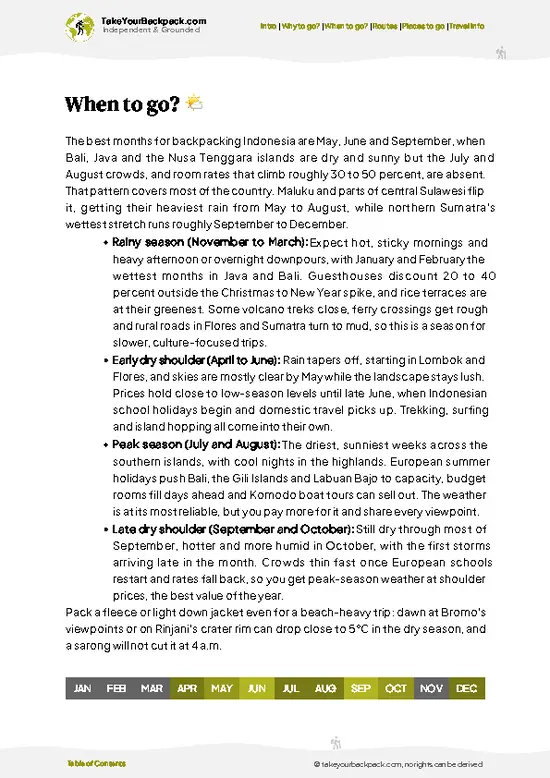
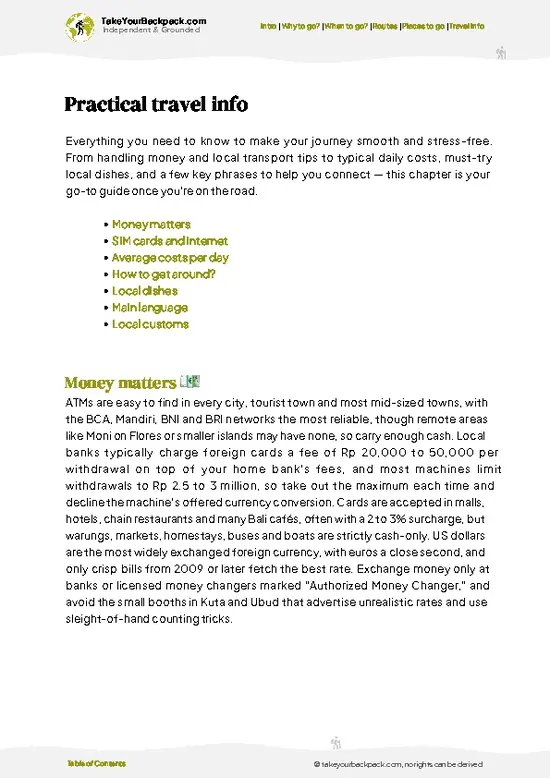
example page 0 from our offline Travel Guide for Indonesia
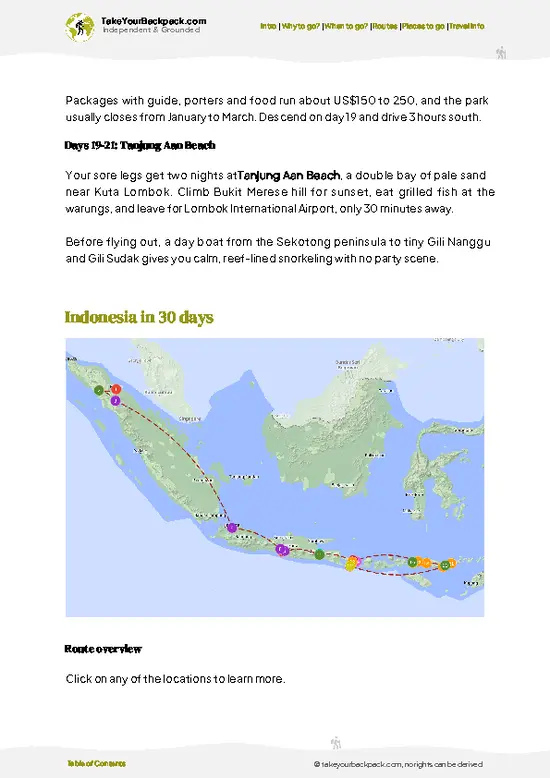
example page 1 from our offline Travel Guide for Indonesia
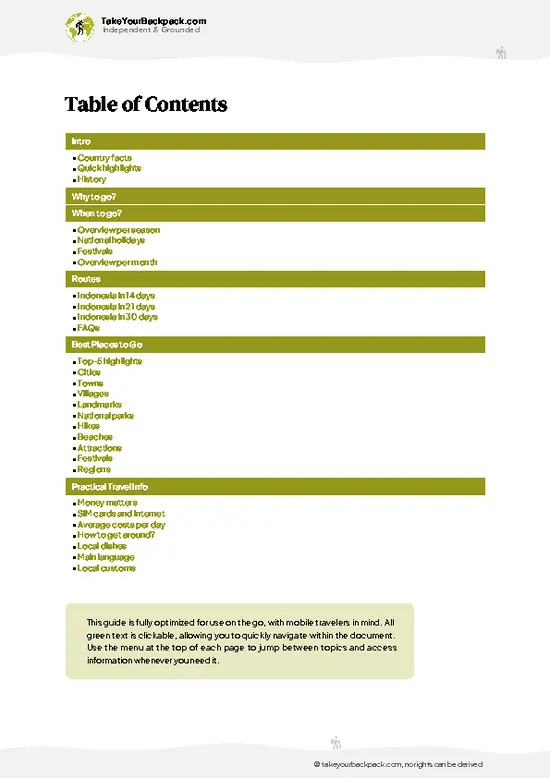
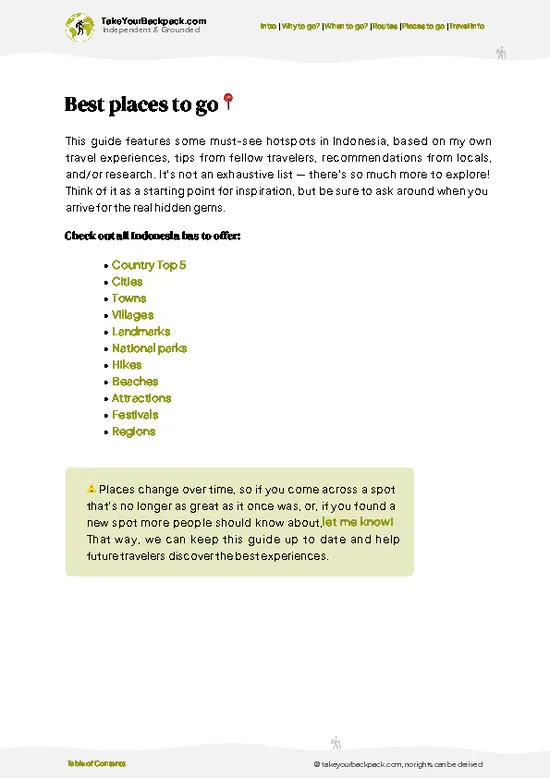
example page 2 from our offline Travel Guide for Indonesia
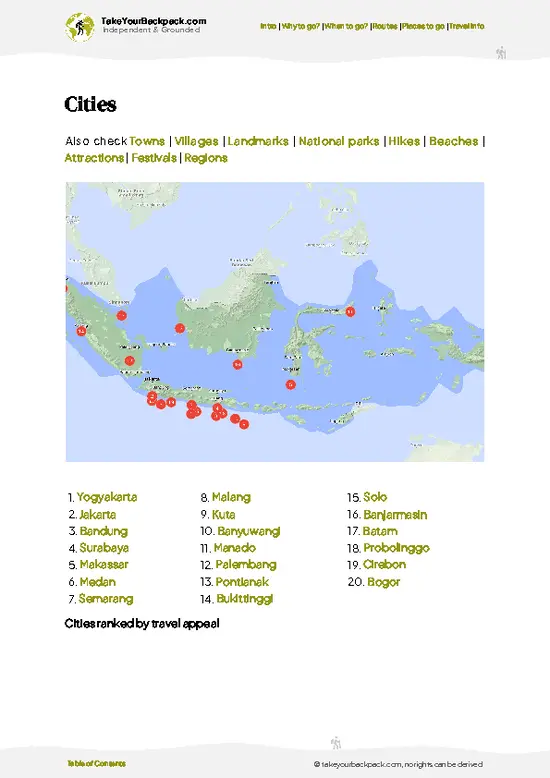
example page 3 from our offline Travel Guide for Indonesia
example page 4 from our offline Travel Guide for Indonesia
example page 5 from our offline Travel Guide for Indonesia
example page 6 from our offline Travel Guide for Indonesia
example page 7 from our offline Travel Guide for Indonesia
Loading the map 🌍
CLICK TO FILTER
cities
towns
villages
landmarks
national parks
hikes
beaches
attractions
festivals
regions
SHOW COUNTRY’S BESTSHOW ALL

✨ Why go?
Ranked #6 festival in Indonesia
Reasons people choose to celebrate the here

Bau Nyale draws backpackers because it's a rare window into Sasak culture on Lombok without the tourist infrastructure that flattens most festivals. The event centers on fishing for nyale, sea worms that arrive predictably each year, blending spiritual ritual with practical livelihood in ways you won't see elsewhere. You're not watching from bleachers; you're part of a working community moment. The festival also means lower prices than Bali's party circuit and a chance to base yourself on an island with genuine beaches and rice terraces. Solo travelers and small groups find real social energy here because locals actively welcome outsiders into the experience, not as paying spectators but as temporary neighbors. It fits naturally into longer Lombok trips, giving you a reason to time your arrival and stay longer than a quick beach hop.

💡 HighlightsMust-see experiences and standout moments

  1. The Pre-Dawn Fishing Ritual: Thousands wade into the ocean at sunrise to catch nyale using nets and baskets. The spectacle is part ceremony, part practical harvest, with locals and visitors working side by side in the shallow water. It's the festival's beating heart and the reason the entire event exists.
  2. Sasak Cultural Performances: Traditional music, dance, and storytelling take place on makeshift stages throughout the festival grounds. Local musicians perform gamelan and traditional instruments that have been part of Sasak identity for generations, offering insight into the island's artistic heritage.
  3. Beachside Food Stalls: Vendors cook fresh nyale and local seafood over open fires. Grilled fish, satay, and traditional Sasak dishes appear alongside tropical fruits and drinks. The food is
… read more 👉
  1. The Pre-Dawn Fishing Ritual: Thousands wade into the ocean at sunrise to catch nyale using nets and baskets. The spectacle is part ceremony, part practical harvest, with locals and visitors working side by side in the shallow water. It's the festival's beating heart and the reason the entire event exists.
  2. Sasak Cultural Performances: Traditional music, dance, and storytelling take place on makeshift stages throughout the festival grounds. Local musicians perform gamelan and traditional instruments that have been part of Sasak identity for generations, offering insight into the island's artistic heritage.
  3. Beachside Food Stalls: Vendors cook fresh nyale and local seafood over open fires. Grilled fish, satay, and traditional Sasak dishes appear alongside tropical fruits and drinks. The food is prepared on-site and tastes sharper and fresher than anything you'll find in tourist areas.
  4. Kuta Beach Itself: The festival grounds sit on a long, relatively undeveloped stretch of sand backed by rice paddies and small villages. The setting feels removed from Bali's chaos, with genuine coastal character and fewer commercial pressures.
  5. Interaction with Local Fishing Communities: The festival draws fishermen and their families from across Lombok. Conversations happen naturally as people work, eat, and celebrate together. You'll hear stories about the nyale legend and the importance of the harvest to local livelihoods.
I'd pick the pre-dawn fishing ritual first because it's the only moment when the entire festival converges on a single purpose. Everything else flows from that one act of collective participation in something that matters to the community.
Spotted a mistake or missing something? Contact us.

Things to do near Bau Nyale Festival

Ratings based on Tripadvisor reviews. When you book through this link, you support our work at no extra cost to you.

🌤️ When to go?When is the celebration of Bau Nyale Festival?

  • February to March: Festival season. Daytime temperatures range from 26 to 31°C (79 to 88°F). Humidity is high, and occasional rain showers occur, but they're brief. Crowds swell during the festival week, and accommodation fills quickly. Prices rise slightly but remain affordable by regional standards.
  • April to October: Dry season. Temperatures stay between 24 to 30°C (75 to 86°F) with lower humidity and minimal rain. Daylight extends to around 12 hours. Fewer tourists visit Lombok overall, so accommodation is cheaper and less crowded, but the festival won't happen.
  • November to January: Wet season. Temperatures climb to 27 to 32°C (81 to 90°F) with heavy rainfall and occasional flooding. Seas can be rough, affecting fishing traditions. Prices drop significantly, but festival activities are unlikely.
… read more 👉
  • February to March: Festival season. Daytime temperatures range from 26 to 31°C (79 to 88°F). Humidity is high, and occasional rain showers occur, but they're brief. Crowds swell during the festival week, and accommodation fills quickly. Prices rise slightly but remain affordable by regional standards.
  • April to October: Dry season. Temperatures stay between 24 to 30°C (75 to 86°F) with lower humidity and minimal rain. Daylight extends to around 12 hours. Fewer tourists visit Lombok overall, so accommodation is cheaper and less crowded, but the festival won't happen.
  • November to January: Wet season. Temperatures climb to 27 to 32°C (81 to 90°F) with heavy rainfall and occasional flooding. Seas can be rough, affecting fishing traditions. Prices drop significantly, but festival activities are unlikely.
Book accommodation 2 to 3 weeks ahead if traveling during festival week.


source: climatestotravel.comJANJanuary: not recommended for travelingFEBFebruary: excellent for travelingMARMarch: not recommended for travelingAPRApril: not recommended for travelingMAYMay: not recommended for travelingJUNJune: not recommended for travelingJULJuly: not recommended for travelingAUGAugust: not recommended for travelingSEPSeptember: not recommended for travelingOCTOctober: not recommended for travelingNOVNovember: not recommended for travelingDECDecember: not recommended for traveling

✈️ The backpacker research shortcutIndonesia Travel Guide

An offline-friendly backpacking guide with optimized travel routes, ranked highlights, transport advice, and the best areas to stay.
example page 0 from our offline Travel Guide for Indonesia
example page 1 from our offline Travel Guide for Indonesia
example page 2 from our offline Travel Guide for Indonesia
example page 3 from our offline Travel Guide for Indonesia
example page 4 from our offline Travel Guide for Indonesia
example page 5 from our offline Travel Guide for Indonesia
example page 6 from our offline Travel Guide for Indonesia
example page 7 from our offline Travel Guide for Indonesia
The digital guide (460 pages) contains:
✅ 153 highlights, ranked by travel appeal
✅ Optimized 14, 21 & 30-day travel routes
✅ Cities, national parks, landmarks, beaches
✅ How to get around
✅ Offline-friendly for travel without Wi-Fi
👉 Click to see all 30+ guide features

📅 Plan smarter in minutes, not weeks
✅ Month by month travel advice
✅ Festivals & national holidays
✅ Budget expectations

🗺️ Go to the right places, skip the overrated ones
✅ Honest pros & cons of destinations
✅ Top hikes, parks & viewpoints
✅ Lesser-known places most travelers miss
✅ Clear “worth it vs skip it” guidance

🛏️ Travel smoothly without rookie mistakes
✅ Best areas to stay
✅ Transport systems explained simply
✅ Common scams & safety advice
✅ SIM cards, money & practical tips

🌍 Understand the country, not just visit it
✅ Culture & traditions
✅ 52 Essential phrases & customs
✅ Festivals worth planning around
✅ Traveler-friendly historical context
✅ Insights that make places more meaningful

📱 Built for real travel conditions
✅ Fully downloadable PDF
✅ Works completely offline
✅ Optimized for phone use
✅ Useful in remote areas & buses
✅ Everything in one place
Stop searching, start planning
Get instant access to your full guide. 30‑day money-back guarantee.
+ Add another guide for just

By proceeding you agree to our terms.
Sent to your inbox immediately after payment • 100% Secure Checkout
Best Backpacking Travel Advisor 2025 tourism awardBest Backpacking
Travel Advisor
2025
What others say about Take Your Backpack Guides:
⭐⭐⭐⭐⭐
Fantastic, amazing amount of information!
⭐⭐⭐⭐⭐
My goodness this is amazing, it's what I've been looking for hats off too you!
⭐⭐⭐⭐⭐
I think this is absolutely BRILLIANT
⭐⭐⭐⭐
Very complete and informative. It's still missing places, but I gotta to commend you
⭐⭐⭐⭐⭐
This is truly amazing, thank you, can't wait to explore it with my kids!
⭐⭐⭐⭐⭐
Awesome resource, thank you!
⭐⭐⭐⭐⭐
This is amazing! Can't wait to explore the ones I haven't seen
⭐⭐⭐⭐
I love this! Well done, great idea.
⭐⭐⭐⭐⭐
Thanks for taking the time to make this gem!
⭐⭐⭐⭐⭐
This might be the best website I've ever seen.
⭐⭐⭐⭐⭐
Congratulations, and thank you so much for your work; it's incredibly valuable.
⭐⭐⭐⭐
In all seriousness I think you did a great job pointing out the important spots
⭐⭐⭐⭐⭐
10/10 very good
⭐⭐⭐⭐⭐
As someone who's only just starting to visit regularly this is awesome, thank you.
⭐⭐⭐⭐
Thank you very much! I'm going to visit my dad, it's going to be very useful!
⭐⭐⭐⭐⭐
This is really cool! We'll be travelling for the first time and this definitely come in handy.
⭐⭐⭐⭐⭐
You are now our minister of culture, congratulations 👨‍💼
⭐⭐⭐⭐⭐
Just wanted to tell you that this is a pearl! Going to follow your recommendations.
⭐⭐⭐⭐⭐
This is so cool. I'll definitely be using the resource for my travels soon.
⭐⭐⭐⭐⭐
This is very impressive! Good work.
⭐⭐⭐⭐⭐
This is an amazing and informative site. Very well done!

🛏️ Where to stay?Best areas to stay in Indonesia

Stay in or near Kuta village, the closest settlement to the festival grounds, about 10 to 15 minutes' walk from the beach. The village has basic guesthouses and homestays popular with backpackers, offering simple rooms at budget-friendly rates. The social scene centers around a handful of cafes where travelers gather in the evenings. Accommodation fills quickly during festival week, so arrive early or book ahead. Mataram, Lombok's capital, lies 45 to 60 minutes away by local transport and offers more guesthouse options and nightlife, but you'll lose the village atmosphere and spend extra time … read more 👉
Stay in or near Kuta village, the closest settlement to the festival grounds, about 10 to 15 minutes' walk from the beach. The village has basic guesthouses and homestays popular with backpackers, offering simple rooms at budget-friendly rates. The social scene centers around a handful of cafes where travelers gather in the evenings. Accommodation fills quickly during festival week, so arrive early or book ahead. Mataram, Lombok's capital, lies 45 to 60 minutes away by local transport and offers more guesthouse options and nightlife, but you'll lose the village atmosphere and spend extra time commuting. Senggigi, a larger beach town 90 minutes north, has more tourist infrastructure but feels disconnected from the festival's local energy. Kuta remains the practical base: close enough to participate fully, affordable, and where you'll meet other travelers and locals naturally.

👛 Costs (as of 15 October 2026)Travel costs and budget guide for Bau Nyale

Attending Bau Nyale Festival costs significantly less than major Indonesian festivals, especially if you travel during the festival week when prices are most stable. Festival tickets are inexpensive or free depending on organized events, but most of the festival is open-access. Budget your spending across accommodation, food, transport, and miscellaneous costs to stay within a realistic daily range.
CategoryBudget RangeLocal Reality
Festival TicketsFree to USD 5Most festival activities are free and open to the public. Some organized cultural performances or guided experiences may charge a small fee, but the core fishing ritual and beach celebrations cost nothing.
AccommodationUSD 8 to 20 per nightBasic guesthouses and homestays in Kuta village offer simple rooms with fans and shared bathrooms.
… read more 👉
Attending Bau Nyale Festival costs significantly less than major Indonesian festivals, especially if you travel during the festival week when prices are most stable. Festival tickets are inexpensive or free depending on organized events, but most of the festival is open-access. Budget your spending across accommodation, food, transport, and miscellaneous costs to stay within a realistic daily range.
CategoryBudget RangeLocal Reality
Festival TicketsFree to USD 5Most festival activities are free and open to the public. Some organized cultural performances or guided experiences may charge a small fee, but the core fishing ritual and beach celebrations cost nothing.
AccommodationUSD 8 to 20 per nightBasic guesthouses and homestays in Kuta village offer simple rooms with fans and shared bathrooms. Prices rise slightly during festival week but remain affordable. Booking ahead is essential.
Local TransportUSD 2 to 5 per dayBemos (minibuses) connect Kuta to Mataram and other towns for 15,000 to 30,000 rupiah. Motorcycle rentals cost 50,000 to 80,000 rupiah daily. Walking covers most festival-area distances.
Food & DrinksUSD 6 to 12 per dayFestival stalls and local warungs serve meals for 20,000 to 50,000 rupiah. Fresh fruit, coffee, and drinks add another 10,000 to 20,000 rupiah. Eating where locals eat keeps costs low.
MiscellaneousUSD 3 to 8 per daySunscreen, insect repellent, and small purchases add up. Activities like snorkeling or day trips to nearby beaches cost 50,000 to 150,000 rupiah. Budget for unexpected expenses.
⚠️ Prices can change and everyone travels differently, so take this as a rough guide. Hope it helps you plan your adventure!

🍲 FoodLocal Flavors for Backpackers

Bau Nyale's food scene centers on nyale itself, the sea worm that defines the festival. Grilled, fried, or served in soups, nyale tastes slightly briny and chewy, with a texture somewhere between shrimp and squid. It's worth trying for the experience alone, though the flavor is subtle. Fresh seafood dominates the stalls: grilled fish, squid, and prawns cooked over charcoal fires right on the beach. Satay vendors sell meat skewers with peanut sauce, and rice cakes wrapped in banana leaves appear everywhere. Drinks lean toward fresh coconut water served straight from the nut, sweet tea, and local coffee. Cash is essential at festival stalls; card readers are rare. Portions are generous and prices are low, typically 20,000 to 50,000 Indonesian rupiah (USD 1.30 to 3.30) per dish. Sharing food … read more 👉
Bau Nyale's food scene centers on nyale itself, the sea worm that defines the festival. Grilled, fried, or served in soups, nyale tastes slightly briny and chewy, with a texture somewhere between shrimp and squid. It's worth trying for the experience alone, though the flavor is subtle. Fresh seafood dominates the stalls: grilled fish, squid, and prawns cooked over charcoal fires right on the beach. Satay vendors sell meat skewers with peanut sauce, and rice cakes wrapped in banana leaves appear everywhere. Drinks lean toward fresh coconut water served straight from the nut, sweet tea, and local coffee. Cash is essential at festival stalls; card readers are rare. Portions are generous and prices are low, typically 20,000 to 50,000 Indonesian rupiah (USD 1.30 to 3.30) per dish. Sharing food is normal and encouraged, especially during communal meals. Arrive hungry and eat what locals eat rather than seeking familiar options.

FAQTraveler FAQ

Bau Nyale Festival takes place in February or March each year, timed to the lunar calendar and the seasonal appearance of nyale sea worms. The exact dates shift annually, so check the Indonesian tourism calendar before booking. The festival lasts approximately 3 to 5 days, centered on the main fishing ritual at dawn.
Attending Bau Nyale costs very little. Festival access is mostly free, with accommodation running USD 8 to 20 per night in Kuta village, food around USD 6 to 12 daily, and local transport USD 2 to 5 per day. Total daily costs typically range from USD 19 to 50 depending on your choices.
No advance tickets are required for most of the festival. The core fishing ritual and beach celebrations are open-access and free. Some organized cultural performances or guided experiences may require small payments, but these are optional. Accommodation should be booked 2 to 3 weeks ahead during festival week, as guesthouses fill quickly.
⚠️ Things can change over time, so always validate details locally before you go.

Other Indonesian festivals near Bau Nyale

Explore more nearby:

  • Bali Arts Festival—Denpasar, Taman Werdhi Budaya, gamelan, month-long parades| 123 km away
  • Nyepi Festival—Ogoh-ogoh effigies, day of silence, airport closure, Bali| 125 km away
  • Kuningan—Ten days after Galungan, yellow rice, temple prayers, ancestor spirits| 136 km away

💡 Not sure where to go next?
Create a personalized itinerary for Indonesia including Bau Nyale and the places that fit your trip.

Generate my itinerary

👉 Discover all festivals

Or checkout all Indonesia has to offer (think cities, towns, villages, national parks, hikes, beaches, festivals)
Country photo of Indonesia

We 💚 feedbackWhat to keep in mind

Bau Nyale rewards travelers willing to step outside the standard backpacker trail and engage with something that matters to the people living there. The catch is that it's remote, transport can be unpredictable, and the festival's spiritual significance means it's not a party destination, which some backpackers find underwhelming.

✈️ When did I visit Indonesia?
As part of my 1.5 year travel around the world trip, I visited Indonesia twice (and it was worth it): first in September 2015 and a bit later again in January and February 2016.

✍️ Help improve this page!
The information on this page is based on my own backpacking experience in Indonesia, supplemented with up-to-date research and feedback from other travelers. Travel details can change, so if you notice anything outdated or incomplete, feel free to let me know.


🙋‍♂️ Give feedback

👋 Meet the founderWho’s Behind Take Your Backpack?

Johan, backpacker and founder of TakeYourBackpackHi, I’m Johan (Netherlands 🇳🇱), the creator of TakeYourBackpack. Over the past 3 decades, I’ve backpacked through 90+ countries across six continents, gaining extensive experience with independent travel, long-term trips, and overland routes.

This site is built on a combination of firsthand travel experience and carefully curated insights from other backpackers. Many guides are based on places I’ve personally visited, while others bring together tips, observations, and practical advice shared by trusted travelers I’ve met along the way.

The goal is to provide realistic, experience-driven guidance — not generic itineraries — so you can explore destinations with better context, clearer expectations, and more confidence.