×

Indonesia🇮🇩 | festivalsDieng Culture Festivalmountain sunrise, dreadlock-cutting ritual, volcanic plateau | things to do and best time to go

Explore SekatenExplore Bau Nyale Festival

Backpacking in Dieng Culture
🏆 Top pickfestival ranked #3
By Johan Kruseman 🇳🇱 | Updated May 19, 2026

Most people realize too late that Dieng Culture Festival doubles as a built‑in acclimatization camp: you’re already sleeping high in the cool plateau air, so every sunrise hike, temple wander, and crater detour feels easier on your lungs and your budget than bouncing in from a distant city for a rushed day trip. The festival takes over the Dieng Plateau in Central Java, up in the hills west of Yogyakarta and north of Wonosobo. It’s a mash‑up of Javanese cultural rituals, mellow indie and folk concerts, and a big communal lantern release that pulls in Indonesian students, local families, and a scattering of foreign backpackers who like a bit of ceremony with their campfire noodles. Expect chilly nights, a few days of events, and a vibe that swings from loud stage energy to quiet, misty-morning temples. Worth it if you enjoy culture and cold air more than perfect logistics.

Discover everything you want to know in the 📖 Indonesia Travel Guide.
Loading the map 🌍
CLICK TO FILTER
cities
towns
landmarks
national parks
hikes
beaches
attractions
festivals
regions
SHOW COUNTRY’S BESTSHOW ALL

✨ Why go?
Ranked #3 festival in Indonesia
The unique appeal for travelers

Backpackers flock to the Dieng Culture Festival in Indonesia for a reason. It’s not just a festival; it’s a social energy powerhouse. Picture this: vibrant performances, local traditions, and a community that welcomes you with open arms. You’re not just a spectator; you’re part of a temporary community that pulses with life.

This festival offers a deep dive into cultural immersion. You’ll taste traditional foods, witness ancient rituals, and engage with locals who are eager to share their stories. It’s an experience that transcends the typical tourist trap, making it a worthwhile splurge compared to similar events elsewhere.

Planning your route around this festival isn’t just smart; it’s strategic. It fits seamlessly into longer travel plans, allowing you to explore the stunning landscapes … read more 👉
Backpackers flock to the Dieng Culture Festival in Indonesia for a reason. It’s not just a festival; it’s a social energy powerhouse. Picture this: vibrant performances, local traditions, and a community that welcomes you with open arms. You’re not just a spectator; you’re part of a temporary community that pulses with life.

This festival offers a deep dive into cultural immersion. You’ll taste traditional foods, witness ancient rituals, and engage with locals who are eager to share their stories. It’s an experience that transcends the typical tourist trap, making it a worthwhile splurge compared to similar events elsewhere.

Planning your route around this festival isn’t just smart; it’s strategic. It fits seamlessly into longer travel plans, allowing you to explore the stunning landscapes of Dieng Plateau while soaking in the rich heritage. Plus, the affordability of the festival means you can save your budget for other adventures.

So, gear up! The Dieng Culture Festival is your ticket to unforgettable moments, and it’s a chance to fuel your journey with the kind of energy that only comes from shared experiences.
Want to include Dieng Culture Festival in your Indonesia route?
Create a personalized Indonesia itinerary that includes Dieng Culture Festival and the places that fit your trip — based on your travel style, budget, and available time. Get your route in seconds.

Generate my trip

💡 HighlightsPlaces and moments you shouldn't skip

  1. Ruwatan and purification rituals — Intimate, old-school Javanese ceremonies where offerings, prayers and symbolic cleansings are performed to “reset” the land and the people. It’s less a polished show and more a living ritual: you’ll feel the seriousness and local belief behind the festival, and it gives the whole event a rooted, spiritual spine you won’t get at a regular tourist fair.
  2. Traditional performing arts (wayang, gamelan, folk dances) — Nighttime shadow puppetry, gamelan ensembles and local dances pop up throughout the festival. What makes it special is the setting: these ancient art forms performed on a misty highland plateau, often up-close and communal, rather than in a formal theater. It’s theatrical, atmospheric, and oddly moving.
  3. Gunungan and harvest displays — Mountains
read more 👉
  1. Ruwatan and purification rituals — Intimate, old-school Javanese ceremonies where offerings, prayers and symbolic cleansings are performed to “reset” the land and the people. It’s less a polished show and more a living ritual: you’ll feel the seriousness and local belief behind the festival, and it gives the whole event a rooted, spiritual spine you won’t get at a regular tourist fair.
  2. Traditional performing arts (wayang, gamelan, folk dances) — Nighttime shadow puppetry, gamelan ensembles and local dances pop up throughout the festival. What makes it special is the setting: these ancient art forms performed on a misty highland plateau, often up-close and communal, rather than in a formal theater. It’s theatrical, atmospheric, and oddly moving.
  3. Gunungan and harvest displays — Mountains of local produce arranged as offerings and paraded or displayed during the festival. The visual contrast of colorful crops, handmade offerings and traditional presentation is very Javanese — symbolic, photogenic and full of local pride. You’ll also get a real sense of the plateau’s agricultural identity here.
  4. Local food, markets and highland specialties — Tiny stalls selling Carica (candied papaya), hearty mountain potatoes, local coffee and other snacks you won’t easily find elsewhere. Eating here is part of the experience: fresh, simple, and tied to the land — great for quick fuel between performances and temple visits.
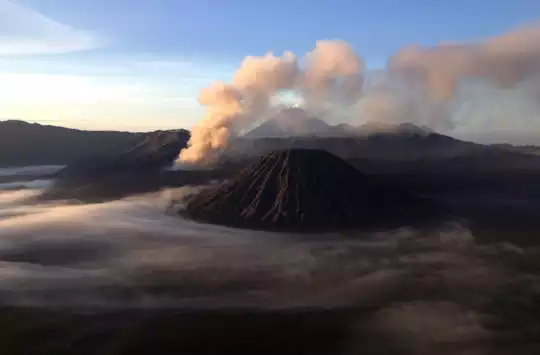
  5. Sunrise at the Arjuna temples and the festival’s morning atmosphere — Dawn over the ancient temple cluster with steam from nearby craters, low clouds and festival activity waking up is something I keep coming back for (personal favorite). The combination of sacred ruins, raw volcanic landscape and the buzz of local rituals/markets creates a mood that’s hard to replicate anywhere else.
Spotted a mistake or missing something? Contact us.

Things to do near Dieng Culture Festival

Ratings based on Tripadvisor reviews. When you book through this link, you support our work at no extra cost to you.

🌤️ When to go?When is the celebration of Dieng Culture Festival?


  • Topic: Weather – The Dieng Culture Festival happens during Indonesia’s dry season, typically in late July or early August. This means you’ll dodge the heavy rains that can turn trails into mudslides and festival grounds into sloppy messes. Expect crisp, clear skies perfect for trekking and photography.

  • Topic: Temperature – Dieng Plateau sits high, so nights can dip to 7°C (45°F), while days hover around 20°C (68°F). Pack layers. The cool mornings and evenings reward early risers with misty landscapes, but midday warmth keeps you moving without overheating.

  • Topic: Daylight Hours – Around 11 to 12 hours of daylight give you ample time to explore before and after festival events. Sunrise is early enough to catch the plateau’s famous morning fog lifting, a spectacle worth waking up for.
read more 👉

  • Topic: Weather – The Dieng Culture Festival happens during Indonesia’s dry season, typically in late July or early August. This means you’ll dodge the heavy rains that can turn trails into mudslides and festival grounds into sloppy messes. Expect crisp, clear skies perfect for trekking and photography.

  • Topic: Temperature – Dieng Plateau sits high, so nights can dip to 7°C (45°F), while days hover around 20°C (68°F). Pack layers. The cool mornings and evenings reward early risers with misty landscapes, but midday warmth keeps you moving without overheating.

  • Topic: Daylight Hours – Around 11 to 12 hours of daylight give you ample time to explore before and after festival events. Sunrise is early enough to catch the plateau’s famous morning fog lifting, a spectacle worth waking up for.

  • Topic: Crowds – The festival draws a solid crowd, but it’s not overwhelming. Arriving early in the dry season means you’ll avoid the peak tourist crush that hits later in August and September when Dieng’s natural attractions get busier.

  • Topic: Seasonal Activities – The festival coincides with the potato harvest and traditional rituals, adding layers to the experience. Timing your visit here means catching cultural performances and local markets at their liveliest.

  • Topic: Price Fluctuations – Expect accommodation and transport prices to spike during the festival window. Booking early locks in better rates and spares you last-minute stress. Outside the festival, prices drop but so does the cultural buzz.


Pro-tip: Aim for the first few days of the festival to enjoy cooler weather, smaller crowds, and the freshest cultural energy before the full surge hits.


source: climatestotravel.comJANJanuary: not recommended for travelingFEBFebruary: not recommended for travelingMARMarch: not recommended for travelingAPRApril: not recommended for travelingMAYMay: not recommended for travelingJUNJune: not recommended for travelingJULJuly: excellent for travelingAUGAugust: not recommended for travelingSEPSeptember: not recommended for travelingOCTOctober: not recommended for travelingNOVNovember: not recommended for travelingDECDecember: not recommended for traveling

✈️ The backpacker research shortcutIndonesia Travel Guide

An offline-friendly backpacking guide with optimized travel routes, ranked highlights, transport advice, and the best areas to stay.
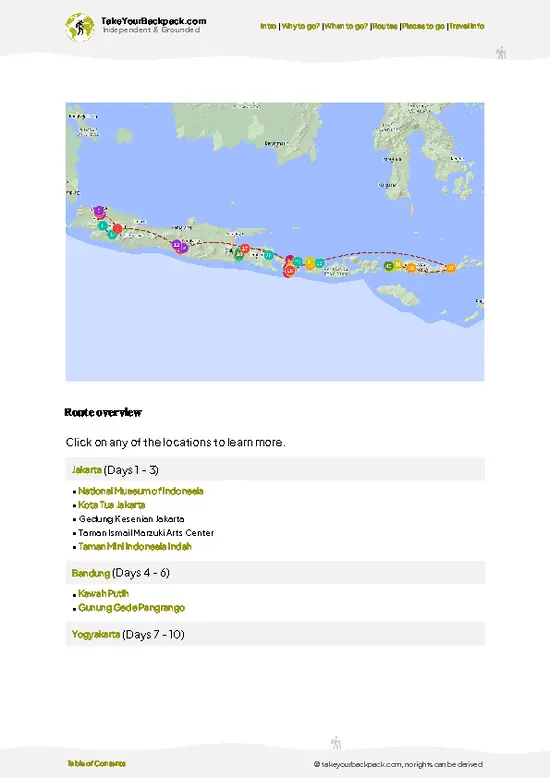
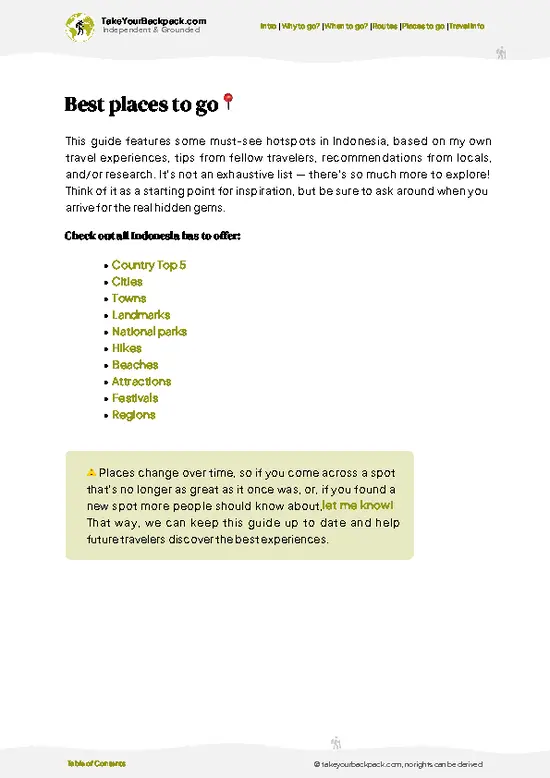
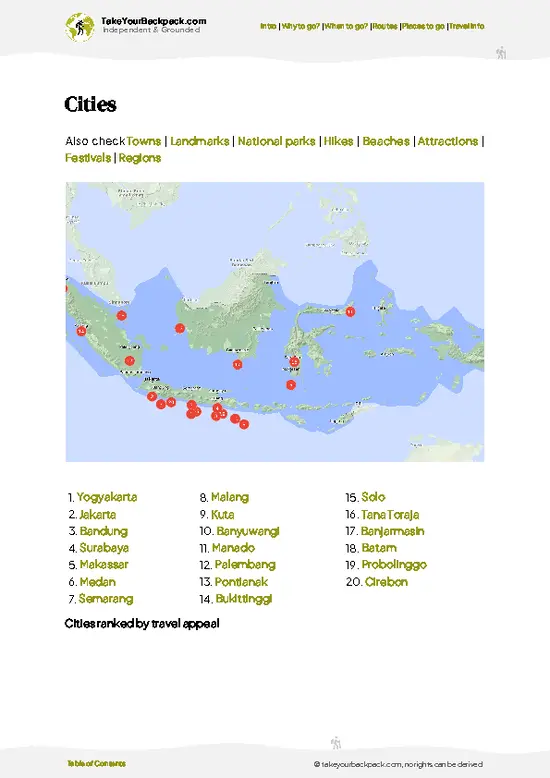
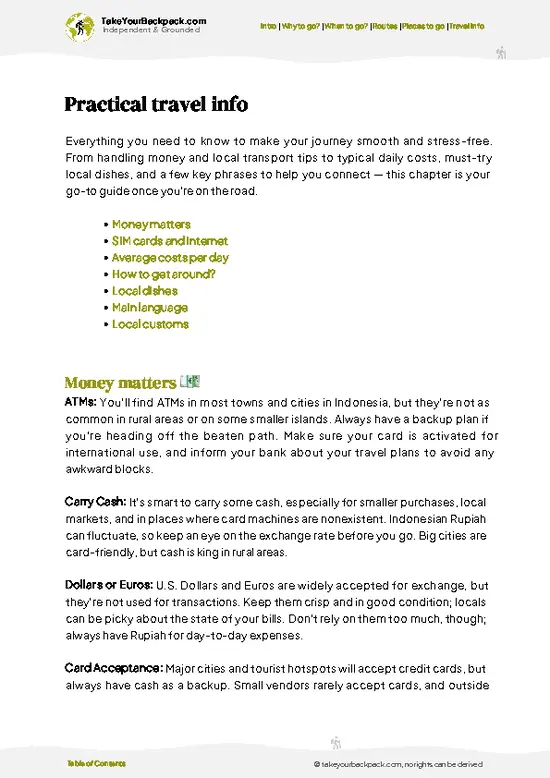
example page 0 from our offline Travel Guide for Indonesiaexample page 1 from our offline Travel Guide for Indonesiaexample page 2 from our offline Travel Guide for Indonesiaexample page 3 from our offline Travel Guide for Indonesiaexample page 4 from our offline Travel Guide for Indonesiaexample page 5 from our offline Travel Guide for Indonesiaexample page 6 from our offline Travel Guide for Indonesiaexample page 7 from our offline Travel Guide for Indonesia
The digital guide (550 pages) contains:
155 highlights, ranked by travel appeal
Optimized 14, 21 & 30-day travel routes
Cities, national parks, landmarks, beaches
How to get around
Offline-friendly for travel without Wi-Fi
👉 Click to see all 30+ guide features

📅 Plan smarter in minutes, not weeks
Month by month travel advice
Festivals & national holidays
Budget expectations

🗺️ Go to the right places, skip the overrated ones
Honest pros & cons of destinations
Top hikes, parks & viewpoints
Lesser-known places most travelers miss
Clear “worth it vs skip it” guidance

🛏️ Travel smoothly without rookie mistakes
Best areas to stay
Transport systems explained simply
Common scams & safety advice
SIM cards, money & practical tips

🌍 Understand the country, not just visit it
Culture & traditions
52 Essential phrases & customs
Festivals worth planning around
Traveler-friendly historical context
Insights that make places more meaningful

📱 Built for real travel conditions
Fully downloadable PDF
Works completely offline
Optimized for phone use
Useful in remote areas & buses
Everything in one place
Save weeks of stressful planning
Get instant access to your full guide. 30‑day money-back guarantee.


By proceeding you agree to our terms.
Sent to your inbox immediately after payment • 100% Secure Checkout
Best Backpacking Travel Advisor 2025 tourism awardBest Backpacking
Travel Advisor
2025
What others say about Take Your Backpack Guides:
⭐⭐⭐⭐⭐
Fantastic, amazing amount of information!
⭐⭐⭐⭐⭐
My goodness this is amazing, it's what I've been looking for hats off too you!
⭐⭐⭐⭐⭐
I think this is absolutely BRILLIANT
⭐⭐⭐⭐
Very complete and informative. It's still missing places, but I gotta to commend you
⭐⭐⭐⭐⭐
This is truly amazing, thank you, can't wait to explore it with my kids!
⭐⭐⭐⭐⭐
Awesome resource, thank you!
⭐⭐⭐⭐⭐
This is amazing! Can't wait to explore the ones I haven't seen
⭐⭐⭐⭐
I love this! Well done, great idea.
⭐⭐⭐⭐⭐
Thanks for taking the time to make this gem!
⭐⭐⭐⭐⭐
This might be the best website I've ever seen.
⭐⭐⭐⭐⭐
Congratulations, and thank you so much for your work; it's incredibly valuable.
⭐⭐⭐⭐
In all seriousness I think you did a great job pointing out the important spots
⭐⭐⭐⭐⭐
10/10 very good
⭐⭐⭐⭐⭐
As someone who's only just starting to visit regularly this is awesome, thank you.
⭐⭐⭐⭐
Thank you very much! I'm going to visit my dad, it's going to be very useful!
⭐⭐⭐⭐⭐
This is really cool! We'll be travelling for the first time and this definitely come in handy.
⭐⭐⭐⭐⭐
You are now our minister of culture, congratulations 👨‍💼
⭐⭐⭐⭐⭐
Just wanted to tell you that this is a pearl! Going to follow your recommendations.
⭐⭐⭐⭐⭐
This is so cool. I'll definitely be using the resource for my travels soon.
⭐⭐⭐⭐⭐
This is very impressive! Good work.
⭐⭐⭐⭐⭐
This is an amazing and informative site. Very well done!

🛏️ Where to stay?Choosing the right base

The Dieng Culture Festival is a vibrant explosion of local traditions, and where you choose to stay can amplify that experience. Head to Wonosobo, the nearest town, which buzzes with backpackers and locals alike. It’s a hub of activity, making it easy to connect with fellow travelers. The streets are lined with budget-friendly guesthouses, and the atmosphere is welcoming.

Another solid option is Dieng Plateau itself. Staying here puts you right in the heart of the festival. You’ll find simple homestays that offer a taste of local life. The views are breathtaking, and the community vibe is palpable. … read more 👉
The Dieng Culture Festival is a vibrant explosion of local traditions, and where you choose to stay can amplify that experience. Head to Wonosobo, the nearest town, which buzzes with backpackers and locals alike. It’s a hub of activity, making it easy to connect with fellow travelers. The streets are lined with budget-friendly guesthouses, and the atmosphere is welcoming.

Another solid option is Dieng Plateau itself. Staying here puts you right in the heart of the festival. You’ll find simple homestays that offer a taste of local life. The views are breathtaking, and the community vibe is palpable. Just be prepared for cooler temperatures at night—bring a warm layer!

If you’re feeling adventurous, consider Sikunir Hill. It’s a bit off the beaten path, but the sunrise views are worth it. You’ll find a few cozy lodges that cater to backpackers. The camaraderie among guests is electric, and you’ll likely share stories over a cup of local coffee.

Avoid the tourist traps by sticking to these areas. They’re safe, social, and budget-friendly, ensuring you save your energy and cash for the festival’s unforgettable moments.

👛 Costs (as of 5 December 2024)How expensive it really is

The Dieng Culture Festival in Indonesia is a vibrant celebration that can be a thrilling experience, but it’s essential to navigate the costs wisely to keep your adventure on track. Here’s a breakdown of what to expect:
  • Festival Tickets: Entry fees typically range from €5 to €15 ($6 to $18). Prices can vary based on the day and events you want to attend. Grab your tickets early to avoid last-minute price hikes.
  • Accommodation: Expect to pay between €15 and €50 ($18 to $60) per night for budget to mid-range options. Guesthouses and homestays are common, but book ahead, especially during the festival, as places fill up fast.
  • Local Transport: Budget around €2 to €10 ($2.50 to $12) for local transport. Buses and shared taxis are your best bets. Renting a scooter can cost about €5 to €10 ($6 to $12)
read more 👉
The Dieng Culture Festival in Indonesia is a vibrant celebration that can be a thrilling experience, but it’s essential to navigate the costs wisely to keep your adventure on track. Here’s a breakdown of what to expect:
  • Festival Tickets: Entry fees typically range from €5 to €15 ($6 to $18). Prices can vary based on the day and events you want to attend. Grab your tickets early to avoid last-minute price hikes.
  • Accommodation: Expect to pay between €15 and €50 ($18 to $60) per night for budget to mid-range options. Guesthouses and homestays are common, but book ahead, especially during the festival, as places fill up fast.
  • Local Transport: Budget around €2 to €10 ($2.50 to $12) for local transport. Buses and shared taxis are your best bets. Renting a scooter can cost about €5 to €10 ($6 to $12) per day, giving you the freedom to explore the area at your own pace.
  • Food & Drinks: Meals can range from €1 to €5 ($1.20 to $6) at local warungs (small eateries). Street food is delicious and budget-friendly. Don’t miss trying local specialties, but keep an eye on hygiene to avoid any surprises.
  • Miscellaneous Expenses: Set aside around €10 to €30 ($12 to $36) for souvenirs, entry fees to other attractions, or unexpected costs. This buffer will help you enjoy spontaneous adventures without stress.

By keeping these costs in mind, you’ll preserve your energy and budget for the moments that truly matter at the festival.


source: indonesia.travel
⚠️ Prices can change and everyone travels differently, so take this as a rough guide. Hope it helps you plan your adventure!

🍲 FoodLocal Flavors for Backpackers

At the Dieng Culture Festival, your taste buds are in for a wild ride. Street stalls burst with local specialties that scream authenticity. Dive into a bowl of nasi goreng—fried rice that’s a festival staple, often topped with a fried egg. Don’t miss tempeh—fermented soybeans that pack a punch of flavor and nutrition.

For a sweet treat, grab some dodol—a sticky, chewy confection made from rice flour and palm sugar. It’s a festival favorite, and the locals will tell you it’s a must-try. Pair it with a refreshing glass of es dawet, a sweet, green rice flour drink that cools you down while you soak in the vibrant atmosphere.

Be prepared for some quirks. Lines can get long, especially for the most popular stalls. Patience is key; it’s part of the experience. Cash is king here, so stash some … read more 👉
At the Dieng Culture Festival, your taste buds are in for a wild ride. Street stalls burst with local specialties that scream authenticity. Dive into a bowl of nasi goreng—fried rice that’s a festival staple, often topped with a fried egg. Don’t miss tempeh—fermented soybeans that pack a punch of flavor and nutrition.

For a sweet treat, grab some dodol—a sticky, chewy confection made from rice flour and palm sugar. It’s a festival favorite, and the locals will tell you it’s a must-try. Pair it with a refreshing glass of es dawet, a sweet, green rice flour drink that cools you down while you soak in the vibrant atmosphere.

Be prepared for some quirks. Lines can get long, especially for the most popular stalls. Patience is key; it’s part of the experience. Cash is king here, so stash some bills before you dive in. Serving sizes can be generous, so consider sharing dishes with fellow travelers to sample more flavors without overindulging.

Embrace the communal spirit—sharing food is a way to connect with locals and fellow festival-goers. Each bite is a step deeper into the heart of Dieng.

Other Indonesian festivals near Dieng Culture

Explore more nearby:

  • Rambu Solo—Toraja funerals, buffalo sacrifice, ancestral houses| 109 km away
  • Sekaten—Yogyakarta palace, gamelan music, sacred relics| 110 km away
  • Reog Ponorogo Festival—giant lion masks, trance dance, East Java folklore| 187 km away

💡 Not sure where to go next?
Create a personalized itinerary for Indonesia including Dieng Culture and the places that fit your trip.

Generate my itinerary

👉 Discover all festivals

Or checkout all Indonesia has to offer (think cities, towns, villages, national parks, hikes, beaches, festivals)
Country photo of Indonesia

We 💚 feedbackSumming up the experience

Dieng Culture Festival is a riot of color and sound, where ancient traditions pulse with life. You’ll feel the energy in the air as you dance among locals and savor street food that’s bursting with flavor. But here’s the kicker: altitude sickness can sneak up on you. Take it slow, hydrate, and acclimate. Embrace the challenge; it’s part of the adventure. This festival is a celebration of culture that’s worth every ounce of effort.

✈️ When did I visit Indonesia?
As part of my 1.5 year travel around the world trip, I visited Indonesia twice (and it was worth it. First in September 2015 and a bit later again in January and February 2016.

✍️ Help improve this page!
The information on this page is based on my own backpacking experience in Indonesia, supplemented with up-to-date research and feedback from other travelers. Travel details can change, so if you notice anything outdated or incomplete, feel free to let me know.


🙋‍♂️ Give feedback

👋 Meet the founderWho’s Behind Take Your Backpack?

Johan, backpacker and founder of TakeYourBackpackHi, I’m Johan (Netherlands 🇳🇱), the creator of TakeYourBackpack. Over the past decade, I’ve backpacked through 80+ countries across six continents, gaining extensive experience with independent travel, long-term trips, and overland routes.

This site is built on a combination of firsthand travel experience and carefully curated insights from other backpackers. Many guides are based on places I’ve personally visited, while others bring together tips, observations, and practical advice shared by trusted travelers I’ve met along the way.

The goal is to provide realistic, experience-driven guidance — not generic itineraries — so you can explore destinations with better context, clearer expectations, and more confidence.

Get full Indonesia guide •
Instant download • 155 highlights • Full Offline guide