
×

Indonesia🇮🇩 | attractionsBesakihMount Agung slopes, tiered meru shrines, mountain village | things to do and best time to go

Explore Ulun Danu BratanExplore Tirta Gangga

Backpacking in Besakih
By Johan Kruseman 🇳🇱 | Updated October 15, 2026

Besakih isn't the solitary spiritual retreat most travel blogs promise—it's a working temple complex where thousands of Balinese worshippers gather daily, making it far more alive and chaotic than serene. Perched on the slopes of Mount Agung in eastern Bali, this mother temple sprawls across terraced grounds that demand real exploration. The crowds are real, the heat is relentless, and the entrance fee stings, but the moment I stepped through the outer gates and felt the temperature drop beneath the canopy of ancient trees, with incense smoke curling past carved stone demons, the energy shifted entirely. This is where Balinese Hinduism actually lives, not where it's performed for tourists.

Discover everything you want to know in the 📖 Indonesia Travel Guide.


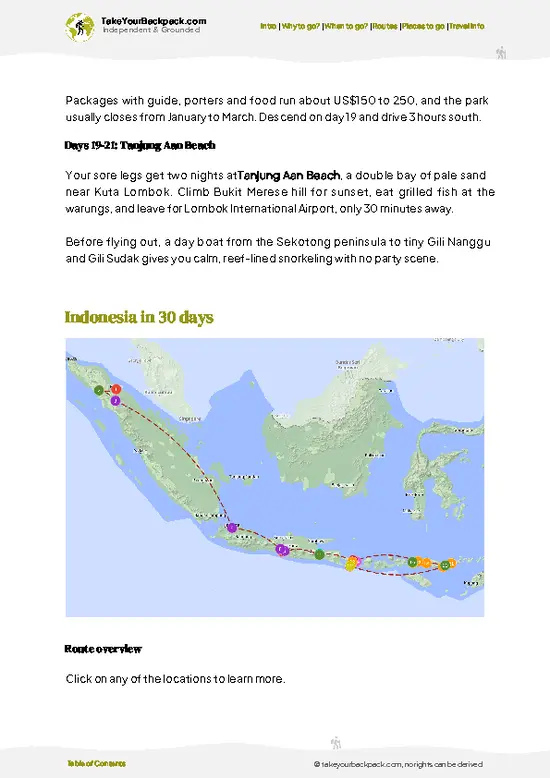
example page 0 from our offline Travel Guide for Indonesia
example page 1 from our offline Travel Guide for Indonesia
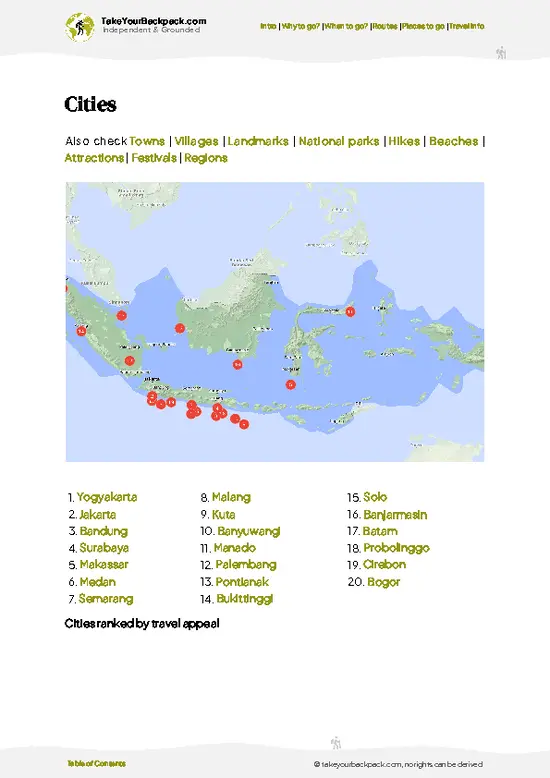
example page 2 from our offline Travel Guide for Indonesia
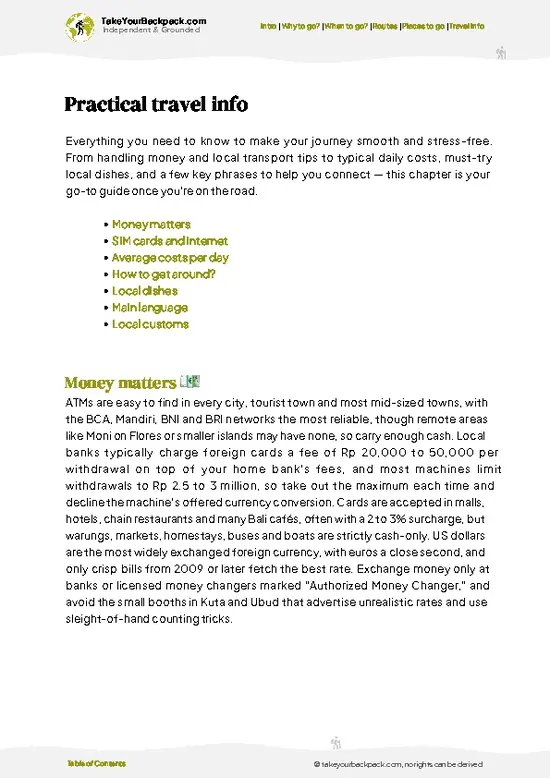
example page 3 from our offline Travel Guide for Indonesia
example page 4 from our offline Travel Guide for Indonesia
example page 5 from our offline Travel Guide for Indonesia
example page 6 from our offline Travel Guide for Indonesia
example page 7 from our offline Travel Guide for Indonesia
Loading the map 🌍
CLICK TO FILTER
cities
towns
villages
landmarks
national parks
hikes
beaches
attractions
festivals
regions
SHOW COUNTRY’S BESTSHOW ALL

✨ Why go?
Ranked #99 attraction in Indonesia
The unique appeal for travelers

Besakih draws backpackers seeking authentic spiritual immersion rather than postcard moments. As Bali's most sacred temple, it anchors the island's religious calendar and offers genuine insight into how Balinese Hindus practice their faith daily. The architectural complexity rivals any temple in Southeast Asia, with multiple courtyards, shrines, and carved gateways revealing layers of symbolism. For those routing through Bali, Besakih serves as a cultural checkpoint that reframes the island beyond beaches and rice terraces. The effort to reach it and navigate its scale rewards travelers willing to step beyond the tourist circuit.

💡 HighlightsWhat this place is best known for

  1. Pura Penataran Agung (Main Temple): The largest and most ornate courtyard, featuring a towering multi-tiered shrine (meru) that dominates the skyline. This is the spiritual heart and the most photographed section.
  2. The Outer Courtyard (Jaba Tengah): A vast open space where daily rituals occur and pilgrims gather. It offers breathing room and genuine glimpses of worship in action.
  3. Carved Stone Gateways (Candi Bentar): Intricate split-gate entrances between courtyards showcase Balinese stone carving at its finest, each one marking a transition into deeper sacred space.
  4. Mount Agung Views: On clear mornings, the volcano looms directly above the temple, creating a dramatic backdrop that reinforces the site's spiritual geography.
  5. Temple Festivals and Ceremonies: Attending an odalan (temple anniversary)
… read more 👉
  1. Pura Penataran Agung (Main Temple): The largest and most ornate courtyard, featuring a towering multi-tiered shrine (meru) that dominates the skyline. This is the spiritual heart and the most photographed section.
  2. The Outer Courtyard (Jaba Tengah): A vast open space where daily rituals occur and pilgrims gather. It offers breathing room and genuine glimpses of worship in action.
  3. Carved Stone Gateways (Candi Bentar): Intricate split-gate entrances between courtyards showcase Balinese stone carving at its finest, each one marking a transition into deeper sacred space.
  4. Mount Agung Views: On clear mornings, the volcano looms directly above the temple, creating a dramatic backdrop that reinforces the site's spiritual geography.
  5. Temple Festivals and Ceremonies: Attending an odalan (temple anniversary) or other ritual transforms the visit from sightseeing into participation. These happen throughout the year on different schedules.
  6. The Bathing Pools: Ritual purification pools fed by natural springs sit within the complex, used by worshippers and occasionally accessible to respectful visitors.
I'd start with the Outer Courtyard first—it gives you scale and context before climbing into the more enclosed, intense inner shrines. You'll see actual temple life unfolding rather than just architecture.
Spotted a mistake or missing something? Contact us.

Things to do around Besakih

Ratings based on Tripadvisor reviews. When you book through this link, you support our work at no extra cost to you.

🌤️ When to go?Seasonal considerations and timing

  • Dry Season (April to October): Best overall window. Temperatures range from 24 to 28°C (75 to 82°F). Trails are passable, visibility is clear, and crowds thin slightly midweek. Prices hold steady.
  • Wet Season (November to March): Afternoon downpours are common; temperatures hover around 26 to 30°C (79 to 86°F). Paths become slippery, but fewer tourists visit. Accommodation rates drop 15 to 25 percent.
  • Nyepi (Balinese New Year): Typically March or April. The temple closes to visitors for this sacred day, but the weeks before and after draw pilgrims and offer rare cultural access.
Visit midweek in the dry season to balance weather, accessibility, and manageable crowds.

source: climatestotravel.comJANJanuary: fair for travelingFEBFebruary: fair for travelingMARMarch: fair for travelingAPRApril: highly recommended for travelingMAYMay: excellent for travelingJUNJune: excellent for travelingJULJuly: highly recommended for travelingAUGAugust: highly recommended for travelingSEPSeptember: highly recommended for travelingOCTOctober: excellent for travelingNOVNovember: fair for travelingDECDecember: fair for traveling
when-to-go

✈️ The backpacker research shortcutIndonesia Travel Guide

An offline-friendly backpacking guide with optimized travel routes, ranked highlights, transport advice, and the best areas to stay.
example page 0 from our offline Travel Guide for Indonesia
example page 1 from our offline Travel Guide for Indonesia
example page 2 from our offline Travel Guide for Indonesia
example page 3 from our offline Travel Guide for Indonesia
example page 4 from our offline Travel Guide for Indonesia
example page 5 from our offline Travel Guide for Indonesia
example page 6 from our offline Travel Guide for Indonesia
example page 7 from our offline Travel Guide for Indonesia
The digital guide (460 pages) contains:
✅ 153 highlights, ranked by travel appeal
✅ Optimized 14, 21 & 30-day travel routes
✅ Cities, national parks, landmarks, beaches
✅ How to get around
✅ Offline-friendly for travel without Wi-Fi
👉 Click to see all 30+ guide features

📅 Plan smarter in minutes, not weeks
✅ Month by month travel advice
✅ Festivals & national holidays
✅ Budget expectations

🗺️ Go to the right places, skip the overrated ones
✅ Honest pros & cons of destinations
✅ Top hikes, parks & viewpoints
✅ Lesser-known places most travelers miss
✅ Clear “worth it vs skip it” guidance

🛏️ Travel smoothly without rookie mistakes
✅ Best areas to stay
✅ Transport systems explained simply
✅ Common scams & safety advice
✅ SIM cards, money & practical tips

🌍 Understand the country, not just visit it
✅ Culture & traditions
✅ 52 Essential phrases & customs
✅ Festivals worth planning around
✅ Traveler-friendly historical context
✅ Insights that make places more meaningful

📱 Built for real travel conditions
✅ Fully downloadable PDF
✅ Works completely offline
✅ Optimized for phone use
✅ Useful in remote areas & buses
✅ Everything in one place
Stop searching, start planning
Get instant access to your full guide. 30‑day money-back guarantee.
+ Add another guide for just

By proceeding you agree to our terms.
Sent to your inbox immediately after payment • 100% Secure Checkout
Best Backpacking Travel Advisor 2025 tourism awardBest Backpacking
Travel Advisor
2025
What others say about Take Your Backpack Guides:
⭐⭐⭐⭐⭐
Fantastic, amazing amount of information!
⭐⭐⭐⭐⭐
My goodness this is amazing, it's what I've been looking for hats off too you!
⭐⭐⭐⭐⭐
I think this is absolutely BRILLIANT
⭐⭐⭐⭐
Very complete and informative. It's still missing places, but I gotta to commend you
⭐⭐⭐⭐⭐
This is truly amazing, thank you, can't wait to explore it with my kids!
⭐⭐⭐⭐⭐
Awesome resource, thank you!
⭐⭐⭐⭐⭐
This is amazing! Can't wait to explore the ones I haven't seen
⭐⭐⭐⭐
I love this! Well done, great idea.
⭐⭐⭐⭐⭐
Thanks for taking the time to make this gem!
⭐⭐⭐⭐⭐
This might be the best website I've ever seen.
⭐⭐⭐⭐⭐
Congratulations, and thank you so much for your work; it's incredibly valuable.
⭐⭐⭐⭐
In all seriousness I think you did a great job pointing out the important spots
⭐⭐⭐⭐⭐
10/10 very good
⭐⭐⭐⭐⭐
As someone who's only just starting to visit regularly this is awesome, thank you.
⭐⭐⭐⭐
Thank you very much! I'm going to visit my dad, it's going to be very useful!
⭐⭐⭐⭐⭐
This is really cool! We'll be travelling for the first time and this definitely come in handy.
⭐⭐⭐⭐⭐
You are now our minister of culture, congratulations 👨‍💼
⭐⭐⭐⭐⭐
Just wanted to tell you that this is a pearl! Going to follow your recommendations.
⭐⭐⭐⭐⭐
This is so cool. I'll definitely be using the resource for my travels soon.
⭐⭐⭐⭐⭐
This is very impressive! Good work.
⭐⭐⭐⭐⭐
This is an amazing and informative site. Very well done!

🛏️ Where to stay?Best areas and accommodation options

Base yourself in Kintamani, a mountain village 8 kilometers downhill from Besakih, where guesthouses and budget hostels cluster around the town center. It's cooler than lowland Bali, walkable, and home to other attractions like Lake Batur and coffee plantations. Alternatively, Ubud lies 45 kilometers southwest and offers more social backpacker infrastructure, though you'll need transport to Besakih. Both towns have reliable minibus connections to the temple. Kintamani suits those seeking quiet and proximity; Ubud suits those wanting nightlife and a larger traveler community. Either way, plan a full day for the temple visit itself.

👛 Costs (as of 15 October 2026)What things cost and how to budget

Visiting Besakih costs roughly USD 4 to 6 for the entrance fee, though sarongs and sashes required for entry may incur small rental charges. Transport, meals, and accommodation dominate your actual spending.
CategoryBudget RangeLocal Reality
Temple Entrance FeeUSD 4 to 6Fixed price; sarong rental adds USD 1 to 2 if you don't bring one
Transport (Minibus from Kintamani)USD 2 to 4 returnShared vans depart regularly; negotiate or use ride-apps for fixed rates
Meals in KintamaniUSD 2 to 5 per mealWarungs serve rice, noodles, and local dishes; tourist cafes cost more
Budget Accommodation (Kintamani)USD 8 to 15 per nightBasic guesthouses with fans; air-con adds USD 3 to 5
The temple itself is affordable; your budget stretches further in Kintamani than in Ubud or beachside towns.

source: indonesia.travel
⚠️ Prices can change and everyone travels differently, so take this as a rough guide. Hope it helps you plan your adventure!

FAQTraveler FAQ

Plan 2 to 3 hours for a thorough visit, though many backpackers spend only 1 to 1.5 hours rushing through the main courtyards. The temple sits at 250 meters elevation on Mount Agung's slope, so the climb is gradual but sustained. Early morning visits (before 8 a.m.) mean fewer crowds and cooler temperatures, making the experience far more rewarding.
Yes, if you approach it as a cultural and spiritual site rather than a photo checklist. The entrance fee of around 30,000 IDR (USD 2) is among Indonesia's cheapest major temple entries. The real value lies in witnessing active Hindu ceremonies and the temple's architectural complexity, which justify the modest cost and effort.
From Ubud, take a minibus or hire a driver for the 1.5 to 2-hour journey northeast to Besakih village. Public transport is limited; most backpackers either book a tour (USD 25 to 40 per person) or split a private driver rental (USD 40 to 60 for a group). The temple entrance is a short walk uphill from the parking area at the base of the complex.
⚠️ Things can change over time, so always validate details locally before you go.

Other Indonesian attractions near Besakih

Explore more nearby:

  • Besakih Temple—Pura Penataran Agung, 23 temples, Hindu ceremonies, guide fees| 0 km away
  • Tirta Gangga—water palace, koi ponds, stone fountains| 16 km away
  • Tirta Empul Temple—spring-fed pools, ritual bathing, Balinese architecture| 16 km away

💡 Not sure where to go next?
Create a personalized itinerary for Indonesia including Besakih and the places that fit your trip.

Generate my itinerary

👉 Discover all attractions

Or checkout all Indonesia has to offer (think cities, towns, villages, national parks, hikes, beaches, festivals)
Country photo of Indonesia

We 💚 feedbackParting advice and final tips

Besakih rewards the effort with genuine spiritual atmosphere and architectural grandeur that few other temples in Southeast Asia match. The main drawback is the steep climb through multiple courtyards in tropical heat, which leaves many visitors exhausted before reaching the upper sanctums where the real visual payoff lives.

✈️ When did I visit Indonesia?
As part of my 1.5 year travel around the world trip, I visited Indonesia twice (and it was worth it): first in September 2015 and a bit later again in January and February 2016.

✍️ Help improve this page!
The information on this page is based on my own backpacking experience in Indonesia, supplemented with up-to-date research and feedback from other travelers. Travel details can change, so if you notice anything outdated or incomplete, feel free to let me know.


🙋‍♂️ Give feedback

👋 Meet the founderWho’s Behind Take Your Backpack?

Johan, backpacker and founder of TakeYourBackpackHi, I’m Johan (Netherlands 🇳🇱), the creator of TakeYourBackpack. Over the past 3 decades, I’ve backpacked through 90+ countries across six continents, gaining extensive experience with independent travel, long-term trips, and overland routes.

This site is built on a combination of firsthand travel experience and carefully curated insights from other backpackers. Many guides are based on places I’ve personally visited, while others bring together tips, observations, and practical advice shared by trusted travelers I’ve met along the way.

The goal is to provide realistic, experience-driven guidance — not generic itineraries — so you can explore destinations with better context, clearer expectations, and more confidence.