
×

Indonesia🇮🇩 | attractionsBesakih TemplePura Penataran Agung, 23 temples, Hindu ceremonies, guide fees | things to do and best time to go

Explore Tirta Empul TempleExplore Jakarta History Museum

Backpacking in Besakih Temple
🌟 Highlightattraction ranked #9
By Johan Kruseman 🇳🇱 | Updated October 15, 2026

Most visitors miss the intricate stone water channels carved into Besakih Temple's courtyards, a hydraulic system that still directs ritual water flows centuries after construction. Perched on the slopes of Mount Agung in eastern Bali, Besakih is Indonesia's largest and most sacred Hindu temple complex, a sprawling sanctuary of black lava stone and towering gates that commands the landscape. The crowds are real and the entrance fee stings, but step past the tour groups and you discover something genuinely powerful: a living temple where thousands of Balinese Hindus still worship daily. I remember standing in the inner sanctum at dawn, incense smoke curling through shafts of light, when a priest pressed a blessed flower into my palm without breaking stride. That moment crystallized why Besakih matters. It's not a museum piece; it's a functioning spiritual center that happens to welcome outsiders, and that distinction changes everything about how you experience it.

Discover everything you want to know in the 📖 Indonesia Travel Guide.


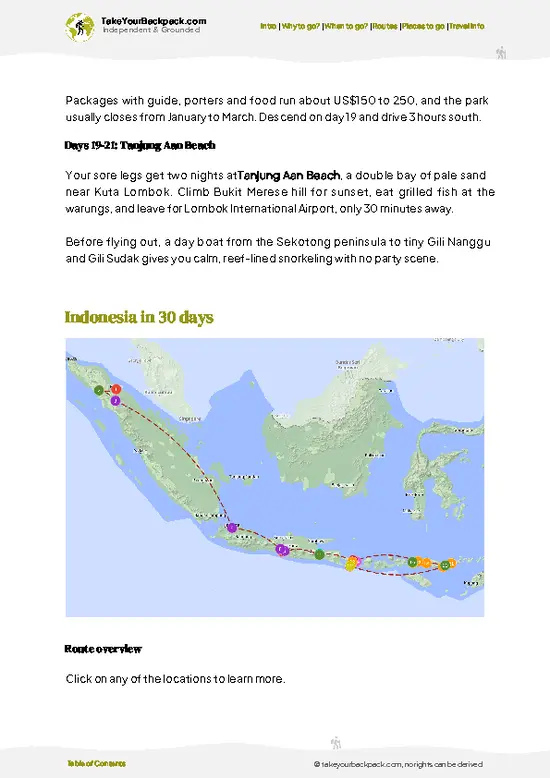
example page 0 from our offline Travel Guide for Indonesia
example page 1 from our offline Travel Guide for Indonesia
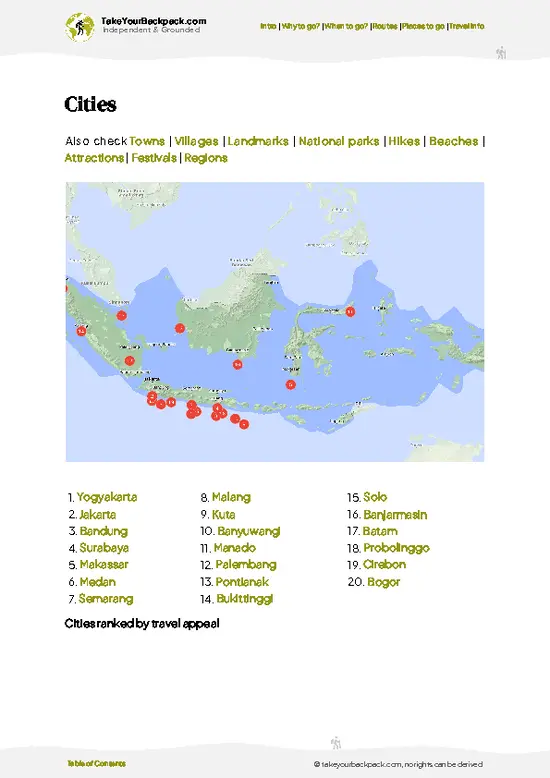
example page 2 from our offline Travel Guide for Indonesia
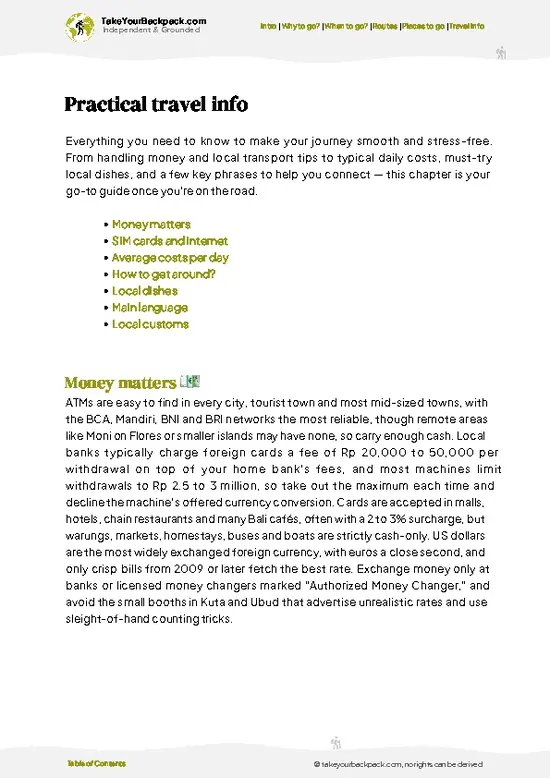
example page 3 from our offline Travel Guide for Indonesia
example page 4 from our offline Travel Guide for Indonesia
example page 5 from our offline Travel Guide for Indonesia
example page 6 from our offline Travel Guide for Indonesia
example page 7 from our offline Travel Guide for Indonesia
Loading the map 🌍
CLICK TO FILTER
cities
towns
villages
landmarks
national parks
hikes
beaches
attractions
festivals
regions
SHOW COUNTRY’S BESTSHOW ALL

✨ Why go?
Ranked #9 attraction in Indonesia
Why Besakih Temple should be on your travel list

Besakih Temple anchors Bali's spiritual identity and serves as the essential pilgrimage site for understanding Hindu-Balinese culture. The complex represents centuries of architectural and religious evolution, with its nested courtyards, intricate carvings, and symbolic layout reflecting cosmological principles that still guide daily worship. For backpackers, it's a major milestone on any Bali route, offering a counterpoint to the island's beach tourism and party scene. The temple demands respect and rewards curiosity: you'll encounter active rituals, meet local devotees, and witness traditions that feel worlds apart from the resort circuit. The scale alone justifies the journey. Besakih isn't a quick photo stop; it's a place where you can sit, observe, and begin to grasp how deeply spirituality … read more 👉
Besakih Temple anchors Bali's spiritual identity and serves as the essential pilgrimage site for understanding Hindu-Balinese culture. The complex represents centuries of architectural and religious evolution, with its nested courtyards, intricate carvings, and symbolic layout reflecting cosmological principles that still guide daily worship. For backpackers, it's a major milestone on any Bali route, offering a counterpoint to the island's beach tourism and party scene. The temple demands respect and rewards curiosity: you'll encounter active rituals, meet local devotees, and witness traditions that feel worlds apart from the resort circuit. The scale alone justifies the journey. Besakih isn't a quick photo stop; it's a place where you can sit, observe, and begin to grasp how deeply spirituality shapes Balinese life. It's the kind of attraction that reshapes how you see the island.

💡 HighlightsWhat this place is best known for

  1. Pura Penataran Agung (Main Temple) The heart of Besakih, this towering sanctuary sits at the complex's highest point and houses the most sacred shrines. Its multi-tiered roofs and intricate stone carvings represent the pinnacle of Balinese temple architecture. Access requires climbing steep stone steps and observing strict dress codes, but the views and spiritual intensity justify the effort.
  2. The Courtyards and Water Channels Besakih's nested courtyards descend in tiers, each separated by ornate gates and connected by those hidden water channels. Walking through them reveals the temple's hydraulic sophistication and offers quieter moments away from the main crowds.
  3. Stone Carvings and Reliefs Black lava stone throughout the complex bears intricate carvings depicting Hindu epics, protective demons,
… read more 👉
  1. Pura Penataran Agung (Main Temple) The heart of Besakih, this towering sanctuary sits at the complex's highest point and houses the most sacred shrines. Its multi-tiered roofs and intricate stone carvings represent the pinnacle of Balinese temple architecture. Access requires climbing steep stone steps and observing strict dress codes, but the views and spiritual intensity justify the effort.
  2. The Courtyards and Water Channels Besakih's nested courtyards descend in tiers, each separated by ornate gates and connected by those hidden water channels. Walking through them reveals the temple's hydraulic sophistication and offers quieter moments away from the main crowds.
  3. Stone Carvings and Reliefs Black lava stone throughout the complex bears intricate carvings depicting Hindu epics, protective demons, and sacred symbols. Many date back centuries and show remarkable detail despite weathering and age.
  4. Mount Agung Views On clear days, the temple's elevated position offers sweeping views of Bali's highest volcano. The backdrop transforms the temple experience, especially at sunrise or late afternoon when light angles across the slopes.
  5. Ritual Observations Witnessing daily prayers, offerings, and ceremonies provides insight into living Hindu practice. Balinese devotees move through the temple with purpose and reverence, and respectful observation reveals layers of meaning invisible to casual visitors.
  6. The Outer Courtyards Less crowded than the inner sanctum, these areas still contain significant shrines and offer space to sit, absorb the atmosphere, and watch pilgrims move through their routines.
I'd visit the Pura Penataran Agung first because it anchors everything else. Once you've climbed to the main temple and felt the scale of the complex, the other courtyards and details fall into perspective, and you understand why Besakih commands such reverence in Balinese culture.
Spotted a mistake or missing something? Contact us.

Things to do around Besakih Temple

Ratings based on Tripadvisor reviews. When you book through this link, you support our work at no extra cost to you.

🌤️ When to go?Best time to visit Besakih Temple

  • Dry Season (April to October): Best overall window. Temperatures range from 24 to 28°C (75 to 82°F), with minimal rain and clear skies ideal for photography and exploring the temple grounds. Crowds peak during July and August when European and Australian school holidays align. Prices for accommodation and tours rise 15 to 25 percent during these months.
  • Wet Season (November to March): Fewer tourists, lower prices, and lush green surroundings, but afternoon downpours are frequent and unpredictable. Temperatures hover around 26 to 30°C (79 to 86°F) with high humidity. Some temple areas may be slippery or temporarily closed for maintenance.
  • Odalan Festival (varies by lunar calendar): Besakih celebrates its anniversary with elaborate ceremonies, music, and offerings. Visiting during Odalan offers
… read more 👉
  • Dry Season (April to October): Best overall window. Temperatures range from 24 to 28°C (75 to 82°F), with minimal rain and clear skies ideal for photography and exploring the temple grounds. Crowds peak during July and August when European and Australian school holidays align. Prices for accommodation and tours rise 15 to 25 percent during these months.
  • Wet Season (November to March): Fewer tourists, lower prices, and lush green surroundings, but afternoon downpours are frequent and unpredictable. Temperatures hover around 26 to 30°C (79 to 86°F) with high humidity. Some temple areas may be slippery or temporarily closed for maintenance.
  • Odalan Festival (varies by lunar calendar): Besakih celebrates its anniversary with elaborate ceremonies, music, and offerings. Visiting during Odalan offers an unfiltered view of Balinese Hindu practice, though crowds intensify and accommodation books weeks ahead.
Visit in late April or early May to catch the tail end of dry season without peak summer crowds.


source: climatestotravel.comJANJanuary: fair for travelingFEBFebruary: fair for travelingMARMarch: good for travelingAPRApril: highly recommended for travelingMAYMay: excellent for travelingJUNJune: highly recommended for travelingJULJuly: good for travelingAUGAugust: good for travelingSEPSeptember: excellent for travelingOCTOctober: highly recommended for travelingNOVNovember: fair for travelingDECDecember: fair for traveling
when-to-go

✈️ The backpacker research shortcutIndonesia Travel Guide

An offline-friendly backpacking guide with optimized travel routes, ranked highlights, transport advice, and the best areas to stay.
example page 0 from our offline Travel Guide for Indonesia
example page 1 from our offline Travel Guide for Indonesia
example page 2 from our offline Travel Guide for Indonesia
example page 3 from our offline Travel Guide for Indonesia
example page 4 from our offline Travel Guide for Indonesia
example page 5 from our offline Travel Guide for Indonesia
example page 6 from our offline Travel Guide for Indonesia
example page 7 from our offline Travel Guide for Indonesia
The digital guide (460 pages) contains:
✅ 153 highlights, ranked by travel appeal
✅ Optimized 14, 21 & 30-day travel routes
✅ Cities, national parks, landmarks, beaches
✅ How to get around
✅ Offline-friendly for travel without Wi-Fi
👉 Click to see all 30+ guide features

📅 Plan smarter in minutes, not weeks
✅ Month by month travel advice
✅ Festivals & national holidays
✅ Budget expectations

🗺️ Go to the right places, skip the overrated ones
✅ Honest pros & cons of destinations
✅ Top hikes, parks & viewpoints
✅ Lesser-known places most travelers miss
✅ Clear “worth it vs skip it” guidance

🛏️ Travel smoothly without rookie mistakes
✅ Best areas to stay
✅ Transport systems explained simply
✅ Common scams & safety advice
✅ SIM cards, money & practical tips

🌍 Understand the country, not just visit it
✅ Culture & traditions
✅ 52 Essential phrases & customs
✅ Festivals worth planning around
✅ Traveler-friendly historical context
✅ Insights that make places more meaningful

📱 Built for real travel conditions
✅ Fully downloadable PDF
✅ Works completely offline
✅ Optimized for phone use
✅ Useful in remote areas & buses
✅ Everything in one place
Stop searching, start planning
Get instant access to your full guide. 30‑day money-back guarantee.
+ Add another guide for just

By proceeding you agree to our terms.
Sent to your inbox immediately after payment • 100% Secure Checkout
Best Backpacking Travel Advisor 2025 tourism awardBest Backpacking
Travel Advisor
2025
What others say about Take Your Backpack Guides:
⭐⭐⭐⭐⭐
Fantastic, amazing amount of information!
⭐⭐⭐⭐⭐
My goodness this is amazing, it's what I've been looking for hats off too you!
⭐⭐⭐⭐⭐
I think this is absolutely BRILLIANT
⭐⭐⭐⭐
Very complete and informative. It's still missing places, but I gotta to commend you
⭐⭐⭐⭐⭐
This is truly amazing, thank you, can't wait to explore it with my kids!
⭐⭐⭐⭐⭐
Awesome resource, thank you!
⭐⭐⭐⭐⭐
This is amazing! Can't wait to explore the ones I haven't seen
⭐⭐⭐⭐
I love this! Well done, great idea.
⭐⭐⭐⭐⭐
Thanks for taking the time to make this gem!
⭐⭐⭐⭐⭐
This might be the best website I've ever seen.
⭐⭐⭐⭐⭐
Congratulations, and thank you so much for your work; it's incredibly valuable.
⭐⭐⭐⭐
In all seriousness I think you did a great job pointing out the important spots
⭐⭐⭐⭐⭐
10/10 very good
⭐⭐⭐⭐⭐
As someone who's only just starting to visit regularly this is awesome, thank you.
⭐⭐⭐⭐
Thank you very much! I'm going to visit my dad, it's going to be very useful!
⭐⭐⭐⭐⭐
This is really cool! We'll be travelling for the first time and this definitely come in handy.
⭐⭐⭐⭐⭐
You are now our minister of culture, congratulations 👨‍💼
⭐⭐⭐⭐⭐
Just wanted to tell you that this is a pearl! Going to follow your recommendations.
⭐⭐⭐⭐⭐
This is so cool. I'll definitely be using the resource for my travels soon.
⭐⭐⭐⭐⭐
This is very impressive! Good work.
⭐⭐⭐⭐⭐
This is an amazing and informative site. Very well done!

🛏️ Where to stay?Choosing the right base

Besakih sits in the mountain village of Kintamani, a cooler, quieter region than Bali's beach towns. The village itself offers basic guesthouses and homestays popular with budget travelers, with prices ranging from USD 8 to 20 per night. Kintamani's elevation (around 900 meters) means cooler temperatures and fewer party crowds, attracting backpackers seeking a slower pace. The trade-off is isolation: restaurants and nightlife are minimal, and you'll rely on scooters or arranged transport to reach the temple. Ubud, about 45 minutes south, offers more social backpacker infrastructure, better food … read more 👉
Besakih sits in the mountain village of Kintamani, a cooler, quieter region than Bali's beach towns. The village itself offers basic guesthouses and homestays popular with budget travelers, with prices ranging from USD 8 to 20 per night. Kintamani's elevation (around 900 meters) means cooler temperatures and fewer party crowds, attracting backpackers seeking a slower pace. The trade-off is isolation: restaurants and nightlife are minimal, and you'll rely on scooters or arranged transport to reach the temple. Ubud, about 45 minutes south, offers more social backpacker infrastructure, better food variety, and easier onward travel, though it's busier and pricier. Staying in Kintamani puts you close to Besakih and other highland attractions like Lake Batur and coffee plantations, making it a logical base for 2 to 3 days of exploration. If you prefer more amenities and social energy, Ubud works as a day trip base, though you'll spend time commuting.

👛 Costs (as of 15 October 2026)What things cost and how to budget

Visiting Besakih Temple costs between USD 30 and 50 total, with the entrance fee being the largest expense. Here's what to budget:
CategoryBudget RangeLocal Reality
Entrance FeeUSD 15 to 25Official price is around USD 15 for foreign adults; some sources cite USD 25 depending on exchange rates and current policy. Payment is cash only at the gate.
Sarong RentalUSD 2 to 4Required for entry if you don't have appropriate clothing. Rentals are available at the entrance; deposits are refundable.
Guide (Optional)USD 10 to 20Hiring a local guide enriches the experience significantly. Guides wait at the entrance and typically charge USD 10 to 20 for a 1.5 to 2 hour tour in English.
Transport from UbudUSD 8 to 15Scooter rental is USD 5 to 8 per day; organized tours from Ubud run USD 25 to 40 per person including
… read more 👉
Visiting Besakih Temple costs between USD 30 and 50 total, with the entrance fee being the largest expense. Here's what to budget:
CategoryBudget RangeLocal Reality
Entrance FeeUSD 15 to 25Official price is around USD 15 for foreign adults; some sources cite USD 25 depending on exchange rates and current policy. Payment is cash only at the gate.
Sarong RentalUSD 2 to 4Required for entry if you don't have appropriate clothing. Rentals are available at the entrance; deposits are refundable.
Guide (Optional)USD 10 to 20Hiring a local guide enriches the experience significantly. Guides wait at the entrance and typically charge USD 10 to 20 for a 1.5 to 2 hour tour in English.
Transport from UbudUSD 8 to 15Scooter rental is USD 5 to 8 per day; organized tours from Ubud run USD 25 to 40 per person including transport and guide.
Food and DrinksUSD 3 to 8Simple meals in Kintamani cost USD 2 to 4; bottled water is USD 0.50 to 1. Restaurants near the temple charge tourist markups.
The entrance fee is non-negotiable, but hiring a guide is worth the investment. Without one, you'll miss the symbolic meanings embedded in the architecture and rituals.


source: indonesia.travel
⚠️ Prices can change and everyone travels differently, so take this as a rough guide. Hope it helps you plan your adventure!

FAQCommon questions from travelers

Most backpackers spend 2 to 3 hours at Besakih, though you can extend that to a full morning or afternoon if you hire a guide and want to observe rituals or sit quietly in the courtyards. The main temple complex is compact, but the nested courtyards and multiple shrines reward slower exploration. If you're staying in Kintamani, you can visit at dawn to avoid crowds and catch the temple in better light.
Yes, the entrance fee is worth it because Besakih is a functioning spiritual center, not a museum, and your payment supports temple maintenance and preservation. You'll witness active worship, intricate stone carvings, and architectural details that reveal centuries of Hindu-Balinese tradition. The fee is modest compared to other major temples in Southeast Asia, and the experience is substantially more authentic than many tourist-focused attractions.
From Ubud, rent a scooter (USD 5 to 8 per day) and drive northeast for about 45 minutes via the mountain road, or book an organized tour (USD 25 to 40 per person including transport and guide). From Kintamani village, the temple is a 10 to 15 minute scooter ride uphill. Public transport is limited, so a scooter or tour is essential. The road is paved but winding; allow extra time if you're unfamiliar with mountain driving.
⚠️ Things can change over time, so always validate details locally before you go.

Other Indonesian attractions near Besakih Temple

Explore more nearby:

  • Besakih—Mount Agung slopes, tiered meru shrines, mountain village| 0 km away
  • Tirta Gangga—water palace, koi ponds, stone fountains| 15 km away
  • Tirta Empul Temple—spring-fed pools, ritual bathing, Balinese architecture| 16 km away

💡 Not sure where to go next?
Create a personalized itinerary for Indonesia including Besakih Temple and the places that fit your trip.

Generate my itinerary

👉 Discover all attractions

Or checkout all Indonesia has to offer (think cities, towns, villages, national parks, hikes, beaches, festivals)
Country photo of Indonesia

We 💚 feedbackSumming up the experience

Besakih Temple justifies the entrance fee because it's one of the few places in Bali where you can witness active Hindu spirituality rather than tourism theater. The main drawback is crowds during peak season and the steep climb to the inner sanctum, which can feel rushed if you're not prepared for the physical demand. Go early, hire a guide, and you'll leave with a genuine understanding of Balinese culture.

✈️ When did I visit Indonesia?
As part of my 1.5 year travel around the world trip, I visited Indonesia twice (and it was worth it): first in September 2015 and a bit later again in January and February 2016.

✍️ Help improve this page!
The information on this page is based on my own backpacking experience in Indonesia, supplemented with up-to-date research and feedback from other travelers. Travel details can change, so if you notice anything outdated or incomplete, feel free to let me know.


🙋‍♂️ Give feedback

👋 Meet the founderWho’s Behind Take Your Backpack?

Johan, backpacker and founder of TakeYourBackpackHi, I’m Johan (Netherlands 🇳🇱), the creator of TakeYourBackpack. Over the past 3 decades, I’ve backpacked through 90+ countries across six continents, gaining extensive experience with independent travel, long-term trips, and overland routes.

This site is built on a combination of firsthand travel experience and carefully curated insights from other backpackers. Many guides are based on places I’ve personally visited, while others bring together tips, observations, and practical advice shared by trusted travelers I’ve met along the way.

The goal is to provide realistic, experience-driven guidance — not generic itineraries — so you can explore destinations with better context, clearer expectations, and more confidence.