


×

Indonesia🇮🇩 | townsFakfakBomberai coast, nutmeg trade, rock paintings, Bird’s Head south | things to do and best time to go

Explore LarantukaExplore Senggigi

Backpacking in Fakfak
👀 For curious travelerstown ranked #10
By Johan Kruseman 🇳🇱 | Updated October 15, 2026

The fishermen here still use traditional wooden boats called pinisi, built by hand using methods passed down for centuries, yet most travelers never see them because they arrive after dawn. Fakfak sits on the Bird's Head Peninsula in far western Papua, Indonesia, a region most backpackers skip entirely. The town itself is small, quiet, and genuinely off the beaten path. Getting here requires commitment: a flight from Manado or Sorong, then a bumpy overland journey. What you find is a working port town with no tourist infrastructure to speak of, which means no crowds, no inflated prices, and no pretense. The social scene is minimal; hostels are sparse and evenings are slow. This is a place to explore if you crave authentic encounters and don't mind roughing it. Compared to the tourist hubs of Bali or the Gili Islands, Fakfak feels like stepping into a different Indonesia entirely.

Discover everything you want to know in the 📖 Indonesia Travel Guide.


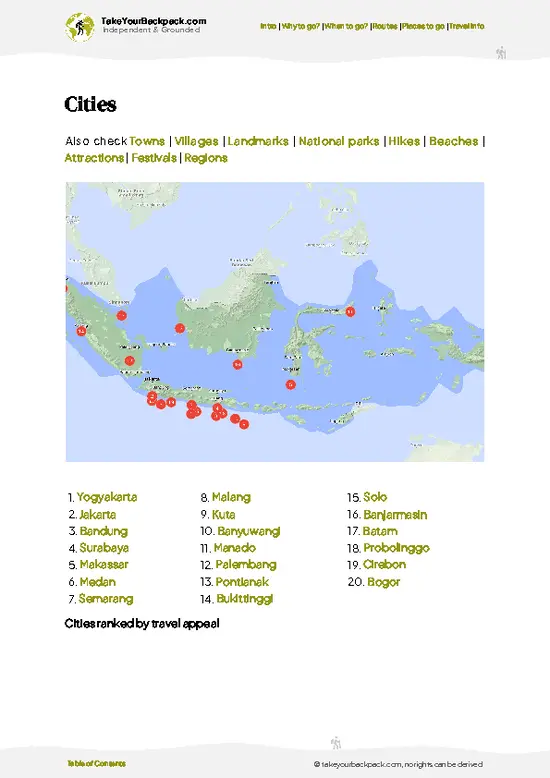
example page 0 from our offline Travel Guide for Indonesia
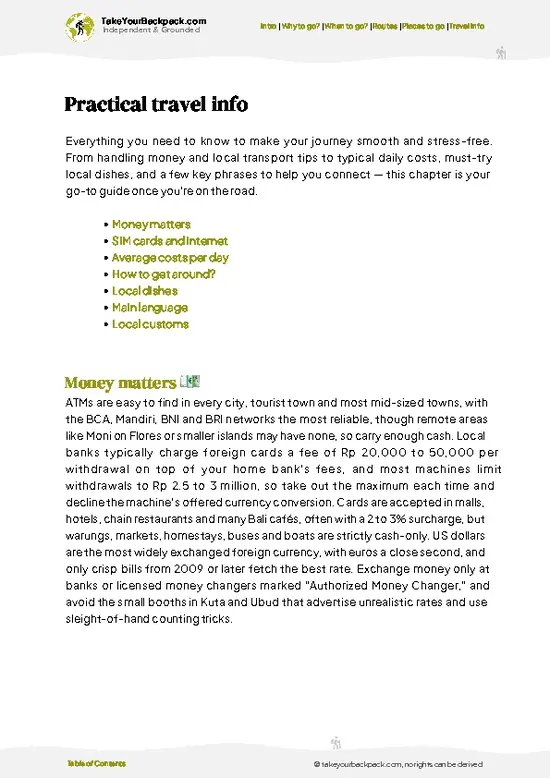
example page 1 from our offline Travel Guide for Indonesia
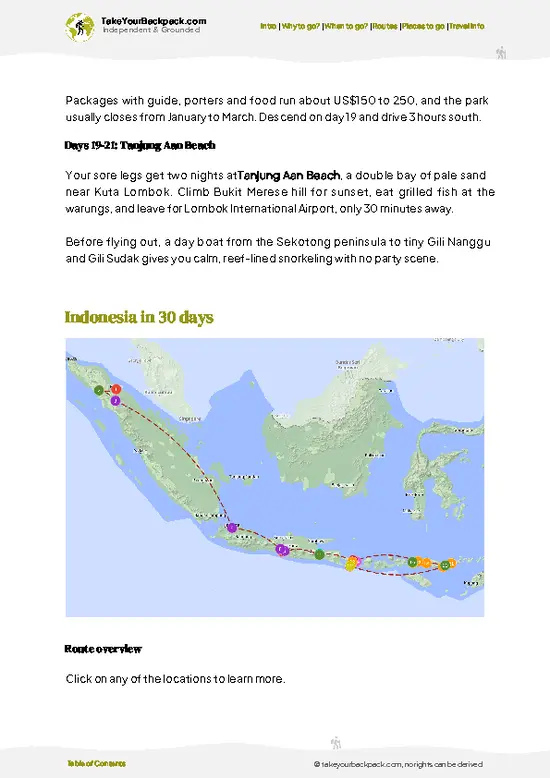
example page 2 from our offline Travel Guide for Indonesia
example page 3 from our offline Travel Guide for Indonesia
example page 4 from our offline Travel Guide for Indonesia
example page 5 from our offline Travel Guide for Indonesia
example page 6 from our offline Travel Guide for Indonesia
example page 7 from our offline Travel Guide for Indonesia
Loading the map 🌍
CLICK TO FILTER
cities
towns
villages
landmarks
national parks
hikes
beaches
attractions
festivals
regions
SHOW COUNTRY’S BESTSHOW ALL

✨ Why go?
Ranked #10 town in Indonesia
What makes this town worth visiting

Fakfak works best for backpackers seeking an authentic, off-the-radar Indonesian experience without the crowds of Bali or Lombok. The town serves as a gateway to Raja Ampat's islands and nearby diving sites, making it ideal for those combining coastal exploration with cultural immersion. Most travelers stay 2 to 4 days, using Fakfak as a base for boat trips, snorkeling, and village visits rather than lingering in town itself. The social scene is quiet and low-key; hostels and guesthouses cater to small groups and solo travelers who prefer genuine local interaction over party atmospheres. You'll meet other backpackers at breakfast or on shared boat tours, but evenings feel relaxed and unhurried. Fakfak suits slow travelers, divers, and anyone tired of Indonesia's tourist circuit who want to … read more 👉
Fakfak works best for backpackers seeking an authentic, off-the-radar Indonesian experience without the crowds of Bali or Lombok. The town serves as a gateway to Raja Ampat's islands and nearby diving sites, making it ideal for those combining coastal exploration with cultural immersion. Most travelers stay 2 to 4 days, using Fakfak as a base for boat trips, snorkeling, and village visits rather than lingering in town itself. The social scene is quiet and low-key; hostels and guesthouses cater to small groups and solo travelers who prefer genuine local interaction over party atmospheres. You'll meet other backpackers at breakfast or on shared boat tours, but evenings feel relaxed and unhurried. Fakfak suits slow travelers, divers, and anyone tired of Indonesia's tourist circuit who want to explore a working fishing town where locals still outnumber visitors.

💡 HighlightsThe experiences that define the visit

  1. Fakfak Harbor and Fish Market: Watch the daily catch arrive at dawn, when fishing boats return and the waterfront comes alive with activity. The market reveals how locals eat and trade; arrive by 6:00 AM for the best energy. Free to walk; 1 to 2 hours. Best time: early morning, any day.
  2. Jalan Pendidikan (Education Street): A quiet, tree-lined residential street where traditional wooden houses sit alongside colonial-era buildings. It captures Fakfak's layered history without tourist infrastructure. Free; 30 to 45 minutes to walk and photograph.
  3. Fakfak Museum (Museum Fakfak): Small but well-curated collection of local artifacts, traditional weapons, and maritime history. Staffed by locals who explain Fakfak's role in regional trade. US$2 to 3 entry; 1 to 1.5 hours. Open Tuesday to Sunday, 9:00
… read more 👉
  1. Fakfak Harbor and Fish Market: Watch the daily catch arrive at dawn, when fishing boats return and the waterfront comes alive with activity. The market reveals how locals eat and trade; arrive by 6:00 AM for the best energy. Free to walk; 1 to 2 hours. Best time: early morning, any day.
  2. Jalan Pendidikan (Education Street): A quiet, tree-lined residential street where traditional wooden houses sit alongside colonial-era buildings. It captures Fakfak's layered history without tourist infrastructure. Free; 30 to 45 minutes to walk and photograph.
  3. Fakfak Museum (Museum Fakfak): Small but well-curated collection of local artifacts, traditional weapons, and maritime history. Staffed by locals who explain Fakfak's role in regional trade. US$2 to 3 entry; 1 to 1.5 hours. Open Tuesday to Sunday, 9:00 AM to 4:00 PM.
  4. Tanjung Kalimantan Viewpoint: A short walk from town center to a rocky headland overlooking the bay and distant islands. Sunset views are clearest; locals fish here in late afternoon. Free; 20 to 30 minutes walk from town, 1 hour total with time to sit.
  5. Pasar Tradisional (Traditional Market): Beyond the fish market, the main produce and spice market reveals local food culture and daily rhythms. Arrive mid-morning when it's full but not overwhelming. Free to browse; 45 minutes to 1 hour.
Close by, Raja Ampat's islands (accessible by boat, 2 to 4 hours) offer world-class diving and snorkeling; Arborek village provides cultural immersion with homestays. I'd pick Raja Ampat first because the underwater clarity and island villages justify the boat time, and Fakfak's harbor makes logistics straightforward.
Spotted a mistake or missing something? Contact us.

🏘️ NeighborhoodsKey areas and districts to know

Fakfak Town Center clusters around the harbor and main market, where the pulse of daily life beats loudest. Walk the waterfront to watch fishing boats unload their catch, then push into the market's narrow lanes where vendors sell fresh produce, dried fish, and local spices. The energy here is raw and unfiltered, best explored in early morning before heat peaks. Streets are tight and walkable, though motorbikes weave through constantly, so stay alert and move with purpose rather than dawdling.

Jalan Pendidikan Area spreads inland from the center, quieter and more residential. Government buildings, small shops, and warung cafes line the main road. This is where locals actually live and eat, away from tourist attention. Walking here feels genuine because few outsiders venture this far. The … read more 👉
Fakfak Town Center clusters around the harbor and main market, where the pulse of daily life beats loudest. Walk the waterfront to watch fishing boats unload their catch, then push into the market's narrow lanes where vendors sell fresh produce, dried fish, and local spices. The energy here is raw and unfiltered, best explored in early morning before heat peaks. Streets are tight and walkable, though motorbikes weave through constantly, so stay alert and move with purpose rather than dawdling.

Jalan Pendidikan Area spreads inland from the center, quieter and more residential. Government buildings, small shops, and warung cafes line the main road. This is where locals actually live and eat, away from tourist attention. Walking here feels genuine because few outsiders venture this far. The payoff is authentic meals and a real sense of how the town functions beyond the waterfront.

Waterfront Neighborhoods east and west of the center offer scattered guesthouses and fishing villages. These areas demand more exploration on foot or by ojek (motorcycle taxi), but reward you with views of the Ceram Sea and quieter lodging options. The trade-off is distance from markets and services, so base yourself here only if you value solitude over convenience.

⌛️ 1 dayA smart one-day plan

Fakfak rewards early risers and patient explorers willing to move at the town's own pace. Start at the harbor at dawn, then move inland through markets and villages, ending with a sunset view from higher ground.

5:30 AM: Fakfak Harbor. Arrive before the fishing boats fully unload. Watch pinisi boats return with their catch, and observe the organized chaos of the fish market. The light is soft, the air is cool, and you'll see the town at its most authentic. Walk slowly; take photos respectfully.

7:30 AM: Local Warung for Breakfast. Head to a small warung (food stall) near the market and order fresh fish soup or nasi goreng. Ask the owner about the best local spots; these conversations often lead to unexpected recommendations. Budget US$2 to 4.

9:00 AM: Fakfak Museum. Spend an hour learning … read more 👉
Fakfak rewards early risers and patient explorers willing to move at the town's own pace. Start at the harbor at dawn, then move inland through markets and villages, ending with a sunset view from higher ground.

5:30 AM: Fakfak Harbor. Arrive before the fishing boats fully unload. Watch pinisi boats return with their catch, and observe the organized chaos of the fish market. The light is soft, the air is cool, and you'll see the town at its most authentic. Walk slowly; take photos respectfully.

7:30 AM: Local Warung for Breakfast. Head to a small warung (food stall) near the market and order fresh fish soup or nasi goreng. Ask the owner about the best local spots; these conversations often lead to unexpected recommendations. Budget US$2 to 4.

9:00 AM: Fakfak Museum. Spend an hour learning about Papuan history and indigenous cultures. The museum is modest but informative, and the staff can suggest afternoon activities.

11:00 AM: Walk Through Residential Streets. Wander away from the main road into quieter neighborhoods. You'll see traditional houses, local children playing, and the rhythm of daily life. This is where most tourists never venture, and it's where Fakfak's real character emerges.

1:00 PM: Lunch and Rest. Return to a central warung for a midday meal. Rest during the hottest hours; the town slows down anyway.

3:30 PM: Arrange a Boat Trip or Village Visit. Contact your guesthouse to arrange a sunset boat ride to a nearby island or a visit to Teminabuan Village. These trips typically depart in late afternoon and return by evening.

🌤️ When to go?Best time to visit Fakfak

  • Dry Season (May to September): Best window for travel. Temperatures hover around 25 to 30°C (77 to 86°F), rainfall is minimal, and seas are calmer for boat trips. Days run 12 to 13 hours of daylight. Crowds remain light since Fakfak sees few international visitors year-round.
  • Wet Season (November to March): Heavy rain, high humidity, and temperatures around 26 to 32°C (79 to 90°F). Seas roughen, making day trips by boat unpredictable. Roads can flood. Prices drop slightly, but infrastructure strain makes travel harder.
  • Shoulder Months (April, October): Transitional weather, fewer crowds, and reasonable prices. Rain is spotty rather than relentless.
Visit May through September for the most reliable conditions and easiest logistics.

source: climatestotravel.comJANJanuary: fair for travelingFEBFebruary: fair for travelingMARMarch: fair for travelingAPRApril: highly recommended for travelingMAYMay: excellent for travelingJUNJune: excellent for travelingJULJuly: excellent for travelingAUGAugust: excellent for travelingSEPSeptember: excellent for travelingOCTOctober: highly recommended for travelingNOVNovember: fair for travelingDECDecember: fair for traveling
indonesia-city-fakfak
© Google |

✈️ The backpacker research shortcutIndonesia Travel Guide

An offline-friendly backpacking guide with optimized travel routes, ranked highlights, transport advice, and the best areas to stay.
example page 0 from our offline Travel Guide for Indonesia
example page 1 from our offline Travel Guide for Indonesia
example page 2 from our offline Travel Guide for Indonesia
example page 3 from our offline Travel Guide for Indonesia
example page 4 from our offline Travel Guide for Indonesia
example page 5 from our offline Travel Guide for Indonesia
example page 6 from our offline Travel Guide for Indonesia
example page 7 from our offline Travel Guide for Indonesia
The digital guide (460 pages) contains:
✅ 153 highlights, ranked by travel appeal
✅ Optimized 14, 21 & 30-day travel routes
✅ Cities, national parks, landmarks, beaches
✅ How to get around
✅ Offline-friendly for travel without Wi-Fi
👉 Click to see all 30+ guide features

📅 Plan smarter in minutes, not weeks
✅ Month by month travel advice
✅ Festivals & national holidays
✅ Budget expectations

🗺️ Go to the right places, skip the overrated ones
✅ Honest pros & cons of destinations
✅ Top hikes, parks & viewpoints
✅ Lesser-known places most travelers miss
✅ Clear “worth it vs skip it” guidance

🛏️ Travel smoothly without rookie mistakes
✅ Best areas to stay
✅ Transport systems explained simply
✅ Common scams & safety advice
✅ SIM cards, money & practical tips

🌍 Understand the country, not just visit it
✅ Culture & traditions
✅ 52 Essential phrases & customs
✅ Festivals worth planning around
✅ Traveler-friendly historical context
✅ Insights that make places more meaningful

📱 Built for real travel conditions
✅ Fully downloadable PDF
✅ Works completely offline
✅ Optimized for phone use
✅ Useful in remote areas & buses
✅ Everything in one place
Stop searching, start planning
Get instant access to your full guide. 30‑day money-back guarantee.
+ Add another guide for just

By proceeding you agree to our terms.
Sent to your inbox immediately after payment • 100% Secure Checkout
Best Backpacking Travel Advisor 2025 tourism awardBest Backpacking
Travel Advisor
2025
What others say about Take Your Backpack Guides:
⭐⭐⭐⭐⭐
Fantastic, amazing amount of information!
⭐⭐⭐⭐⭐
My goodness this is amazing, it's what I've been looking for hats off too you!
⭐⭐⭐⭐⭐
I think this is absolutely BRILLIANT
⭐⭐⭐⭐
Very complete and informative. It's still missing places, but I gotta to commend you
⭐⭐⭐⭐⭐
This is truly amazing, thank you, can't wait to explore it with my kids!
⭐⭐⭐⭐⭐
Awesome resource, thank you!
⭐⭐⭐⭐⭐
This is amazing! Can't wait to explore the ones I haven't seen
⭐⭐⭐⭐
I love this! Well done, great idea.
⭐⭐⭐⭐⭐
Thanks for taking the time to make this gem!
⭐⭐⭐⭐⭐
This might be the best website I've ever seen.
⭐⭐⭐⭐⭐
Congratulations, and thank you so much for your work; it's incredibly valuable.
⭐⭐⭐⭐
In all seriousness I think you did a great job pointing out the important spots
⭐⭐⭐⭐⭐
10/10 very good
⭐⭐⭐⭐⭐
As someone who's only just starting to visit regularly this is awesome, thank you.
⭐⭐⭐⭐
Thank you very much! I'm going to visit my dad, it's going to be very useful!
⭐⭐⭐⭐⭐
This is really cool! We'll be travelling for the first time and this definitely come in handy.
⭐⭐⭐⭐⭐
You are now our minister of culture, congratulations 👨‍💼
⭐⭐⭐⭐⭐
Just wanted to tell you that this is a pearl! Going to follow your recommendations.
⭐⭐⭐⭐⭐
This is so cool. I'll definitely be using the resource for my travels soon.
⭐⭐⭐⭐⭐
This is very impressive! Good work.
⭐⭐⭐⭐⭐
This is an amazing and informative site. Very well done!

🛏️ Where to stay?How to pick the right area

Base yourself in the compact central area around Jalan Ahmad Yani, where most backpacker hostels cluster within walking distance of the waterfront, markets, and transport hubs. This zone offers the best combination of budget bed availability, safety, and access to boats and minibuses heading to nearby islands and coastal towns. The streets are walkable and well-lit at night, with enough foot traffic to feel secure. Accommodation here runs from basic guesthouses at US$8 to 15 per night to slightly nicer fan-cooled rooms at US$15 to 25. The main drawback is noise from early-morning boat activity … read more 👉
Base yourself in the compact central area around Jalan Ahmad Yani, where most backpacker hostels cluster within walking distance of the waterfront, markets, and transport hubs. This zone offers the best combination of budget bed availability, safety, and access to boats and minibuses heading to nearby islands and coastal towns. The streets are walkable and well-lit at night, with enough foot traffic to feel secure. Accommodation here runs from basic guesthouses at US$8 to 15 per night to slightly nicer fan-cooled rooms at US$15 to 25. The main drawback is noise from early-morning boat activity and occasional street sounds, but this is the price of being near the action and transport links that make Fakfak work as a base. Staying further out in residential areas saves a few dollars but isolates you from the practical infrastructure that makes independent travel easier here. The central location also puts you within reach of the harbor, where you can arrange day trips to Raja Ampat islands, snorkeling sites, and nearby villages without needing to book tours in advance.

🚌 Getting aroundMoving around without the hassle

The town center is walkable on foot, but distances stretch quickly beyond the harbor and main market. Motorbikes dominate the streets, and sidewalks are inconsistent, so walking works best for short hops between neighborhoods. Beyond the center, transport becomes essential. Most backpackers rely on ojek (motorcycle taxis) to move around town and reach outlying areas; they're cheap, fast, and the drivers know every route. Negotiate fares beforehand or use a local's phone to call one, since meters don't exist and quoted prices to foreigners often inflate.

  • Walking: Practical for the town center and immediate surroundings. Stay aware of motorbike traffic and uneven pavement. Free, but slow for longer distances.
  • Ojek (Motorcycle Taxi): The workhorse of local transport. Costs US$1 to 3 for most
… read more 👉
The town center is walkable on foot, but distances stretch quickly beyond the harbor and main market. Motorbikes dominate the streets, and sidewalks are inconsistent, so walking works best for short hops between neighborhoods. Beyond the center, transport becomes essential. Most backpackers rely on ojek (motorcycle taxis) to move around town and reach outlying areas; they're cheap, fast, and the drivers know every route. Negotiate fares beforehand or use a local's phone to call one, since meters don't exist and quoted prices to foreigners often inflate.

  • Walking: Practical for the town center and immediate surroundings. Stay aware of motorbike traffic and uneven pavement. Free, but slow for longer distances.
  • Ojek (Motorcycle Taxi): The workhorse of local transport. Costs US$1 to 3 for most in-town trips, depending on distance and your negotiation. Fast and direct, but requires haggling and a comfort with two-wheeled speed. Drivers often speak minimal English, so have your destination written down or use a map app.
  • Angkot (Shared Minibus): Runs fixed routes through town and to nearby villages. Costs around US$0.50 to 1 per ride. Slower than ojek and less frequent, but cheaper and more social. Hail one on the street or ask locals where to board.
  • Rental Motorbike: Available through some guesthouses for US$5 to 8 per day. Requires an international license and comfort riding in tropical heat and traffic. Gives you freedom but demands caution on unfamiliar roads.

👛 Costs (as of 15 October 2026)Money, prices, and spending tips

Budget backpacking in Fakfak costs US$25 to 40 per day, making it one of Indonesia's cheaper destinations. Prices are lower than major tourist hubs because tourism infrastructure is minimal and local costs are genuinely low.
CategoryBudget RangeLocal Reality
Dorm AccommodationUS$8 to 15Basic guesthouses dominate; few dedicated hostels exist. Rooms are simple but clean, often with fan and shared bathroom.
MealsUS$2 to 6Warung meals cost US$2 to 3; fresh seafood at markets is cheap. Western food or restaurant meals run US$5 to 8.
Local TransportUS$0.50 to 3Ojek rides within town cost US$1 to 2. Longer trips to nearby villages run US$3 to 5. Walking is free in the center.
Activities & Entry FeesUS$5 to 15Snorkeling trips and boat charters dominate costs. Most cultural sites have no entry fees.
MiscellaneousUS$3
… read more 👉
Budget backpacking in Fakfak costs US$25 to 40 per day, making it one of Indonesia's cheaper destinations. Prices are lower than major tourist hubs because tourism infrastructure is minimal and local costs are genuinely low.
CategoryBudget RangeLocal Reality
Dorm AccommodationUS$8 to 15Basic guesthouses dominate; few dedicated hostels exist. Rooms are simple but clean, often with fan and shared bathroom.
MealsUS$2 to 6Warung meals cost US$2 to 3; fresh seafood at markets is cheap. Western food or restaurant meals run US$5 to 8.
Local TransportUS$0.50 to 3Ojek rides within town cost US$1 to 2. Longer trips to nearby villages run US$3 to 5. Walking is free in the center.
Activities & Entry FeesUS$5 to 15Snorkeling trips and boat charters dominate costs. Most cultural sites have no entry fees.
MiscellaneousUS$3 to 8Drinks, snacks, and incidentals. Internet is slow and unreliable; phone credit is cheap.
Total Daily BudgetUS$25 to 40Comfortable budget travel with occasional boat trips and meals out.
Eat at warungs instead of restaurants to cut food costs in half. Most meals cost under US$3 and taste better than tourist-oriented food.
⚠️ Prices can change and everyone travels differently, so take this as a rough guide. Hope it helps you plan your adventure!

🚌 Day tripsEasy escapes and nearby places

Fakfak works as a base for exploring the Ceram Sea's islands and coastal villages, though logistics require planning and patience.

Pulau Nusa Laut (Nusa Laut Island)
A short boat ride from Fakfak's harbor, this island rewards snorkelers with coral reefs and fish-filled waters. The journey takes 30 to 45 minutes by speedboat, costing US$15 to 25 per person for a group charter. Bring your own snorkel gear or rent locally. Go between May and September when seas are calm; rough water makes the crossing uncomfortable and trips cancel frequently. First-timers often underestimate how quickly the sun burns on the water, so pack strong sunscreen and a hat.


Triton Bay Coastal Villages
Small fishing villages scattered along the bay offer a glimpse of traditional life and opportunities to hire local … read more 👉
Fakfak works as a base for exploring the Ceram Sea's islands and coastal villages, though logistics require planning and patience.

Pulau Nusa Laut (Nusa Laut Island)
A short boat ride from Fakfak's harbor, this island rewards snorkelers with coral reefs and fish-filled waters. The journey takes 30 to 45 minutes by speedboat, costing US$15 to 25 per person for a group charter. Bring your own snorkel gear or rent locally. Go between May and September when seas are calm; rough water makes the crossing uncomfortable and trips cancel frequently. First-timers often underestimate how quickly the sun burns on the water, so pack strong sunscreen and a hat.


Triton Bay Coastal Villages
Small fishing villages scattered along the bay offer a glimpse of traditional life and opportunities to hire local boats for exploration. A day trip costs US$20 to 40 depending on which village and whether you hire a guide. Travel takes 1 to 2 hours by ojek or shared transport to reach the bay's edge, then negotiate with fishermen for boat access. The dry season (May to September) is essential; wet season seas make boat travel risky.


Jef Waterfall
Located inland from Fakfak, this waterfall offers a freshwater swim and a break from the heat. The hike is short and straightforward, taking 2 to 3 hours total from town including transport. Costs run US$10 to 15 for an ojek ride there and back, plus a small local guide fee. Visit in the dry season when water flow is reliable and trails are passable.

🛡️ SafetyStaying Safe: What Travelers Should Know

Fakfak is generally safe for backpackers, with low violent crime and a welcoming local attitude toward visitors. The town center is secure during the day and reasonably safe at night, though it's wise to avoid walking alone after dark in unfamiliar areas. Stick to main streets and travel by ojek if you're out late. Petty theft is the main concern; keep valuables out of sight, don't leave bags unattended, and use hotel safes for passports and extra cash. Scams are rare, but overcharging foreigners for transport and goods happens routinely, so learn approximate prices beforehand and negotiate calmly. Drink bottled water and eat at busy warungs where food turns over quickly. The biggest annoyance is unreliable infrastructure: power cuts, water shortages, and transport delays are normal, not emergencies. Stay flexible and patient.

FAQCommon questions from travelers

Fakfak is worth a 2 to 4 day visit if you're diving, snorkeling, or exploring Raja Ampat, not just a stopover. Most backpackers use it as a base for boat trips to nearby islands and villages rather than spending time in town itself. If you're island-hopping through eastern Indonesia, Fakfak's harbor location and guesthouses make it a logical hub.
Plan 2 to 4 days in Fakfak: one day to explore the town, fish market, and viewpoints, and 1 to 3 days for boat trips to Raja Ampat islands, snorkeling, or village visits. Longer stays suit divers doing multiple dives or travelers waiting for favorable sea conditions.
Yes, Fakfak can be visited as a day trip from Sorong (2 to 3 hours by speedboat), but you'll miss the early morning market and evening rhythm that make the town interesting. Most backpackers stay overnight to maximize boat trips and avoid rushed travel; guesthouses cost US$15 to 30 per night.
⚠️ Things can change over time, so always validate details locally before you go.

Other Indonesian towns near Fakfak

Explore more nearby:

  • Larantuka—Semana Santa, Portuguese heritage, Lembata ferries, volcano backdrop| 1194 km away
  • Maumere—Sikka weaving, Maumere bay, tsunami history, Pulau Besar| 1283 km away
  • Ende—Kelimutu gateway, Flores crossroads, Sukarno exile house, black-sand shore| 1349 km away

💡 Not sure where to go next?
Create a personalized itinerary for Indonesia including Fakfak and the places that fit your trip.

Generate my itinerary

👉 Discover all towns

Or checkout all Indonesia has to offer (think cities, towns, villages, national parks, hikes, beaches, festivals)
Country photo of Indonesia

We 💚 feedbackFinal thoughts on visiting Fakfak

Fakfak rewards travelers who want Indonesia without the infrastructure or crowds, offering genuine local life and easy access to Raja Ampat's waters. The catch is limited English and few creature comforts; you need patience and flexibility to enjoy it.

✈️ When did I visit Indonesia?
As part of my 1.5 year travel around the world trip, I visited Indonesia twice (and it was worth it): first in September 2015 and a bit later again in January and February 2016.

✍️ Help improve this page!
The information on this page is based on my own backpacking experience in Indonesia, supplemented with up-to-date research and feedback from other travelers. Travel details can change, so if you notice anything outdated or incomplete, feel free to let me know.


🙋‍♂️ Give feedback

👋 Meet the founderWho’s Behind Take Your Backpack?

Johan, backpacker and founder of TakeYourBackpackHi, I’m Johan (Netherlands 🇳🇱), the creator of TakeYourBackpack. Over the past 3 decades, I’ve backpacked through 90+ countries across six continents, gaining extensive experience with independent travel, long-term trips, and overland routes.

This site is built on a combination of firsthand travel experience and carefully curated insights from other backpackers. Many guides are based on places I’ve personally visited, while others bring together tips, observations, and practical advice shared by trusted travelers I’ve met along the way.

The goal is to provide realistic, experience-driven guidance — not generic itineraries — so you can explore destinations with better context, clearer expectations, and more confidence.