
×

Indonesia🇮🇩 | townsSenggigibeachfront strips, sunset bars, Lombok gateway | things to do and best time to go

Explore TengananExplore Labuan Bajo

Backpacking in Senggigi
🌟 Highlighttown ranked #3
By Johan Kruseman 🇳🇱 | Updated September 4, 2026

Most travelers show up in Senggigi expecting a “resort town” with Bali-level buzz, but the reality is quieter, more lived-in, and—if you’re willing to slow down—a lot more rewarding. Senggigi sits on the west coast of Lombok, Indonesia, just north of the main port, and it’s long been the unofficial gateway for those heading to the Gili Islands or up into Lombok’s wild interior. The town itself is a sprawl of warungs, simple guesthouses, and the odd faded hotel, strung along a coast where the sunsets bleed orange over black-sand beaches. It’s not a place for urban thrills or endless nightlife; think slow evenings, the scent of clove cigarettes, and the sound of waves muffling the chatter from beachside cafés. For backpackers, Senggigi works best as a launchpad: you’re close to the Gilis, Rinjani treks, and quieter surf beaches, but you’ll need a scooter or bemos to get anywhere truly wild. It’s easy to meet other travelers in hostels or over cheap mie goreng, but the scene is more mellow than party-centric. Costs are lower than Bali, and safety is rarely an issue, but don’t expect the polish or crowds of Kuta—Senggigi is for those who like their beauty a little rough around the edges.

Discover everything you want to know in the 📖 Indonesia Travel Guide.
Loading the map 🌍
CLICK TO FILTER
cities
towns
landmarks
national parks
hikes
beaches
attractions
festivals
regions
SHOW COUNTRY’S BESTSHOW ALL

✨ Why go?
Ranked #3 town in Indonesia
What makes it a must-see town

Senggigi draws backpackers not for flashy city life but for its strategic spot on Lombok’s west coast, making it a practical base for exploring the island’s rugged trails and quiet beaches. The town’s modest size means you can navigate its streets on foot, where the salty breeze mingles with the scent of grilled fish from local warungs. This isn’t a place to linger for weeks chasing nightlife; instead, most travelers stay a few days, using Senggigi as a launchpad for day trips to Mount Rinjani treks or snorkeling spots like the Gili Islands. The accommodation scene leans toward small-scale hostels and guesthouses, offering a laid-back vibe that suits solo travelers and small groups who appreciate easy social connections without the overwhelm of a party hub. Food here is straightforward but … read more 👉
Senggigi draws backpackers not for flashy city life but for its strategic spot on Lombok’s west coast, making it a practical base for exploring the island’s rugged trails and quiet beaches. The town’s modest size means you can navigate its streets on foot, where the salty breeze mingles with the scent of grilled fish from local warungs. This isn’t a place to linger for weeks chasing nightlife; instead, most travelers stay a few days, using Senggigi as a launchpad for day trips to Mount Rinjani treks or snorkeling spots like the Gili Islands. The accommodation scene leans toward small-scale hostels and guesthouses, offering a laid-back vibe that suits solo travelers and small groups who appreciate easy social connections without the overwhelm of a party hub. Food here is straightforward but satisfying—think fresh seafood and spicy sambal served with a side of local chatter. Senggigi’s charm lies in its balance: enough amenities to feel comfortable, but not so much that it loses the island’s slower rhythm. If you’re a backpacker who values convenience, a touch of community, and quick access to nature’s highlights, Senggigi fits the bill perfectly.
Want to include Senggigi in your Indonesia route?
Create a personalized Indonesia itinerary that includes Senggigi and the places that fit your trip — based on your travel style, budget, and available time. Get your route in seconds.

Generate my trip

💡 HighlightsPlaces and moments you shouldn't skip

Senggigi Beach (Pantai Senggigi)
This is the pulse of Senggigi—where the Indian Ocean rolls in with a steady hush and the sand is a mix of volcanic black and coral white. It’s not just a place to sunbathe; it’s where locals gather for sunset soccer, fishermen mend nets, and the scent of grilled corn drifts from beachside carts. The sunsets here are a slow-burn spectacle, best seen from the southern curve where the headland frames the horizon. Visit in the late afternoon for the golden hour glow and the communal energy. Free to access, but a few rupiah for snacks or a rented beach chair is well spent. Give it at least two hours—long enough for a swim, a stroll, and a coconut under the palms.

Pura Batu Bolong
Perched on a rocky outcrop just south of town, this small Hindu temple is Senggigi’s … read more 👉
Senggigi Beach (Pantai Senggigi)
This is the pulse of Senggigi—where the Indian Ocean rolls in with a steady hush and the sand is a mix of volcanic black and coral white. It’s not just a place to sunbathe; it’s where locals gather for sunset soccer, fishermen mend nets, and the scent of grilled corn drifts from beachside carts. The sunsets here are a slow-burn spectacle, best seen from the southern curve where the headland frames the horizon. Visit in the late afternoon for the golden hour glow and the communal energy. Free to access, but a few rupiah for snacks or a rented beach chair is well spent. Give it at least two hours—long enough for a swim, a stroll, and a coconut under the palms.

Pura Batu Bolong
Perched on a rocky outcrop just south of town, this small Hindu temple is Senggigi’s spiritual anchor. The name means “rock with a hole,” and the sea-worn arch frames Mount Agung across the strait on a clear day. Incense mingles with salt air, and the stone steps are warm underfoot. It’s an active place of worship, so sarongs are required (available to borrow at the entrance). Early morning is quietest, with soft light and fewer visitors. Entry is by donation—bring small bills. Allow 45 minutes to soak in the atmosphere and the view.

Pasar Seni Senggigi (Senggigi Art Market)
Skip the generic souvenir shops and head here for a slice of daily life. The market is a patchwork of stalls selling handwoven ikat, wood carvings, and the occasional pile of just-caught fish. The real draw is the interaction: bargaining is expected, and a smile goes a long way. The air is thick with clove cigarettes and the chatter of vendors. Go in the morning for the freshest finds and friendliest mood. No entry fee, but bring cash for purchases. You can browse in 30 minutes, but linger for an hour to watch the rhythm of local commerce.

Kerandangan Nature Reserve (Taman Wisata Alam Kerandangan)
A ten-minute walk from the main drag, this pocket of rainforest is Senggigi’s wild card. The trail winds past bamboo groves and the occasional troupe of macaques, with the hum of cicadas as your soundtrack. There’s a small waterfall at the end—nothing epic, but the cool mist and birdsong make it feel like a secret. Go early to avoid the heat and have the place to yourself. Entry is around 10,000 IDR. Plan for 1.5 to 2 hours if you want to hike, pause, and breathe in the green.

Warung Local: Ikan Bakar Senggigi
For a taste of Senggigi’s soul, skip the hotel buffets and find a roadside warung grilling fresh-caught fish over coconut husks. The best ones are simple—plastic chairs, smoky air, sambal that bites back. Order the ikan bakar (grilled fish), eat with your hands, and let the spice and sea air do their work. Dinner is the prime time, just after sunset. Expect to pay 40,000-70,000 IDR for a full meal. Give yourself an hour; this is slow food, best enjoyed with sticky fingers and a cold drink.

Senggigi is a launchpad for adventure—just beyond town, you’ll find the Gili Islands (snorkeling heaven), the waterfalls of Senaru, and the foothills of Mount Rinjani. Personally, the day trip to Sendang Gile waterfall is my favorite: the air is cool, the jungle feels ancient, and the hike is a reward in itself.
Spotted a mistake or missing something? Contact us.

Things to do near Senggigi

Ratings based on Tripadvisor reviews. When you book through this link, you support our work at no extra cost to you.

🏘️ NeighborhoodsNeighborhood guide to Senggigi

Senggigi is a compact town with distinct pockets that shape your stay—knowing where to land can turn a good trip into a smooth, memorable one.

Main Street (Jalan Raya Senggigi)
This is the spine of Senggigi, where you’ll find a mix of budget guesthouses, local warungs, and a handful of bars. It’s noisy and lively, especially after dark, with scooters buzzing and street vendors calling out. Walkability is decent if you like weaving through crowds and don’t mind the occasional dust or exhaust smell. Perfect for short stays if you want to be in the thick of things and don’t mind sacrificing quiet.

Beachfront Strip
Stretching along the coast, this area offers a more relaxed vibe with resorts and mid-range hotels. The sea breeze cuts through the heat, and mornings here are quieter, with fishermen’s … read more 👉
Senggigi is a compact town with distinct pockets that shape your stay—knowing where to land can turn a good trip into a smooth, memorable one.

Main Street (Jalan Raya Senggigi)
This is the spine of Senggigi, where you’ll find a mix of budget guesthouses, local warungs, and a handful of bars. It’s noisy and lively, especially after dark, with scooters buzzing and street vendors calling out. Walkability is decent if you like weaving through crowds and don’t mind the occasional dust or exhaust smell. Perfect for short stays if you want to be in the thick of things and don’t mind sacrificing quiet.

Beachfront Strip
Stretching along the coast, this area offers a more relaxed vibe with resorts and mid-range hotels. The sea breeze cuts through the heat, and mornings here are quieter, with fishermen’s boats bobbing in the water. It’s pricier than Main Street but worth it if you want easy beach access and a slower pace. Nightlife is low-key—think chilled bars rather than party hubs. Ideal for longer stays where you want to balance activity and downtime.

Kerandangan Village
A short scooter ride inland, this neighborhood is where you’ll find homestays and guesthouses tucked among rice paddies and coconut groves. It’s peaceful, with a genuine local feel and cooler air in the evenings. Public transport is sparse, so renting a scooter or arranging rides is a must. This spot suits backpackers who want to escape the tourist buzz and immerse themselves in rural life, best for longer stays.

Sentral Senggigi
The unofficial town center, where you’ll catch the main bus stops and a cluster of shops. It’s functional rather than charming, but it’s your gateway for onward travel to the Gili Islands or Mount Rinjani treks. Not the place to linger, but essential for logistics and quick errands. Good for a night or two if you’re in transit.

Understanding these zones helps you pick the right base—whether you crave the pulse of the street, the calm of the coast, or the quiet of the countryside—so you can spend less time navigating and more time soaking it all in.

⌛️ 1 daySeeing the highlights in 24 hours

Senggigi is a laid-back coastal town on Lombok’s west coast, where the ocean’s salty breeze mixes with the scent of frangipani and sizzling street food. It’s not Bali’s flashier neighbor, but that’s exactly why it charms travelers who want a more grounded, authentic vibe. The beaches here stretch wide, fringed by palm trees that sway lazily in the morning light, and the town hums with a relaxed rhythm that invites you to slow down and soak it all in.

Start your day early with a walk along the Senggigi Beach promenade. The morning light casts a soft glow on the water, and fishermen are already hauling in their catch, their boats bobbing gently. Grab a kopi tubruk (traditional Indonesian coffee) from a local warung, where the aroma of freshly ground beans blends with the salty sea air. This … read more 👉
Senggigi is a laid-back coastal town on Lombok’s west coast, where the ocean’s salty breeze mixes with the scent of frangipani and sizzling street food. It’s not Bali’s flashier neighbor, but that’s exactly why it charms travelers who want a more grounded, authentic vibe. The beaches here stretch wide, fringed by palm trees that sway lazily in the morning light, and the town hums with a relaxed rhythm that invites you to slow down and soak it all in.

Start your day early with a walk along the Senggigi Beach promenade. The morning light casts a soft glow on the water, and fishermen are already hauling in their catch, their boats bobbing gently. Grab a kopi tubruk (traditional Indonesian coffee) from a local warung, where the aroma of freshly ground beans blends with the salty sea air. This is the moment when Senggigi feels most alive yet peaceful—no crowds, just the sound of waves and the occasional call of a seabird.

By midday, head inland to the Batu Bolong neighborhood. It’s a short scooter ride away and offers a quieter, less touristy stretch of coastline. Here, you can explore the Batu Bolong Temple, perched on a rocky outcrop with waves crashing below. It’s a spot often overlooked by day-trippers rushing to the Gili Islands, but the view and the atmosphere make it worth lingering. Nearby, local warungs serve up fresh grilled fish and sambal that hits just the right balance of heat and tang.

As the afternoon fades, wander back toward the town center and visit the traditional market in Senggigi village. It’s a sensory overload—in the best way—with stalls bursting with tropical fruits, spices, and handmade crafts. This is where you’ll find the pulse of local life, far from the polished resorts. Pick up some snacks for the evening or just enjoy the lively chatter and colorful displays.

When night falls, settle into a beachfront café with a view of the sunset. The sky turns a deep orange, the air cools, and the sound of gamelan music drifts softly from nearby restaurants. Senggigi’s nightlife isn’t about clubs or loud bars; it’s about savoring the moment, the flavors, and the company. If you’re feeling adventurous, try a night dive or snorkel—bioluminescent plankton can light up the water like stars, a magical end to a day well spent.
Turn your Senggigi visit into an Indonesia adventure
Build a complete Indonesia route with Senggigi, hidden gems, must-see destinations, and realistic travel times included.

Generate my trip

🌤️ When to go?Seasonal considerations and timing


  • Weather: Senggigi’s dry season runs from May to September, offering clear skies and minimal rain. This period is your best bet for uninterrupted beach days and hiking without soggy boots. The wet season, from November to March, brings heavy showers and humidity that can dampen plans and trail conditions.

  • Temperature: Expect daytime highs around 30-33°C (86-91°F) year-round, with nights cooling to 23-26°C (73-79°F). The dry season feels more comfortable thanks to lower humidity, making the heat less oppressive and evenings perfect for seaside dinners.

  • Daylight Hours: Daylight stays steady at about 12 hours daily throughout the year, roughly 6 AM to 6 PM. This consistency means you can plan early starts or late afternoons without worrying about losing light too soon.

  • Crowds: July and
read more 👉

  • Weather: Senggigi’s dry season runs from May to September, offering clear skies and minimal rain. This period is your best bet for uninterrupted beach days and hiking without soggy boots. The wet season, from November to March, brings heavy showers and humidity that can dampen plans and trail conditions.

  • Temperature: Expect daytime highs around 30-33°C (86-91°F) year-round, with nights cooling to 23-26°C (73-79°F). The dry season feels more comfortable thanks to lower humidity, making the heat less oppressive and evenings perfect for seaside dinners.

  • Daylight Hours: Daylight stays steady at about 12 hours daily throughout the year, roughly 6 AM to 6 PM. This consistency means you can plan early starts or late afternoons without worrying about losing light too soon.

  • Crowds: July and August attract the most tourists, especially Europeans escaping their summer chill. If you want to dodge the busiest times, aim for May, June, or September when the vibe is lively but not packed.

  • Seasonal Activities: Surfing peaks in the dry season with cleaner waves, while the wet season offers lush green landscapes and fewer visitors. Festivals like the Bau Nyale (sea worm festival) in February add cultural spice but coincide with wetter weather.

  • Price Fluctuations: Accommodation and flights spike during July and August, reflecting the tourist surge. Booking in shoulder months like May or September can save you a solid 20-30% while still enjoying great weather.


Pro-tip: For the best blend of sun, surf, and savings, hit Senggigi in late May or early September—when the air smells salty, the crowds thin, and the sunsets feel like your own secret show.


source: climatestotravel.comJANJanuary: fair for travelingFEBFebruary: good for travelingMARMarch: fair for travelingAPRApril: fair for travelingMAYMay: highly recommended for travelingJUNJune: highly recommended for travelingJULJuly: good for travelingAUGAugust: good for travelingSEPSeptember: highly recommended for travelingOCTOctober: fair for travelingNOVNovember: fair for travelingDECDecember: fair for traveling
when-to-go

✈️ The backpacker research shortcutIndonesia Travel Guide

An offline-friendly backpacking guide with optimized travel routes, ranked highlights, transport advice, and the best areas to stay.
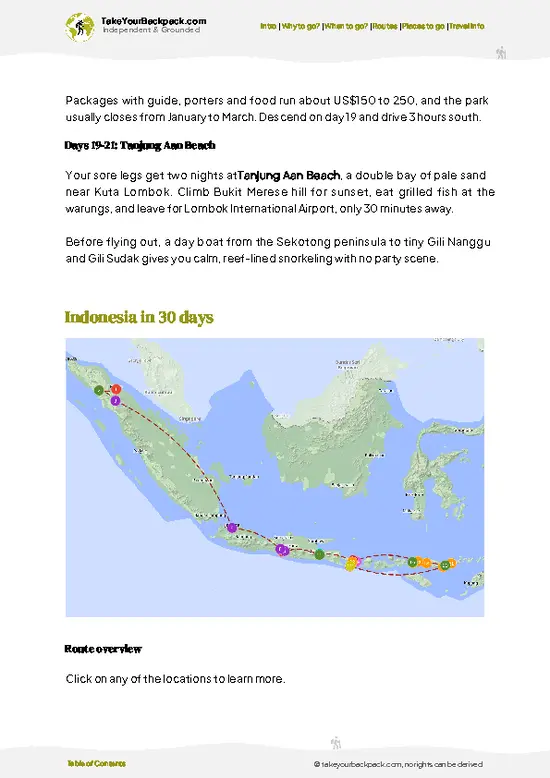
example page 0 from our offline Travel Guide for Indonesia
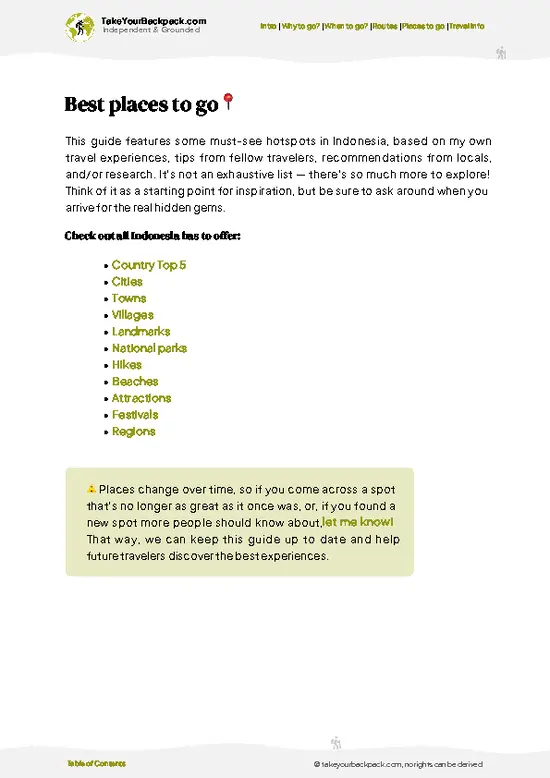
example page 1 from our offline Travel Guide for Indonesia
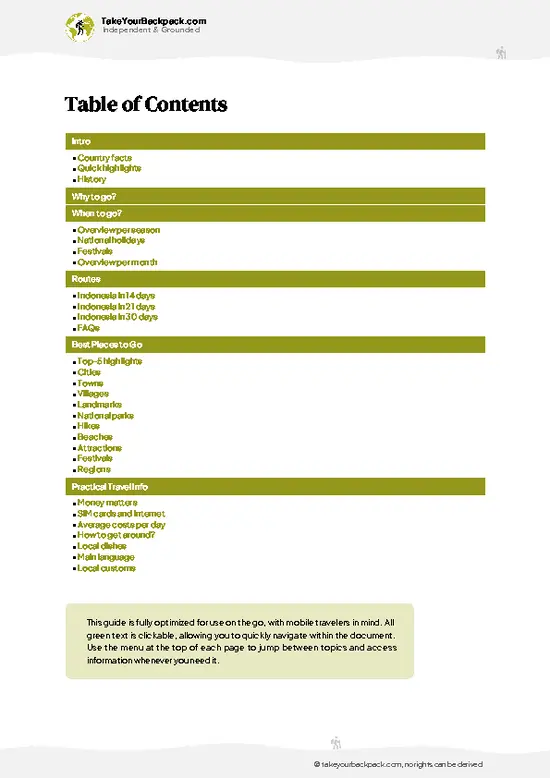
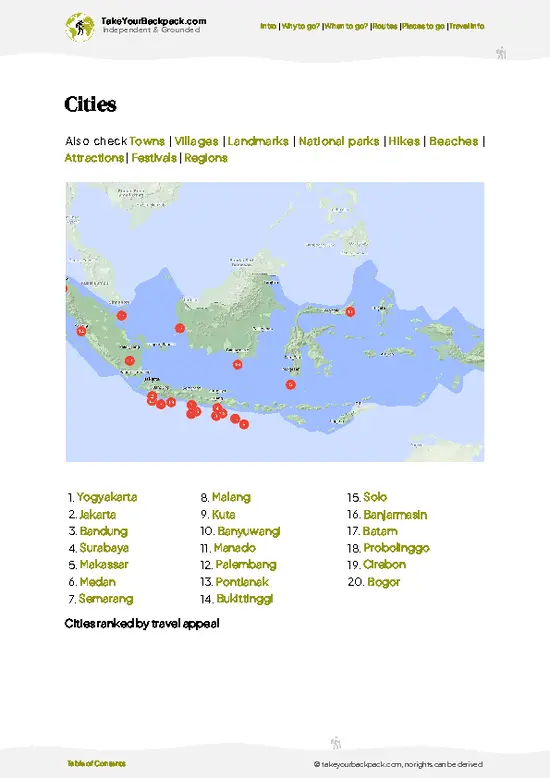
example page 2 from our offline Travel Guide for Indonesia
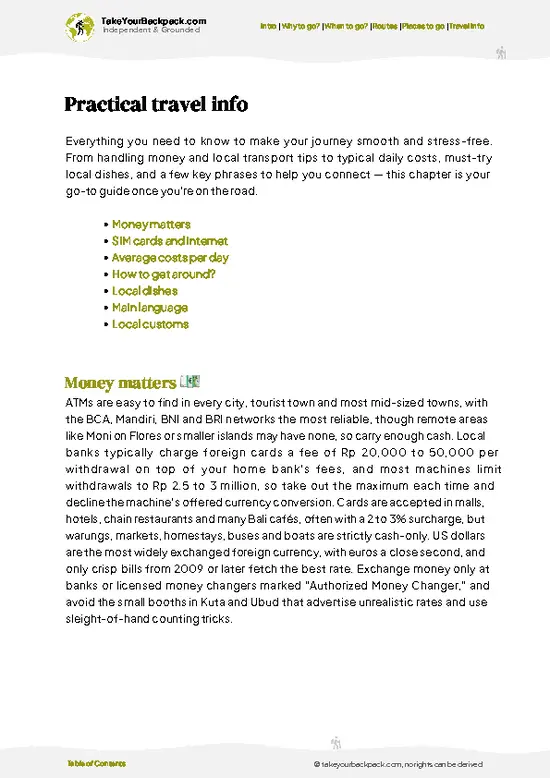
example page 3 from our offline Travel Guide for Indonesia
example page 4 from our offline Travel Guide for Indonesia
example page 5 from our offline Travel Guide for Indonesia
example page 6 from our offline Travel Guide for Indonesia
example page 7 from our offline Travel Guide for Indonesia
The digital guide (546 pages) contains:
156 highlights, ranked by travel appeal
Optimized 14, 21 & 30-day travel routes
Cities, national parks, landmarks, beaches
How to get around
Offline-friendly for travel without Wi-Fi
👉 Click to see all 30+ guide features

📅 Plan smarter in minutes, not weeks
Month by month travel advice
Festivals & national holidays
Budget expectations

🗺️ Go to the right places, skip the overrated ones
Honest pros & cons of destinations
Top hikes, parks & viewpoints
Lesser-known places most travelers miss
Clear “worth it vs skip it” guidance

🛏️ Travel smoothly without rookie mistakes
Best areas to stay
Transport systems explained simply
Common scams & safety advice
SIM cards, money & practical tips

🌍 Understand the country, not just visit it
Culture & traditions
52 Essential phrases & customs
Festivals worth planning around
Traveler-friendly historical context
Insights that make places more meaningful

📱 Built for real travel conditions
Fully downloadable PDF
Works completely offline
Optimized for phone use
Useful in remote areas & buses
Everything in one place
Save weeks of stressful planning
Get instant access to your full guide. 30‑day money-back guarantee.
+ Add another guide for just €6.50

By proceeding you agree to our terms.
Sent to your inbox immediately after payment • 100% Secure Checkout
Best Backpacking Travel Advisor 2025 tourism awardBest Backpacking
Travel Advisor
2025
What others say about Take Your Backpack Guides:
⭐⭐⭐⭐⭐
Fantastic, amazing amount of information!
⭐⭐⭐⭐⭐
My goodness this is amazing, it's what I've been looking for hats off too you!
⭐⭐⭐⭐⭐
I think this is absolutely BRILLIANT
⭐⭐⭐⭐
Very complete and informative. It's still missing places, but I gotta to commend you
⭐⭐⭐⭐⭐
This is truly amazing, thank you, can't wait to explore it with my kids!
⭐⭐⭐⭐⭐
Awesome resource, thank you!
⭐⭐⭐⭐⭐
This is amazing! Can't wait to explore the ones I haven't seen
⭐⭐⭐⭐
I love this! Well done, great idea.
⭐⭐⭐⭐⭐
Thanks for taking the time to make this gem!
⭐⭐⭐⭐⭐
This might be the best website I've ever seen.
⭐⭐⭐⭐⭐
Congratulations, and thank you so much for your work; it's incredibly valuable.
⭐⭐⭐⭐
In all seriousness I think you did a great job pointing out the important spots
⭐⭐⭐⭐⭐
10/10 very good
⭐⭐⭐⭐⭐
As someone who's only just starting to visit regularly this is awesome, thank you.
⭐⭐⭐⭐
Thank you very much! I'm going to visit my dad, it's going to be very useful!
⭐⭐⭐⭐⭐
This is really cool! We'll be travelling for the first time and this definitely come in handy.
⭐⭐⭐⭐⭐
You are now our minister of culture, congratulations 👨‍💼
⭐⭐⭐⭐⭐
Just wanted to tell you that this is a pearl! Going to follow your recommendations.
⭐⭐⭐⭐⭐
This is so cool. I'll definitely be using the resource for my travels soon.
⭐⭐⭐⭐⭐
This is very impressive! Good work.
⭐⭐⭐⭐⭐
This is an amazing and informative site. Very well done!

🛏️ Where to stay?Choosing the right base

Senggigi’s main stretch along the coast is where backpackers find their rhythm. This area pulses with a laid-back energy that’s neither too wild nor too quiet—perfect for solo travelers craving a mix of social buzz and chill downtime. The beachfront road hums with small warungs serving fresh grilled fish and the scent of salty sea air mingles with tropical blooms, setting a relaxed mood that’s easy to settle into after a day of exploring.

Staying close to the main strip means you’re steps from budget hostels that double as social hubs. These places often have communal areas where you’ll swap … read more 👉
Senggigi’s main stretch along the coast is where backpackers find their rhythm. This area pulses with a laid-back energy that’s neither too wild nor too quiet—perfect for solo travelers craving a mix of social buzz and chill downtime. The beachfront road hums with small warungs serving fresh grilled fish and the scent of salty sea air mingles with tropical blooms, setting a relaxed mood that’s easy to settle into after a day of exploring.

Staying close to the main strip means you’re steps from budget hostels that double as social hubs. These places often have communal areas where you’ll swap stories over cheap Bintangs or plan your next island hop. The vibe here is casual but safe, with a steady flow of fellow backpackers and friendly locals. You won’t find the polished luxury resorts here, but that’s the point—the atmosphere is genuine, unpretentious, and welcoming.

Venture a little inland or toward the quieter northern beaches, and you’ll lose that social pulse. Those spots are better for couples or travelers seeking solitude, but for backpackers, it’s the main coastal stretch that unlocks the best balance of connection and convenience. Here, the rhythm of the waves matches the easy pace of life, making it the ideal base to soak in Senggigi’s raw charm without the hassle.

🚌 Getting aroundHow to get around Senggigi

Senggigi moves at its own rhythm—neither a frantic city nor a sleepy village, but a laid-back coastal town where the scent of saltwater mingles with the faint aroma of sizzling street food. The light here softens as the sun dips behind the hills, casting long shadows on the narrow streets lined with warungs and small shops. Time feels elastic; schedules exist but bend easily to the flow of the day. You won’t find rigid timetables or a flood of taxis at every corner, but a system built on local knowledge and a bit of improvisation. Understanding this flow is your key to moving smoothly, saving money, and soaking in the authentic pulse of Senggigi without the usual tourist hassle.


  • Walking: Senggigi’s compact layout makes walking the most straightforward and rewarding way to get around. The
read more 👉
Senggigi moves at its own rhythm—neither a frantic city nor a sleepy village, but a laid-back coastal town where the scent of saltwater mingles with the faint aroma of sizzling street food. The light here softens as the sun dips behind the hills, casting long shadows on the narrow streets lined with warungs and small shops. Time feels elastic; schedules exist but bend easily to the flow of the day. You won’t find rigid timetables or a flood of taxis at every corner, but a system built on local knowledge and a bit of improvisation. Understanding this flow is your key to moving smoothly, saving money, and soaking in the authentic pulse of Senggigi without the usual tourist hassle.


  • Walking: Senggigi’s compact layout makes walking the most straightforward and rewarding way to get around. The main strip along the beach is flat and easy, perfect for exploring warungs, markets, and beaches at your own pace. No cost, total freedom, and you catch the town’s vibe in every step.


  • Local Bemos: These shared minivans are the budget traveler’s lifeline. They run from early morning around 6:30 AM until early evening, about 6 PM, connecting Senggigi with nearby villages and the main Lombok hub, Mataram. Fares are dirt cheap—think under $1 for short hops—but expect a tight squeeze and frequent stops. It’s slow but authentic, and you’ll rub shoulders with locals going about their day.


  • Ojeks (Motorcycle Taxis): For quick, flexible rides within town or to nearby beaches, ojeks are unbeatable. They’re everywhere, and you can negotiate fares on the spot—usually around 10,000 to 20,000 IDR ($0.70–$1.40) for short trips. They’re fast and nimble, perfect if you want to beat the heat or catch the sunset at a less accessible spot. Just agree on the price before you hop on.


  • Car and Scooter Rentals: If you want to break free from the town’s slow pulse and explore Lombok’s rugged interior or the Gili Islands on your own schedule, renting a scooter or car is the way to go. Scooters start around 70,000 IDR ($5) per day, and cars from about 300,000 IDR ($20). Keep in mind the roads can be rough and traffic unpredictable, so only take this on if you’re confident and comfortable navigating local conditions.


  • Public Shuttle Services: For longer trips, like heading to the airport or the Gili Islands, look for scheduled shuttle vans. They usually leave mid-morning and mid-afternoon, costing around 100,000–150,000 IDR ($7–$10). They’re more comfortable than bemos, with air conditioning and fixed routes, but less flexible. Booking a day ahead is smart to secure your seat.

👛 Costs (as of 4 September 2026)Typical daily expenses

Backpacking in Senggigi, Indonesia, offers a budget-friendly experience with a mix of affordable options.
  • Dorm accommodation: Expect to pay around USD5 to 10 per night for a bed in a basic hostel dormitory, suitable for budget travelers.
  • Meals: Local warungs and street food stalls offer meals for about USD2 to 5, while mid-range restaurants might charge USD5 to 10 for a meal.
  • Local transport: Short rides on local bemos or scooters typically cost between USD1 to 3, depending on distance.
  • Basic activities/entry fees: Entrance to beaches and local attractions usually ranges from USD1 to 5, with some snorkeling or cultural sites slightly higher.
  • Miscellaneous expenses: This includes water, snacks, and small purchases, generally around USD2 to 5 daily.
Overall, you can comfortably backpack in Senggigi … read more 👉
Backpacking in Senggigi, Indonesia, offers a budget-friendly experience with a mix of affordable options.
  • Dorm accommodation: Expect to pay around USD5 to 10 per night for a bed in a basic hostel dormitory, suitable for budget travelers.
  • Meals: Local warungs and street food stalls offer meals for about USD2 to 5, while mid-range restaurants might charge USD5 to 10 for a meal.
  • Local transport: Short rides on local bemos or scooters typically cost between USD1 to 3, depending on distance.
  • Basic activities/entry fees: Entrance to beaches and local attractions usually ranges from USD1 to 5, with some snorkeling or cultural sites slightly higher.
  • Miscellaneous expenses: This includes water, snacks, and small purchases, generally around USD2 to 5 daily.
Overall, you can comfortably backpack in Senggigi on a daily budget of USD20 to 40, balancing affordable stays, meals, and activities without skimping on the experience.


source: numbeo.com
⚠️ Prices can change and everyone travels differently, so take this as a rough guide. Hope it helps you plan your adventure!

🚌 Day tripsBest day trips from Senggigi

Senggigi is a backpacker’s sweet spot on Lombok’s west coast—small enough to feel manageable but perfectly placed for a handful of day trips that reveal the island’s diverse charms without the hassle of overnight gear shifts.

Gili Islands
A quick boat ride from Senggigi’s harbor, the Gili Islands are the classic day escape. The water is crystal-clear, perfect for snorkeling right off the beach, where you’ll spot turtles and vibrant coral without the crowds of Bali. Boats leave early morning and return by late afternoon, so you get a full day of sun and sea without rushing. Expect to pay around 150,000 to 200,000 IDR for a round trip ticket. The best time is the dry season, May to September, when the sea is calm and visibility is at its peak. First-timers often underestimate the sun—bring … read more 👉
Senggigi is a backpacker’s sweet spot on Lombok’s west coast—small enough to feel manageable but perfectly placed for a handful of day trips that reveal the island’s diverse charms without the hassle of overnight gear shifts.

Gili Islands
A quick boat ride from Senggigi’s harbor, the Gili Islands are the classic day escape. The water is crystal-clear, perfect for snorkeling right off the beach, where you’ll spot turtles and vibrant coral without the crowds of Bali. Boats leave early morning and return by late afternoon, so you get a full day of sun and sea without rushing. Expect to pay around 150,000 to 200,000 IDR for a round trip ticket. The best time is the dry season, May to September, when the sea is calm and visibility is at its peak. First-timers often underestimate the sun—bring reef-safe sunscreen and a hat, or you’ll burn faster than you think.
👉 Explore Gili Islands

Mount Rinjani Viewpoint at Malimbu
Just a 20-minute scooter ride north, Malimbu offers a panoramic view of Mount Rinjani and the Gilis framed by the ocean’s edge. The road is a bit bumpy but manageable, and the payoff is a quiet spot where the light hits just right in the late afternoon, turning the volcano’s slopes golden. It’s free to visit, and you can grab a fresh coconut from a roadside vendor for under 20,000 IDR. This trip is perfect for a half-day escape when you want to stretch your legs and soak in the island’s scale without the sweat of a full trek. Avoid going on rainy days—visibility drops, and the dirt road gets slippery.


Selong Belanak Beach
About an hour’s ride southeast, Selong Belanak is a wide, white-sand beach with gentle waves that are ideal for beginner surfers or just a relaxed swim. It’s less touristy than Senggigi, so you get a more authentic vibe with local warungs serving fresh grilled fish for a few bucks. The ride there is scenic, winding through small villages and rice paddies, which makes the journey part of the experience. Budget around 50,000 to 70,000 IDR for a scooter rental plus fuel. The dry season is best for surfing, but the beach is pleasant year-round. Don’t expect nightlife here—this is a day trip for peace and slow rhythms.


Traditional Sasak Village of Sade
A 45-minute drive inland, Sade offers a glimpse into Lombok’s indigenous Sasak culture. Walking through the village, you’ll notice the woven bamboo houses and hear the rhythmic clacking of traditional weaving looms. It’s a sensory dive into a way of life that’s still very much alive, with locals welcoming visitors without the touristy gloss. Entry is usually a small donation, and hiring a guide is optional but enriches the experience. Morning visits are best to avoid the midday heat and catch artisans at work. Many skip this thinking it’s too far or touristy, but it’s a quick, affordable cultural reset from the beach scene.


Senggigi’s charm is in its balance—easy access to nature, culture, and the sea without the hassle of constant packing and moving. These day trips let you sample Lombok’s layers, each with its own rhythm and reward.
Want to know what more Indonesia offers?
The Indonesia Travel Guide describes 156 highlights, from cities to national parks, from beaches to hikes

Get the Travel Guide -

🛡️ SafetyScams, Hazards, and Annoyances

Senggigi wears its laid-back vibe well, but like any place where tourists mix with locals, a bit of street-smart awareness smooths the way. The main stretch along the beach is generally safe, even after dark, but solo travelers should avoid wandering too far into dimly lit alleys or quiet side streets once the sun dips. Stick to well-trodden paths where the night hum of cafes and bars keeps the atmosphere alive and watchful.

Scams here aren’t elaborate, but the classic “friendly local” offering unsolicited help or overly eager taxi drivers quoting inflated fares can catch you off guard. The trick is to stay polite but firm—agree on prices upfront and don’t feel pressured to accept offers that sound too good to be true. Carry your belongings close; petty pickpocketing can happen in crowded … read more 👉
Senggigi wears its laid-back vibe well, but like any place where tourists mix with locals, a bit of street-smart awareness smooths the way. The main stretch along the beach is generally safe, even after dark, but solo travelers should avoid wandering too far into dimly lit alleys or quiet side streets once the sun dips. Stick to well-trodden paths where the night hum of cafes and bars keeps the atmosphere alive and watchful.

Scams here aren’t elaborate, but the classic “friendly local” offering unsolicited help or overly eager taxi drivers quoting inflated fares can catch you off guard. The trick is to stay polite but firm—agree on prices upfront and don’t feel pressured to accept offers that sound too good to be true. Carry your belongings close; petty pickpocketing can happen in crowded spots, especially markets.

Senggigi’s charm comes from its easy pace and ocean breeze, so keep your senses tuned to the rhythm of the town, and you’ll find the small hassles fade into the background, leaving space for the real experience to shine.

FAQFrequently asked questions about Senggigi

Yes, Senggigi is worth visiting for its relaxed beach atmosphere, good snorkeling spots, and access to nearby islands like the Gili Islands. It offers a quieter alternative to Bali with fewer crowds and affordable accommodations starting around $20 per night.
2 to 3 days are sufficient to explore Senggigi, enjoy the beaches, visit local markets, and take a boat trip to nearby islands. This duration allows time to relax without feeling rushed.
Yes, Senggigi can be visited as a day trip from Mataram, which is about 30 minutes away by car. However, staying overnight is recommended to fully experience the area and avoid a rushed visit.
⚠️ Things can change over time, so always validate details locally before you go.

Other Indonesian towns near Senggigi

Explore more nearby:

  • Sade—thatched houses, Sasak weaving, communal courtyards| 48 km away
  • Tenganan—walled village, double ikat, Bali Aga customs| 52 km away
  • Ubud—art galleries, rice paddies, wellness retreats| 86 km away

💡 Not sure where to go next?
Create a personalized itinerary for Indonesia including Senggigi and the places that fit your trip.

Generate my itinerary

👉 Discover all towns

Or checkout all Indonesia has to offer (think cities, towns, villages, national parks, hikes, beaches, festivals)
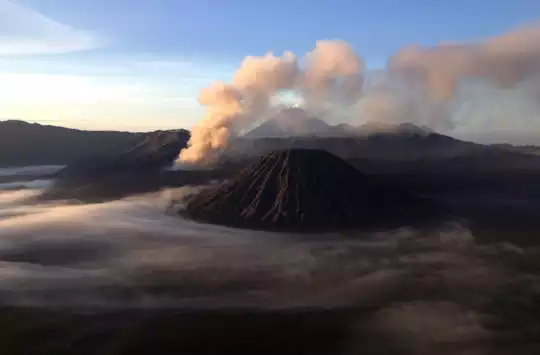
Country photo of Indonesia

We 💚 feedbackIs it worth it?

Senggigi’s charm hits you in the salty breeze and the slow rhythm of local life—perfect for those who want a beach vibe without the chaos of Bali. The sunsets here paint the sky in a way that feels like a reward after a day spent navigating modest roads and limited nightlife options. It’s not for party seekers or luxury chasers, but if you want a genuine, laid-back Indonesian coast with easy access to Lombok’s wild side, Senggigi delivers.

✈️ When did I visit Indonesia?
As part of my 1.5 year travel around the world trip, I visited Indonesia twice (and it was worth it. First in September 2015 and a bit later again in January and February 2016.

✍️ Help improve this page!
The information on this page is based on my own backpacking experience in Indonesia, supplemented with up-to-date research and feedback from other travelers. Travel details can change, so if you notice anything outdated or incomplete, feel free to let me know.


🙋‍♂️ Give feedback

👋 Meet the founderWho’s Behind Take Your Backpack?

Johan, backpacker and founder of TakeYourBackpackHi, I’m Johan (Netherlands 🇳🇱), the creator of TakeYourBackpack. Over the past decade, I’ve backpacked through 80+ countries across six continents, gaining extensive experience with independent travel, long-term trips, and overland routes.

This site is built on a combination of firsthand travel experience and carefully curated insights from other backpackers. Many guides are based on places I’ve personally visited, while others bring together tips, observations, and practical advice shared by trusted travelers I’ve met along the way.

The goal is to provide realistic, experience-driven guidance — not generic itineraries — so you can explore destinations with better context, clearer expectations, and more confidence.

Get full Indonesia guide •
Instant download • 156 highlights • Full Offline guide