v2.webp)
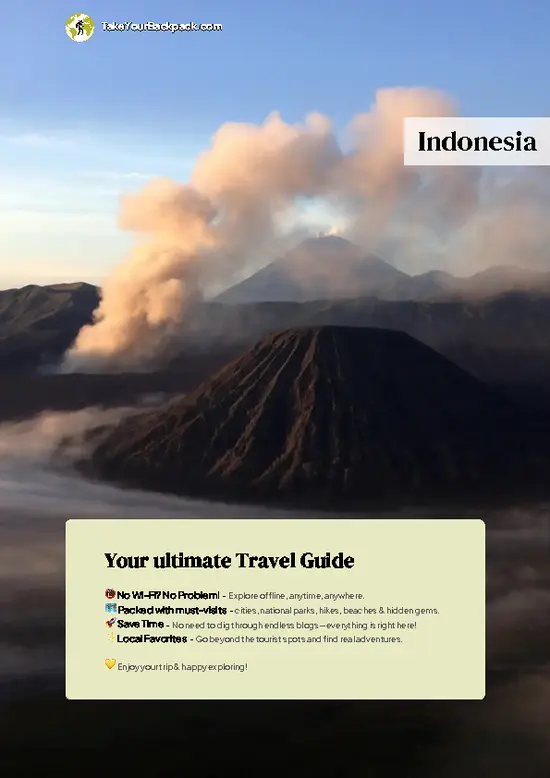
- Flores Museum (Museum Nusa Nipa): A small but thoughtfully arranged collection of traditional Flores textiles, weapons, and ethnographic objects that illustrate the island's weaving heritage and pre-colonial trade networks. The museum occupies a restored colonial building and offers context for the crafts you'll see in markets. Best visited early morning when it's quiet. 1 to 1.5 hours. US$2 to 3 entry.
- Ende Harbor and Waterfront: A working port where fishing boats unload their catch and local life moves at its own pace. The waterfront is where Ende's identity as a maritime town becomes clear, especially at dawn when boats return. Walk along the pier, watch the activity, and grab coffee at a warung nearby. Free. 1 hour.
- Pasar Ende (Central Market): A dense, energetic market selling fresh produce,
- Flores Museum (Museum Nusa Nipa): A small but thoughtfully arranged collection of traditional Flores textiles, weapons, and ethnographic objects that illustrate the island's weaving heritage and pre-colonial trade networks. The museum occupies a restored colonial building and offers context for the crafts you'll see in markets. Best visited early morning when it's quiet. 1 to 1.5 hours. US$2 to 3 entry.
- Ende Harbor and Waterfront: A working port where fishing boats unload their catch and local life moves at its own pace. The waterfront is where Ende's identity as a maritime town becomes clear, especially at dawn when boats return. Walk along the pier, watch the activity, and grab coffee at a warung nearby. Free. 1 hour.
- Pasar Ende (Central Market): A dense, energetic market selling fresh produce, dried fish, spices, and local textiles. The market reveals how Ende residents actually shop and eat. Go early, before midday heat peaks. Bring small bills and a camera-ready attitude. Free to walk; budget US$5 to 10 if buying. 1.5 to 2 hours.
- Wolowaru Beach: A black-sand beach 3 kilometers south of town, quieter than the harbor and good for swimming or sitting with a cold drink at one of the small warungs. Reachable by ojek (motorcycle taxi) in 10 minutes. Best in late afternoon when locals arrive. Free beach access; drinks US$1 to 2.
- Iya Oé Waterfall: A modest but refreshing waterfall in a lush valley about 8 kilometers inland, accessible by ojek or on foot. The hike takes 45 minutes to 1 hour from the road, passing through village gardens and forest. Few tourists make the trip, so it feels genuinely quiet. Free. 3 to 4 hours round trip from town.
Spotted a mistake or missing something? Contact us.

Early Morning Group Speedboat Tour to Komodo National Park

1 Day Komodo Trip by Private Speedboat

3D2N Sailing Komodo Living on Board Friday to Sunday: Labuan Bajo

3 Days Deluxe Boat Private Cabin Sailing Trip in Komodo Island

Private Komodo Speedboat Day Trip with Sunset & Beach BBQ Add-Ons

Pauls Flores Tour Labuan Bajo to Ende Flores Land Tour inland by Car 6 Days

1 Day Komodo Trip By Share Speedboat

Daily Trip Highlight Komodo Archipelago by Speed Boat

Flores Overland Tour


 Best Backpacking
.jpg) Hi, I’m Johan (Netherlands 🇳🇱), the creator of TakeYourBackpack. Over the past 3 decades, I’ve backpacked through 90+ countries across six continents, gaining extensive experience with independent travel, long-term trips, and overland routes.
Hi, I’m Johan (Netherlands 🇳🇱), the creator of TakeYourBackpack. Over the past 3 decades, I’ve backpacked through 90+ countries across six continents, gaining extensive experience with independent travel, long-term trips, and overland routes.