
×

Indonesia🇮🇩 | national parksKelimutu National Parkcolored crater lakes, volcanic plateau, Flores highlands | things to do and best time to go

Explore Gunung Leuser National ParkExplore Komodo National Park

Backpacking in Kelimutu
🌟 Highlightnational park ranked #6
By Johan Kruseman 🇳🇱 | Updated July 8, 2026

Most people only realize after they leave that Kelimutu is one of the cheapest “big wow” experiences in Indonesia in terms of effort-to-reward: you get pre-dawn crater views without a multi-day slog or pricey guide. Kelimutu National Park sits in central Flores, in East Nusa Tenggara, and it feels a lot quieter than the Java or Bali circuits. The three color-changing crater lakes are the headline, with short, well-marked hikes rather than hardcore trekking, limited wildlife, and a pretty barebones park infrastructure. Access from Ende or Moni is straightforward but slow, entrance fees creep up for foreigners, and sunrise can feel crowded in high season. Camping is restricted, so you’re mostly in simple homestays in Moni. Compared with Komodo or Kelimutu’s wilder Flores neighbors, this is a compact, low-drama stop that still earns its place on a backpacker route.

Discover everything you want to know in the 📖 Indonesia Travel Guide.
Loading the map 🌍
CLICK TO FILTER
cities
towns
landmarks
national parks
hikes
beaches
attractions
festivals
regions
SHOW COUNTRY’S BESTSHOW ALL

✨ Why go?
Ranked #6 national park in Indonesia
The unique appeal for travelers

Kelimutu National Park draws backpackers for several compelling reasons. First, independent exploration is a major draw. The park’s trails are well-marked, allowing you to wander at your own pace without the constraints of a tour group. This freedom enhances the experience, letting you soak in the unique volcanic lakes and lush surroundings.

Budget-conscious travelers appreciate the affordable camping and hostel options nearby. You can pitch a tent or find a cozy bed without breaking the bank, leaving more funds for local food and experiences.

The trail variety is another highlight. Whether you’re up for a challenging hike or a leisurely stroll, there’s something for everyone. The views from the summit are worth the effort, especially at sunrise when the lakes shift colors.

Kelimutu suits … read more 👉
Kelimutu National Park draws backpackers for several compelling reasons. First, independent exploration is a major draw. The park’s trails are well-marked, allowing you to wander at your own pace without the constraints of a tour group. This freedom enhances the experience, letting you soak in the unique volcanic lakes and lush surroundings.

Budget-conscious travelers appreciate the affordable camping and hostel options nearby. You can pitch a tent or find a cozy bed without breaking the bank, leaving more funds for local food and experiences.

The trail variety is another highlight. Whether you’re up for a challenging hike or a leisurely stroll, there’s something for everyone. The views from the summit are worth the effort, especially at sunrise when the lakes shift colors.

Kelimutu suits self-guided travelers perfectly. While tours exist, they often rush through the highlights. Here, you can take your time, breathe in the fresh air, and truly connect with the landscape. This park is about savoring the journey, not just the destination.
Want to include Kelimutu National Park in your Indonesia route?
Create a personalized Indonesia itinerary that includes Kelimutu National Park and the places that fit your trip — based on your travel style, budget, and available time. Get your route in seconds.

Generate my trip

💡 HighlightsPlaces and moments you shouldn't skip

  • The Three Colored Lakes (Tiwu Ata Mbupu, Tiwu Nuwa Muri Koo Fai, Tiwu Ata Polo) — The park’s headline: three crater lakes sitting in the volcano’s caldera that can show wildly different colors (blue, green, red, black) because of changing mineral content and volcanic gases. Each lake has a local name and spiritual meaning, which makes the scene feel both raw and culturally layered.
  • Sunrise at the Kelimutu Viewpoint — Watching the light hit the lakes at dawn is the whole reason most people come: the colors pop, mist curls through the caldera, and the surrounding hills glow. It means a very early start from Moni but the payoff is cinematic. Personal favorite — nothing beats that first light on the three lakes.
  • Crater-rim Walks and Short Trails — There are easy-to-moderate loops along the
read more 👉
  • The Three Colored Lakes (Tiwu Ata Mbupu, Tiwu Nuwa Muri Koo Fai, Tiwu Ata Polo) — The park’s headline: three crater lakes sitting in the volcano’s caldera that can show wildly different colors (blue, green, red, black) because of changing mineral content and volcanic gases. Each lake has a local name and spiritual meaning, which makes the scene feel both raw and culturally layered.
  • Sunrise at the Kelimutu Viewpoint — Watching the light hit the lakes at dawn is the whole reason most people come: the colors pop, mist curls through the caldera, and the surrounding hills glow. It means a very early start from Moni but the payoff is cinematic. Personal favorite — nothing beats that first light on the three lakes.
  • Crater-rim Walks and Short Trails — There are easy-to-moderate loops along the rim that let you move between viewpoints and get different angles on the lakes. Good for stretch-your-legs hikes (30-90 minutes loops depending how many stops you make) and for people who want close-up views without technical climbing.
  • Mount Kelimutu Summit — The volcano itself reaches about 1,600 m and the trek to higher points gives broad panoramas over Flores, patchwork farmland and distant sea on clear days. Short, steep sections make it satisfying but not over-demanding for most fit travelers.
  • Montane Forest and Wildlife — The park’s upland forest is a quieter counterpoint to the caldera: mossy trees, wildflowers and a steady parade of birds, butterflies and insects. It’s not a big safari park, but bring binoculars—you’ll spot kingfishers, flycatchers and other island-specialty birds if you keep patient.
  • Local Culture and Ritual Offerings — The lakes aren’t just pretty: they’re sacred to local communities. You’ll often see small offerings and hear stories from guides about ancestral beliefs tied to each lake. It adds emotional texture and is a reminder to visit respectfully.
  • Geology and Volcanic Features — The changing lake colors are a live demo of volcanic chemistry: fumaroles, mineral-rich water and shifting gas emissions. If you like geology, this is a compact natural lab where you can read the landscape instead of just photographing it.
Spotted a mistake or missing something? Contact us.

🌤️ When to go?Seasonal considerations and timing


  • Weather: The dry season from April to October is your best bet. Rainfall drops significantly, making trails less slippery and views clearer. The wet season (November to March) brings heavy rain, often turning paths into mud baths and clouding the famous crater lakes.

  • Temperature: Expect daytime highs around 20-25°C (68-77°F) and nights dropping to 10-15°C (50-59°F). Mornings can be chilly, especially at higher elevations, so pack layers.

  • Daylight Hours: Roughly 11-12 hours year-round, with sunrise around 5:30-6:00 AM. Early starts are essential to catch the iconic sunrise over the tri-colored lakes.

  • Crowds: Peak season coincides with the dry months and local holidays, especially July and August. Expect more visitors at sunrise viewpoints, which can dilute the experience.

  • Seasonal
read more 👉

  • Weather: The dry season from April to October is your best bet. Rainfall drops significantly, making trails less slippery and views clearer. The wet season (November to March) brings heavy rain, often turning paths into mud baths and clouding the famous crater lakes.

  • Temperature: Expect daytime highs around 20-25°C (68-77°F) and nights dropping to 10-15°C (50-59°F). Mornings can be chilly, especially at higher elevations, so pack layers.

  • Daylight Hours: Roughly 11-12 hours year-round, with sunrise around 5:30-6:00 AM. Early starts are essential to catch the iconic sunrise over the tri-colored lakes.

  • Crowds: Peak season coincides with the dry months and local holidays, especially July and August. Expect more visitors at sunrise viewpoints, which can dilute the experience.

  • Seasonal Activities: Dry months offer better trekking conditions and clearer views of the volcanic lakes. The wet season limits hiking options and increases the risk of landslides.

  • Price Fluctuations: Accommodation and transport costs rise during the dry season and local holidays. Booking ahead can save you from last-minute price hikes.


Pro-tip: Aim for shoulder months like April or September to dodge crowds and rain, keeping your energy and budget focused on the crater’s rare spectacle, not on scrambling through mud or waiting in line.


source: climatestotravel.comJANJanuary: fair for travelingFEBFebruary: fair for travelingMARMarch: fair for travelingAPRApril: highly recommended for travelingMAYMay: excellent for travelingJUNJune: excellent for travelingJULJuly: highly recommended for travelingAUGAugust: highly recommended for travelingSEPSeptember: highly recommended for travelingOCTOctober: excellent for travelingNOVNovember: fair for travelingDECDecember: fair for traveling
indonesia-national-park-kelimutu-national-park
© Google |

✈️ The backpacker research shortcutIndonesia Travel Guide

An offline-friendly backpacking guide with optimized travel routes, ranked highlights, transport advice, and the best areas to stay.
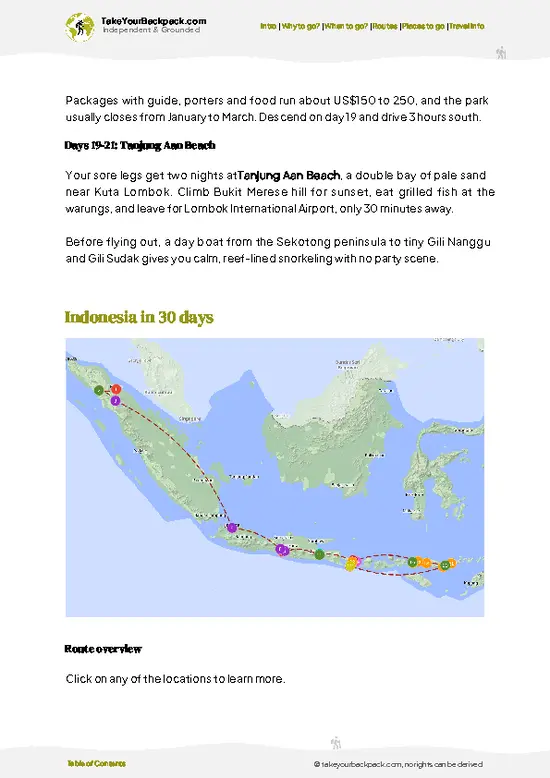
example page 0 from our offline Travel Guide for Indonesia
example page 1 from our offline Travel Guide for Indonesia
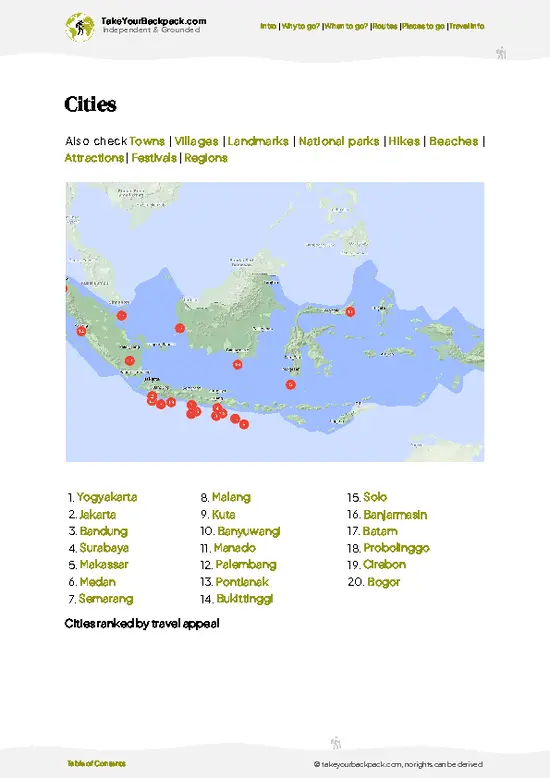
example page 2 from our offline Travel Guide for Indonesia
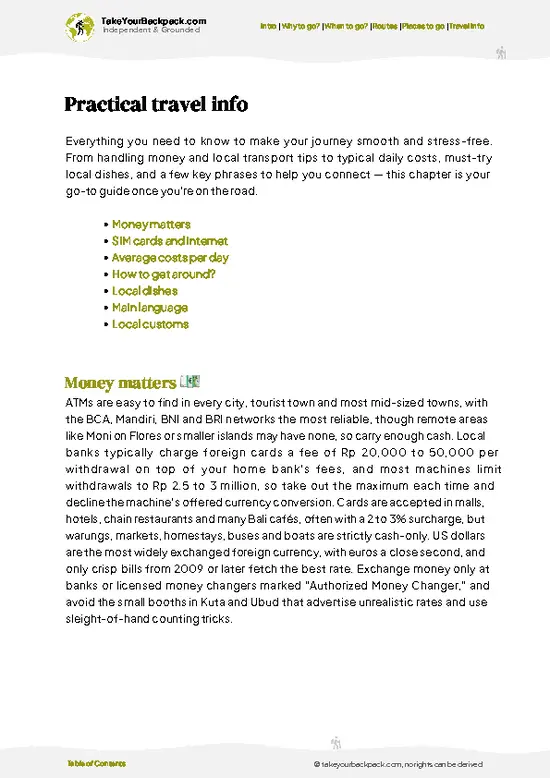
example page 3 from our offline Travel Guide for Indonesia
example page 4 from our offline Travel Guide for Indonesia
example page 5 from our offline Travel Guide for Indonesia
example page 6 from our offline Travel Guide for Indonesia
example page 7 from our offline Travel Guide for Indonesia
The digital guide (546 pages) contains:
156 highlights, ranked by travel appeal
Optimized 14, 21 & 30-day travel routes
Cities, national parks, landmarks, beaches
How to get around
Offline-friendly for travel without Wi-Fi
👉 Click to see all 30+ guide features

📅 Plan smarter in minutes, not weeks
Month by month travel advice
Festivals & national holidays
Budget expectations

🗺️ Go to the right places, skip the overrated ones
Honest pros & cons of destinations
Top hikes, parks & viewpoints
Lesser-known places most travelers miss
Clear “worth it vs skip it” guidance

🛏️ Travel smoothly without rookie mistakes
Best areas to stay
Transport systems explained simply
Common scams & safety advice
SIM cards, money & practical tips

🌍 Understand the country, not just visit it
Culture & traditions
52 Essential phrases & customs
Festivals worth planning around
Traveler-friendly historical context
Insights that make places more meaningful

📱 Built for real travel conditions
Fully downloadable PDF
Works completely offline
Optimized for phone use
Useful in remote areas & buses
Everything in one place
Save weeks of stressful planning
Get instant access to your full guide. 30‑day money-back guarantee.


By proceeding you agree to our terms.
Sent to your inbox immediately after payment • 100% Secure Checkout
Best Backpacking Travel Advisor 2025 tourism awardBest Backpacking
Travel Advisor
2025
What others say about Take Your Backpack Guides:
⭐⭐⭐⭐⭐
Fantastic, amazing amount of information!
⭐⭐⭐⭐⭐
My goodness this is amazing, it's what I've been looking for hats off too you!
⭐⭐⭐⭐⭐
I think this is absolutely BRILLIANT
⭐⭐⭐⭐
Very complete and informative. It's still missing places, but I gotta to commend you
⭐⭐⭐⭐⭐
This is truly amazing, thank you, can't wait to explore it with my kids!
⭐⭐⭐⭐⭐
Awesome resource, thank you!
⭐⭐⭐⭐⭐
This is amazing! Can't wait to explore the ones I haven't seen
⭐⭐⭐⭐
I love this! Well done, great idea.
⭐⭐⭐⭐⭐
Thanks for taking the time to make this gem!
⭐⭐⭐⭐⭐
This might be the best website I've ever seen.
⭐⭐⭐⭐⭐
Congratulations, and thank you so much for your work; it's incredibly valuable.
⭐⭐⭐⭐
In all seriousness I think you did a great job pointing out the important spots
⭐⭐⭐⭐⭐
10/10 very good
⭐⭐⭐⭐⭐
As someone who's only just starting to visit regularly this is awesome, thank you.
⭐⭐⭐⭐
Thank you very much! I'm going to visit my dad, it's going to be very useful!
⭐⭐⭐⭐⭐
This is really cool! We'll be travelling for the first time and this definitely come in handy.
⭐⭐⭐⭐⭐
You are now our minister of culture, congratulations 👨‍💼
⭐⭐⭐⭐⭐
Just wanted to tell you that this is a pearl! Going to follow your recommendations.
⭐⭐⭐⭐⭐
This is so cool. I'll definitely be using the resource for my travels soon.
⭐⭐⭐⭐⭐
This is very impressive! Good work.
⭐⭐⭐⭐⭐
This is an amazing and informative site. Very well done!

🛏️ Where to stay?How to pick the right area

Kelimutu National Park doesn’t have accommodations right inside the park itself, but you’re in luck—there are solid options nearby. The town of Moni is your best bet. It’s a small, friendly place that serves as the main gateway to the park.

In Moni, you’ll find a range of guesthouses and homestays. Places like Kelimutukita Homestay offer cozy rooms and a chance to connect with locals. The prices are reasonable, and the hospitality is genuine. You can often arrange early morning transport to the park for sunrise views, which is a must.

Another option is Bintang Flores Hotel in nearby Ende, about … read more 👉
Kelimutu National Park doesn’t have accommodations right inside the park itself, but you’re in luck—there are solid options nearby. The town of Moni is your best bet. It’s a small, friendly place that serves as the main gateway to the park.

In Moni, you’ll find a range of guesthouses and homestays. Places like Kelimutukita Homestay offer cozy rooms and a chance to connect with locals. The prices are reasonable, and the hospitality is genuine. You can often arrange early morning transport to the park for sunrise views, which is a must.

Another option is Bintang Flores Hotel in nearby Ende, about an hour’s drive from the park. It’s a bit more upscale, with a pool and decent dining, but still backpacker-friendly.

Be mindful of transport costs. Hiring a local driver can add up, so consider sharing rides with fellow travelers. This way, you preserve your budget for the experiences that matter—like that breathtaking sunrise over the tri-colored lakes.

👛 Costs (as of 5 December 2024)What things cost and how to budget

Visiting Kelimutu National Park in Indonesia can be a rewarding experience, but it’s essential to be aware of the costs involved to avoid surprises.

First, the entrance fee is around $2 to $5 USD per person. This fee grants you access to the park and its stunning crater lakes. It’s a small price for the natural beauty you’ll encounter.

Transportation is another factor. If you’re coming from nearby towns like Moni, expect to pay about $10 to $20 USD for a taxi or shared transport. Renting a scooter is also an option, typically costing around $5 to $10 USD per day. Just remember, the roads can be challenging, so be cautious.

Guided tours are available if you prefer a structured experience. Prices for these can range from $30 to $100 USD, depending on the inclusions like meals or additional … read more 👉
Visiting Kelimutu National Park in Indonesia can be a rewarding experience, but it’s essential to be aware of the costs involved to avoid surprises.

First, the entrance fee is around $2 to $5 USD per person. This fee grants you access to the park and its stunning crater lakes. It’s a small price for the natural beauty you’ll encounter.

Transportation is another factor. If you’re coming from nearby towns like Moni, expect to pay about $10 to $20 USD for a taxi or shared transport. Renting a scooter is also an option, typically costing around $5 to $10 USD per day. Just remember, the roads can be challenging, so be cautious.

Guided tours are available if you prefer a structured experience. Prices for these can range from $30 to $100 USD, depending on the inclusions like meals or additional stops.

Food and drink are generally affordable. Local meals can cost between $2 to $5 USD. However, if you’re in a more touristy area, prices may rise.

Lastly, consider accommodation. Budget options start at around $10 to $20 USD per night, while mid-range hotels can go up to $50 USD or more.

Plan your budget wisely. Knowing these costs helps you focus on the experience rather than worrying about unexpected expenses.


source: indonesia.travel
⚠️ Prices can change and everyone travels differently, so take this as a rough guide. Hope it helps you plan your adventure!

🥾 TrailsWhere to hike in Kelimutu: trails for every level

Kelimutu National Park is a hidden gem in Indonesia, famous for its three colored lakes that change hues due to volcanic activity. The hiking trails here offer a mix of scenic beauty and a touch of adventure. The terrain can get a bit rocky and steep, especially as you approach the lakes, but the views are absolutely worth it. You might spot some unique wildlife, like the rare black macaque or various bird species, adding a nice touch to your trek.

One of the main trails is the Kelimutut Lakes Trail. Here are the details:
  • Length: 7 km
  • Estimated Duration: 2-3 hours
  • Difficulty Level: Moderate
  • Key Features:
read more 👉
Kelimutu National Park is a hidden gem in Indonesia, famous for its three colored lakes that change hues due to volcanic activity. The hiking trails here offer a mix of scenic beauty and a touch of adventure. The terrain can get a bit rocky and steep, especially as you approach the lakes, but the views are absolutely worth it. You might spot some unique wildlife, like the rare black macaque or various bird species, adding a nice touch to your trek.

One of the main trails is the Kelimutut Lakes Trail. Here are the details:
  • Length: 7 km
  • Estimated Duration: 2-3 hours
  • Difficulty Level: Moderate
  • Key Features: Stunning views of the lakes, lush forest, and volcanic landscapes
  • Terrain: Rocky paths with some steep sections

Reaching the park is relatively straightforward. You can hop on a bus from Ende or Maumere, which usually takes a couple of hours. Just be prepared for a bit of a bumpy ride. The park can get busy, especially during weekends and holidays, so if you prefer a quieter experience, aim for a weekday. As for the entrance fee, it’s quite reasonable, but keep some cash handy since they might not accept cards. Overall, it’s a fantastic spot for those looking to soak in some incredible natural beauty without breaking the bank.
⚠️ Hiking info can sometimes be outdated or inaccurate. Before you hit the trail, check the latest conditions with locals. If you do spot anything that's off, I'd love to hear from you, so I can update it for fellow travelers.

🛡️ SafetyTraveler Safety Guide

Kelimutu National Park offers a rewarding experience, but a few practical considerations can enhance your adventure. The weather can shift quickly; mornings are often cool, while afternoons may bring heat. Dress in layers to adapt easily.

The trails are generally well-marked, but some sections can be steep and rocky. Good footwear is essential—leave the flip-flops behind. Navigation is straightforward, but a map or a downloaded trail app can save you from unnecessary detours.

Wildlife encounters are rare, but respect the local fauna. Keep your distance from any animals you spot, and avoid feeding them.

One common oversight is underestimating the altitude. The park sits at over 1,600 meters, so stay hydrated and pace yourself, especially if you’re not acclimatized. With these tips, you’ll … read more 👉
Kelimutu National Park offers a rewarding experience, but a few practical considerations can enhance your adventure. The weather can shift quickly; mornings are often cool, while afternoons may bring heat. Dress in layers to adapt easily.

The trails are generally well-marked, but some sections can be steep and rocky. Good footwear is essential—leave the flip-flops behind. Navigation is straightforward, but a map or a downloaded trail app can save you from unnecessary detours.

Wildlife encounters are rare, but respect the local fauna. Keep your distance from any animals you spot, and avoid feeding them.

One common oversight is underestimating the altitude. The park sits at over 1,600 meters, so stay hydrated and pace yourself, especially if you’re not acclimatized. With these tips, you’ll preserve your energy and budget for the breathtaking views that await.

Other Indonesian national parks near Kelimutu

Explore more nearby:


💡 Not sure where to go next?
Create a personalized itinerary for Indonesia including Kelimutu and the places that fit your trip.

Generate my itinerary

👉 Discover all national parks

Or checkout all Indonesia has to offer (think cities, towns, villages, national parks, hikes, beaches, festivals)
Country photo of Indonesia

We 💚 feedbackParting advice and final tips

Kelimutu National Park is a must-see for its mesmerizing tri-colored lakes, each with a unique hue that shifts with the light. It’s a visual feast that feels otherworldly. But be prepared for the early morning trek; the path can be steep and slippery, especially after rain. Bring sturdy shoes and a sense of humor. The reward is worth the effort, but don’t underestimate the climb—it’ll test your resolve.

✈️ When did I visit Indonesia?
As part of my 1.5 year travel around the world trip, I visited Indonesia twice (and it was worth it. First in September 2015 and a bit later again in January and February 2016.

✍️ Help improve this page!
The information on this page is based on my own backpacking experience in Indonesia, supplemented with up-to-date research and feedback from other travelers. Travel details can change, so if you notice anything outdated or incomplete, feel free to let me know.


🙋‍♂️ Give feedback

👋 Meet the founderWho’s Behind Take Your Backpack?

Johan, backpacker and founder of TakeYourBackpackHi, I’m Johan (Netherlands 🇳🇱), the creator of TakeYourBackpack. Over the past decade, I’ve backpacked through 80+ countries across six continents, gaining extensive experience with independent travel, long-term trips, and overland routes.

This site is built on a combination of firsthand travel experience and carefully curated insights from other backpackers. Many guides are based on places I’ve personally visited, while others bring together tips, observations, and practical advice shared by trusted travelers I’ve met along the way.

The goal is to provide realistic, experience-driven guidance — not generic itineraries — so you can explore destinations with better context, clearer expectations, and more confidence.

Get full Indonesia guide •
Instant download • 156 highlights • Full Offline guide