×

Indonesia🇮🇩 | attractionsNational Museum of Indonesiaarchaeological treasures, ethnographic displays, bronze collection | things to do and best time to go

Explore Jakarta History MuseumExplore Museum MACAN

Backpacking in National Museum of Indonesia
👍 Recommendedattraction ranked #18
By Johan Kruseman 🇳🇱 | Updated October 15, 2026

The museum's textile collection includes hand-loomed fabrics from across the archipelago, each pattern encoding stories of trade routes and spiritual beliefs that most visitors walk past without noticing. The National Museum of Indonesia sits in central Jakarta, a sprawling institution that anchors the city's cultural identity. It's crowded, yes, and entry fees aren't cheap by backpacker standards, but the depth here rewards slow exploration. I remember standing before a 14th-century Hindu-Buddhist sculpture, suddenly grasping how Indonesia's religious layers had compressed into stone. The museum demands patience, but it delivers genuine insight into a nation of 17,000 islands compressed into one building.

Discover everything you want to know in the 📖 Indonesia Travel Guide.


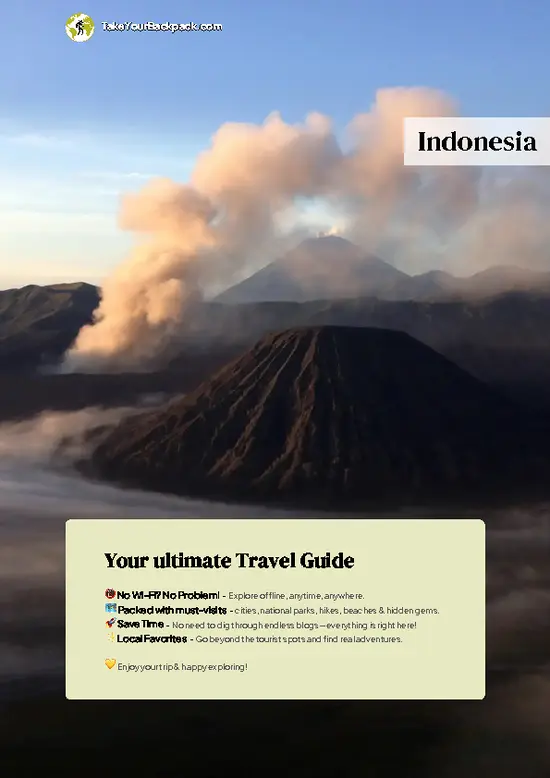
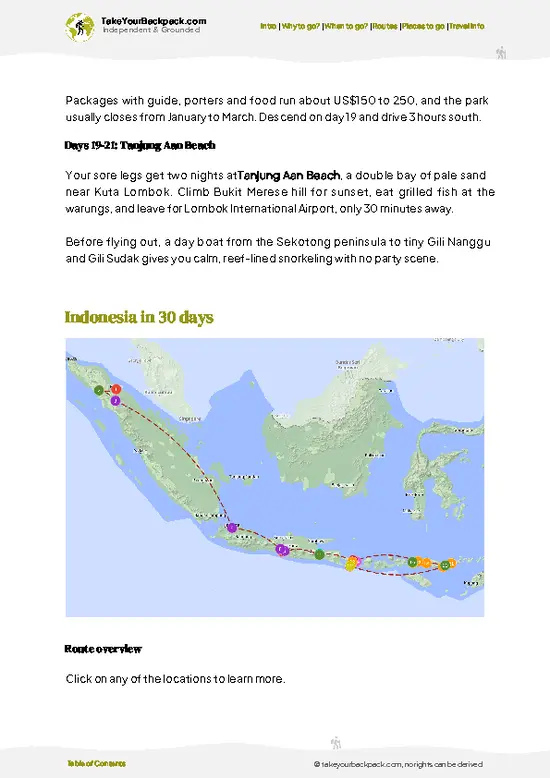
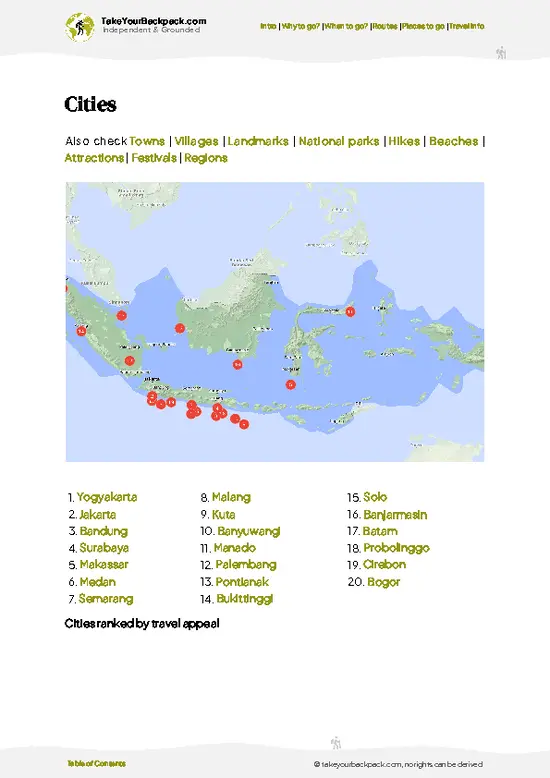
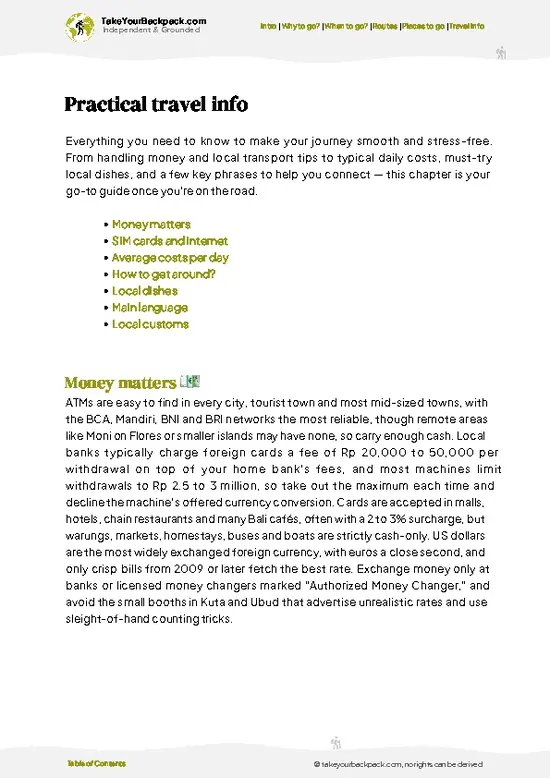
example page 0 from our offline Travel Guide for Indonesia
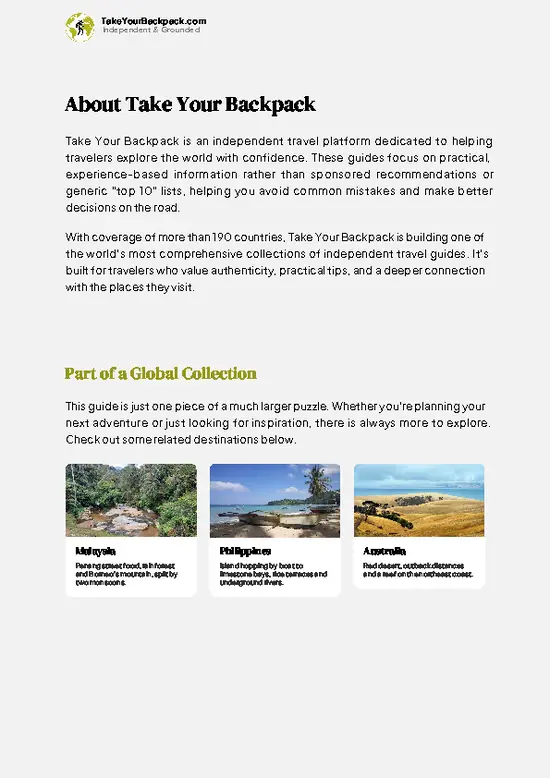
example page 1 from our offline Travel Guide for Indonesia
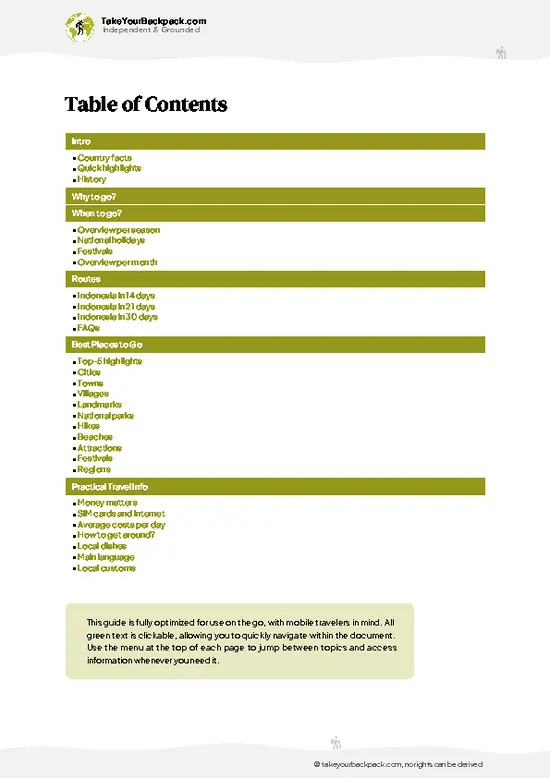
example page 2 from our offline Travel Guide for Indonesia
example page 3 from our offline Travel Guide for Indonesia
example page 4 from our offline Travel Guide for Indonesia
example page 5 from our offline Travel Guide for Indonesia
example page 6 from our offline Travel Guide for Indonesia
example page 7 from our offline Travel Guide for Indonesia
Loading the map 🌍
CLICK TO FILTER
cities
towns
villages
landmarks
national parks
hikes
beaches
attractions
festivals
regions
SHOW COUNTRY’S BESTSHOW ALL

✨ Why go?
Ranked #18 attraction in Indonesia
What makes this attraction worth visiting

The National Museum of Indonesia is essential for understanding the archipelago's cultural complexity. It houses one of Southeast Asia's most comprehensive collections of Hindu-Buddhist artifacts, Islamic manuscripts, and pre-colonial treasures that shaped the region's identity. The museum serves as a major intellectual anchor on any serious Indonesia itinerary, offering context that transforms beach visits and temple hikes into something deeper. For backpackers seeking historical depth beyond Instagram moments, this is where the country's layered past becomes tangible. It's a milestone that separates casual travelers from those genuinely engaging with Indonesia.

💡 HighlightsThe experiences that define the visit

  1. The Borobudur Stone Reliefs: Casts and photographs of the world's largest Buddhist monument's intricate narrative panels, offering insight into 8th-century Javanese craftsmanship and religious storytelling without the crowds of the actual site.
  2. Hindu-Buddhist Sculpture Gallery: Original statues from the Majapahit and Srivijaya periods, including serene Buddha heads and multi-armed deities that reveal how Hinduism and Buddhism coexisted in pre-Islamic Indonesia.
  3. Textile Collection: Hand-woven batiks, ikat, and songket from across the archipelago, each region's patterns encoding centuries of cultural identity and trade connections.
  4. Islamic Manuscripts and Calligraphy: Beautifully preserved Qurans and religious texts from the 16th century onward, documenting Islam's integration into Indonesian spiritual
… read more 👉
  1. The Borobudur Stone Reliefs: Casts and photographs of the world's largest Buddhist monument's intricate narrative panels, offering insight into 8th-century Javanese craftsmanship and religious storytelling without the crowds of the actual site.
  2. Hindu-Buddhist Sculpture Gallery: Original statues from the Majapahit and Srivijaya periods, including serene Buddha heads and multi-armed deities that reveal how Hinduism and Buddhism coexisted in pre-Islamic Indonesia.
  3. Textile Collection: Hand-woven batiks, ikat, and songket from across the archipelago, each region's patterns encoding centuries of cultural identity and trade connections.
  4. Islamic Manuscripts and Calligraphy: Beautifully preserved Qurans and religious texts from the 16th century onward, documenting Islam's integration into Indonesian spiritual life.
  5. Wayang Kulit Shadow Puppets: Intricately carved leather puppets used in traditional performances, representing the living bridge between Hindu epics and contemporary Indonesian theater.
  6. Majapahit Ceramics: Glazed pottery and trade goods that reveal the empire's commercial reach across Asia and the Indian Ocean.
I'd start with the Hindu-Buddhist sculpture gallery because it's the emotional core of the museum, where you grasp how deeply layered Indonesia's spiritual history really is.
Spotted a mistake or missing something? Contact us.

Things to do around National Museum of Indonesia

Ratings based on Tripadvisor reviews. When you book through this link, you support our work at no extra cost to you.

🌤️ When to go?When to go for the best experience

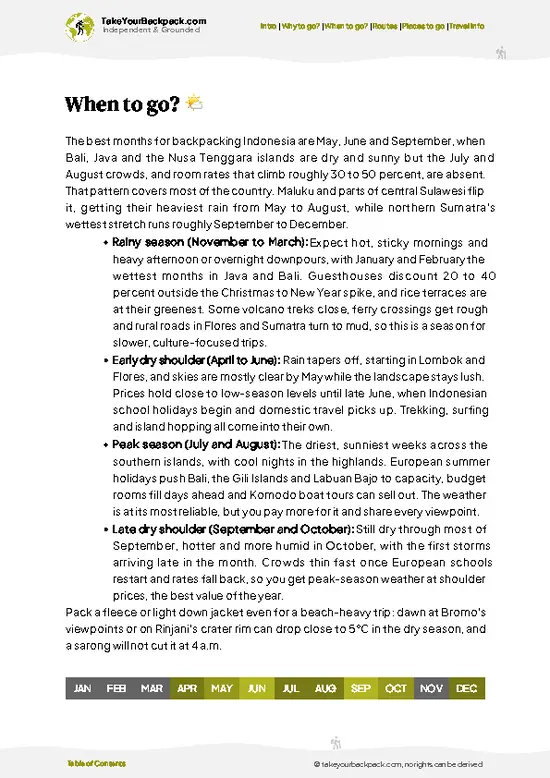
  • Dry Season (May to September): Best overall conditions. Temperatures range from 24 to 32°C (75 to 90°F). Lower humidity makes museum visits more comfortable, and crowds are moderate. Prices remain steady.
  • Wet Season (October to April): Heavier rainfall, especially December to February. Temperatures 24 to 31°C (75 to 88°F). Fewer tourists mean shorter lines and easier access to exhibits. Prices dip slightly.
  • Avoid Peak Holiday Periods: Indonesian school holidays (June to July, December to early January) bring domestic crowds that can overwhelm galleries.
Visit on weekday mornings before 10 a.m. to experience the museum with breathing room.

source: climatestotravel.comJANJanuary: good for travelingFEBFebruary: good for travelingMARMarch: good for travelingAPRApril: good for travelingMAYMay: highly recommended for travelingJUNJune: highly recommended for travelingJULJuly: good for travelingAUGAugust: good for travelingSEPSeptember: highly recommended for travelingOCTOctober: highly recommended for travelingNOVNovember: good for travelingDECDecember: good for traveling
when-to-go

✈️ The backpacker research shortcutIndonesia Travel Guide

An offline-friendly backpacking guide with optimized travel routes, ranked highlights, transport advice, and the best areas to stay.
example page 0 from our offline Travel Guide for Indonesia
example page 1 from our offline Travel Guide for Indonesia
example page 2 from our offline Travel Guide for Indonesia
example page 3 from our offline Travel Guide for Indonesia
example page 4 from our offline Travel Guide for Indonesia
example page 5 from our offline Travel Guide for Indonesia
example page 6 from our offline Travel Guide for Indonesia
example page 7 from our offline Travel Guide for Indonesia
The digital guide (460 pages) contains:
✅ 153 highlights, ranked by travel appeal
✅ Optimized 14, 21 & 30-day travel routes
✅ Cities, national parks, landmarks, beaches
✅ How to get around
✅ Offline-friendly for travel without Wi-Fi
👉 Click to see all 30+ guide features

📅 Plan smarter in minutes, not weeks
✅ Month by month travel advice
✅ Festivals & national holidays
✅ Budget expectations

🗺️ Go to the right places, skip the overrated ones
✅ Honest pros & cons of destinations
✅ Top hikes, parks & viewpoints
✅ Lesser-known places most travelers miss
✅ Clear “worth it vs skip it” guidance

🛏️ Travel smoothly without rookie mistakes
✅ Best areas to stay
✅ Transport systems explained simply
✅ Common scams & safety advice
✅ SIM cards, money & practical tips

🌍 Understand the country, not just visit it
✅ Culture & traditions
✅ 52 Essential phrases & customs
✅ Festivals worth planning around
✅ Traveler-friendly historical context
✅ Insights that make places more meaningful

📱 Built for real travel conditions
✅ Fully downloadable PDF
✅ Works completely offline
✅ Optimized for phone use
✅ Useful in remote areas & buses
✅ Everything in one place
Stop searching, start planning
Get instant access to your full guide. 30‑day money-back guarantee.
+ Add another guide for just

By proceeding you agree to our terms.
Sent to your inbox immediately after payment • 100% Secure Checkout
Best Backpacking Travel Advisor 2025 tourism awardBest Backpacking
Travel Advisor
2025
What others say about Take Your Backpack Guides:
⭐⭐⭐⭐⭐
Fantastic, amazing amount of information!
⭐⭐⭐⭐⭐
My goodness this is amazing, it's what I've been looking for hats off too you!
⭐⭐⭐⭐⭐
I think this is absolutely BRILLIANT
⭐⭐⭐⭐
Very complete and informative. It's still missing places, but I gotta to commend you
⭐⭐⭐⭐⭐
This is truly amazing, thank you, can't wait to explore it with my kids!
⭐⭐⭐⭐⭐
Awesome resource, thank you!
⭐⭐⭐⭐⭐
This is amazing! Can't wait to explore the ones I haven't seen
⭐⭐⭐⭐
I love this! Well done, great idea.
⭐⭐⭐⭐⭐
Thanks for taking the time to make this gem!
⭐⭐⭐⭐⭐
This might be the best website I've ever seen.
⭐⭐⭐⭐⭐
Congratulations, and thank you so much for your work; it's incredibly valuable.
⭐⭐⭐⭐
In all seriousness I think you did a great job pointing out the important spots
⭐⭐⭐⭐⭐
10/10 very good
⭐⭐⭐⭐⭐
As someone who's only just starting to visit regularly this is awesome, thank you.
⭐⭐⭐⭐
Thank you very much! I'm going to visit my dad, it's going to be very useful!
⭐⭐⭐⭐⭐
This is really cool! We'll be travelling for the first time and this definitely come in handy.
⭐⭐⭐⭐⭐
You are now our minister of culture, congratulations 👨‍💼
⭐⭐⭐⭐⭐
Just wanted to tell you that this is a pearl! Going to follow your recommendations.
⭐⭐⭐⭐⭐
This is so cool. I'll definitely be using the resource for my travels soon.
⭐⭐⭐⭐⭐
This is very impressive! Good work.
⭐⭐⭐⭐⭐
This is an amazing and informative site. Very well done!

🛏️ Where to stay?How to pick the right area

Stay in Menteng or Cikini, the neighborhoods immediately surrounding the museum. Both are walkable, relatively quiet, and home to budget-friendly guesthouses and mid-range hostels popular with backpackers. Menteng offers better access to local warungs and smaller galleries; Cikini is slightly closer to the museum and has more social backpacker spaces. Avoid the tourist corridor around Kota Tua (the old port district) unless you want nightlife; it's a 20-minute taxi ride from the museum and less convenient for morning visits. Both neighborhoods have reliable public transport connections to other … read more 👉
Stay in Menteng or Cikini, the neighborhoods immediately surrounding the museum. Both are walkable, relatively quiet, and home to budget-friendly guesthouses and mid-range hostels popular with backpackers. Menteng offers better access to local warungs and smaller galleries; Cikini is slightly closer to the museum and has more social backpacker spaces. Avoid the tourist corridor around Kota Tua (the old port district) unless you want nightlife; it's a 20-minute taxi ride from the museum and less convenient for morning visits. Both neighborhoods have reliable public transport connections to other Jakarta attractions and are safe for solo travelers.

👛 Costs (as of 15 October 2026)Typical daily expenses

Entry to the National Museum of Indonesia costs relatively little, but Jakarta's overall expenses add up quickly for budget travelers. Here's what to expect:
CategoryBudget RangeLocal Reality
Museum EntranceUSD 3 to 5Standard adult ticket; discounts available for students with valid ID
Guided Tour (optional)USD 15 to 25English-language guides available; worth it for context on lesser-known pieces
Local Transport (taxi/Grab)USD 2 to 4Short rides within central Jakarta; public buses cheaper but less convenient with luggage
Food NearbyUSD 2 to 6Street food and casual warungs around the museum; sit-down restaurants cost more
The museum itself is affordable, but Jakarta's accommodation and dining costs mean daily expenses run higher than rural Indonesia.
⚠️ Prices can change and everyone travels differently, so take this as a rough guide. Hope it helps you plan your adventure!

FAQFrequently asked questions about National Museum of Indonesia

Most backpackers spend 2 to 3 hours exploring the core galleries, though you could easily extend that to a full morning or afternoon if you linger over the textile collections or ancient sculptures. Budget 2 to 3 hours minimum to see the highlights without rushing through the wayang puppets, Hindu-Buddhist artifacts, and ethnographic displays that anchor the museum's appeal.
Yes, if you're interested in Indonesian history and culture beyond beach tourism. The entrance fee is modest at around USD 3 to 5, and the collection spans from prehistoric tools to royal regalia, making it one of Southeast Asia's most comprehensive museums. It's worth the money if you want context for the islands you're visiting.
The National Museum of Indonesia sits in central Jakarta at Jalan Medan Merdeka Barat 12, easily reached by taxi, ride-share, or public transport from most backpacker areas. From Kota (the old port district) it's about 15 to 20 minutes by taxi; from the Blok M area, allow 20 to 30 minutes depending on traffic. The museum is closed Mondays and opens Tuesday to Sunday from 8 AM to 4 PM.
⚠️ Things can change over time, so always validate details locally before you go.

Other Indonesian attractions near National Museum of Indonesia

Explore more nearby:


💡 Not sure where to go next?
Create a personalized itinerary for Indonesia including National Museum of Indonesia and the places that fit your trip.

Generate my itinerary

👉 Discover all attractions

Or checkout all Indonesia has to offer (think cities, towns, villages, national parks, hikes, beaches, festivals)
Country photo of Indonesia

We 💚 feedbackWhat to keep in mind

The National Museum of Indonesia rewards slow, curious visitors with genuine insight into how the archipelago's religious and cultural layers actually work. The catch is that it requires patience and time; rushing through defeats the purpose. It's worth the trip if you're serious about understanding Indonesia beyond its beaches.

✈️ When did I visit Indonesia?
As part of my 1.5 year travel around the world trip, I visited Indonesia twice (and it was worth it): first in September 2015 and a bit later again in January and February 2016.

✍️ Help improve this page!
The information on this page is based on my own backpacking experience in Indonesia, supplemented with up-to-date research and feedback from other travelers. Travel details can change, so if you notice anything outdated or incomplete, feel free to let me know.


🙋‍♂️ Give feedback

👋 Meet the founderWho’s Behind Take Your Backpack?

Johan, backpacker and founder of TakeYourBackpackHi, I’m Johan (Netherlands 🇳🇱), the creator of TakeYourBackpack. Over the past 3 decades, I’ve backpacked through 90+ countries across six continents, gaining extensive experience with independent travel, long-term trips, and overland routes.

This site is built on a combination of firsthand travel experience and carefully curated insights from other backpackers. Many guides are based on places I’ve personally visited, while others bring together tips, observations, and practical advice shared by trusted travelers I’ve met along the way.

The goal is to provide realistic, experience-driven guidance — not generic itineraries — so you can explore destinations with better context, clearer expectations, and more confidence.