×

Indonesia🇮🇩 | attractionsJakarta History MuseumFatahillah Square, former city hall, VOC relics, colonial furniture | things to do and best time to go

Explore Besakih TempleExplore National Museum of Indonesia

Backpacking in Jakarta History Museum
👍 Recommendedattraction ranked #20
By Johan Kruseman 🇳🇱 | Updated October 15, 2026

Most travelers skip Jakarta History Museum until they realize it's the fastest way to understand Indonesia's colonial past without leaving the city center. Located in Old Town Jakarta (Kota Tua), this converted Dutch mansion cuts through the noise of modern Indonesia with genuine artifacts and layered narratives. Yes, crowds cluster here on weekends, and yes, entry fees bite harder than other Southeast Asian museums. But the building itself, a creaking 17th-century structure with period rooms and a courtyard garden, rewards slow exploration. I remember standing in the dim spice-trading gallery, breathing in the mustiness of old ledgers and maps, suddenly grasping why this archipelago mattered so much to Europe. It's compact, walkable, and worth the detour.

Discover everything you want to know in the 📖 Indonesia Travel Guide.


example page 0 from our offline Travel Guide for Indonesia
example page 1 from our offline Travel Guide for Indonesia
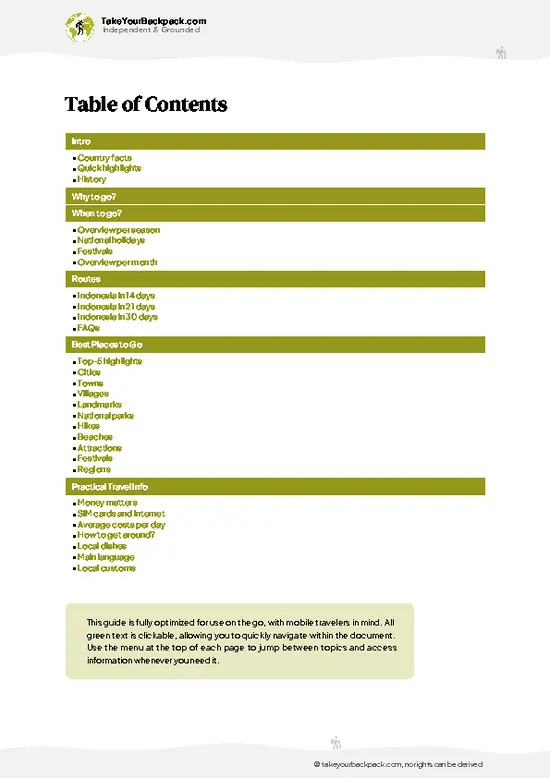
example page 2 from our offline Travel Guide for Indonesia
example page 3 from our offline Travel Guide for Indonesia
example page 4 from our offline Travel Guide for Indonesia
example page 5 from our offline Travel Guide for Indonesia
example page 6 from our offline Travel Guide for Indonesia
example page 7 from our offline Travel Guide for Indonesia
Loading the map 🌍
CLICK TO FILTER
cities
towns
villages
landmarks
national parks
hikes
beaches
attractions
festivals
regions
SHOW COUNTRY’S BESTSHOW ALL

✨ Why go?
Ranked #20 attraction in Indonesia
The unique appeal for travelers

Jakarta History Museum anchors your understanding of Indonesia's colonial machinery and the trade networks that shaped the nation. The building is the story: a restored Dutch governor's residence that physically embodies the power dynamics of the era. You'll encounter original artifacts from the spice trade, period furnishings, and archival documents that explain how Jakarta became a regional hub. It's essential context for anyone serious about Southeast Asian history, and it sits within walking distance of other Old Town sites, making it a natural anchor for a morning or afternoon. The museum rewards close looking rather than rushing through.

💡 HighlightsThe experiences that define the visit

  1. The Governor's Reception Hall: Original Dutch colonial furnishings and period decor that reveal how the elite lived during the 17th and 18th centuries.
  2. The Spice Trade Gallery: Maps, ledgers, and trade goods that explain why Europeans fought over the Indonesian archipelago for centuries.
  3. The Courtyard Garden: A quiet, shaded retreat with period plants and a well, offering respite from the city and a sense of how the mansion functioned daily.
  4. The Kitchen and Servants' Quarters: Often overlooked but revealing the hierarchy and daily operations behind the grand rooms upstairs.
  5. The Ceramic and Porcelain Collection: Chinese and European ceramics that traveled trade routes and ended up in colonial homes.
  6. The Weapons and Armor Display: Period military equipment and weapons that illustrate the colonial
… read more 👉
  1. The Governor's Reception Hall: Original Dutch colonial furnishings and period decor that reveal how the elite lived during the 17th and 18th centuries.
  2. The Spice Trade Gallery: Maps, ledgers, and trade goods that explain why Europeans fought over the Indonesian archipelago for centuries.
  3. The Courtyard Garden: A quiet, shaded retreat with period plants and a well, offering respite from the city and a sense of how the mansion functioned daily.
  4. The Kitchen and Servants' Quarters: Often overlooked but revealing the hierarchy and daily operations behind the grand rooms upstairs.
  5. The Ceramic and Porcelain Collection: Chinese and European ceramics that traveled trade routes and ended up in colonial homes.
  6. The Weapons and Armor Display: Period military equipment and weapons that illustrate the colonial military presence.
I'd start with the Governor's Reception Hall to get your bearings in the building's layout, then work through the spice trade gallery to understand the economic engine behind everything else you'll see.
Spotted a mistake or missing something? Contact us.

Things to do around Jakarta History Museum

Ratings based on Tripadvisor reviews. When you book through this link, you support our work at no extra cost to you.

🌤️ When to go?Seasonal considerations and timing

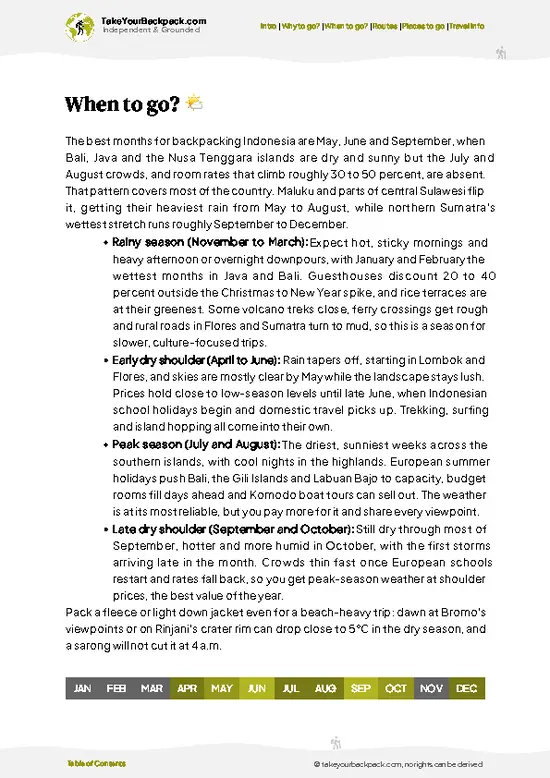
  • Dry Season (May to September): Best overall window. Temperatures hover around 26 to 31°C (79 to 88°F), humidity is lower, and Old Town streets are more pleasant for walking. Crowds peak on weekends but remain manageable on weekdays.
  • Wet Season (October to April): Afternoon downpours are common, temperatures climb to 28 to 32°C (82 to 90°F), and humidity becomes oppressive. The museum itself stays dry and cool, but getting there and exploring the surrounding area becomes uncomfortable.
  • Avoid National Holidays: Indonesian public holidays (especially Independence Day in August and year-end holidays) draw massive crowds to Old Town attractions.
Visit on a weekday morning to dodge crowds and enjoy the courtyard in relative peace.

source: climatestotravel.comJANJanuary: good for travelingFEBFebruary: good for travelingMARMarch: good for travelingAPRApril: good for travelingMAYMay: highly recommended for travelingJUNJune: highly recommended for travelingJULJuly: fair for travelingAUGAugust: fair for travelingSEPSeptember: highly recommended for travelingOCTOctober: highly recommended for travelingNOVNovember: good for travelingDECDecember: good for traveling
when-to-go

✈️ The backpacker research shortcutIndonesia Travel Guide

An offline-friendly backpacking guide with optimized travel routes, ranked highlights, transport advice, and the best areas to stay.
example page 0 from our offline Travel Guide for Indonesia
example page 1 from our offline Travel Guide for Indonesia
example page 2 from our offline Travel Guide for Indonesia
example page 3 from our offline Travel Guide for Indonesia
example page 4 from our offline Travel Guide for Indonesia
example page 5 from our offline Travel Guide for Indonesia
example page 6 from our offline Travel Guide for Indonesia
example page 7 from our offline Travel Guide for Indonesia
The digital guide (460 pages) contains:
✅ 153 highlights, ranked by travel appeal
✅ Optimized 14, 21 & 30-day travel routes
✅ Cities, national parks, landmarks, beaches
✅ How to get around
✅ Offline-friendly for travel without Wi-Fi
👉 Click to see all 30+ guide features

📅 Plan smarter in minutes, not weeks
✅ Month by month travel advice
✅ Festivals & national holidays
✅ Budget expectations

🗺️ Go to the right places, skip the overrated ones
✅ Honest pros & cons of destinations
✅ Top hikes, parks & viewpoints
✅ Lesser-known places most travelers miss
✅ Clear “worth it vs skip it” guidance

🛏️ Travel smoothly without rookie mistakes
✅ Best areas to stay
✅ Transport systems explained simply
✅ Common scams & safety advice
✅ SIM cards, money & practical tips

🌍 Understand the country, not just visit it
✅ Culture & traditions
✅ 52 Essential phrases & customs
✅ Festivals worth planning around
✅ Traveler-friendly historical context
✅ Insights that make places more meaningful

📱 Built for real travel conditions
✅ Fully downloadable PDF
✅ Works completely offline
✅ Optimized for phone use
✅ Useful in remote areas & buses
✅ Everything in one place
Stop searching, start planning
Get instant access to your full guide. 30‑day money-back guarantee.
+ Add another guide for just

By proceeding you agree to our terms.
Sent to your inbox immediately after payment • 100% Secure Checkout
Best Backpacking Travel Advisor 2025 tourism awardBest Backpacking
Travel Advisor
2025
What others say about Take Your Backpack Guides:
⭐⭐⭐⭐⭐
Fantastic, amazing amount of information!
⭐⭐⭐⭐⭐
My goodness this is amazing, it's what I've been looking for hats off too you!
⭐⭐⭐⭐⭐
I think this is absolutely BRILLIANT
⭐⭐⭐⭐
Very complete and informative. It's still missing places, but I gotta to commend you
⭐⭐⭐⭐⭐
This is truly amazing, thank you, can't wait to explore it with my kids!
⭐⭐⭐⭐⭐
Awesome resource, thank you!
⭐⭐⭐⭐⭐
This is amazing! Can't wait to explore the ones I haven't seen
⭐⭐⭐⭐
I love this! Well done, great idea.
⭐⭐⭐⭐⭐
Thanks for taking the time to make this gem!
⭐⭐⭐⭐⭐
This might be the best website I've ever seen.
⭐⭐⭐⭐⭐
Congratulations, and thank you so much for your work; it's incredibly valuable.
⭐⭐⭐⭐
In all seriousness I think you did a great job pointing out the important spots
⭐⭐⭐⭐⭐
10/10 very good
⭐⭐⭐⭐⭐
As someone who's only just starting to visit regularly this is awesome, thank you.
⭐⭐⭐⭐
Thank you very much! I'm going to visit my dad, it's going to be very useful!
⭐⭐⭐⭐⭐
This is really cool! We'll be travelling for the first time and this definitely come in handy.
⭐⭐⭐⭐⭐
You are now our minister of culture, congratulations 👨‍💼
⭐⭐⭐⭐⭐
Just wanted to tell you that this is a pearl! Going to follow your recommendations.
⭐⭐⭐⭐⭐
This is so cool. I'll definitely be using the resource for my travels soon.
⭐⭐⭐⭐⭐
This is very impressive! Good work.
⭐⭐⭐⭐⭐
This is an amazing and informative site. Very well done!

🛏️ Where to stay?Best areas and accommodation options

Stay in Old Town (Kota Tua) itself for maximum convenience and atmosphere. The neighborhood has budget hostels and guesthouses within walking distance of the museum, and you'll be surrounded by other colonial-era buildings, cafes, and street vendors. Central Jakarta (around Monas or Bundaran HI) offers more accommodation variety and nightlife but requires a 20 to 30-minute commute by taxi or bus. Menteng, a quieter residential area, sits between Old Town and Central Jakarta with mid-range guesthouses and easier access to other attractions. Old Town is the most atmospheric choice if you don't mind … read more 👉
Stay in Old Town (Kota Tua) itself for maximum convenience and atmosphere. The neighborhood has budget hostels and guesthouses within walking distance of the museum, and you'll be surrounded by other colonial-era buildings, cafes, and street vendors. Central Jakarta (around Monas or Bundaran HI) offers more accommodation variety and nightlife but requires a 20 to 30-minute commute by taxi or bus. Menteng, a quieter residential area, sits between Old Town and Central Jakarta with mid-range guesthouses and easier access to other attractions. Old Town is the most atmospheric choice if you don't mind narrow streets and occasional crowds; it's where the history lives.

👛 Costs (as of 15 October 2026)Typical daily expenses

Entry to Jakarta History Museum costs around USD 3 to 5 for foreign adults, making it one of Indonesia's cheapest major attractions. Budget for transport to Old Town (USD 1 to 3 by taxi or bus from central areas), a meal nearby (USD 2 to 6 for local food), and possibly a guided tour if you want deeper context (USD 10 to 20 for a private guide, optional). The museum itself has no hidden fees or additional charges once inside. A half-day visit including entry, transport, and food runs USD 8 to 15 total. Compare this to other Jakarta attractions: the National Monument costs USD 2 to 3, while shopping malls and restaurants in central areas run significantly higher. The museum's real value lies in its low cost paired with genuine historical substance.

source: indonesia.travel
⚠️ Prices can change and everyone travels differently, so take this as a rough guide. Hope it helps you plan your adventure!

FAQTraveler FAQ

Plan 1.5 to 2 hours for a thorough visit. The museum has three floors of exhibits, but most travelers spend 60 to 90 minutes reading labels and absorbing the colonial rooms. If you're rushing between other Kota Tua sites like the Fatahillah Museum or the old harbor, you can cover the highlights in 45 minutes.
Yes, if you're spending time in Kota Tua anyway. The entrance fee is around 50,000 to 75,000 IDR (USD 3 to 5), which is reasonable for a well-preserved colonial building with genuine historical depth. The real value lies in understanding Jakarta's past before exploring the neighborhood's streets and markets on foot.
From central Jakarta, take a taxi, ride-hailing app, or local bus heading to Kota Tua (Old Town). The museum sits on Jalan Taman Fatahillah in the historic district, about 5 to 10 kilometers north of Merdeka Square depending on your starting point. Travel time is typically 20 to 40 minutes depending on traffic; early morning or late afternoon offers the smoothest ride.
⚠️ Things can change over time, so always validate details locally before you go.

Other Indonesian attractions near Jakarta History Museum

Explore more nearby:


💡 Not sure where to go next?
Create a personalized itinerary for Indonesia including Jakarta History Museum and the places that fit your trip.

Generate my itinerary

👉 Discover all attractions

Or checkout all Indonesia has to offer (think cities, towns, villages, national parks, hikes, beaches, festivals)
Country photo of Indonesia

We 💚 feedbackIs it worth it?

The museum is genuinely the best entry point to understanding Jakarta's layered history without leaving the city center. The catch is that Kota Tua itself can feel chaotic and touristy on weekends, so visit on a weekday morning for a calmer experience.

✈️ When did I visit Indonesia?
As part of my 1.5 year travel around the world trip, I visited Indonesia twice (and it was worth it): first in September 2015 and a bit later again in January and February 2016.

✍️ Help improve this page!
The information on this page is based on my own backpacking experience in Indonesia, supplemented with up-to-date research and feedback from other travelers. Travel details can change, so if you notice anything outdated or incomplete, feel free to let me know.


🙋‍♂️ Give feedback

👋 Meet the founderWho’s Behind Take Your Backpack?

Johan, backpacker and founder of TakeYourBackpackHi, I’m Johan (Netherlands 🇳🇱), the creator of TakeYourBackpack. Over the past 3 decades, I’ve backpacked through 90+ countries across six continents, gaining extensive experience with independent travel, long-term trips, and overland routes.

This site is built on a combination of firsthand travel experience and carefully curated insights from other backpackers. Many guides are based on places I’ve personally visited, while others bring together tips, observations, and practical advice shared by trusted travelers I’ve met along the way.

The goal is to provide realistic, experience-driven guidance — not generic itineraries — so you can explore destinations with better context, clearer expectations, and more confidence.