×

Indonesia🇮🇩 | festivalsRambu SoloToraja funerals, buffalo sacrifice, ancestral houses | things to do and best time to go

Explore Reog Ponorogo FestivalExplore Erau Festival

Backpacking in Rambu Solo
👌 Worth visitingfestival ranked #14
By Johan Kruseman 🇳🇱 | Updated June 5, 2026

Years ago, Rambu Solo in Tana Toraja, high in the hills of South Sulawesi, felt raw and intimate: family compounds, slow gongs, buffalo in the mud, and you as a quiet observer on the edge of real grief. Today, it’s still powerful, but more organized, more phones out, more guides hustling “front-row” access. This isn’t a music festival; it’s a multi-day funeral ceremony with hypnotic chanting, bamboo percussion, and a heavy, serious mood. Backpackers come for the cultural shockwave, not the party. It’s worth visiting if you can handle blood, crowds, and being very, very respectful.

Discover everything you want to know in the 📖 Indonesia Travel Guide.
Loading the map 🌍
CLICK TO FILTER
cities
towns
landmarks
national parks
hikes
beaches
attractions
festivals
regions
SHOW COUNTRY’S BESTSHOW ALL

✨ Why go?
Ranked #14 festival in Indonesia
The unique appeal for travelers

Backpackers flock to Rambu Solo for its electric social energy and the chance to dive into a temporary community that pulses with life. This festival isn’t just a spectacle; it’s a cultural immersion where you can witness traditional rituals and connect with locals in a way that’s hard to replicate elsewhere. Plus, it’s incredibly affordable compared to similar events around the globe, allowing you to stretch your budget for more adventures. Planning your route around Rambu Solo means weaving this vibrant experience into your larger travel narrative, making every step of your journey feel like a thrilling chapter in your backpacking saga.
Want to include Rambu Solo in your Indonesia route?
Create a personalized Indonesia itinerary that includes Rambu Solo and the places that fit your trip — based on your travel style, budget, and available time. Get your route in seconds.

Generate my trip

💡 HighlightsKey sights and experiences for travelers

  1. The Processions and Coffin Rituals — The slow, ceremonial marches that move the deceased between family houses, tongkonan (traditional houses), and burial sites are the backbone of Rambu Solo’. Ornately carved coffins, formal speeches, and the sheer scale of community involvement make these moments feel both intimate and monumental. Watch quietly; they’re a public ritual, not a spectacle.
  2. Tau-tau: Life-Size Ancestral Effigies — These wooden likenesses of the dead, often placed on balconies or cliff faces, are unnervingly lifelike and striking to see up close. Tau-tau bridge the living and the ancestors visually — they’re a Torajan signature and one of the most photogenic (and solemn) parts of the rites.
  3. Buffalo and Animal Ceremonies — Wealth and respect in Toraja are measured in buffalo.
read more 👉
  1. The Processions and Coffin Rituals — The slow, ceremonial marches that move the deceased between family houses, tongkonan (traditional houses), and burial sites are the backbone of Rambu Solo’. Ornately carved coffins, formal speeches, and the sheer scale of community involvement make these moments feel both intimate and monumental. Watch quietly; they’re a public ritual, not a spectacle.
  2. Tau-tau: Life-Size Ancestral Effigies — These wooden likenesses of the dead, often placed on balconies or cliff faces, are unnervingly lifelike and striking to see up close. Tau-tau bridge the living and the ancestors visually — they’re a Torajan signature and one of the most photogenic (and solemn) parts of the rites.
  3. Buffalo and Animal Ceremonies — Wealth and respect in Toraja are measured in buffalo. From ceremonial offerings to traditional buffalo fights or slaughtering rites, animals play a central symbolic role in negotiating the passage to the afterlife. It’s powerful and can be confronting, so go in with respect and an understanding that this is sacred, not entertainment.
  4. Traditional Music, Laments and Dances — The funeral soundscape — gong ensembles, ritual songs, and choreographed dances — gives Rambu Solo’ its emotional rhythm. These performances aren’t just cultural extras; they’re integral to mourning and closure, with call-and-response chants and layered percussion that linger long after the ceremony ends.
  5. Feasting, Markets and Communal Hospitality — Rambu Solo’ turns funerals into massive communal events: tables loaded with rice and pork, temporary markets selling textiles and carvings, and families hosting dozens of guests. It’s the social heart of the festival — noisy, messy, warm. Personal favorite: being invited to sit, eat, and hear stories from relatives; that’s where you actually feel the culture.
Spotted a mistake or missing something? Contact us.

Things to do around Rambu Solo

Ratings based on Tripadvisor reviews. When you book through this link, you support our work at no extra cost to you.

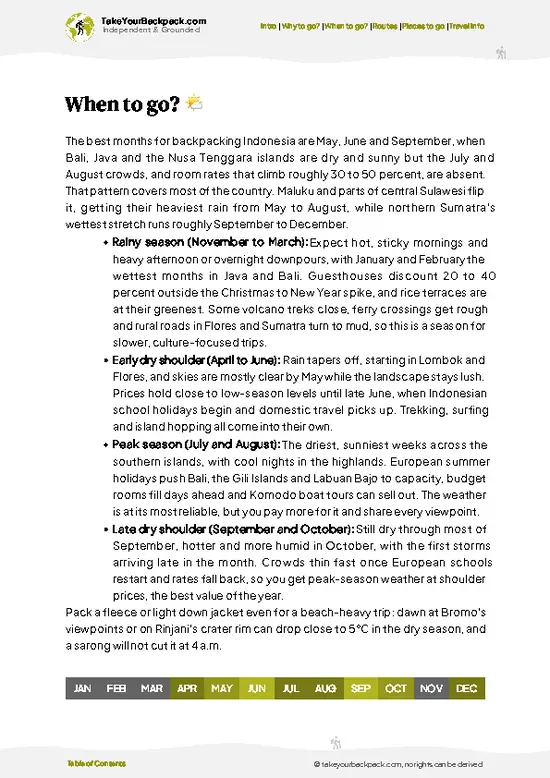
🌤️ When to go?When is the celebration of Rambu Solo?


  • Topic: Weather – The dry season from June to September is your best bet. Expect less rain, making the rugged terrain easier to navigate and the festival’s outdoor ceremonies more accessible.

  • Topic: Temperature – Daytime highs hover around 28-32°C (82-90°F), with cooler nights dropping to 20-24°C (68-75°F). Dress in layers to handle the tropical heat by day and mild chill after sunset.

  • Topic: Daylight Hours – Roughly 11-12 hours of daylight year-round, but the dry season offers clearer skies, maximizing your daylight for trekking and soaking in the festival’s full spectacle.

  • Topic: Crowds – Peak festival time draws locals and tourists alike, but the remote location naturally limits overcrowding. Arrive early to secure lodging and prime viewing spots.

  • Topic: Seasonal Activities
read more 👉

  • Topic: Weather – The dry season from June to September is your best bet. Expect less rain, making the rugged terrain easier to navigate and the festival’s outdoor ceremonies more accessible.

  • Topic: Temperature – Daytime highs hover around 28-32°C (82-90°F), with cooler nights dropping to 20-24°C (68-75°F). Dress in layers to handle the tropical heat by day and mild chill after sunset.

  • Topic: Daylight Hours – Roughly 11-12 hours of daylight year-round, but the dry season offers clearer skies, maximizing your daylight for trekking and soaking in the festival’s full spectacle.

  • Topic: Crowds – Peak festival time draws locals and tourists alike, but the remote location naturally limits overcrowding. Arrive early to secure lodging and prime viewing spots.

  • Topic: Seasonal Activities – The dry months align with traditional ceremonies and rituals, so you catch the festival at its most authentic and intense.

  • Topic: Price Fluctuations – Expect a spike in accommodation and transport costs during the festival’s peak in July and August. Booking ahead can save you from last-minute price gouging.


Pro-tip: Time your visit for early July—weather’s solid, crowds manageable, and you’ll catch the festival’s crescendo without burning your budget or your energy.


source: climatestotravel.comJANJanuary: not recommended for travelingFEBFebruary: not recommended for travelingMARMarch: not recommended for travelingAPRApril: not recommended for travelingMAYMay: not recommended for travelingJUNJune: not recommended for travelingJULJuly: excellent for travelingAUGAugust: not recommended for travelingSEPSeptember: not recommended for travelingOCTOctober: not recommended for travelingNOVNovember: not recommended for travelingDECDecember: not recommended for traveling

✈️ The backpacker research shortcutIndonesia Travel Guide

An offline-friendly backpacking guide with optimized travel routes, ranked highlights, transport advice, and the best areas to stay.
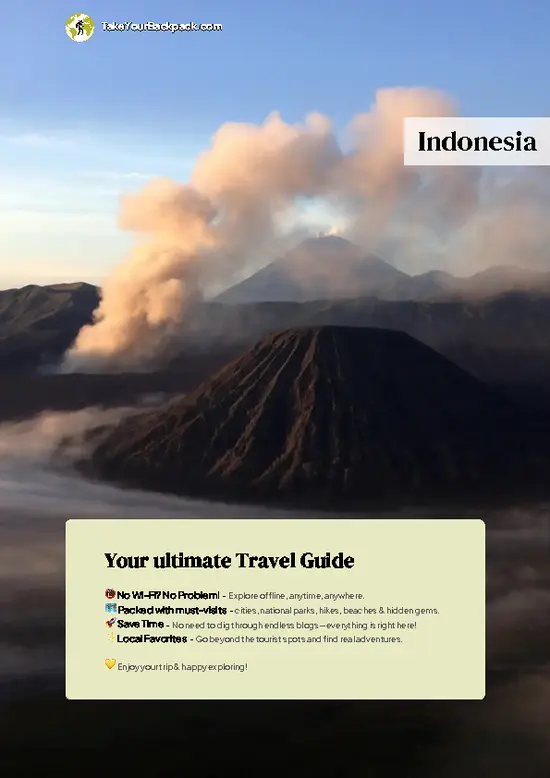
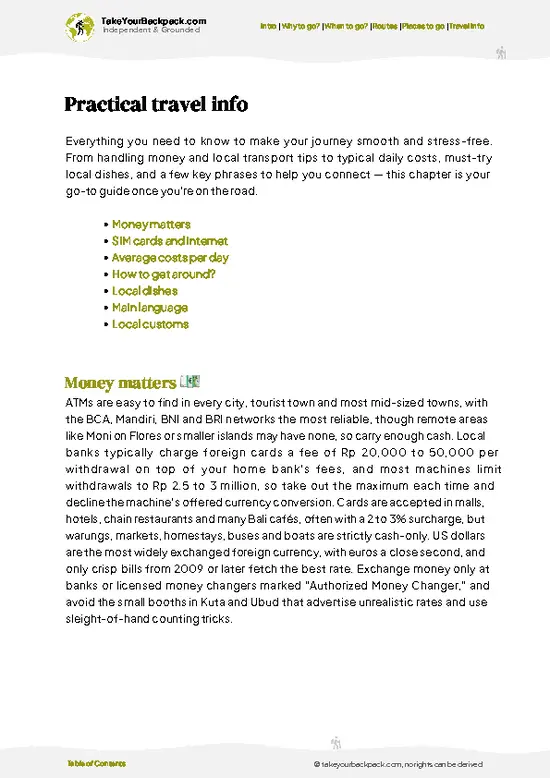
example page 0 from our offline Travel Guide for Indonesia
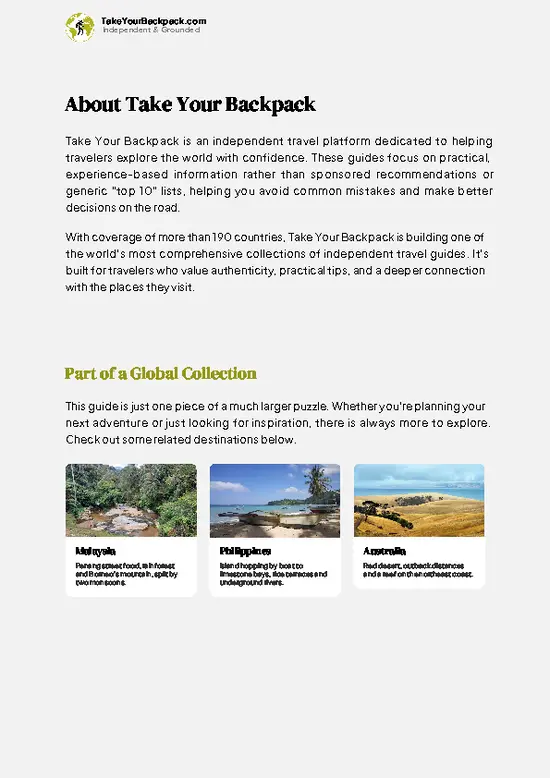
example page 1 from our offline Travel Guide for Indonesia
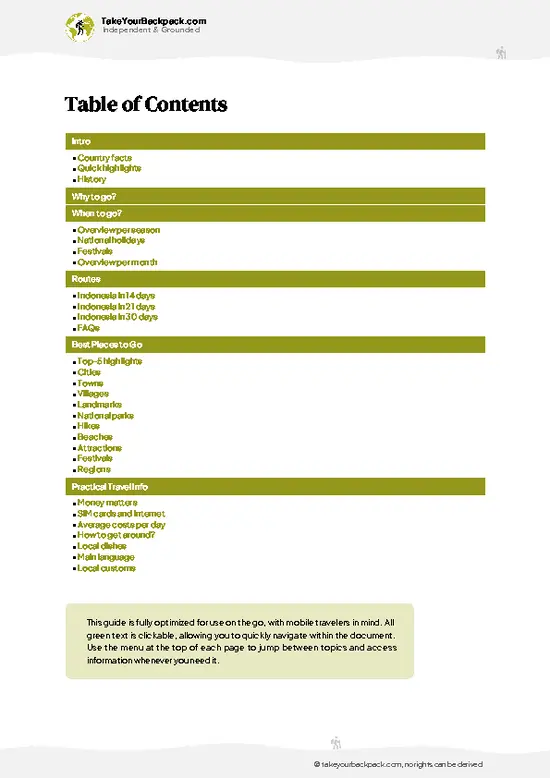
example page 2 from our offline Travel Guide for Indonesia
example page 3 from our offline Travel Guide for Indonesia
example page 4 from our offline Travel Guide for Indonesia
example page 5 from our offline Travel Guide for Indonesia
example page 6 from our offline Travel Guide for Indonesia
example page 7 from our offline Travel Guide for Indonesia
The digital guide (550 pages) contains:
155 highlights, ranked by travel appeal
Optimized 14, 21 & 30-day travel routes
Cities, national parks, landmarks, beaches
How to get around
Offline-friendly for travel without Wi-Fi
👉 Click to see all 30+ guide features

📅 Plan smarter in minutes, not weeks
Month by month travel advice
Festivals & national holidays
Budget expectations

🗺️ Go to the right places, skip the overrated ones
Honest pros & cons of destinations
Top hikes, parks & viewpoints
Lesser-known places most travelers miss
Clear “worth it vs skip it” guidance

🛏️ Travel smoothly without rookie mistakes
Best areas to stay
Transport systems explained simply
Common scams & safety advice
SIM cards, money & practical tips

🌍 Understand the country, not just visit it
Culture & traditions
52 Essential phrases & customs
Festivals worth planning around
Traveler-friendly historical context
Insights that make places more meaningful

📱 Built for real travel conditions
Fully downloadable PDF
Works completely offline
Optimized for phone use
Useful in remote areas & buses
Everything in one place
Save weeks of stressful planning
Get instant access to your full guide. 30‑day money-back guarantee.


By proceeding you agree to our terms.
Sent to your inbox immediately after payment • 100% Secure Checkout
Best Backpacking Travel Advisor 2025 tourism awardBest Backpacking
Travel Advisor
2025
What others say about Take Your Backpack Guides:
⭐⭐⭐⭐⭐
Fantastic, amazing amount of information!
⭐⭐⭐⭐⭐
My goodness this is amazing, it's what I've been looking for hats off too you!
⭐⭐⭐⭐⭐
I think this is absolutely BRILLIANT
⭐⭐⭐⭐
Very complete and informative. It's still missing places, but I gotta to commend you
⭐⭐⭐⭐⭐
This is truly amazing, thank you, can't wait to explore it with my kids!
⭐⭐⭐⭐⭐
Awesome resource, thank you!
⭐⭐⭐⭐⭐
This is amazing! Can't wait to explore the ones I haven't seen
⭐⭐⭐⭐
I love this! Well done, great idea.
⭐⭐⭐⭐⭐
Thanks for taking the time to make this gem!
⭐⭐⭐⭐⭐
This might be the best website I've ever seen.
⭐⭐⭐⭐⭐
Congratulations, and thank you so much for your work; it's incredibly valuable.
⭐⭐⭐⭐
In all seriousness I think you did a great job pointing out the important spots
⭐⭐⭐⭐⭐
10/10 very good
⭐⭐⭐⭐⭐
As someone who's only just starting to visit regularly this is awesome, thank you.
⭐⭐⭐⭐
Thank you very much! I'm going to visit my dad, it's going to be very useful!
⭐⭐⭐⭐⭐
This is really cool! We'll be travelling for the first time and this definitely come in handy.
⭐⭐⭐⭐⭐
You are now our minister of culture, congratulations 👨‍💼
⭐⭐⭐⭐⭐
Just wanted to tell you that this is a pearl! Going to follow your recommendations.
⭐⭐⭐⭐⭐
This is so cool. I'll definitely be using the resource for my travels soon.
⭐⭐⭐⭐⭐
This is very impressive! Good work.
⭐⭐⭐⭐⭐
This is an amazing and informative site. Very well done!

🛏️ Where to stay?Best areas to stay in Indonesia

Stay around Ubud for a vibrant backpacker scene. It’s buzzing with energy, filled with cafes and shops, and you’ll find fellow travelers eager to share stories. The rice paddies create a stunning backdrop for your adventures, and the proximity to Rambu Solo means you won’t miss a beat.

Consider the area near Kuta for a more laid-back vibe. It’s safe, with plenty of budget-friendly options and a beachy atmosphere. You’ll meet other solo adventurers, and the nightlife is lively without being overwhelming.

Seminyak offers a trendy twist. It’s a bit pricier but worth it for the chic cafes and boutique … read more 👉
Stay around Ubud for a vibrant backpacker scene. It’s buzzing with energy, filled with cafes and shops, and you’ll find fellow travelers eager to share stories. The rice paddies create a stunning backdrop for your adventures, and the proximity to Rambu Solo means you won’t miss a beat.

Consider the area near Kuta for a more laid-back vibe. It’s safe, with plenty of budget-friendly options and a beachy atmosphere. You’ll meet other solo adventurers, and the nightlife is lively without being overwhelming.

Seminyak offers a trendy twist. It’s a bit pricier but worth it for the chic cafes and boutique shops. You’ll feel the pulse of Bali while keeping your budget in check.

👛 Costs (as of 17 December 2024)What things cost and how to budget

Rambu Solo is a vibrant festival that draws travelers eager for cultural immersion. Here’s how to navigate the costs like a pro, ensuring you keep your energy and budget intact for the experiences that matter.
  • Festival Tickets: Expect to pay around $10 to $30 for entry. Prices can vary based on the day and events you want to catch. Grab your tickets early to avoid last-minute price hikes.
  • Accommodation: Options range from budget hostels at about $10 to $20 per night to mid-range hotels costing $30 to $70. Book in advance to secure a spot close to the festival action. Don’t forget to check for any hidden fees like service charges.
  • Local Transport: Budget around $5 to $15 per day for local transport. Use ride-hailing apps or local buses to keep costs low. Walking is also a great way to soak in
read more 👉
Rambu Solo is a vibrant festival that draws travelers eager for cultural immersion. Here’s how to navigate the costs like a pro, ensuring you keep your energy and budget intact for the experiences that matter.
  • Festival Tickets: Expect to pay around $10 to $30 for entry. Prices can vary based on the day and events you want to catch. Grab your tickets early to avoid last-minute price hikes.
  • Accommodation: Options range from budget hostels at about $10 to $20 per night to mid-range hotels costing $30 to $70. Book in advance to secure a spot close to the festival action. Don’t forget to check for any hidden fees like service charges.
  • Local Transport: Budget around $5 to $15 per day for local transport. Use ride-hailing apps or local buses to keep costs low. Walking is also a great way to soak in the atmosphere, but be prepared for some heat!
  • Food & Drinks: Street food is your best friend here. You can enjoy meals for as little as $2 to $5. If you opt for sit-down restaurants, expect to spend $10 to $20 per meal. Hydration is key, so factor in another $1 to $3 for drinks.
  • Miscellaneous Expenses: Set aside $20 to $50 for souvenirs, tips, or unexpected costs. This cushion will help you enjoy spontaneous experiences without stress.

Keep these figures in mind as you plan. They’ll help you avoid the pitfalls that can drain your energy and budget, allowing you to focus on the vibrant experiences that Rambu Solo has to offer.


source: indonesia.travel
⚠️ Prices can change and everyone travels differently, so take this as a rough guide. Hope it helps you plan your adventure!

🍲 FoodEating & Drinking in Rambu Solo

At the Rambu Solo festival, food is a vibrant celebration. Dive into sate—skewered meat grilled to perfection, often served with a spicy peanut sauce. Don’t miss the nasi liwet, a fragrant rice dish cooked with coconut milk and spices, served in banana leaves.

Quench your thirst with es dawet, a sweet, refreshing drink made from rice flour and palm sugar.

Expect bustling stalls, where sharing is part of the fun. Lines can get long, so be patient; it’s all part of the experience. Bring cash—some vendors might not accept cards. Serving sizes are generous, so consider splitting dishes to sample more. Embrace the chaos; it’s where the festival’s heart beats strongest.

Other Indonesian festivals near Rambu Solo

Explore more nearby:


💡 Not sure where to go next?
Create a personalized itinerary for Indonesia including Rambu Solo and the places that fit your trip.

Generate my itinerary

👉 Discover all festivals

Or checkout all Indonesia has to offer (think cities, towns, villages, national parks, hikes, beaches, festivals)
Country photo of Indonesia

We 💚 feedbackFinal thoughts on celebrating the Rambu Solo

Rambu Solo is a wild celebration of culture and community that’ll ignite your spirit. But beware: the heat can be relentless, and hydration is key. Embrace the sweat, though; it’s part of the adventure. Focus on the connections you make, and let the energy of the festival fuel your journey.

✈️ When did I visit Indonesia?
As part of my 1.5 year travel around the world trip, I visited Indonesia twice (and it was worth it. First in September 2015 and a bit later again in January and February 2016.

✍️ Help improve this page!
The information on this page is based on my own backpacking experience in Indonesia, supplemented with up-to-date research and feedback from other travelers. Travel details can change, so if you notice anything outdated or incomplete, feel free to let me know.


🙋‍♂️ Give feedback

👋 Meet the founderWho’s Behind Take Your Backpack?

Johan, backpacker and founder of TakeYourBackpackHi, I’m Johan (Netherlands 🇳🇱), the creator of TakeYourBackpack. Over the past decade, I’ve backpacked through 80+ countries across six continents, gaining extensive experience with independent travel, long-term trips, and overland routes.

This site is built on a combination of firsthand travel experience and carefully curated insights from other backpackers. Many guides are based on places I’ve personally visited, while others bring together tips, observations, and practical advice shared by trusted travelers I’ve met along the way.

The goal is to provide realistic, experience-driven guidance — not generic itineraries — so you can explore destinations with better context, clearer expectations, and more confidence.

Get full Indonesia guide •
Instant download • 155 highlights • Full Offline guide