
×

Indonesia🇮🇩 | festivalsReog Ponorogo Festivalgiant lion masks, trance dance, East Java folklore | things to do and best time to go

Explore Kasada FestivalExplore Rambu Solo

Backpacking in Reog Ponorogo
👌 Worth visitingfestival ranked #16
By Johan Kruseman 🇳🇱 | Updated October 15, 2026

Most travelers discover too late that Reog Ponorogo Festival costs a fraction of Southeast Asia's major events, leaving your budget intact for exploring beyond the festival grounds. Held in Ponorogo, a town in East Java, this explosive celebration of masked dance, percussion, and local pride unfolds each November with an energy that catches you off guard. I remember standing in the pre-dawn darkness as the first reog dancers emerged, their massive peacock-like masks catching torchlight, the ground trembling under synchronized footsteps and the raw percussion that seemed to shake your chest from the inside out. The festival draws Indonesian families and curious travelers into a genuine cultural moment, not a performance staged for outsiders. It's raw, loud, and deeply rooted in local tradition.

Discover everything you want to know in the 📖 Indonesia Travel Guide.


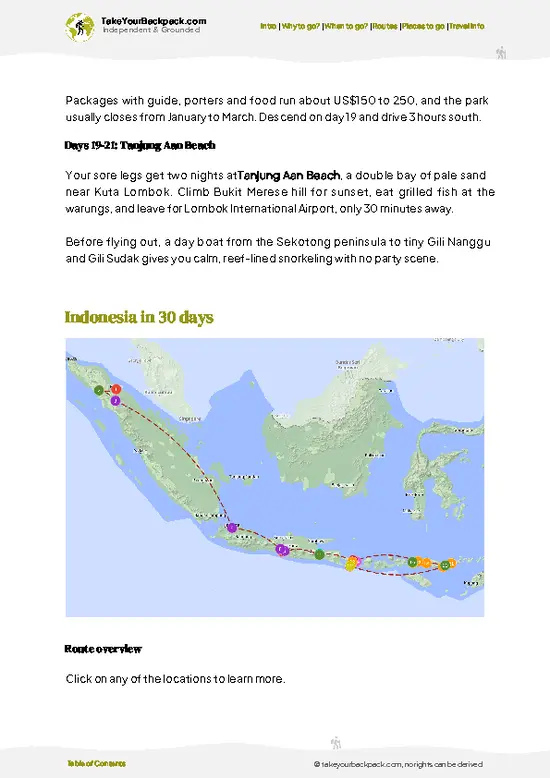
example page 0 from our offline Travel Guide for Indonesia
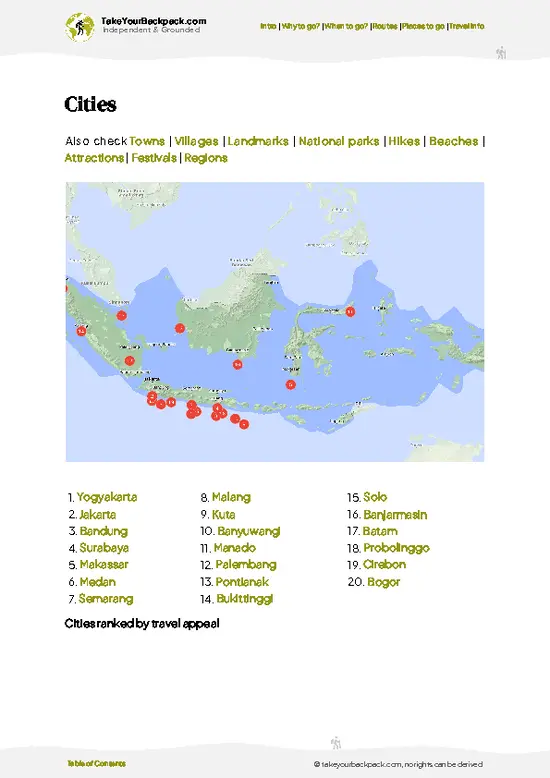
example page 1 from our offline Travel Guide for Indonesia
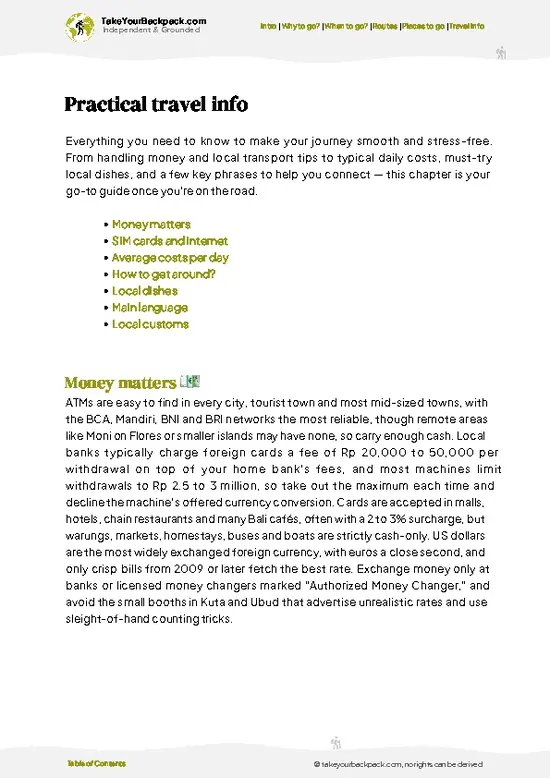
example page 2 from our offline Travel Guide for Indonesia
example page 3 from our offline Travel Guide for Indonesia
example page 4 from our offline Travel Guide for Indonesia
example page 5 from our offline Travel Guide for Indonesia
example page 6 from our offline Travel Guide for Indonesia
example page 7 from our offline Travel Guide for Indonesia
Loading the map 🌍
CLICK TO FILTER
cities
towns
villages
landmarks
national parks
hikes
beaches
attractions
festivals
regions
SHOW COUNTRY’S BESTSHOW ALL

✨ Why go?
Ranked #16 festival in Indonesia
Why Reog Ponorogo should be on your travel list

Reog Ponorogo Festival pulls backpackers into authentic cultural immersion without the tourist infrastructure that inflates prices elsewhere. The festival celebrates East Javanese identity through masked dance traditions and percussion-driven performances that feel alive rather than curated. You'll find genuine community energy alongside budget-friendly accommodation and food, making it possible to experience a major Indonesian festival without draining your account. The event fits naturally into longer Java routes, sitting between Surabaya and other cultural sites. Solo travelers and small groups base themselves here for the festival and stay longer to explore the surrounding region's temples and rural landscapes.

💡 HighlightsKey sights and experiences for travelers

  1. The Reog Dance Performance: The centerpiece of the festival features performers in elaborate costumes with massive, ornate masks weighing up to 40 kilograms, moving in synchronized, hypnotic patterns. The sheer physicality and artistry of the dancers, combined with the thunderous gamelan music, creates an energy that pulls you into the spectacle.
  2. Night Parade Through Ponorogo Town: Thousands of performers and spectators flood the streets after dark, with illuminated floats, traditional music groups, and dancers moving through the town center. The parade transforms the entire city into a moving celebration, and you can position yourself anywhere along the route for an unobstructed view.
  3. Gamelan Music and Traditional Orchestras: Live gamelan ensembles perform throughout the festival, their metallic,
… read more 👉
  1. The Reog Dance Performance: The centerpiece of the festival features performers in elaborate costumes with massive, ornate masks weighing up to 40 kilograms, moving in synchronized, hypnotic patterns. The sheer physicality and artistry of the dancers, combined with the thunderous gamelan music, creates an energy that pulls you into the spectacle.
  2. Night Parade Through Ponorogo Town: Thousands of performers and spectators flood the streets after dark, with illuminated floats, traditional music groups, and dancers moving through the town center. The parade transforms the entire city into a moving celebration, and you can position yourself anywhere along the route for an unobstructed view.
  3. Gamelan Music and Traditional Orchestras: Live gamelan ensembles perform throughout the festival, their metallic, layered sound creating the sonic backbone of every event. The complexity of the rhythms and the precision of the musicians reward close listening and offer a direct connection to Javanese musical tradition.
  4. Costume and Mask Craftsmanship Displays: Artisans showcase the intricate process of creating the festival's iconic masks and costumes, often allowing visitors to observe or photograph the work up close. These pieces represent months of labor and carry deep cultural significance beyond their visual impact.
  5. Local Food Stalls and Night Markets: The festival grounds and surrounding streets fill with vendors selling regional specialties, from satay to traditional sweets, offering authentic flavors at prices far lower than tourist restaurants. The casual, crowded atmosphere of eating street food alongside locals captures the festival's communal spirit.


I'd pick the night parade first. There's nothing quite like being swept up in thousands of people moving through candlelit streets, the masks catching firelight, the drums so loud you feel them in your chest. It's the moment the festival stops being a performance and becomes a shared experience.
Spotted a mistake or missing something? Contact us.

Things to do near Reog Ponorogo Festival

Ratings based on Tripadvisor reviews. When you book through this link, you support our work at no extra cost to you.

🌤️ When to go?When is the celebration of Reog Ponorogo Festival?

  • November (Festival Month): Reog Ponorogo Festival takes place in November, typically mid-month. Temperatures range from 24 to 32°C (75 to 90°F), with occasional rain. Crowds peak during the main festival days, and accommodation fills quickly. Book lodging weeks ahead.
  • Dry Season (May to September): Clear skies and lower humidity make travel comfortable, though the festival isn't happening. Temperatures stay warm, 25 to 32°C (77 to 90°F). Fewer tourists mean easier access to local sites and lower prices.
  • Rainy Season (October to April): Heavy downpours are common, especially October through December. Humidity climbs, and some roads become difficult. Festival month (November) falls here, so expect wet conditions alongside crowds.
Plan your trip around mid-November for the festival itself; arrive … read more 👉
  • November (Festival Month): Reog Ponorogo Festival takes place in November, typically mid-month. Temperatures range from 24 to 32°C (75 to 90°F), with occasional rain. Crowds peak during the main festival days, and accommodation fills quickly. Book lodging weeks ahead.
  • Dry Season (May to September): Clear skies and lower humidity make travel comfortable, though the festival isn't happening. Temperatures stay warm, 25 to 32°C (77 to 90°F). Fewer tourists mean easier access to local sites and lower prices.
  • Rainy Season (October to April): Heavy downpours are common, especially October through December. Humidity climbs, and some roads become difficult. Festival month (November) falls here, so expect wet conditions alongside crowds.
Plan your trip around mid-November for the festival itself; arrive a few days early to secure accommodation and acclimate.


source: climatestotravel.comJANJanuary: not recommended for travelingFEBFebruary: not recommended for travelingMARMarch: not recommended for travelingAPRApril: not recommended for travelingMAYMay: excellent for travelingJUNJune: not recommended for travelingJULJuly: not recommended for travelingAUGAugust: not recommended for travelingSEPSeptember: not recommended for travelingOCTOctober: not recommended for travelingNOVNovember: not recommended for travelingDECDecember: not recommended for traveling

✈️ The backpacker research shortcutIndonesia Travel Guide

An offline-friendly backpacking guide with optimized travel routes, ranked highlights, transport advice, and the best areas to stay.
example page 0 from our offline Travel Guide for Indonesia
example page 1 from our offline Travel Guide for Indonesia
example page 2 from our offline Travel Guide for Indonesia
example page 3 from our offline Travel Guide for Indonesia
example page 4 from our offline Travel Guide for Indonesia
example page 5 from our offline Travel Guide for Indonesia
example page 6 from our offline Travel Guide for Indonesia
example page 7 from our offline Travel Guide for Indonesia
The digital guide (460 pages) contains:
✅ 153 highlights, ranked by travel appeal
✅ Optimized 14, 21 & 30-day travel routes
✅ Cities, national parks, landmarks, beaches
✅ How to get around
✅ Offline-friendly for travel without Wi-Fi
👉 Click to see all 30+ guide features

📅 Plan smarter in minutes, not weeks
✅ Month by month travel advice
✅ Festivals & national holidays
✅ Budget expectations

🗺️ Go to the right places, skip the overrated ones
✅ Honest pros & cons of destinations
✅ Top hikes, parks & viewpoints
✅ Lesser-known places most travelers miss
✅ Clear “worth it vs skip it” guidance

🛏️ Travel smoothly without rookie mistakes
✅ Best areas to stay
✅ Transport systems explained simply
✅ Common scams & safety advice
✅ SIM cards, money & practical tips

🌍 Understand the country, not just visit it
✅ Culture & traditions
✅ 52 Essential phrases & customs
✅ Festivals worth planning around
✅ Traveler-friendly historical context
✅ Insights that make places more meaningful

📱 Built for real travel conditions
✅ Fully downloadable PDF
✅ Works completely offline
✅ Optimized for phone use
✅ Useful in remote areas & buses
✅ Everything in one place
Stop searching, start planning
Get instant access to your full guide. 30‑day money-back guarantee.
+ Add another guide for just

By proceeding you agree to our terms.
Sent to your inbox immediately after payment • 100% Secure Checkout
Best Backpacking Travel Advisor 2025 tourism awardBest Backpacking
Travel Advisor
2025
What others say about Take Your Backpack Guides:
⭐⭐⭐⭐⭐
Fantastic, amazing amount of information!
⭐⭐⭐⭐⭐
My goodness this is amazing, it's what I've been looking for hats off too you!
⭐⭐⭐⭐⭐
I think this is absolutely BRILLIANT
⭐⭐⭐⭐
Very complete and informative. It's still missing places, but I gotta to commend you
⭐⭐⭐⭐⭐
This is truly amazing, thank you, can't wait to explore it with my kids!
⭐⭐⭐⭐⭐
Awesome resource, thank you!
⭐⭐⭐⭐⭐
This is amazing! Can't wait to explore the ones I haven't seen
⭐⭐⭐⭐
I love this! Well done, great idea.
⭐⭐⭐⭐⭐
Thanks for taking the time to make this gem!
⭐⭐⭐⭐⭐
This might be the best website I've ever seen.
⭐⭐⭐⭐⭐
Congratulations, and thank you so much for your work; it's incredibly valuable.
⭐⭐⭐⭐
In all seriousness I think you did a great job pointing out the important spots
⭐⭐⭐⭐⭐
10/10 very good
⭐⭐⭐⭐⭐
As someone who's only just starting to visit regularly this is awesome, thank you.
⭐⭐⭐⭐
Thank you very much! I'm going to visit my dad, it's going to be very useful!
⭐⭐⭐⭐⭐
This is really cool! We'll be travelling for the first time and this definitely come in handy.
⭐⭐⭐⭐⭐
You are now our minister of culture, congratulations 👨‍💼
⭐⭐⭐⭐⭐
Just wanted to tell you that this is a pearl! Going to follow your recommendations.
⭐⭐⭐⭐⭐
This is so cool. I'll definitely be using the resource for my travels soon.
⭐⭐⭐⭐⭐
This is very impressive! Good work.
⭐⭐⭐⭐⭐
This is an amazing and informative site. Very well done!

🛏️ Where to stay?Best areas to stay in Indonesia

Stay in central Ponorogo, within walking distance or a short ride from the main festival grounds. The town center offers budget guesthouses and small hostels popular with backpackers, with rooms typically ranging from USD 8 to 20 per night. The area around Jalan Soekarno-Hatta holds several social, traveler-friendly options where you'll meet other visitors. During festival month, book accommodation at least two weeks ahead, as rooms fill quickly. Outside November, the town is quieter and cheaper, making it easy to find last-minute deals. Local transport via ojek (motorcycle taxi) or becak (three-wheeled … read more 👉
Stay in central Ponorogo, within walking distance or a short ride from the main festival grounds. The town center offers budget guesthouses and small hostels popular with backpackers, with rooms typically ranging from USD 8 to 20 per night. The area around Jalan Soekarno-Hatta holds several social, traveler-friendly options where you'll meet other visitors. During festival month, book accommodation at least two weeks ahead, as rooms fill quickly. Outside November, the town is quieter and cheaper, making it easy to find last-minute deals. Local transport via ojek (motorcycle taxi) or becak (three-wheeled cart) is inexpensive and reliable for reaching festival venues from your lodging.

👛 Costs (as of 15 October 2026)How expensive it really is

CategoryBudget RangeLocal Reality
Festival TicketsIDR 50,000 to 150,000 (USD 3 to 10)Entry fees vary by venue and seating area; many street performances and parades are free to watch from public spaces
AccommodationIDR 150,000 to 400,000 per night (USD 10 to 27)Budget hostels and guesthouses fill quickly during festival dates; booking 2 to 3 weeks ahead is essential to avoid price spikes or sold-out rooms
Local TransportIDR 10,000 to 50,000 per trip (USD 0.65 to 3)Ojek (motorcycle taxis) and local buses are cheap; expect congestion on festival nights, so allow extra time or walk short distances
Food & DrinksIDR 30,000 to 100,000 per day (USD 2 to 7)Street food and warung meals are inexpensive; festival stalls offer good value, though prices rise slightly during peak event hours
Miscellaneous ExpensesIDR
… read more 👉
CategoryBudget RangeLocal Reality
Festival TicketsIDR 50,000 to 150,000 (USD 3 to 10)Entry fees vary by venue and seating area; many street performances and parades are free to watch from public spaces
AccommodationIDR 150,000 to 400,000 per night (USD 10 to 27)Budget hostels and guesthouses fill quickly during festival dates; booking 2 to 3 weeks ahead is essential to avoid price spikes or sold-out rooms
Local TransportIDR 10,000 to 50,000 per trip (USD 0.65 to 3)Ojek (motorcycle taxis) and local buses are cheap; expect congestion on festival nights, so allow extra time or walk short distances
Food & DrinksIDR 30,000 to 100,000 per day (USD 2 to 7)Street food and warung meals are inexpensive; festival stalls offer good value, though prices rise slightly during peak event hours
Miscellaneous ExpensesIDR 50,000 to 150,000 (USD 3 to 10)Souvenirs, photos, and unplanned activities; most cultural experiences and sightseeing are low-cost or free
Reog Ponorogo is one of Indonesia's most affordable major festivals. The combination of cheap accommodation, inexpensive food, and low or free entry to many events means a backpacker can experience the full festival for USD 20 to 50 per day. The main cost trap is booking accommodation too late; rooms near the festival grounds can double in price or disappear entirely in the final week before the event. Plan transport to Ponorogo in advance as well, since buses fill up during festival season.
⚠️ Prices can change and everyone travels differently, so take this as a rough guide. Hope it helps you plan your adventure!

🍲 FoodLocal Flavors for Backpackers

Festival food centers on regional East Javanese specialties served from temporary stalls and permanent warung scattered around the grounds. Soto ayam, a turmeric-based chicken soup, appears everywhere and costs USD 1 to 2 per bowl. Satay skewers, fried tofu, and lumpia (spring rolls) are quick, affordable options. Jamu, traditional herbal drinks, offer authentic refreshment and cost under USD 1. Most vendors operate on cash only, so carry small bills. Serving sizes are generous by backpacker standards, and sharing plates is common practice. The festival atmosphere means eating happens standing up or perched on plastic stools, which is part of the experience. Avoid eating from stalls with visibly slow turnover; the busiest vendors guarantee fresher food and better prices.

FAQTraveler FAQ

Reog Ponorogo Festival takes place in November each year, typically mid-month around the 15th to 20th. The exact dates vary slightly annually, so check the official schedule before booking. The festival lasts approximately 3 to 5 days of main events, though celebrations extend across the entire month.
Festival attendance is largely free or very low-cost, with most performances and processions open to the public at no charge. Some premium viewing areas or special events may charge USD 3 to 5. Daily expenses for food, transport, and accommodation typically range from USD 25 to 50 for budget travelers.
Tickets are not required for most festival events, as the main performances and processions are free and open to anyone. If you want reserved seating for specific performances or premium viewing areas, purchase tickets on-site a few days before the event. Advance booking is not necessary for general festival attendance.
⚠️ Things can change over time, so always validate details locally before you go.

Other Indonesian festivals near Reog Ponorogo

Explore more nearby:

  • Sekaten—Yogyakarta palace, gamelan music, sacred relics| 78 km away
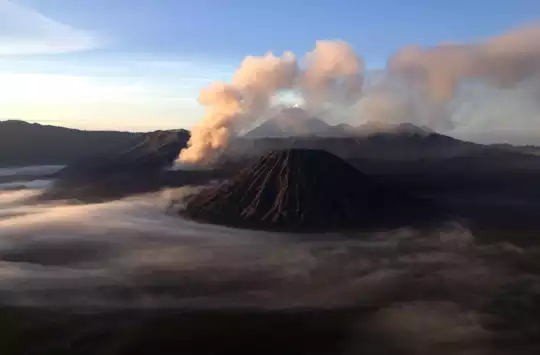
  • Kasada Festival—Mount Bromo crater rim, Tengger people, offerings thrown, midnight climb| 164 km away
  • Dieng Culture Festival—Dieng Plateau, hair-cutting ritual, lantern release, jazz on the heights| 187 km away

💡 Not sure where to go next?
Create a personalized itinerary for Indonesia including Reog Ponorogo and the places that fit your trip.

Generate my itinerary

👉 Discover all festivals

Or checkout all Indonesia has to offer (think cities, towns, villages, national parks, hikes, beaches, festivals)
Country photo of Indonesia

We 💚 feedbackKey takeaways before you go

Reog Ponorogo Festival delivers genuine cultural energy at a price that won't wreck your budget, making it a rare win for backpackers seeking authenticity. The main drawback is the November timing and limited English among locals, which requires patience and a willingness to navigate without constant translation.

✈️ When did I visit Indonesia?
As part of my 1.5 year travel around the world trip, I visited Indonesia twice (and it was worth it): first in September 2015 and a bit later again in January and February 2016.

✍️ Help improve this page!
The information on this page is based on my own backpacking experience in Indonesia, supplemented with up-to-date research and feedback from other travelers. Travel details can change, so if you notice anything outdated or incomplete, feel free to let me know.


🙋‍♂️ Give feedback

👋 Meet the founderWho’s Behind Take Your Backpack?

Johan, backpacker and founder of TakeYourBackpackHi, I’m Johan (Netherlands 🇳🇱), the creator of TakeYourBackpack. Over the past 3 decades, I’ve backpacked through 90+ countries across six continents, gaining extensive experience with independent travel, long-term trips, and overland routes.

This site is built on a combination of firsthand travel experience and carefully curated insights from other backpackers. Many guides are based on places I’ve personally visited, while others bring together tips, observations, and practical advice shared by trusted travelers I’ve met along the way.

The goal is to provide realistic, experience-driven guidance — not generic itineraries — so you can explore destinations with better context, clearer expectations, and more confidence.