
Sasak Traditional Houses (Rumah Adat Sade)
Step into the heart of Sade and you’ll find yourself surrounded by the low-slung, thatched roofs of authentic Sasak homes. These aren’t museum pieces—they’re living, breathing family dwellings, built from bamboo, wood, and dried alang-alang grass, with floors polished by a mixture of cow dung and clay. The scent is earthy, not unpleasant, and the air inside is cool even at midday. This is the best place on Lombok to see how the Sasak people have lived for generations. Guides—often local residents—will walk you through the village for a small tip (20,000-50,000 IDR is fair), sharing stories about marriage rituals, daily chores, and the logic behind the architecture. Early morning (before 10am) is best, when the light is soft and the village is still … read more 👉
Sasak Traditional Houses (Rumah Adat Sade)
Step into the heart of Sade and you’ll find yourself surrounded by the low-slung, thatched roofs of authentic Sasak homes. These aren’t museum pieces—they’re living, breathing family dwellings, built from bamboo, wood, and dried alang-alang grass, with floors polished by a mixture of cow dung and clay. The scent is earthy, not unpleasant, and the air inside is cool even at midday. This is the best place on Lombok to see how the Sasak people have lived for generations. Guides—often local residents—will walk you through the village for a small tip (20,000-50,000 IDR is fair), sharing stories about marriage rituals, daily chores, and the logic behind the architecture. Early morning (before 10am) is best, when the light is soft and the village is still waking up. Allow 45-60 minutes for a thorough visit.
Traditional Weaving Demonstrations
Sade’s women are renowned for their handwoven textiles—ikat and songket—created on wooden looms in the shade of their porches. The rhythmic clack of the loom is hypnotic, and the process is painstaking: every motif tells a story, and every sarong or scarf is a labor of weeks. You can watch the process up close, ask questions, and even try your hand at weaving (expect laughter and gentle coaching). Finished pieces are for sale, and while bargaining is expected, remember you’re buying direct from the maker—prices range from 100,000-400,000 IDR depending on size and intricacy. Late morning to early afternoon is ideal, when the weavers are most active. Plan for 30-45 minutes.
Village Cultural Performances
On certain days—especially during local festivals or when a group of visitors arrives—Sade hosts traditional music and dance performances. The Gendang Beleq (big drum) and stick-fighting (Peresean) are the highlights: raw, loud, and deeply rooted in Sasak identity. The energy is contagious, with kids darting between the dancers and elders watching from the shade. Performances aren’t guaranteed every day, but if you’re lucky, they’re worth pausing for. There’s usually no set fee, but a tip (20,000-50,000 IDR) is appreciated. If you hear the drums, follow the sound. Performances last 20-30 minutes.
Local Sasak Cuisine Sampling
Several families in Sade open their homes for simple, home-cooked meals. This isn’t a restaurant experience—think woven mats, spicy sambal, grilled fish, and rice served with a side of conversation. The flavors are bold and the portions generous. If you’re offered coffee, accept; it’s thick, sweet, and served with a smile. Expect to pay 30,000-60,000 IDR per person. Lunch is the best time, when the food is freshest and the midday heat slows everything down. Allow 45-60 minutes.
Handicraft Shopping with the Artisans
Beyond textiles, Sade’s artisans craft wooden masks, woven baskets, and simple jewelry. Skip the stalls at the entrance and wander deeper into the village, where you’ll find makers working in the shade of their homes. Prices are negotiable, but fair—expect 20,000-150,000 IDR depending on the item. The best time is late afternoon, when the light is golden and the pace is unhurried. Spend 20-30 minutes browsing and chatting.
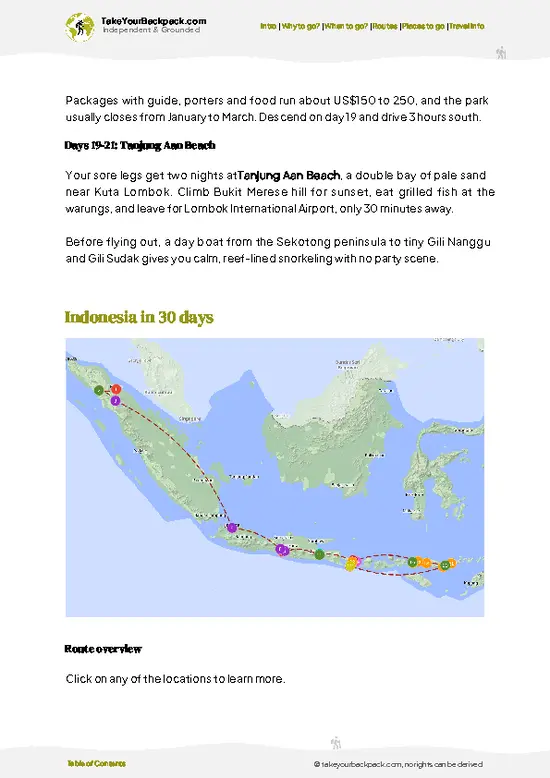
Sade is compact, but its spirit is immense. For day trips, the beaches of Kuta Lombok, the dramatic cliffs of Tanjung Aan, and the bustling market at Sukarara are all within easy reach—Tanjung Aan’s powdery sand is my personal favorite for a post-village swim.
Step into the heart of Sade and you’ll find yourself surrounded by the low-slung, thatched roofs of authentic Sasak homes. These aren’t museum pieces—they’re living, breathing family dwellings, built from bamboo, wood, and dried alang-alang grass, with floors polished by a mixture of cow dung and clay. The scent is earthy, not unpleasant, and the air inside is cool even at midday. This is the best place on Lombok to see how the Sasak people have lived for generations. Guides—often local residents—will walk you through the village for a small tip (20,000-50,000 IDR is fair), sharing stories about marriage rituals, daily chores, and the logic behind the architecture. Early morning (before 10am) is best, when the light is soft and the village is still waking up. Allow 45-60 minutes for a thorough visit.
Traditional Weaving Demonstrations
Sade’s women are renowned for their handwoven textiles—ikat and songket—created on wooden looms in the shade of their porches. The rhythmic clack of the loom is hypnotic, and the process is painstaking: every motif tells a story, and every sarong or scarf is a labor of weeks. You can watch the process up close, ask questions, and even try your hand at weaving (expect laughter and gentle coaching). Finished pieces are for sale, and while bargaining is expected, remember you’re buying direct from the maker—prices range from 100,000-400,000 IDR depending on size and intricacy. Late morning to early afternoon is ideal, when the weavers are most active. Plan for 30-45 minutes.
Village Cultural Performances
On certain days—especially during local festivals or when a group of visitors arrives—Sade hosts traditional music and dance performances. The Gendang Beleq (big drum) and stick-fighting (Peresean) are the highlights: raw, loud, and deeply rooted in Sasak identity. The energy is contagious, with kids darting between the dancers and elders watching from the shade. Performances aren’t guaranteed every day, but if you’re lucky, they’re worth pausing for. There’s usually no set fee, but a tip (20,000-50,000 IDR) is appreciated. If you hear the drums, follow the sound. Performances last 20-30 minutes.
Local Sasak Cuisine Sampling
Several families in Sade open their homes for simple, home-cooked meals. This isn’t a restaurant experience—think woven mats, spicy sambal, grilled fish, and rice served with a side of conversation. The flavors are bold and the portions generous. If you’re offered coffee, accept; it’s thick, sweet, and served with a smile. Expect to pay 30,000-60,000 IDR per person. Lunch is the best time, when the food is freshest and the midday heat slows everything down. Allow 45-60 minutes.
Handicraft Shopping with the Artisans
Beyond textiles, Sade’s artisans craft wooden masks, woven baskets, and simple jewelry. Skip the stalls at the entrance and wander deeper into the village, where you’ll find makers working in the shade of their homes. Prices are negotiable, but fair—expect 20,000-150,000 IDR depending on the item. The best time is late afternoon, when the light is golden and the pace is unhurried. Spend 20-30 minutes browsing and chatting.
Sade is compact, but its spirit is immense. For day trips, the beaches of Kuta Lombok, the dramatic cliffs of Tanjung Aan, and the bustling market at Sukarara are all within easy reach—Tanjung Aan’s powdery sand is my personal favorite for a post-village swim.
Spotted a mistake or missing something? Contact us.
v2.webp)


Best Backpacking
Hi, I’m Johan (Netherlands 🇳🇱), the creator of TakeYourBackpack. Over the past decade, I’ve backpacked through 80+ countries across six continents, gaining extensive experience with independent travel, long-term trips, and overland routes.