×

Indonesia🇮🇩 | landmarksSikidang Cratersteaming vents, sulfur pools, volcanic plateau | things to do and best time to go

Explore Prambanan Temple CompoundsExplore Borobudur Temple Compounds

Backpacking in Sikidang Crater
👀 For curious travelersunique site ranked #6
By Johan Kruseman 🇳🇱 | Updated June 2, 2026

Everyone shows Sikidang Crater as this wild, empty lunar landscape where you wander alone through steam clouds. That’s fantasy. In reality, Sikidang is a compact, heavily fenced-off geothermal pit with souvenir stalls and selfie chaos, sitting in the Dieng Plateau of Central Java, Indonesia. But here’s the thing: if you accept it as a raw, sulfur-reeking science lab instead of a serene volcano temple, it’s actually great. It’s cheap, easy to reach by angkot or motorbike, and the short walk-in makes it friendly for tired legs and first-time backpackers. The boiling mud pools and hissing vents are genuinely intense, and you can get dramatic photos if you angle away from the crowds. It’s not spiritually profound, but paired with Dieng’s temples and highland farms, it adds a gritty, elemental punch to your route.

Discover everything you want to know in the 📖 Indonesia Travel Guide.
Loading the map 🌍
CLICK TO FILTER
cities
towns
landmarks
national parks
hikes
beaches
attractions
festivals
regions
SHOW COUNTRY’S BESTSHOW ALL

✨ Why go?
Ranked #6 unique site in Indonesia
Why visitors keep coming back

Sikidang Crater is a must-see for backpackers in Indonesia, and here’s why. First off, the effort-to-reward ratio is solid. You’ll hike a short, manageable trail, and then—boom!—you’re greeted by bubbling mud pools and sulfuric steam. It’s like stepping into another world, and the unique landscape is a feast for the senses.

Now, let’s talk crowds. Yes, it can get busy, especially during peak hours. But if you time your visit for early morning or late afternoon, you’ll dodge the selfie sticks and actually soak in the raw beauty. The cost? Minimal. A small entrance fee gets you access to one of nature’s quirky wonders without breaking the bank.

Sikidang fits perfectly into a broader route through Java. Pair it with a visit to nearby Kawah Putih or the iconic Tangkuban Perahu. This isn’t just … read more 👉
Sikidang Crater is a must-see for backpackers in Indonesia, and here’s why. First off, the effort-to-reward ratio is solid. You’ll hike a short, manageable trail, and then—boom!—you’re greeted by bubbling mud pools and sulfuric steam. It’s like stepping into another world, and the unique landscape is a feast for the senses.

Now, let’s talk crowds. Yes, it can get busy, especially during peak hours. But if you time your visit for early morning or late afternoon, you’ll dodge the selfie sticks and actually soak in the raw beauty. The cost? Minimal. A small entrance fee gets you access to one of nature’s quirky wonders without breaking the bank.

Sikidang fits perfectly into a broader route through Java. Pair it with a visit to nearby Kawah Putih or the iconic Tangkuban Perahu. This isn’t just a stop; it’s part of an adventure that showcases Indonesia’s volcanic heart. Don’t skip it—this crater is a slice of authentic magic.
Want to include Sikidang Crater in your Indonesia route?
Create a personalized Indonesia itinerary that includes Sikidang Crater and the places that fit your trip — based on your travel style, budget, and available time. Get your route in seconds.

Generate my trip

💡 HighlightsThe experiences that define the visit

  • Bubbling mud pools — The main show: semi-liquid, rumbling mud pits that look like the ground is quietly boiling. They move and hiss in unpredictable spots, which is why the place got its name; up close it’s strangely hypnotic. (Personal favorite — nothing else smells like raw geology.)
  • Steaming fumaroles and gas vents — Thin columns of steam and sulfur gas escape from cracks, making everything feel alive and a little theatrical. The steam curtains and hiss give great atmosphere, especially when wind sculpts the fog.
  • Sulfur-stained rock and mineral crusts — Bright yellows, rusty oranges and white mineral deposits cling to the crater edges. The colors and textures make the landscape look otherworldly and are a geologist’s postcard.
  • Raised boardwalks and viewing platforms — Practical but
read more 👉
  • Bubbling mud pools — The main show: semi-liquid, rumbling mud pits that look like the ground is quietly boiling. They move and hiss in unpredictable spots, which is why the place got its name; up close it’s strangely hypnotic. (Personal favorite — nothing else smells like raw geology.)
  • Steaming fumaroles and gas vents — Thin columns of steam and sulfur gas escape from cracks, making everything feel alive and a little theatrical. The steam curtains and hiss give great atmosphere, especially when wind sculpts the fog.
  • Sulfur-stained rock and mineral crusts — Bright yellows, rusty oranges and white mineral deposits cling to the crater edges. The colors and textures make the landscape look otherworldly and are a geologist’s postcard.
  • Raised boardwalks and viewing platforms — Practical but essential: these let you get close without sinking into unstable ground. The walkways frame the best angles for photos and keep the fragile site intact — stay on them, seriously.
  • Geothermally cooked eggs from local sellers — Small, smoky roadside stalls sell eggs and snacks warmed by the crater’s heat. It’s a humble, tasty way to experience how locals use the geothermal power and costs next to nothing.
  • Misty sunrise and dramatic light — Early mornings are special: low sun through steam and valley fog turns the whole crater into a soft, surreal landscape. If you can time it, the silence and colors are worth the cold.
  • Gateway to Dieng’s culture and temples — Sikidang sits in the Dieng highlands, so it’s an easy stop on a circuit that includes ancient Hindu temples, local markets, and mountain villages. The human history nearby gives the raw volcanic scenery extra context.
Spotted a mistake or missing something? Contact us.

Things to do near Sikidang Crater

Ratings based on Tripadvisor reviews. When you book through this link, you support our work at no extra cost to you.

🌤️ When to go?When to go for the best experience


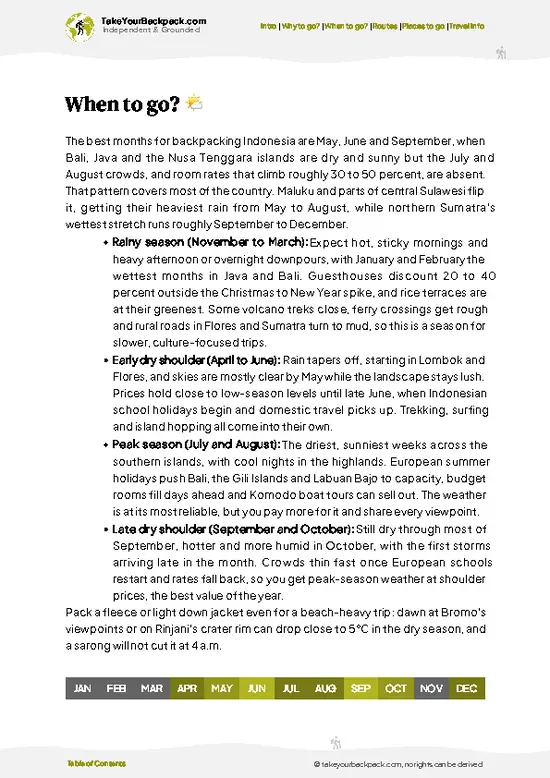
  • Weather: The dry season from May to September is your best bet. Expect clear skies and less mud, which means safer trails and better views. The wet season (October to April) turns the crater into a slippery mess and can obscure the sulfur vents with thick fog.

  • Temperature: Daytime temps hover around 20-25°C (68-77°F), cool enough to keep you comfortable while hiking. Nights dip to 10-15°C (50-59°F), so pack a light jacket. The crater’s altitude means it’s never scorching, but don’t expect tropical heat.

  • Daylight Hours: Roughly 11-12 hours year-round. Arrive early to catch the morning light hitting the steaming vents—this is when the place feels otherworldly and less crowded.

  • Crowds: Weekends and Indonesian holidays pack the site with locals and tourists alike. Weekdays in the dry
read more 👉

  • Weather: The dry season from May to September is your best bet. Expect clear skies and less mud, which means safer trails and better views. The wet season (October to April) turns the crater into a slippery mess and can obscure the sulfur vents with thick fog.

  • Temperature: Daytime temps hover around 20-25°C (68-77°F), cool enough to keep you comfortable while hiking. Nights dip to 10-15°C (50-59°F), so pack a light jacket. The crater’s altitude means it’s never scorching, but don’t expect tropical heat.

  • Daylight Hours: Roughly 11-12 hours year-round. Arrive early to catch the morning light hitting the steaming vents—this is when the place feels otherworldly and less crowded.

  • Crowds: Weekends and Indonesian holidays pack the site with locals and tourists alike. Weekdays in the dry season offer a quieter, more intimate experience.

  • Seasonal Activities: No flashy events here, but the dry season lets you explore surrounding trails and nearby Dieng Plateau attractions without weather hassles.

  • Price Fluctuations: Entrance fees stay steady year-round, but local guides might charge more during peak season. Booking a guide on-site during off-peak times can save you cash and hassle.


Pro-tip: Hit Sikidang early on a weekday in July or August. You’ll dodge the crowds, enjoy crisp air, and see the crater’s sulfur plumes in their full, eerie glory without the usual tourist circus.


source: climatestotravel.comJANJanuary: fair for travelingFEBFebruary: fair for travelingMARMarch: fair for travelingAPRApril: fair for travelingMAYMay: excellent for travelingJUNJune: excellent for travelingJULJuly: excellent for travelingAUGAugust: excellent for travelingSEPSeptember: excellent for travelingOCTOctober: fair for travelingNOVNovember: fair for travelingDECDecember: fair for traveling
indonesia-unique-site-sikidang-crater
© Google |

✈️ The backpacker research shortcutIndonesia Travel Guide

An offline-friendly backpacking guide with optimized travel routes, ranked highlights, transport advice, and the best areas to stay.
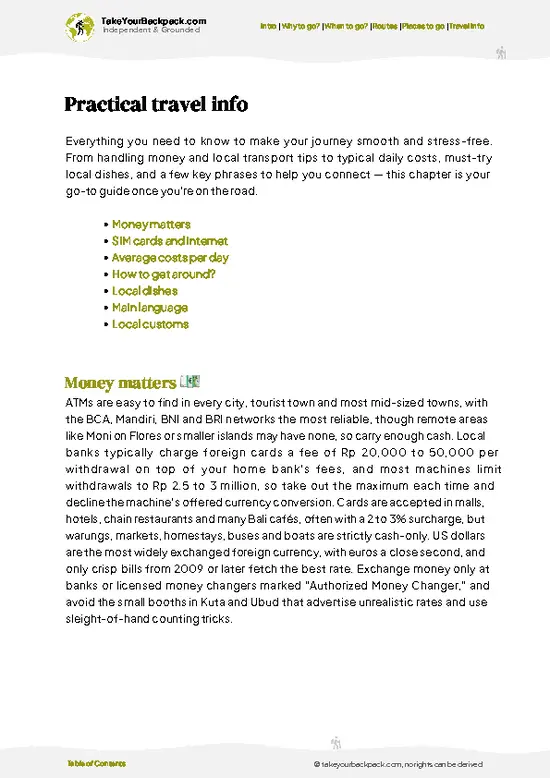
example page 0 from our offline Travel Guide for Indonesia
example page 1 from our offline Travel Guide for Indonesia
example page 2 from our offline Travel Guide for Indonesia
example page 3 from our offline Travel Guide for Indonesia
example page 4 from our offline Travel Guide for Indonesia
example page 5 from our offline Travel Guide for Indonesia
example page 6 from our offline Travel Guide for Indonesia
example page 7 from our offline Travel Guide for Indonesia
The digital guide (550 pages) contains:
155 highlights, ranked by travel appeal
Optimized 14, 21 & 30-day travel routes
Cities, national parks, landmarks, beaches
How to get around
Offline-friendly for travel without Wi-Fi
👉 Click to see all 30+ guide features

📅 Plan smarter in minutes, not weeks
Month by month travel advice
Festivals & national holidays
Budget expectations

🗺️ Go to the right places, skip the overrated ones
Honest pros & cons of destinations
Top hikes, parks & viewpoints
Lesser-known places most travelers miss
Clear “worth it vs skip it” guidance

🛏️ Travel smoothly without rookie mistakes
Best areas to stay
Transport systems explained simply
Common scams & safety advice
SIM cards, money & practical tips

🌍 Understand the country, not just visit it
Culture & traditions
52 Essential phrases & customs
Festivals worth planning around
Traveler-friendly historical context
Insights that make places more meaningful

📱 Built for real travel conditions
Fully downloadable PDF
Works completely offline
Optimized for phone use
Useful in remote areas & buses
Everything in one place
Save weeks of stressful planning
Get instant access to your full guide. 30‑day money-back guarantee.


By proceeding you agree to our terms.
Sent to your inbox immediately after payment • 100% Secure Checkout
Best Backpacking Travel Advisor 2025 tourism awardBest Backpacking
Travel Advisor
2025
What others say about Take Your Backpack Guides:
⭐⭐⭐⭐⭐
Fantastic, amazing amount of information!
⭐⭐⭐⭐⭐
My goodness this is amazing, it's what I've been looking for hats off too you!
⭐⭐⭐⭐⭐
I think this is absolutely BRILLIANT
⭐⭐⭐⭐
Very complete and informative. It's still missing places, but I gotta to commend you
⭐⭐⭐⭐⭐
This is truly amazing, thank you, can't wait to explore it with my kids!
⭐⭐⭐⭐⭐
Awesome resource, thank you!
⭐⭐⭐⭐⭐
This is amazing! Can't wait to explore the ones I haven't seen
⭐⭐⭐⭐
I love this! Well done, great idea.
⭐⭐⭐⭐⭐
Thanks for taking the time to make this gem!
⭐⭐⭐⭐⭐
This might be the best website I've ever seen.
⭐⭐⭐⭐⭐
Congratulations, and thank you so much for your work; it's incredibly valuable.
⭐⭐⭐⭐
In all seriousness I think you did a great job pointing out the important spots
⭐⭐⭐⭐⭐
10/10 very good
⭐⭐⭐⭐⭐
As someone who's only just starting to visit regularly this is awesome, thank you.
⭐⭐⭐⭐
Thank you very much! I'm going to visit my dad, it's going to be very useful!
⭐⭐⭐⭐⭐
This is really cool! We'll be travelling for the first time and this definitely come in handy.
⭐⭐⭐⭐⭐
You are now our minister of culture, congratulations 👨‍💼
⭐⭐⭐⭐⭐
Just wanted to tell you that this is a pearl! Going to follow your recommendations.
⭐⭐⭐⭐⭐
This is so cool. I'll definitely be using the resource for my travels soon.
⭐⭐⭐⭐⭐
This is very impressive! Good work.
⭐⭐⭐⭐⭐
This is an amazing and informative site. Very well done!

🛏️ Where to stay?Best areas to stay in Indonesia

Staying near Sikidang Crater? Let’s cut through the fluff. This area can get crowded, especially during peak times. Tour buses roll in, and the selfie-snapping frenzy can feel overwhelming. But don’t let that deter you; there’s real magic here if you know where to look.

Head to the nearby town of Dieng. It’s a backpacker haven with a laid-back vibe. You’ll find plenty of budget-friendly guesthouses and homestays that offer a chance to connect with fellow travelers. The locals are welcoming, and you can often score a meal that’s both delicious and cheap.

Another option is to camp near the crater. … read more 👉
Staying near Sikidang Crater? Let’s cut through the fluff. This area can get crowded, especially during peak times. Tour buses roll in, and the selfie-snapping frenzy can feel overwhelming. But don’t let that deter you; there’s real magic here if you know where to look.

Head to the nearby town of Dieng. It’s a backpacker haven with a laid-back vibe. You’ll find plenty of budget-friendly guesthouses and homestays that offer a chance to connect with fellow travelers. The locals are welcoming, and you can often score a meal that’s both delicious and cheap.

Another option is to camp near the crater. Yes, it’s a bit rough around the edges, but waking up to the smell of sulfur and the sight of steam rising from the ground is an experience you won’t forget. Just be prepared for the chill at night.

If you’re feeling social, seek out communal spaces where you can swap stories over a cup of local coffee. The real treasure here isn’t just the crater; it’s the connections you make and the stories you gather along the way.

👛 Costs (as of 12 December 2024)Typical daily expenses

Visiting Sikidang Crater in Indonesia can be a mixed bag when it comes to costs, but knowing what to expect can help you budget wisely.
  • Entrance Fee: Expect to pay around €2 to €5 (or $2 to $5). This fee gives you access to the crater area. It’s a small price for the experience, but be prepared for the crowds that often come with it.
  • Transportation: Getting to Sikidang Crater can vary. If you’re coming from Yogyakarta, a taxi or ride-sharing service might cost you between €15 to €30 ($15 to $30) one way. Public transport is cheaper, around €1 to €3 ($1 to $3), but it can be less convenient.
  • Food and Drinks: Local food stalls near the crater offer meals for about €2 to €6 ($2 to $6). If you want something more upscale, a restaurant meal could run you €10 to €20 ($10 to $20). Bring your own snacks
read more 👉
Visiting Sikidang Crater in Indonesia can be a mixed bag when it comes to costs, but knowing what to expect can help you budget wisely.
  • Entrance Fee: Expect to pay around €2 to €5 (or $2 to $5). This fee gives you access to the crater area. It’s a small price for the experience, but be prepared for the crowds that often come with it.
  • Transportation: Getting to Sikidang Crater can vary. If you’re coming from Yogyakarta, a taxi or ride-sharing service might cost you between €15 to €30 ($15 to $30) one way. Public transport is cheaper, around €1 to €3 ($1 to $3), but it can be less convenient.
  • Food and Drinks: Local food stalls near the crater offer meals for about €2 to €6 ($2 to $6). If you want something more upscale, a restaurant meal could run you €10 to €20 ($10 to $20). Bring your own snacks to save money and avoid the tourist traps.
  • Guided Tours: If you prefer a guided experience, expect to pay around €20 to €50 ($20 to $50) for a half-day tour. This often includes transportation and a local guide who can share insights about the area.
  • Souvenirs: Local crafts and trinkets can range from €1 to €10 ($1 to $10). Don’t overspend on generic items; look for something that speaks to your experience.

Keep in mind that prices can fluctuate based on the season and demand. The real magic of Sikidang Crater lies in its geothermal activity and the unique landscape, not just the Instagram moments.


source: indonesia.travel
⚠️ Prices can change and everyone travels differently, so take this as a rough guide. Hope it helps you plan your adventure!

Other Indonesian landmarks near Sikidang Crater

Explore more nearby:


💡 Not sure where to go next?
Create a personalized itinerary for Indonesia including Sikidang Crater and the places that fit your trip.

Generate my itinerary

👉 Discover all landmarks

Or checkout all Indonesia has to offer (think cities, towns, villages, national parks, hikes, beaches, festivals)
Country photo of Indonesia

We 💚 feedbackWhat to keep in mind

Sikidang Crater is a wild spectacle, with bubbling mud pools and sulfuric steam that feels like stepping onto another planet. It’s a sensory overload that’s genuinely captivating. But let’s be real: the crowds can be overwhelming, especially during peak times. If you can handle a bit of chaos, the experience is worth it. Just go early or late in the day to soak in the raw beauty without the selfie sticks blocking your view.

✈️ When did I visit Indonesia?
As part of my 1.5 year travel around the world trip, I visited Indonesia twice (and it was worth it. First in September 2015 and a bit later again in January and February 2016.

✍️ Help improve this page!
The information on this page is based on my own backpacking experience in Indonesia, supplemented with up-to-date research and feedback from other travelers. Travel details can change, so if you notice anything outdated or incomplete, feel free to let me know.


🙋‍♂️ Give feedback

👋 Meet the founderWho’s Behind Take Your Backpack?

Johan, backpacker and founder of TakeYourBackpackHi, I’m Johan (Netherlands 🇳🇱), the creator of TakeYourBackpack. Over the past decade, I’ve backpacked through 80+ countries across six continents, gaining extensive experience with independent travel, long-term trips, and overland routes.

This site is built on a combination of firsthand travel experience and carefully curated insights from other backpackers. Many guides are based on places I’ve personally visited, while others bring together tips, observations, and practical advice shared by trusted travelers I’ve met along the way.

The goal is to provide realistic, experience-driven guidance — not generic itineraries — so you can explore destinations with better context, clearer expectations, and more confidence.

Get full Indonesia guide •
Instant download • 155 highlights • Full Offline guide