×

Indonesia🇮🇩 | best landmarksTop-Rated 6 landmarks in Indonesia

In Indonesia, unique sites are defined by their cultural, historical, and natural significance, each offering a distinct flavor that reflects the archipelago’s rich diversity. From the ancient temples of Bali to the volcanic landscapes of Java, the experience varies dramatically based on region and season. For backpackers, this means choosing wisely can shape your journey profoundly.

In popular areas like Ubud, expect crowds and higher prices, especially during peak tourist seasons. However, venture to lesser-known spots like Sumba or Flores, and you’ll find authentic local culture and breathtaking landscapes without the throngs. Each site presents its own vibe; some are serene and reflective, while others pulse with energy and activity.

Accessibility plays a crucial role in your experience. While major attractions are often well-connected, remote sites may require more effort to reach, rewarding you with a deeper sense of adventure. The right choice impacts not just your budget but also your safety and cultural immersion. Engaging with locals in quieter regions can lead to genuine connections, enriching your understanding of Indonesia’s vibrant tapestry.

Navigating these unique sites as an independent traveler opens doors to experiences that are as rewarding as the destinations themselves.

By Johan Kruseman 🇳🇱 | Updated June 9, 2026
Explore the best national parks in Indonesia

Why go?Understanding Their Importance

Indonesia is a sprawling archipelago of over 17,000 islands, each with its own unique cultural, historical, and natural significance. This diversity sets it apart from other countries, making it a treasure trove for those seeking authentic experiences. The cultural richness is palpable, with over 300 ethnic groups and languages, each contributing to a vibrant tapestry of traditions, art, and rituals. This cultural mosaic is not just for show; it’s a living, breathing entity that shapes daily life and community interactions.

Historically, Indonesia has been a crossroads of trade and migration, influenced by Indian, Chinese, Arab, and European cultures. This blend is evident in its architecture, cuisine, and festivals. However, the historical sites often come with trade-offs. Many are located … read more 👉
Indonesia is a sprawling archipelago of over 17,000 islands, each with its own unique cultural, historical, and natural significance. This diversity sets it apart from other countries, making it a treasure trove for those seeking authentic experiences. The cultural richness is palpable, with over 300 ethnic groups and languages, each contributing to a vibrant tapestry of traditions, art, and rituals. This cultural mosaic is not just for show; it’s a living, breathing entity that shapes daily life and community interactions.

Historically, Indonesia has been a crossroads of trade and migration, influenced by Indian, Chinese, Arab, and European cultures. This blend is evident in its architecture, cuisine, and festivals. However, the historical sites often come with trade-offs. Many are located in remote areas, requiring significant travel time. This can be a challenge, but it also means fewer crowds and a deeper connection to the local way of life. The journey becomes part of the experience, offering insights into the land and its people that you won’t find in guidebooks.

Geographically, Indonesia’s diverse landscapes range from volcanic mountains to lush rainforests and pristine beaches. This variety creates a unique opportunity for natural exploration, but it also presents challenges. Accessibility can be limited, especially in more remote regions. Roads may be rough, and public transport can be sparse. However, this isolation often leads to more immersive experiences, allowing travelers to engage with nature and local communities in a way that mass tourism rarely permits.

The climate also plays a crucial role in planning your visit. The wet season can bring heavy rains, making some areas less accessible and affecting outdoor activities. Timing your trip to coincide with the dry season can enhance your experience, but it also means navigating peak tourist periods. Crowds can detract from the authenticity of your visit, so consider exploring lesser-known sites or visiting during shoulder seasons to strike a balance between accessibility and immersion.

Infrastructural factors further complicate travel in Indonesia. While major tourist hubs have developed amenities, many unique sites remain off the beaten path, requiring a spirit of adventure and flexibility. This is where the real magic lies—embracing the unpredictability of travel and discovering the heart of Indonesia beyond the glossy images. The trade-offs are significant, but the rewards are profound, offering a deeper understanding of a nation rich in history, culture, and natural beauty.
How the List Was Created
The list of best unique sites in Indonesia is created based on history or culture, wow factor, atmosphere, quirks, and memorability. If you feel a unique site is missing in this list, please let us know.

When to go?Best Time to Visit Indonesia for landmarks

Visibility

Indonesia’s unique sites are often best experienced during the dry season, which typically runs from May to September. During these months, the weather is generally sunny, with lower humidity and minimal rainfall. This creates ideal conditions for exploration, allowing for clear views and easier access to remote areas. However, the dry season also attracts larger crowds, especially at popular sites. Travelers should prepare for busier conditions and potentially higher prices for accommodations and tours.

Preservation Conditions

The wet season, from October to April, brings heavy rainfall and increased humidity. While this may deter some visitors, it also offers a different perspective on Indonesia’s natural beauty. Lush landscapes come alive, and certain sites may be less crowded. … read more 👉

Visibility

Indonesia’s unique sites are often best experienced during the dry season, which typically runs from May to September. During these months, the weather is generally sunny, with lower humidity and minimal rainfall. This creates ideal conditions for exploration, allowing for clear views and easier access to remote areas. However, the dry season also attracts larger crowds, especially at popular sites. Travelers should prepare for busier conditions and potentially higher prices for accommodations and tours.

Preservation Conditions

The wet season, from October to April, brings heavy rainfall and increased humidity. While this may deter some visitors, it also offers a different perspective on Indonesia’s natural beauty. Lush landscapes come alive, and certain sites may be less crowded. However, access can be limited due to muddy trails or temporary closures. Travelers should weigh the benefits of solitude against the challenges of navigating wet conditions.

Seasonal Cultural or Historical Events

Cultural events often coincide with specific seasons, adding depth to the travel experience. Festivals and ceremonies can provide unique insights into local traditions. However, these events can also draw larger crowds, impacting the overall experience. Understanding the timing of these events can help travelers align their visits with authentic cultural experiences while managing crowd expectations.

Optimal Months or Seasons to Visit

For those seeking the best overall experience, the shoulder months of April and October can be ideal. These transitional periods often feature milder weather, fewer tourists, and lower prices. Travelers can enjoy the benefits of the dry season without the peak crowds. However, it’s essential to remain flexible, as weather patterns can vary.

Trade-offs and Constraints

Travelers should consider that peak periods, such as school holidays or major festivals, can significantly influence access and costs. Accommodations may book up quickly, and prices can surge. Conversely, visiting during the wet season may offer solitude but comes with the risk of unpredictable weather. Understanding these dynamics is crucial for effective trip planning.

In summary, timing a visit to Indonesia’s unique sites requires careful consideration of weather patterns, cultural events, and crowd levels. Balancing these factors can lead to a more enriching experience, allowing travelers to engage deeply with the diverse landscapes and cultures that define this remarkable archipelago.

unique site hoppingPlanning Your Route Efficiently

Indonesia’s vastness demands a strategic approach to exploring its unique sites. Grouping destinations by region is essential for efficiency. Start in Bali, where the spiritual heart beats strong. Visit Ubud for its art scene and rice terraces, then head to the coastal temples like Tanah Lot. This cluster offers a mix of culture and stunning landscapes, allowing for a rich experience without excessive travel time.

Next, shift to Java. The journey from Bali to Yogyakarta is a common route, but don’t rush it. Allocate time for Borobudur and Prambanan, two UNESCO sites that showcase Indonesia’s architectural prowess. Each deserves a few hours; the sunrise at Borobudur is a must. This leg of the trip is about depth, not speed. Embrace the local cuisine and culture in Yogyakarta, where every street read more 👉
Indonesia’s vastness demands a strategic approach to exploring its unique sites. Grouping destinations by region is essential for efficiency. Start in Bali, where the spiritual heart beats strong. Visit Ubud for its art scene and rice terraces, then head to the coastal temples like Tanah Lot. This cluster offers a mix of culture and stunning landscapes, allowing for a rich experience without excessive travel time.

Next, shift to Java. The journey from Bali to Yogyakarta is a common route, but don’t rush it. Allocate time for Borobudur and Prambanan, two UNESCO sites that showcase Indonesia’s architectural prowess. Each deserves a few hours; the sunrise at Borobudur is a must. This leg of the trip is about depth, not speed. Embrace the local cuisine and culture in Yogyakarta, where every street corner tells a story.

From Java, consider a flight to Sumatra for a different flavor. The Lake Toba area is stunning, but it requires a commitment. Plan for at least two days here to soak in the natural beauty and the Batak culture. The trade-off is clear: the more time spent here, the richer the experience. It’s a slower pace, but the reward is a deeper connection to the land and its people.

Common planning mistakes include underestimating travel times and overloading itineraries. Indonesia’s infrastructure can be challenging. Flights between islands are often delayed, and road conditions can vary. Flexibility is key. Build in buffer days for unexpected delays or to linger longer at a site that captivates. This isn’t just about ticking boxes; it’s about savoring the journey.

Budget considerations also play a role. While some sites are free or low-cost, others, like the Komodo Islands, require a more significant investment. Weigh the costs against the experiences. Sometimes, a splurge on a guided tour can enhance understanding and enjoyment, especially in culturally rich areas.

Ultimately, the journey through Indonesia is a balancing act. Speed versus depth, budget versus comfort, effort versus reward. Embrace the challenge of planning, and allow the rhythm of travel to guide you. Each region offers a unique lens into Indonesia’s soul, and the real magic lies in the connections made along the way.

The ListThe Best landmarks of Indonesia

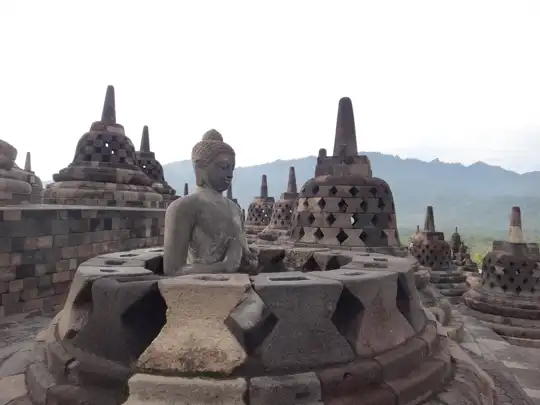
1 Borobodur

stone reliefs, Buddhist stupas, sunrise panorama

Climb ancient terraces at dawn to see intricate carvings and panoramic views, tracing centuries of Buddhist pilgrimage in a single morning.

Indonesia - Borobodur

2 Prambanan Temple Compounds

Hindu spires, stone reliefs, temple complex

Walk through a cluster of pointed temples, each telling stories from Hindu epics through detailed stonework and atmospheric courtyards.

3 Lake Toba

volcanic caldera, Samosir Island, Batak villages

Cross to an island within a vast crater lake, encountering traditional Batak homes and volcanic landscapes shaped by ancient eruptions.

indonesia-unique-site-lake-toba
© Google |

4 Labuan Cermin Lake

dual-layer waters, glassy surface, forested shore

Swim in a lake where salt and fresh water meet, revealing a clear divide beneath the surface and a tranquil forest backdrop.

indonesia-unique-site-labuan-cermin-lake
© Google |

5 Kota Tua Jakarta

colonial facades, cobbled square, street museums

Wander among preserved Dutch-era buildings and open-air exhibits, where Jakarta’s layered history is visible in every architectural detail.

6 Sikidang Crater

steaming vents, sulfur pools, volcanic plateau

Navigate wooden walkways above bubbling mud and sulfurous steam, experiencing the raw geology of an active volcanic field up close.

indonesia-unique-site-sikidang-crater
© Google |
Loading the map 🌍

Expert viewPro Tips for Exploring the Best

Unique Sites in Indonesia

Indonesia is a sprawling archipelago with over 17,000 islands, each boasting its own unique flavor. The challenge lies in navigating this vast landscape while avoiding the Instagram-fueled hype that often oversells certain spots. To truly experience the essence of Indonesia, aim for a mix of about five to seven unique sites. This allows you to dive deep without feeling rushed, balancing exploration with the inevitable travel fatigue.

Access Constraints

Getting around Indonesia can be a test of patience. Domestic flights are often the quickest way to cover long distances, but they can be pricey and subject to delays. Ferries and boats are common for island hopping, but schedules can be erratic. If you’re planning to visit remote areas, be prepared for long travel … read more 👉
Unique Sites in Indonesia

Indonesia is a sprawling archipelago with over 17,000 islands, each boasting its own unique flavor. The challenge lies in navigating this vast landscape while avoiding the Instagram-fueled hype that often oversells certain spots. To truly experience the essence of Indonesia, aim for a mix of about five to seven unique sites. This allows you to dive deep without feeling rushed, balancing exploration with the inevitable travel fatigue.

Access Constraints

Getting around Indonesia can be a test of patience. Domestic flights are often the quickest way to cover long distances, but they can be pricey and subject to delays. Ferries and boats are common for island hopping, but schedules can be erratic. If you’re planning to visit remote areas, be prepared for long travel times and limited infrastructure. For example, while Bali is a tourist magnet, the surrounding islands like Nusa Penida offer a more authentic experience but require careful planning to reach.

Crowd Patterns

Timing is everything. Popular sites can be swarmed during peak seasons, particularly from June to August and around major holidays. If you want to avoid the throngs, consider visiting during shoulder seasons. Early mornings or late afternoons are golden hours for both fewer crowds and better light for photography. However, keep in mind that some sites may close early, so plan accordingly.

Combining Sites

When mapping out your journey, think about regional clusters. For instance, if you’re drawn to volcanic landscapes, focus on a few islands like Java and Sumatra, where you can hike and explore without excessive travel time. This approach not only saves you money but also allows for a richer experience. Each island has its own culture and traditions, so immersing yourself in one region can yield deeper insights than trying to hop from one far-flung location to another.

Time and Budget

Expect to spend a fair amount of time traveling between sites. A realistic range for a trip focusing on unique sites is two to three weeks, depending on how much you want to see and how deep you want to dive. Budget-wise, costs can vary widely. While you can find budget accommodations and street food, splurging on a guided tour or a local homestay can enhance your experience significantly. Just remember, the more remote the site, the higher the costs can climb, especially for transport.

Safety and Cultural Considerations

Safety is generally good in Indonesia, but it’s wise to stay aware of your surroundings, especially in crowded areas. Respect local customs and dress codes, particularly in religious sites. A sarong is often required for temple visits, and being mindful of local etiquette can go a long way. Engaging with locals can enrich your experience, but be sensitive to cultural norms.

Local Culture and Infrastructure

Indonesia’s cultural tapestry is woven from diverse ethnic groups, languages, and traditions. Each island has its own unique customs, so take the time to learn a few phrases in the local language. This not only helps in navigating but also opens doors to deeper connections. Infrastructure can be hit or miss; while major tourist areas are well-equipped, rural regions may lack basic amenities. Always have a backup plan, especially when venturing off the beaten path.

Trade-offs and Realistic Expectations

One of the biggest trade-offs in Indonesia is the balance between adventure and comfort. If you’re seeking pristine beaches or untouched landscapes, be prepared for less developed facilities and longer travel times. Conversely, if you stick to well-trodden paths, you’ll find more conveniences but at the cost of authenticity. It’s a delicate dance; the more you venture into the wild, the more you’ll be rewarded with genuine experiences, but it comes with its own set of challenges.

Planning and Prioritizing

To make the most of your journey, prioritize sites based on your interests—whether that’s culture, nature, or adventure. Research local festivals or events that might coincide with your visit; these can offer a unique glimpse into the heart of Indonesian life. Flexibility is key. Sometimes the best experiences come from unexpected detours or conversations with locals.

In summary, Indonesia is a land of contrasts and surprises. With thoughtful planning and a spirit of adventure, you can navigate its unique sites and uncover the real magic that lies beyond the Instagram filters. Embrace the journey, and let the landscapes and cultures unfold before you.

✈️ The backpacker research shortcutIndonesia Travel Guide

An offline-friendly backpacking guide with optimized travel routes, ranked highlights, transport advice, and the best areas to stay.
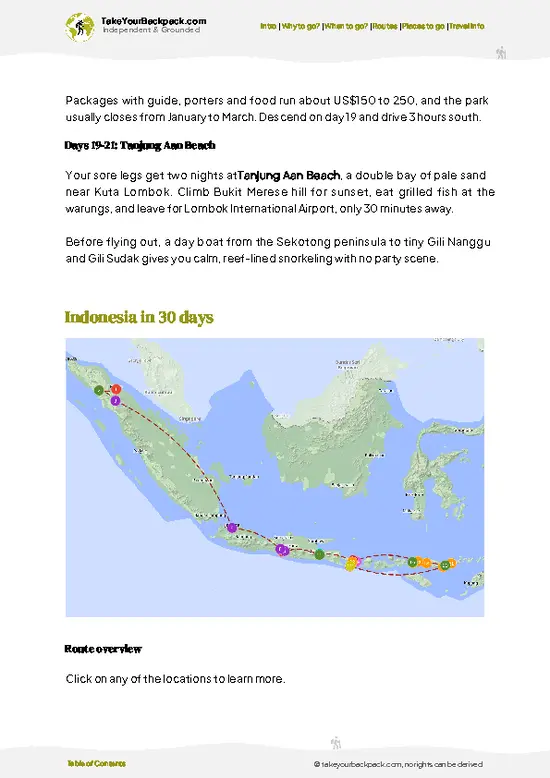
example page 0 from our offline Travel Guide for Indonesia
example page 1 from our offline Travel Guide for Indonesia
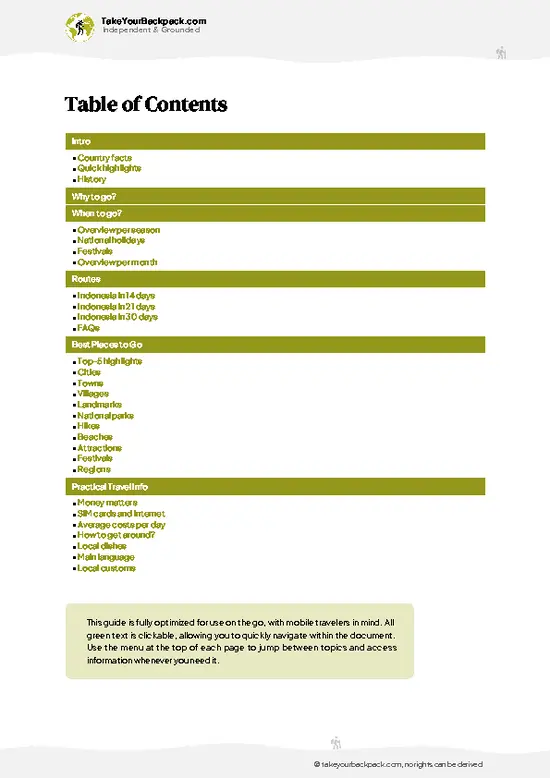
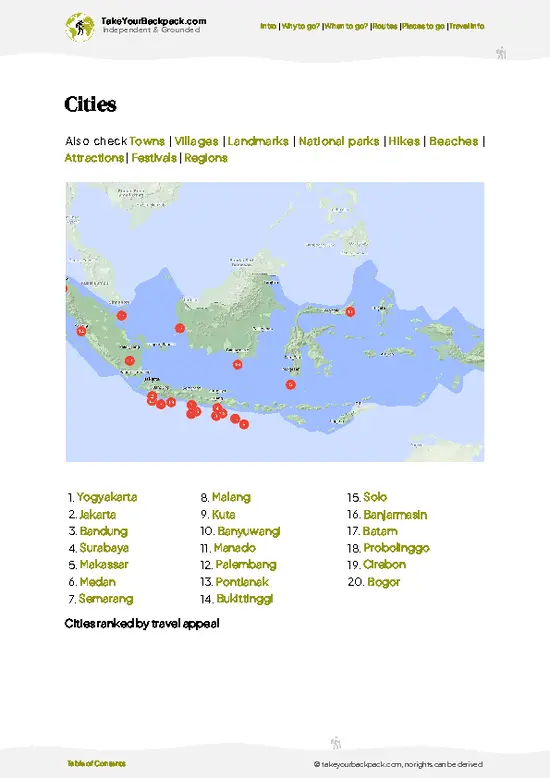
example page 2 from our offline Travel Guide for Indonesia
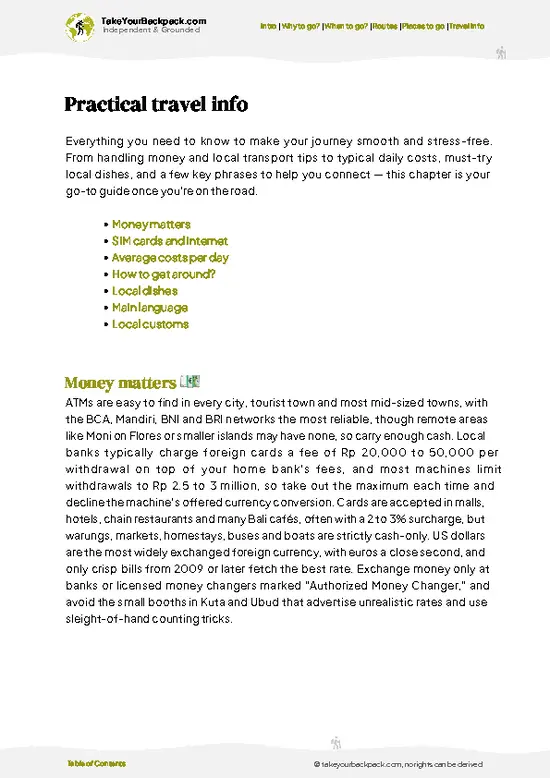
example page 3 from our offline Travel Guide for Indonesia
example page 4 from our offline Travel Guide for Indonesia
example page 5 from our offline Travel Guide for Indonesia
example page 6 from our offline Travel Guide for Indonesia
example page 7 from our offline Travel Guide for Indonesia
The digital guide (550 pages) contains:
155 highlights, ranked by travel appeal
Optimized 14, 21 & 30-day travel routes
Cities, national parks, landmarks, beaches
How to get around
Offline-friendly for travel without Wi-Fi
👉 Click to see all 30+ guide features

📅 Plan smarter in minutes, not weeks
Month by month travel advice
Festivals & national holidays
Budget expectations

🗺️ Go to the right places, skip the overrated ones
Honest pros & cons of destinations
Top hikes, parks & viewpoints
Lesser-known places most travelers miss
Clear “worth it vs skip it” guidance

🛏️ Travel smoothly without rookie mistakes
Best areas to stay
Transport systems explained simply
Common scams & safety advice
SIM cards, money & practical tips

🌍 Understand the country, not just visit it
Culture & traditions
52 Essential phrases & customs
Festivals worth planning around
Traveler-friendly historical context
Insights that make places more meaningful

📱 Built for real travel conditions
Fully downloadable PDF
Works completely offline
Optimized for phone use
Useful in remote areas & buses
Everything in one place
Save weeks of stressful planning
Get instant access to your full guide. 30‑day money-back guarantee.


By proceeding you agree to our terms.
Sent to your inbox immediately after payment • 100% Secure Checkout
Best Backpacking Travel Advisor 2025 tourism awardBest Backpacking
Travel Advisor
2025
What others say about Take Your Backpack Guides:
⭐⭐⭐⭐⭐
Fantastic, amazing amount of information!
⭐⭐⭐⭐⭐
My goodness this is amazing, it's what I've been looking for hats off too you!
⭐⭐⭐⭐⭐
I think this is absolutely BRILLIANT
⭐⭐⭐⭐
Very complete and informative. It's still missing places, but I gotta to commend you
⭐⭐⭐⭐⭐
This is truly amazing, thank you, can't wait to explore it with my kids!
⭐⭐⭐⭐⭐
Awesome resource, thank you!
⭐⭐⭐⭐⭐
This is amazing! Can't wait to explore the ones I haven't seen
⭐⭐⭐⭐
I love this! Well done, great idea.
⭐⭐⭐⭐⭐
Thanks for taking the time to make this gem!
⭐⭐⭐⭐⭐
This might be the best website I've ever seen.
⭐⭐⭐⭐⭐
Congratulations, and thank you so much for your work; it's incredibly valuable.
⭐⭐⭐⭐
In all seriousness I think you did a great job pointing out the important spots
⭐⭐⭐⭐⭐
10/10 very good
⭐⭐⭐⭐⭐
As someone who's only just starting to visit regularly this is awesome, thank you.
⭐⭐⭐⭐
Thank you very much! I'm going to visit my dad, it's going to be very useful!
⭐⭐⭐⭐⭐
This is really cool! We'll be travelling for the first time and this definitely come in handy.
⭐⭐⭐⭐⭐
You are now our minister of culture, congratulations 👨‍💼
⭐⭐⭐⭐⭐
Just wanted to tell you that this is a pearl! Going to follow your recommendations.
⭐⭐⭐⭐⭐
This is so cool. I'll definitely be using the resource for my travels soon.
⭐⭐⭐⭐⭐
This is very impressive! Good work.
⭐⭐⭐⭐⭐
This is an amazing and informative site. Very well done!

🛏️ Where to stay?Where to Stay in Indonesia

Yes — hostels and budget guesthouses are widespread across Indonesia, especially in Bali, Yogyakarta, Jakarta, the Gili Islands, Lombok and Labuan Bajo.
In Bali search Kuta (very cheap and beach-close but crowded/noisy), Seminyak (more amenities, slightly pricier), Canggu (surf cafes, chilled vibe but farther from major transport) and Ubud (quiet, cultural and inland so extra travel time to beaches); Yogyakarta’s Malioboro and Prawirotaman put you close to temples and street food but can be busy at night; Jakarta’s Kemang and Menteng offer nightlife and transport links but suffer heavy traffic and are less walkable; the Gili Islands have abundant dorms with Gili Trawangan as the party hub … read more 👉
Yes — hostels and budget guesthouses are widespread across Indonesia, especially in Bali, Yogyakarta, Jakarta, the Gili Islands, Lombok and Labuan Bajo.
In Bali search Kuta (very cheap and beach-close but crowded/noisy), Seminyak (more amenities, slightly pricier), Canggu (surf cafes, chilled vibe but farther from major transport) and Ubud (quiet, cultural and inland so extra travel time to beaches); Yogyakarta’s Malioboro and Prawirotaman put you close to temples and street food but can be busy at night; Jakarta’s Kemang and Menteng offer nightlife and transport links but suffer heavy traffic and are less walkable; the Gili Islands have abundant dorms with Gili Trawangan as the party hub and Gili Air quieter for diving; Lombok Kuta is a budget surf base and Labuan Bajo has dorms for Komodo trips though prices spike in peak season.

If you enjoy meeting fellow travelers, consider choosing hostels with high ratings for atmosphere. On the other hand, if you prefer having your own space, a hotel might be a better option.

IndonesiaMore of Indonesia

👋 Meet the founderWho’s Behind Take Your Backpack?

Johan, backpacker and founder of TakeYourBackpackHi, I’m Johan (Netherlands 🇳🇱), the creator of TakeYourBackpack. Over the past decade, I’ve backpacked through 80+ countries across six continents, gaining extensive experience with independent travel, long-term trips, and overland routes.

This site is built on a combination of firsthand travel experience and carefully curated insights from other backpackers. Many guides are based on places I’ve personally visited, while others bring together tips, observations, and practical advice shared by trusted travelers I’ve met along the way.

The goal is to provide realistic, experience-driven guidance — not generic itineraries — so you can explore destinations with better context, clearer expectations, and more confidence.

Get full Indonesia guide •
Instant download • 155 highlights • Full Offline guide