


×

Indonesia🇮🇩 | attractionsTaman Narmadaholy springs, bathing pools, temple gardens | things to do and best time to go

Explore Garuda Wisnu KencanaExplore Lingsar rafting

Backpacking in Taman Narmada
👀 For curious travelersattraction ranked #28
By Johan Kruseman 🇳🇱 | Updated October 15, 2026

The water hits your skin at a shock, cold and mineral-rich, carrying the weight of sacred geology. Taman Narmada sits in central India, where the Narmada River originates in Madhya Pradesh. This isn't a crowded monument; it's a working pilgrimage site with genuine spiritual energy. The payoff is real: you're stepping into one of Hinduism's most important water sources without the chaos of major temples. Costs stay low, crowds manageable, and the experience feels earned rather than packaged.

Discover everything you want to know in the 📖 Indonesia Travel Guide.


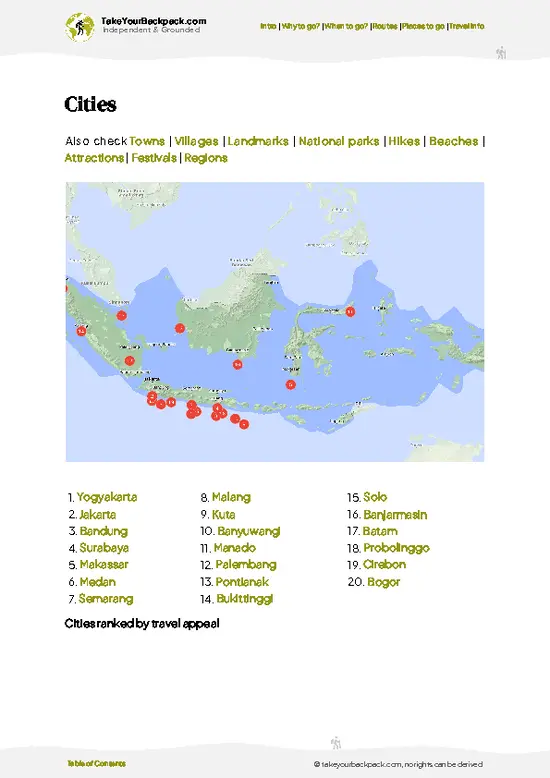
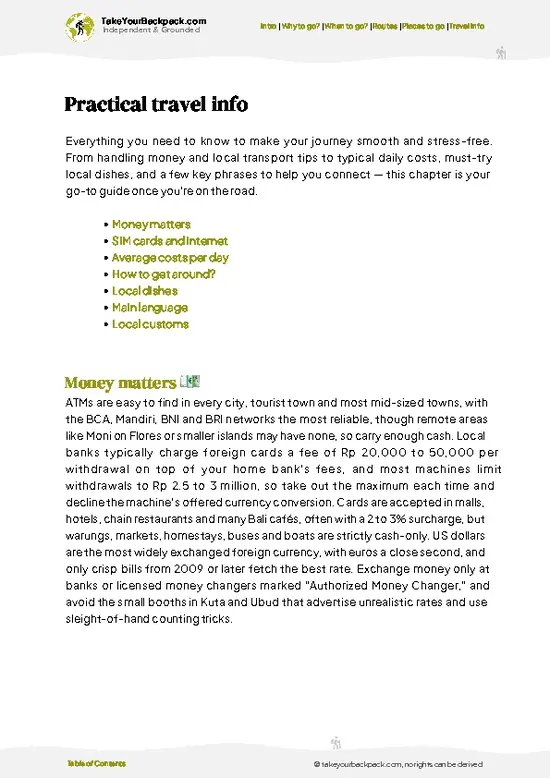
example page 0 from our offline Travel Guide for Indonesia
example page 1 from our offline Travel Guide for Indonesia
example page 2 from our offline Travel Guide for Indonesia
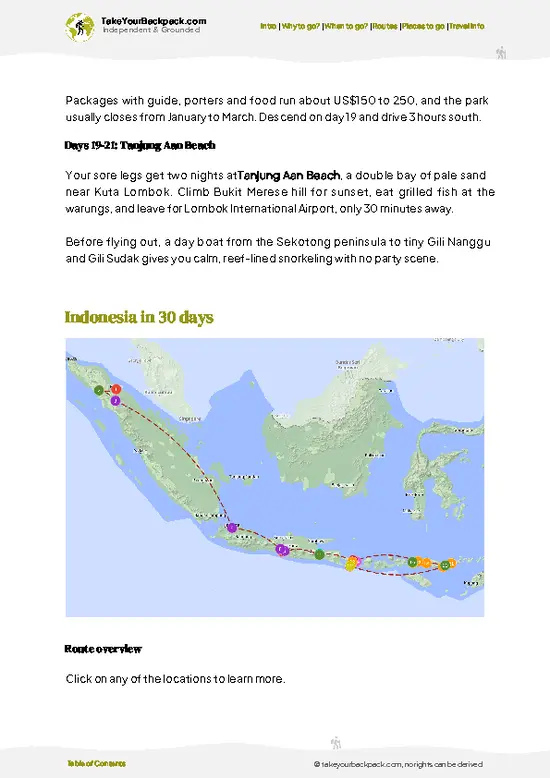
example page 3 from our offline Travel Guide for Indonesia
example page 4 from our offline Travel Guide for Indonesia
example page 5 from our offline Travel Guide for Indonesia
example page 6 from our offline Travel Guide for Indonesia
example page 7 from our offline Travel Guide for Indonesia
Loading the map 🌍
CLICK TO FILTER
cities
towns
villages
landmarks
national parks
hikes
beaches
attractions
festivals
regions
SHOW COUNTRY’S BESTSHOW ALL

✨ Why go?
Ranked #28 attraction in Indonesia
Why Taman Narmada should be on your travel list

Backpackers visit the Taman Narmada for its spiritual authenticity and geological significance. The site marks the source of one of India's holiest rivers, making it a major milestone for those following Hindu pilgrimage routes or exploring central India's lesser-known sacred geography. The journey itself rewards effort: you're traveling to a place most tourists skip, where local devotion remains the main draw. It's worth the detour if you're already in Madhya Pradesh, offering genuine connection without the infrastructure fatigue of major attractions.

💡 HighlightsKey sights and experiences for travelers

  1. The Sacred Spring Pool The main natural spring emerges from limestone, creating a crystal-clear pool where locals and visitors bathe. The water stays cool year-round, and the spiritual significance draws pilgrims who believe in its healing properties.
  2. Terraced Bathing Areas Multiple levels of stone-carved pools cascade down the hillside, each fed by the spring's flow. Different temperatures and depths suit various visitors, from shallow wading areas to deeper pools for full immersion.
  3. Surrounding Jungle Trails Paths wind through dense forest connecting the spring to nearby villages and viewpoints. The canopy filters light into green-tinted patterns, and the walk reveals how locals integrate the spring into daily life.
  4. Local Pilgrimage Rituals Witness ceremonies and bathing practices that have
… read more 👉
  1. The Sacred Spring Pool The main natural spring emerges from limestone, creating a crystal-clear pool where locals and visitors bathe. The water stays cool year-round, and the spiritual significance draws pilgrims who believe in its healing properties.
  2. Terraced Bathing Areas Multiple levels of stone-carved pools cascade down the hillside, each fed by the spring's flow. Different temperatures and depths suit various visitors, from shallow wading areas to deeper pools for full immersion.
  3. Surrounding Jungle Trails Paths wind through dense forest connecting the spring to nearby villages and viewpoints. The canopy filters light into green-tinted patterns, and the walk reveals how locals integrate the spring into daily life.
  4. Local Pilgrimage Rituals Witness ceremonies and bathing practices that have continued for generations. Visitors can observe (respectfully) how communities use the spring for spiritual cleansing and healing traditions.
  5. Limestone Rock Formations The geological structures around the spring create natural sculptures and small caves. These formations tell the story of how water shaped the landscape over millennia.


I'd start with the Sacred Spring Pool itself. It's where the entire experience anchors, and standing in that cool water while mist rises off the surface gives you immediate context for why this place matters to people.
Spotted a mistake or missing something? Contact us.

Things to do near Taman Narmada

Ratings based on Tripadvisor reviews. When you book through this link, you support our work at no extra cost to you.

🌤️ When to go?Best time to visit Taman Narmada

  • October to February: Cool, dry weather with temperatures between 15 to 25°C (59 to 77°F). This is peak season for pilgrims and the best window for visiting. Water levels are stable and the climate is comfortable for walking and exploration.
  • March to May: Hot and dry, with temperatures climbing to 35 to 40°C (95 to 104°F). Fewer crowds, but the heat demands early starts and plenty of water. The spring remains accessible.
  • June to September: Monsoon season brings heavy rain, high humidity, and swollen water levels. Roads can become difficult; visit only if you're comfortable with wet conditions and don't mind potential delays.
Visit between October and February for the most comfortable experience and reliable access.

source: climatestotravel.comJANJanuary: fair for travelingFEBFebruary: fair for travelingMARMarch: fair for travelingAPRApril: fair for travelingMAYMay: excellent for travelingJUNJune: excellent for travelingJULJuly: highly recommended for travelingAUGAugust: highly recommended for travelingSEPSeptember: excellent for travelingOCTOctober: fair for travelingNOVNovember: fair for travelingDECDecember: fair for traveling
when-to-go

✈️ The backpacker research shortcutIndonesia Travel Guide

An offline-friendly backpacking guide with optimized travel routes, ranked highlights, transport advice, and the best areas to stay.
example page 0 from our offline Travel Guide for Indonesia
example page 1 from our offline Travel Guide for Indonesia
example page 2 from our offline Travel Guide for Indonesia
example page 3 from our offline Travel Guide for Indonesia
example page 4 from our offline Travel Guide for Indonesia
example page 5 from our offline Travel Guide for Indonesia
example page 6 from our offline Travel Guide for Indonesia
example page 7 from our offline Travel Guide for Indonesia
The digital guide (460 pages) contains:
✅ 153 highlights, ranked by travel appeal
✅ Optimized 14, 21 & 30-day travel routes
✅ Cities, national parks, landmarks, beaches
✅ How to get around
✅ Offline-friendly for travel without Wi-Fi
👉 Click to see all 30+ guide features

📅 Plan smarter in minutes, not weeks
✅ Month by month travel advice
✅ Festivals & national holidays
✅ Budget expectations

🗺️ Go to the right places, skip the overrated ones
✅ Honest pros & cons of destinations
✅ Top hikes, parks & viewpoints
✅ Lesser-known places most travelers miss
✅ Clear “worth it vs skip it” guidance

🛏️ Travel smoothly without rookie mistakes
✅ Best areas to stay
✅ Transport systems explained simply
✅ Common scams & safety advice
✅ SIM cards, money & practical tips

🌍 Understand the country, not just visit it
✅ Culture & traditions
✅ 52 Essential phrases & customs
✅ Festivals worth planning around
✅ Traveler-friendly historical context
✅ Insights that make places more meaningful

📱 Built for real travel conditions
✅ Fully downloadable PDF
✅ Works completely offline
✅ Optimized for phone use
✅ Useful in remote areas & buses
✅ Everything in one place
Stop searching, start planning
Get instant access to your full guide. 30‑day money-back guarantee.
+ Add another guide for just

By proceeding you agree to our terms.
Sent to your inbox immediately after payment • 100% Secure Checkout
Best Backpacking Travel Advisor 2025 tourism awardBest Backpacking
Travel Advisor
2025
What others say about Take Your Backpack Guides:
⭐⭐⭐⭐⭐
Fantastic, amazing amount of information!
⭐⭐⭐⭐⭐
My goodness this is amazing, it's what I've been looking for hats off too you!
⭐⭐⭐⭐⭐
I think this is absolutely BRILLIANT
⭐⭐⭐⭐
Very complete and informative. It's still missing places, but I gotta to commend you
⭐⭐⭐⭐⭐
This is truly amazing, thank you, can't wait to explore it with my kids!
⭐⭐⭐⭐⭐
Awesome resource, thank you!
⭐⭐⭐⭐⭐
This is amazing! Can't wait to explore the ones I haven't seen
⭐⭐⭐⭐
I love this! Well done, great idea.
⭐⭐⭐⭐⭐
Thanks for taking the time to make this gem!
⭐⭐⭐⭐⭐
This might be the best website I've ever seen.
⭐⭐⭐⭐⭐
Congratulations, and thank you so much for your work; it's incredibly valuable.
⭐⭐⭐⭐
In all seriousness I think you did a great job pointing out the important spots
⭐⭐⭐⭐⭐
10/10 very good
⭐⭐⭐⭐⭐
As someone who's only just starting to visit regularly this is awesome, thank you.
⭐⭐⭐⭐
Thank you very much! I'm going to visit my dad, it's going to be very useful!
⭐⭐⭐⭐⭐
This is really cool! We'll be travelling for the first time and this definitely come in handy.
⭐⭐⭐⭐⭐
You are now our minister of culture, congratulations 👨‍💼
⭐⭐⭐⭐⭐
Just wanted to tell you that this is a pearl! Going to follow your recommendations.
⭐⭐⭐⭐⭐
This is so cool. I'll definitely be using the resource for my travels soon.
⭐⭐⭐⭐⭐
This is very impressive! Good work.
⭐⭐⭐⭐⭐
This is an amazing and informative site. Very well done!

🛏️ Where to stay?Best areas and accommodation options

Stay in Amarkantak village, located within 2 to 3 kilometers of the spring. The village offers basic guesthouses and budget lodges popular with pilgrims and backpackers, with rooms typically costing USD 8 to 15 per night. Amarkantak is walkable and has small restaurants serving vegetarian meals. For more comfort and amenities, Khajuraho (about 90 kilometers away) offers more tourist infrastructure, though it requires a day trip or overnight stay elsewhere. Staying in Amarkantak keeps you close to the spring and connected to the pilgrimage atmosphere without the noise of larger towns.

👛 Costs (as of 15 October 2026)Travel costs and budget guide for Taman Narmada

Visiting the Taman Narmada is inexpensive, with minimal entrance fees and low daily costs.
CategoryBudget RangeLocal Reality
Entrance FeeFree to USD 1The spring itself is free; some nearby temples may request small donations (USD 0.50 to 1).
AccommodationUSD 8 to 15 per nightBasic guesthouses in Amarkantak village cater to pilgrims; rooms are simple but clean.
FoodUSD 2 to 5 per dayVegetarian meals dominate; local dhabas serve rice, dal, and bread for USD 1 to 2 per meal.
Local TransportUSD 1 to 3Shared autos or local buses connect Amarkantak to nearby sites; walking covers most attractions.
Budget USD 15 to 25 daily for a comfortable backpacker visit.

source: incredibleindia.org
⚠️ Prices can change and everyone travels differently, so take this as a rough guide. Hope it helps you plan your adventure!

FAQTraveler FAQ

Most backpackers spend 1 to 2 days at the spring and surrounding Amarkantak area. A half-day covers the spring itself and Narmada Kund; extending to a full day allows exploration of nearby temples like Omkareswara and forest walks along the river. Many travelers base themselves in Amarkantak for 2 to 3 days to experience pilgrimage rhythms and visit secondary sites.
Yes, if you're already in central India or following a pilgrimage route. The spring is free or costs only a small donation, making the financial barrier negligible. The real value lies in witnessing a living sacred site and understanding the Narmada's spiritual importance; this justifies the journey if you have time and genuine interest in Hindu pilgrimage culture.
Reach Amarkantak by bus or shared taxi from Khajuraho (90 kilometers, 3 to 4 hours) or Jabalpur (about 200 kilometers, 5 to 6 hours). From Khajuraho, buses depart regularly from the main stand; the journey costs USD 3 to 5. Once in Amarkantak village, the spring is a 2 to 3 kilometer walk or short auto ride (USD 1 to 2). No direct flights serve Amarkantak; fly into Jabalpur or Khajuraho first.
⚠️ Things can change over time, so always validate details locally before you go.

Other Indonesian attractions near Taman Narmada

Explore more nearby:

  • Lingsar rafting—Lombok whitewater, Lingsar temple area, inflatable raft, safety briefing| 4 km away
  • Tirta Gangga—water palace, koi ponds, stone fountains| 71 km away
  • Besakih Temple—Pura Penataran Agung, 23 temples, Hindu ceremonies, guide fees| 87 km away

💡 Not sure where to go next?
Create a personalized itinerary for Indonesia including Taman Narmada and the places that fit your trip.

Generate my itinerary

👉 Discover all attractions

Or checkout all Indonesia has to offer (think cities, towns, villages, national parks, hikes, beaches, festivals)
Country photo of Indonesia

We 💚 feedbackSumming up the experience

The Taman Narmada rewards those seeking spiritual depth without tourist machinery. The catch is accessibility: reaching Amarkantak requires patience with transport and a willingness to embrace basic facilities. If you value authenticity over convenience, this pilgrimage source delivers genuine connection.

✈️ When did I visit Indonesia?
As part of my 1.5 year travel around the world trip, I visited Indonesia twice (and it was worth it): first in September 2015 and a bit later again in January and February 2016.

✍️ Help improve this page!
The information on this page is based on my own backpacking experience in Indonesia, supplemented with up-to-date research and feedback from other travelers. Travel details can change, so if you notice anything outdated or incomplete, feel free to let me know.


🙋‍♂️ Give feedback

👋 Meet the founderWho’s Behind Take Your Backpack?

Johan, backpacker and founder of TakeYourBackpackHi, I’m Johan (Netherlands 🇳🇱), the creator of TakeYourBackpack. Over the past 3 decades, I’ve backpacked through 90+ countries across six continents, gaining extensive experience with independent travel, long-term trips, and overland routes.

This site is built on a combination of firsthand travel experience and carefully curated insights from other backpackers. Many guides are based on places I’ve personally visited, while others bring together tips, observations, and practical advice shared by trusted travelers I’ve met along the way.

The goal is to provide realistic, experience-driven guidance — not generic itineraries — so you can explore destinations with better context, clearer expectations, and more confidence.