×

Indonesia🇮🇩 | citiesTarakanmangrove forests, oil history, border trade | things to do and best time to go

Explore KendariExplore Bitung

Backpacking in Tarakan
👌 Worth visitingcity ranked #31
By Johan Kruseman 🇳🇱 | Updated October 15, 2026

Most travelers skip Tarakan entirely, heading straight to Bali or Lombok. That's the choice: rush through Indonesia's famous circuit or actually see how the country works beyond the tourist trail. Tarakan sits on the northeastern coast of Borneo, in North Kalimantan province, and it's a working port city where oil tankers dock and locals outnumber visitors ten to one. The energy is raw and unpolished. I remember stepping off the ferry into humid chaos, the smell of diesel fuel mixing with grilled fish from the waterfront stalls, and thinking this is what real Indonesia feels like. Tarakan rewards explorers willing to trade comfort for authenticity.

Discover everything you want to know in the 📖 Indonesia Travel Guide.


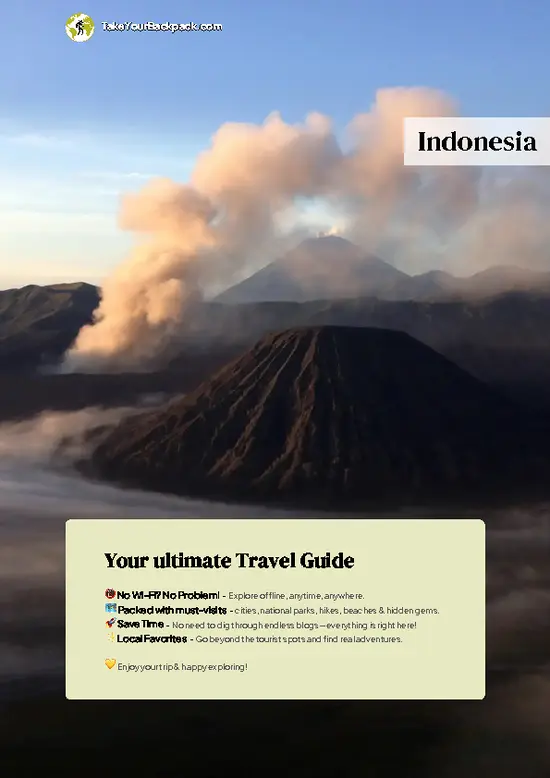
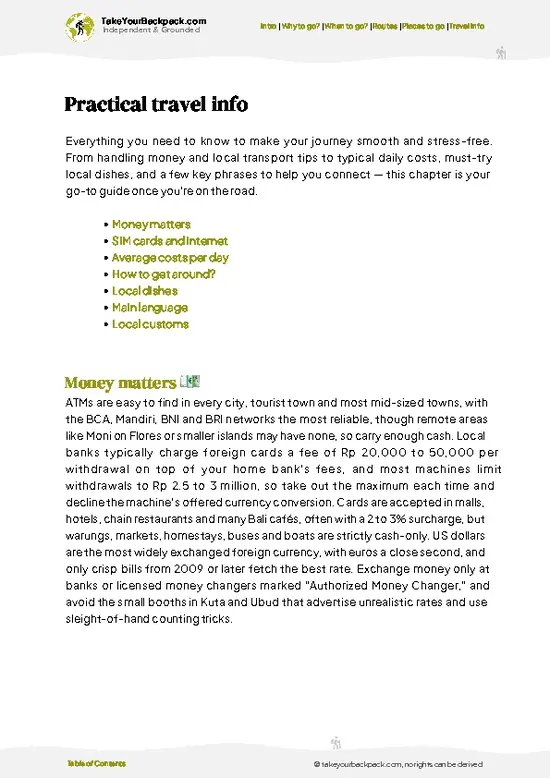
example page 0 from our offline Travel Guide for Indonesia
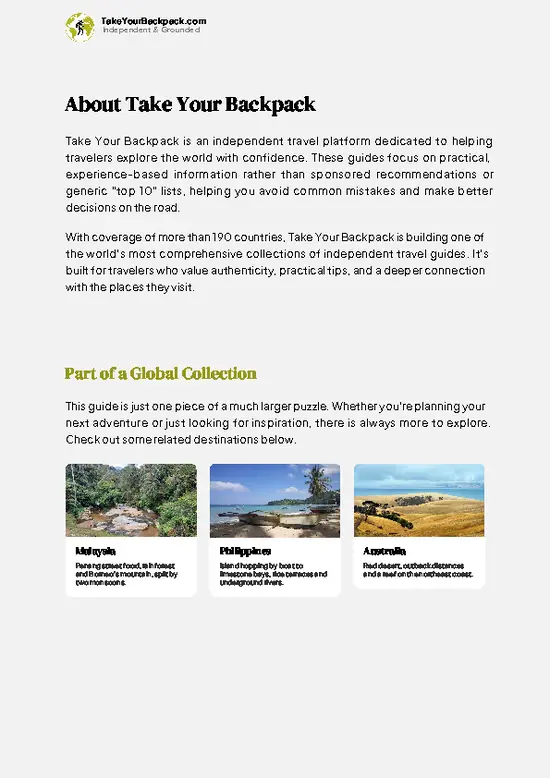
example page 1 from our offline Travel Guide for Indonesia
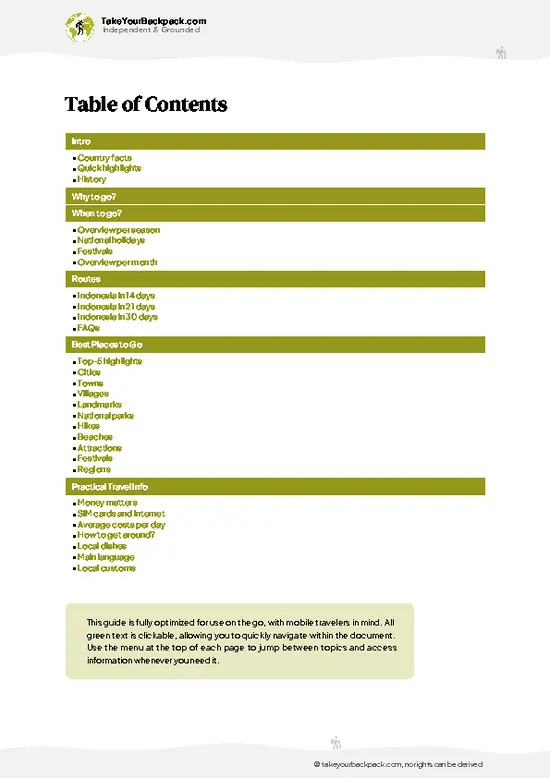
example page 2 from our offline Travel Guide for Indonesia
example page 3 from our offline Travel Guide for Indonesia
example page 4 from our offline Travel Guide for Indonesia
example page 5 from our offline Travel Guide for Indonesia
example page 6 from our offline Travel Guide for Indonesia
example page 7 from our offline Travel Guide for Indonesia
Loading the map 🌍
CLICK TO FILTER
cities
towns
villages
landmarks
national parks
hikes
beaches
attractions
festivals
regions
SHOW COUNTRY’S BESTSHOW ALL

✨ Why go?
Ranked #31 city in Indonesia
What makes this city worth visiting

Tarakan functions as a gateway to Borneo's interior and a genuine working city where you'll see Indonesia without the resort infrastructure. The hostels are cheap and social, the food scene is authentic and affordable, and the city is walkable enough to navigate on foot. It serves as a basecamp for day trips into rainforest reserves and to nearby islands, and onward travel to Tawau, Malaysia or deeper into Kalimantan is straightforward. Most backpackers use it as a 2 to 3 day stop rather than a destination, but that's exactly why it works: you get real interaction, genuine local hospitality, and a break from the tourist economy without feeling stranded.

💡 HighlightsEssential experiences to have while visiting Tarakan

  1. Tarakan Port and Waterfront: Watch the working harbor where fishing boats and cargo ships operate daily. Free to walk along. Best early morning, 6:00 to 7:00 AM, when fishermen return with the night's catch. 1 to 2 hours.
  2. Amal Saleh Museum: Small local museum covering Tarakan's oil boom history and indigenous Bulungan culture. US$2 to 3 entry. 1 to 1.5 hours. Open weekdays 9:00 AM to 4:00 PM.
  3. Jalan Sudirman Night Market: Evening street food and local goods market. Free to walk, budget US$3 to 8 for food. Best 6:00 PM to 9:00 PM. 1.5 to 2 hours.
  4. Nunukan Island Day Trip: Small island 30 minutes by speedboat, with beaches and a border crossing feel. US$15 to 25 per person for boat hire. 4 to 5 hours total.
  5. Tanjung Batu Lighthouse: Coastal viewpoint on the city's eastern edge. Free. 30 to 45 minutes.
… read more 👉
  1. Tarakan Port and Waterfront: Watch the working harbor where fishing boats and cargo ships operate daily. Free to walk along. Best early morning, 6:00 to 7:00 AM, when fishermen return with the night's catch. 1 to 2 hours.
  2. Amal Saleh Museum: Small local museum covering Tarakan's oil boom history and indigenous Bulungan culture. US$2 to 3 entry. 1 to 1.5 hours. Open weekdays 9:00 AM to 4:00 PM.
  3. Jalan Sudirman Night Market: Evening street food and local goods market. Free to walk, budget US$3 to 8 for food. Best 6:00 PM to 9:00 PM. 1.5 to 2 hours.
  4. Nunukan Island Day Trip: Small island 30 minutes by speedboat, with beaches and a border crossing feel. US$15 to 25 per person for boat hire. 4 to 5 hours total.
  5. Tanjung Batu Lighthouse: Coastal viewpoint on the city's eastern edge. Free. 30 to 45 minutes.
  6. Malinau River Boat Tour: Half-day upriver excursion into Borneo's interior, spotting wildlife and visiting Dayak settlements. US$40 to 60 per person. 4 to 5 hours.
Close by, Derawan Islands (2 to 3 hours by boat) offer snorkeling and sea turtles, and Tanjung Puting National Park (accessible via Pangkalan Bun, 6 to 8 hours away) is famous for orangutans. I'd pick Derawan first because the boat ride itself is part of the experience, and the islands feel genuinely remote.
Spotted a mistake or missing something? Contact us.

🏘️ NeighborhoodsNeighborhood guide to Tarakan

Tarakan spreads across a compact island, making it easy to navigate on foot or by ojek. The waterfront strips pulse with commerce and life, while inland areas reveal quieter residential pockets and local markets.
  • Pelabuhan (Port District): The beating heart where ferries dock and traders hustle. Seafood restaurants line the water, energy runs high, and you'll find budget warungs mixed with shipping offices. Walkable and loud.
  • Jalan Sudirman: The main commercial spine packed with shops, cafés, and street food stalls. This is where locals eat breakfast and grab supplies. Crowded but navigable on foot, best explored early morning.
  • Tarakan Timur (East Tarakan): Quieter residential zone with smaller warungs and local life unfolding at a slower pace. Less tourist infrastructure but genuine and peaceful. Requires ojek to reach from center.

⌛️ 1 dayHow to make the most of one day

Tarakan rewards a slow morning and afternoon exploring the waterfront and local markets, with a possible upriver excursion if you have energy. The city is compact and walkable, though taxis are cheap if you want to skip walking in the heat.

6:30 AM: Tarakan Port. Arrive early to watch fishermen unload the night's catch and see the working harbor come alive. The energy is genuine and the light is perfect. Walk along the waterfront for 45 minutes, then grab coffee and fried pastries from a street vendor (US$1 to 2).

8:30 AM: Amal Saleh Museum. Head inland to this small museum covering the city's oil history and local culture. It's quiet in the morning and gives context to what you're seeing. Budget 1 to 1.5 hours and US$2 to 3 entry.

10:30 AM: Jalan Sudirman. Walk the main commercial street, … read more 👉
Tarakan rewards a slow morning and afternoon exploring the waterfront and local markets, with a possible upriver excursion if you have energy. The city is compact and walkable, though taxis are cheap if you want to skip walking in the heat.

6:30 AM: Tarakan Port. Arrive early to watch fishermen unload the night's catch and see the working harbor come alive. The energy is genuine and the light is perfect. Walk along the waterfront for 45 minutes, then grab coffee and fried pastries from a street vendor (US$1 to 2).

8:30 AM: Amal Saleh Museum. Head inland to this small museum covering the city's oil history and local culture. It's quiet in the morning and gives context to what you're seeing. Budget 1 to 1.5 hours and US$2 to 3 entry.

10:30 AM: Jalan Sudirman. Walk the main commercial street, stopping at local shops and a warung for lunch (US$2 to 4). This is where locals actually shop, not tourists.

1:00 PM: Rest or Optional Malinau River Tour. If energy permits, book a half-day upriver boat tour (US$40 to 60) to see Borneo's interior and Dayak settlements. Otherwise, rest at your hostel and return to the night market at 6:00 PM for dinner and street food.

🌤️ When to go?When to go for the best experience

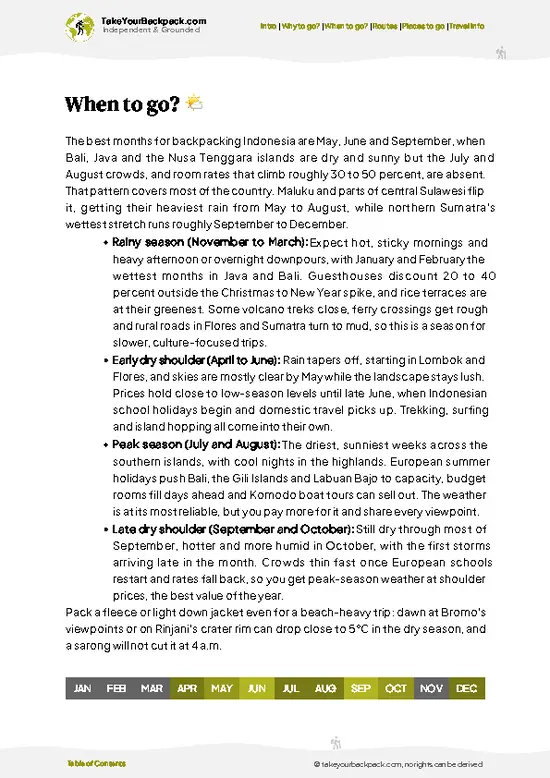
  • Dry Season (May to September): Clear skies, calm seas, and reliable transport. Temperatures hover around 26 to 32°C (79 to 90°F). Best window for island hopping and outdoor exploration.
  • Wet Season (November to March): Heavy rain, rough waters, and occasional ferry delays. Humidity peaks; temperatures stay 25 to 31°C (77 to 88°F). Fewer tourists, lower prices, but plan indoor activities.
  • Shoulder Months (April, October): Unpredictable weather but fewer crowds and mid-range prices. Good compromise if flexibility allows.
Visit May to September for the smoothest experience and easiest day-trip access.

source: climatestotravel.comJANJanuary: fair for travelingFEBFebruary: fair for travelingMARMarch: fair for travelingAPRApril: highly recommended for travelingMAYMay: excellent for travelingJUNJune: excellent for travelingJULJuly: excellent for travelingAUGAugust: excellent for travelingSEPSeptember: excellent for travelingOCTOctober: highly recommended for travelingNOVNovember: fair for travelingDECDecember: fair for traveling
when-to-go

✈️ The backpacker research shortcutIndonesia Travel Guide

An offline-friendly backpacking guide with optimized travel routes, ranked highlights, transport advice, and the best areas to stay.
example page 0 from our offline Travel Guide for Indonesia
example page 1 from our offline Travel Guide for Indonesia
example page 2 from our offline Travel Guide for Indonesia
example page 3 from our offline Travel Guide for Indonesia
example page 4 from our offline Travel Guide for Indonesia
example page 5 from our offline Travel Guide for Indonesia
example page 6 from our offline Travel Guide for Indonesia
example page 7 from our offline Travel Guide for Indonesia
The digital guide (460 pages) contains:
✅ 153 highlights, ranked by travel appeal
✅ Optimized 14, 21 & 30-day travel routes
✅ Cities, national parks, landmarks, beaches
✅ How to get around
✅ Offline-friendly for travel without Wi-Fi
👉 Click to see all 30+ guide features

📅 Plan smarter in minutes, not weeks
✅ Month by month travel advice
✅ Festivals & national holidays
✅ Budget expectations

🗺️ Go to the right places, skip the overrated ones
✅ Honest pros & cons of destinations
✅ Top hikes, parks & viewpoints
✅ Lesser-known places most travelers miss
✅ Clear “worth it vs skip it” guidance

🛏️ Travel smoothly without rookie mistakes
✅ Best areas to stay
✅ Transport systems explained simply
✅ Common scams & safety advice
✅ SIM cards, money & practical tips

🌍 Understand the country, not just visit it
✅ Culture & traditions
✅ 52 Essential phrases & customs
✅ Festivals worth planning around
✅ Traveler-friendly historical context
✅ Insights that make places more meaningful

📱 Built for real travel conditions
✅ Fully downloadable PDF
✅ Works completely offline
✅ Optimized for phone use
✅ Useful in remote areas & buses
✅ Everything in one place
Stop searching, start planning
Get instant access to your full guide. 30‑day money-back guarantee.
+ Add another guide for just

By proceeding you agree to our terms.
Sent to your inbox immediately after payment • 100% Secure Checkout
Best Backpacking Travel Advisor 2025 tourism awardBest Backpacking
Travel Advisor
2025
What others say about Take Your Backpack Guides:
⭐⭐⭐⭐⭐
Fantastic, amazing amount of information!
⭐⭐⭐⭐⭐
My goodness this is amazing, it's what I've been looking for hats off too you!
⭐⭐⭐⭐⭐
I think this is absolutely BRILLIANT
⭐⭐⭐⭐
Very complete and informative. It's still missing places, but I gotta to commend you
⭐⭐⭐⭐⭐
This is truly amazing, thank you, can't wait to explore it with my kids!
⭐⭐⭐⭐⭐
Awesome resource, thank you!
⭐⭐⭐⭐⭐
This is amazing! Can't wait to explore the ones I haven't seen
⭐⭐⭐⭐
I love this! Well done, great idea.
⭐⭐⭐⭐⭐
Thanks for taking the time to make this gem!
⭐⭐⭐⭐⭐
This might be the best website I've ever seen.
⭐⭐⭐⭐⭐
Congratulations, and thank you so much for your work; it's incredibly valuable.
⭐⭐⭐⭐
In all seriousness I think you did a great job pointing out the important spots
⭐⭐⭐⭐⭐
10/10 very good
⭐⭐⭐⭐⭐
As someone who's only just starting to visit regularly this is awesome, thank you.
⭐⭐⭐⭐
Thank you very much! I'm going to visit my dad, it's going to be very useful!
⭐⭐⭐⭐⭐
This is really cool! We'll be travelling for the first time and this definitely come in handy.
⭐⭐⭐⭐⭐
You are now our minister of culture, congratulations 👨‍💼
⭐⭐⭐⭐⭐
Just wanted to tell you that this is a pearl! Going to follow your recommendations.
⭐⭐⭐⭐⭐
This is so cool. I'll definitely be using the resource for my travels soon.
⭐⭐⭐⭐⭐
This is very impressive! Good work.
⭐⭐⭐⭐⭐
This is an amazing and informative site. Very well done!

🛏️ Where to stay?How to pick the right area

Base yourself in the Pelabuhan or Jalan Sudirman areas for easy access to transport, food, and ferry connections. Both neighborhoods have budget guesthouses and simple hostels within walking distance of the port, keeping costs low and logistics simple. Pelabuhan offers more waterfront energy and faster ferry access; Jalan Sudirman puts you in the commercial heart with more dining variety. Both are safe at night and well-lit. Avoid isolated inland areas unless you have reliable transport arranged.

🚌 Getting aroundHow to get from A to B

From the main ferry terminal, take an ojek (motorcycle taxi) or angkot (shared minibus) into the center, a 10 to 15 minute ride costing US$1 to 2. Tarakan is small and walkable in the core, but distances stretch quickly; most backpackers mix walking with cheap ojek rides to explore efficiently.
  • Walking: Free and practical for the port and main commercial streets. Flat terrain, but heat and humidity demand early starts. Best for short hops between neighborhoods.
  • Ojek (Motorcycle Taxi): US$0.50 to 1.50 per ride, instant availability, and door-to-door speed. Negotiate fare beforehand or use a ride app if available. Fastest option for crossing the island.
  • Angkot (Shared Minibus): US$0.30 to 0.50 per ride, fixed routes, and packed with locals. Slower than ojek but cheapest and most social. Runs until
… read more 👉
From the main ferry terminal, take an ojek (motorcycle taxi) or angkot (shared minibus) into the center, a 10 to 15 minute ride costing US$1 to 2. Tarakan is small and walkable in the core, but distances stretch quickly; most backpackers mix walking with cheap ojek rides to explore efficiently.
  • Walking: Free and practical for the port and main commercial streets. Flat terrain, but heat and humidity demand early starts. Best for short hops between neighborhoods.
  • Ojek (Motorcycle Taxi): US$0.50 to 1.50 per ride, instant availability, and door-to-door speed. Negotiate fare beforehand or use a ride app if available. Fastest option for crossing the island.
  • Angkot (Shared Minibus): US$0.30 to 0.50 per ride, fixed routes, and packed with locals. Slower than ojek but cheapest and most social. Runs until early evening.
  • Rental Motorbike: US$4 to 7 per day. Gives independence but requires comfort with tropical traffic and helmet discipline. Fuel is cheap.

👛 Costs (as of 15 October 2026)What things cost and how to budget

Budget backpackers spend US$25 to 40 daily in Tarakan, covering basic accommodation, meals, and local transport. Costs are lower than major tourist hubs but higher than remote inland areas. Accommodation is the largest variable; dorm beds and simple guesthouses set the tone for your overall spend.
CategoryBudget RangeLocal Reality
Dorm accommodation (high season)US$8 to 12Basic fan rooms in guesthouses; few dedicated hostels
Dorm accommodation (off-season)US$6 to 9Same rooms, negotiable rates May to October
MealsUS$2 to 5Warung meals US$1.50 to 3; seafood slightly higher
Local transportUS$0.30 to 2Ojek US$0.50 to 1.50; angkot US$0.30 to 0.50
City transport passN/ANo pass system; pay per ride
Basic activities/entry feesUS$0 to 5Most beaches and walks free; boat tours US$15 to 50
Miscellaneous expensesUS$3
… read more 👉
Budget backpackers spend US$25 to 40 daily in Tarakan, covering basic accommodation, meals, and local transport. Costs are lower than major tourist hubs but higher than remote inland areas. Accommodation is the largest variable; dorm beds and simple guesthouses set the tone for your overall spend.
CategoryBudget RangeLocal Reality
Dorm accommodation (high season)US$8 to 12Basic fan rooms in guesthouses; few dedicated hostels
Dorm accommodation (off-season)US$6 to 9Same rooms, negotiable rates May to October
MealsUS$2 to 5Warung meals US$1.50 to 3; seafood slightly higher
Local transportUS$0.30 to 2Ojek US$0.50 to 1.50; angkot US$0.30 to 0.50
City transport passN/ANo pass system; pay per ride
Basic activities/entry feesUS$0 to 5Most beaches and walks free; boat tours US$15 to 50
Miscellaneous expensesUS$3 to 8Drinks, snacks, laundry, SIM card top-ups
Total Daily BudgetUS$25 to 40Comfortable on US$30 to 35 with modest meals and transport
Eat at local warungs instead of tourist restaurants to stretch your budget significantly.
⚠️ Prices can change and everyone travels differently, so take this as a rough guide. Hope it helps you plan your adventure!

🚌 Day tripsShort trips worth adding

Tarakan sits in the Bulungan Strait, surrounded by islands, reefs, and small coastal towns reachable by ferry or chartered boat. Most trips depart early morning and return by late afternoon, making them genuine day options.Bunyu IslandA 45-minute ferry ride south reveals a quieter island with fishing villages, mangrove walks, and a slower pace. The ferry costs US$3 to 5 return. Bring cash, as facilities are minimal. Best visited May to September when seas are calm. First-timers often underestimate travel time; leave early to avoid missing the return ferry.Maratua AtollA pristine reef system 2 to 3 hours by speedboat, famous for snorkeling and diving. Costs US$30 to 50 for a day trip including boat and guide. Water clarity peaks June to August. The journey is rough in choppy seas, so take seasickness … read more 👉
Tarakan sits in the Bulungan Strait, surrounded by islands, reefs, and small coastal towns reachable by ferry or chartered boat. Most trips depart early morning and return by late afternoon, making them genuine day options.Bunyu IslandA 45-minute ferry ride south reveals a quieter island with fishing villages, mangrove walks, and a slower pace. The ferry costs US$3 to 5 return. Bring cash, as facilities are minimal. Best visited May to September when seas are calm. First-timers often underestimate travel time; leave early to avoid missing the return ferry.Maratua AtollA pristine reef system 2 to 3 hours by speedboat, famous for snorkeling and diving. Costs US$30 to 50 for a day trip including boat and guide. Water clarity peaks June to August. The journey is rough in choppy seas, so take seasickness precautions if prone.Sesayap RiverA 1.5-hour boat ride inland through mangroves and jungle, offering wildlife spotting and village visits. Guides cost US$15 to 25 per person. Early morning departures catch the most wildlife activity. Wet season (November to March) brings higher water levels and better animal sightings.

🍲 FoodLocal Cuisine & Drinks

Seafood dominates the local diet. Fresh grilled fish, shrimp, and squid appear in every warung, often cooked to order and served with sambal and rice for US$2 to 4. Try ikan bakar (grilled fish) at waterfront stalls where fishermen sell their catch directly.Street food and markets are where backpackers eat cheaply and well. Soto Banjar, a spiced beef soup, and lumpia (spring rolls) fill breakfast carts. Nasi kuning (turmeric rice) and satay skewers appear at evening food stalls. Markets open early and close by mid-afternoon.Drinking culture is low-key. Local beer and coffee are the norm; alcohol is available but not a social centerpiece. Iced coffee and fresh coconut water are the real refreshments, especially in heat. Eat where locals eat, arrive hungry, and expect cash-only transactions.

🛡️ SafetyStaying Safe: What Travelers Should Know

Tarakan is generally safe for backpackers. Petty theft from unattended bags happens occasionally in crowded markets and at the ferry terminal, so keep valuables close and avoid leaving items on tables. Solo travel is fine; locals are accustomed to independent travelers. Night walking is safe in lit commercial areas, but avoid isolated streets after dark. Scams are rare, though unofficial money changers may offer poor rates. Stick to banks or established shops. The main annoyance is aggressive touts at the port, easily deflected with a firm 'no terima kasih' (no thank you).

FAQFrequently asked questions about Tarakan

Two to three days is ideal. Most backpackers spend one full day exploring the city and waterfront, then take a day trip to Derawan Islands or upriver, or use it as an overnight stop between Tawau, Malaysia and deeper Kalimantan. A single night works if you're in transit.
Yes, Tarakan is safe for solo backpackers. It's a working city with a small but welcoming backpacker community, and locals are accustomed to independent travelers. Standard precautions apply: avoid walking alone very late at night, keep valuables secure, and stay aware of your surroundings. Petty theft is rare but possible in crowded markets.
Tarakan is known as a working oil and gas port city and gateway to Borneo's interior. It's also the jumping-off point for Derawan Islands, a marine reserve famous for sea turtles and snorkeling. For backpackers, it's known as an authentic, non-touristy alternative to Indonesia's mainstream circuit.
⚠️ Things can change over time, so always validate details locally before you go.

Other Indonesian cities near Tarakan

Explore more nearby:

  • Samarinda—Mahakam River, coal barges, Dayak crafts| 428 km away
  • Palu—bay views, mountain backdrop, Central Sulawesi hub| 534 km away
  • Gorontalo—Sulawesi north coast, Otanaha fort, binte soup, Togean boats| 684 km away

💡 Not sure where to go next?
Create a personalized itinerary for Indonesia including Tarakan and the places that fit your trip.

Generate my itinerary

👉 Discover all cities

Or checkout all Indonesia has to offer (think cities, towns, villages, national parks, hikes, beaches, festivals)
Country photo of Indonesia

We 💚 feedbackSumming up the experience

Tarakan rewards travelers seeking an authentic Indonesian port city beyond the tourist circuit, with genuine warmth from locals and affordable food that reflects real regional tastes. The main drawback is limited English and fewer established backpacker infrastructure compared to Java or Bali, which demands more patience and planning.

✈️ When did I visit Indonesia?
As part of my 1.5 year travel around the world trip, I visited Indonesia twice (and it was worth it): first in September 2015 and a bit later again in January and February 2016.

✍️ Help improve this page!
The information on this page is based on my own backpacking experience in Indonesia, supplemented with up-to-date research and feedback from other travelers. Travel details can change, so if you notice anything outdated or incomplete, feel free to let me know.


🙋‍♂️ Give feedback

👋 Meet the founderWho’s Behind Take Your Backpack?

Johan, backpacker and founder of TakeYourBackpackHi, I’m Johan (Netherlands 🇳🇱), the creator of TakeYourBackpack. Over the past 3 decades, I’ve backpacked through 90+ countries across six continents, gaining extensive experience with independent travel, long-term trips, and overland routes.

This site is built on a combination of firsthand travel experience and carefully curated insights from other backpackers. Many guides are based on places I’ve personally visited, while others bring together tips, observations, and practical advice shared by trusted travelers I’ve met along the way.

The goal is to provide realistic, experience-driven guidance — not generic itineraries — so you can explore destinations with better context, clearer expectations, and more confidence.