v2.webp)
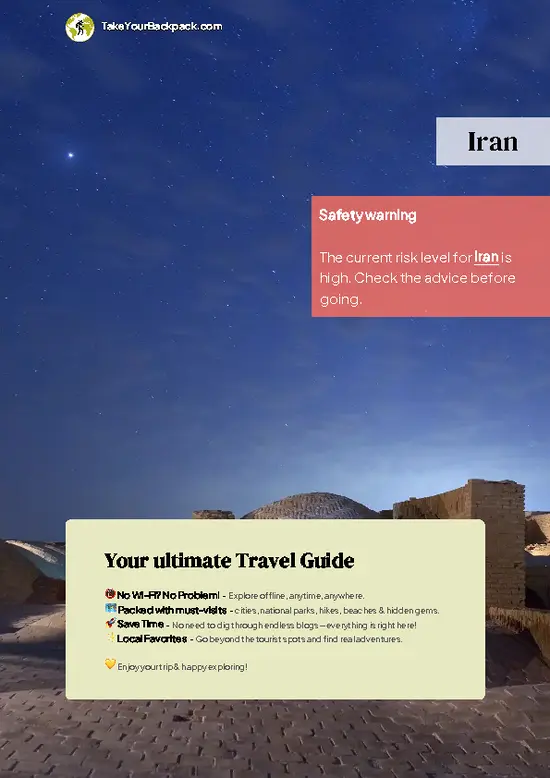
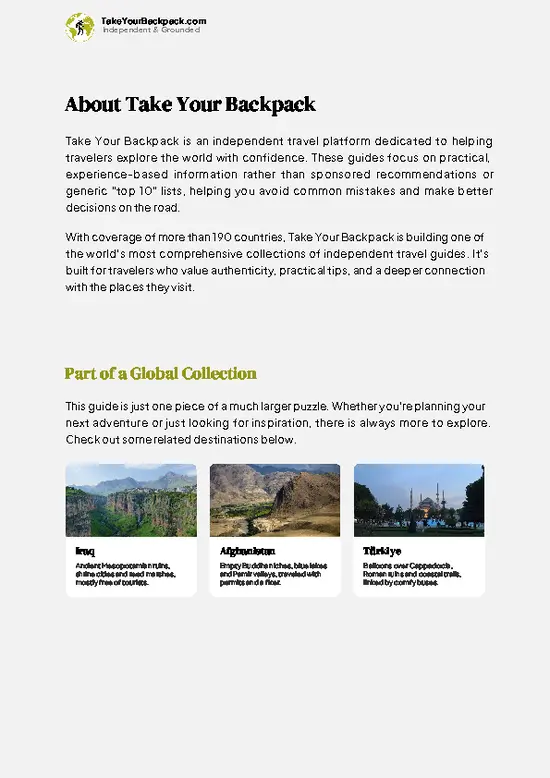
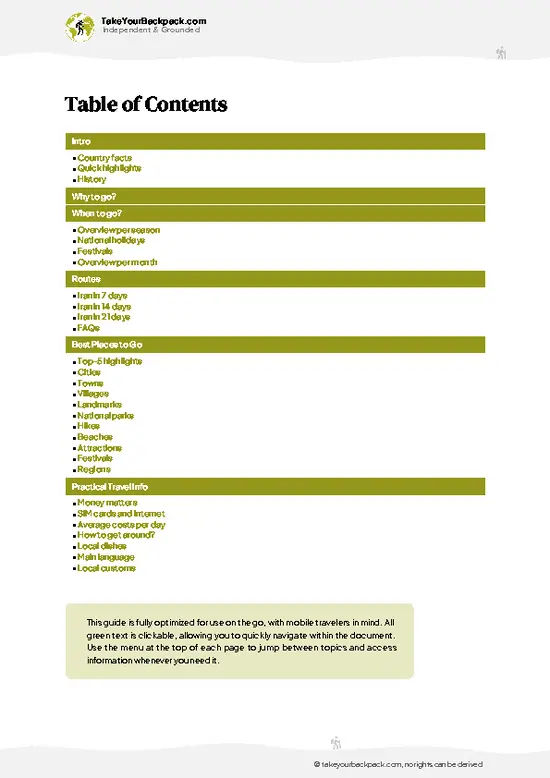
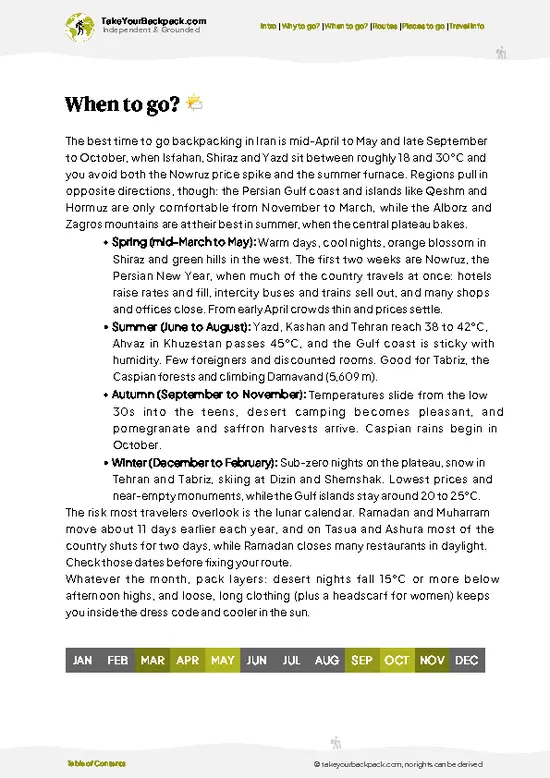
- Minab Friday Market (Bazaar-e Jom’eh): The city’s best show — a lively weekly market where Bandari and tribal sellers in traditional dress trade everything from fresh fish and dates to woven baskets and bright local garments. Great for photos, people-watching, and cheap, authentic bites.
- Old Bazaar lanes: Narrow, shady alleyways branching off the main market with small workshops, spice stalls and old storefronts; walking here gives a real feel for Minab’s commerce and everyday life away from the tourist gloss.
- Masjid-e Jameh (the congregational mosque): The central mosque in Minab — visit to see local religious life, traditional Persian-Islamic architecture adapted to a hot coastal climate, and decorative tilework typical of Hormozgan cities.
- Minab riverine palm groves: The date-palms
- Minab Friday Market (Bazaar-e Jom’eh): The city’s best show — a lively weekly market where Bandari and tribal sellers in traditional dress trade everything from fresh fish and dates to woven baskets and bright local garments. Great for photos, people-watching, and cheap, authentic bites.
- Old Bazaar lanes: Narrow, shady alleyways branching off the main market with small workshops, spice stalls and old storefronts; walking here gives a real feel for Minab’s commerce and everyday life away from the tourist gloss.
- Masjid-e Jameh (the congregational mosque): The central mosque in Minab — visit to see local religious life, traditional Persian-Islamic architecture adapted to a hot coastal climate, and decorative tilework typical of Hormozgan cities.
- Minab riverine palm groves: The date-palms and small irrigation channels that run near the city are quiet, green pockets perfect for a slow walk, photography, and seeing how dates are raised and hand-harvested in the region.
- Palm-leaf weaving workshops: Small family-run workshops and stall clusters where you can watch (and buy) handwoven trays, baskets and hats made from palm fronds — a practical local craft that’s central to Minab’s material culture.
- Local fish market and waterfront area: Early-morning fish auctions and the waterfront life are vivid and honest — you’ll smell the sea, see fishermen at work, and can eat very fresh, simply prepared seafood nearby.
- Traditional costume and textile shops: Shops selling Bandari dresses, colorful headscarves and embroidered textiles — a good place to learn about regional styles and support local artisans who still wear and make these garments.
- Old residential quarter (mud-brick houses): Quiet lanes of older mud-brick homes and courtyards where the city’s vernacular architecture and courtyard living are most visible — bring respect and ask before photographing people.
- Neighborhood teahouses (qahveh-khaneh): Small, lively tea houses where locals gather to chat, play backgammon, and share news — an inexpensive, warm way to meet people and hear local stories.
- Local shrines and small Imamzadehs: Scattered modest religious sites that matter socially and spiritually to residents; visiting (with respectful dress and behavior) gives insight into community rituals and local history.
Spotted a mistake or missing something? Contact us.

 Best Backpacking
.jpg) Hi, I’m Johan (Netherlands 🇳🇱), the creator of TakeYourBackpack. Over the past 3 decades, I’ve backpacked through 90+ countries across six continents, gaining extensive experience with independent travel, long-term trips, and overland routes.
Hi, I’m Johan (Netherlands 🇳🇱), the creator of TakeYourBackpack. Over the past 3 decades, I’ve backpacked through 90+ countries across six continents, gaining extensive experience with independent travel, long-term trips, and overland routes.