×

Iran🇮🇷 | landmarksBam Citadeladobe fortress, desert ramparts, ancient watchtowers | things to do and best time to go

Explore MinabExplore Bam and its Cultural Landscape

Backpacking in Bam Citadel
🏆 Top pickunique site ranked #4
By Johan Kruseman 🇳🇱 | Updated July 30, 2026

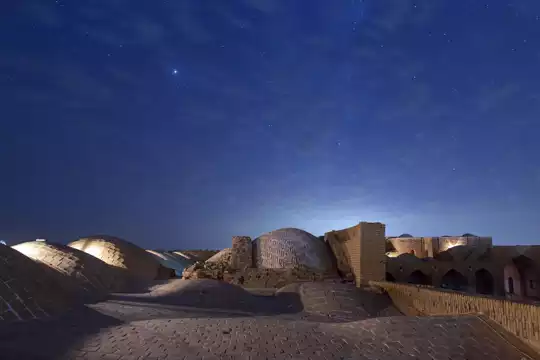
Your boots crunch on sun-baked dust as the wind pushes fine sand into your teeth, and when you run your hand along the mud-brick wall it comes away chalky, the same color as the endless ruins stretching to the horizon. A call to prayer drifts in thin and distant, swallowed by the dry heat. This is Bam Citadel, on the edge of the Lut Desert in southeastern Iran, and it feels more like a mirage than a monument.

For backpackers, Bam is not the polished, crowd-choked circus you get at global headliners. Parts are still scarred from the 2003 earthquake, so you’re walking through a half-resurrected ghost, not a perfectly restored movie set. That’s the power. Fewer tourists, low entry fees, and a colossal sense of scale make it easy to feel small in the best way. It’s remote, transport can be awkward, and facilities are basic, but the payoff is huge: raw history, big skies, and photos that look like you time-traveled, not filtered your way through another checklist sight.

Discover everything you want to know in the 📖 Iran Travel Guide.
Safety warning

The current risk level for Iran is high. Check the advice before going.


Get your Iran guide
118 ranked highlights, routes & tips, works offline (412 pages)
Loading the map 🌍
CLICK TO FILTER
cities
towns
villages
landmarks
national parks
hikes
beaches
attractions
festivals
regions
SHOW COUNTRY’S BESTSHOW ALL

✨ Why go?
Ranked #4 unique site in Iran
What sets this place apart

Bam Citadel isn’t just another dusty ruin; it’s a living testament to resilience and history. Sure, you’ll encounter crowds—especially during peak season—but don’t let that deter you. The scale of this ancient fortress is staggering, stretching over 180,000 square meters. You’ll feel the weight of centuries as you wander through its mud-brick walls, which have stood against the elements and time.

The cost? Minimal. Entrance fees are pocket change, making it a no-brainer for budget travelers. Plus, it fits seamlessly into a broader route through Iran, often paired with stops in Kerman or Yazd. This isn’t just a detour; it’s a highlight that enriches your journey.

What makes Bam truly special is its story. After the 2003 earthquake, the restoration efforts have breathed new life into the citadel, … read more 👉
Bam Citadel isn’t just another dusty ruin; it’s a living testament to resilience and history. Sure, you’ll encounter crowds—especially during peak season—but don’t let that deter you. The scale of this ancient fortress is staggering, stretching over 180,000 square meters. You’ll feel the weight of centuries as you wander through its mud-brick walls, which have stood against the elements and time.

The cost? Minimal. Entrance fees are pocket change, making it a no-brainer for budget travelers. Plus, it fits seamlessly into a broader route through Iran, often paired with stops in Kerman or Yazd. This isn’t just a detour; it’s a highlight that enriches your journey.

What makes Bam truly special is its story. After the 2003 earthquake, the restoration efforts have breathed new life into the citadel, showcasing the community’s spirit. You’ll find yourself not just observing history but experiencing it. So, pack your bag, head to Bam, and soak in the authenticity that Instagram can’t capture.
Want to include Bam Citadel in your Iran route?
Create a personalized Iran itinerary that includes Bam Citadel and the places that fit your trip — based on your travel style, budget, and available time. Get your route in seconds.

Generate my trip

💡 HighlightsKey sights and experiences for travelers

  1. The sprawling mud-brick citadel (Arg-e Bam) — One of the largest mud-brick complexes you’ll ever see: vast ramparts, rooms and courtyards laid out like a small ancient city. The sheer scale and the uniform earthen color make it feel frozen in time — and strangely otherworldly in the desert light.
  2. Defensive walls and watchtowers — Thick adobe walls punctuated by round and rectangular towers show clever military thinking for a desert stronghold. Climb a tower for a real sense of how the citadel controlled the surrounding plain and why it mattered on trade routes.
  3. Labyrinthine lanes and courtyard houses — Narrow alleys, hidden doorways and inward-facing courtyard homes reveal traditional Persian urban planning built for privacy and cooling. Walking those lanes gives a tactile sense of daily
read more 👉
  1. The sprawling mud-brick citadel (Arg-e Bam) — One of the largest mud-brick complexes you’ll ever see: vast ramparts, rooms and courtyards laid out like a small ancient city. The sheer scale and the uniform earthen color make it feel frozen in time — and strangely otherworldly in the desert light.
  2. Defensive walls and watchtowers — Thick adobe walls punctuated by round and rectangular towers show clever military thinking for a desert stronghold. Climb a tower for a real sense of how the citadel controlled the surrounding plain and why it mattered on trade routes.
  3. Labyrinthine lanes and courtyard houses — Narrow alleys, hidden doorways and inward-facing courtyard homes reveal traditional Persian urban planning built for privacy and cooling. Walking those lanes gives a tactile sense of daily life here centuries ago.
  4. Bazaar and caravanserai remnants — The commercial spine of the citadel: market stalls and caravanserai ruins point to Bam’s role on regional trade networks. Imagine pack animals, merchants and goods moving through — it’s where history meets everyday life.
  5. Ancient qanat and water-management system — The underground channels that fed the citadel’s gardens and date palms are engineering genius for an arid place. Seeing evidence of the qanat helps you understand how whole communities survived here long before modern plumbing.
  6. Sunrise and sunset over the Bam oasis — The low sun turns the mud walls a warm orange and silhouettes the palm groves, making for unforgettable photos (and cooler, nicer visiting hours). Early morning is especially peaceful and avoids the heat and crowds.
  7. Earthquake scars and the restoration story — The 2003 quake badly damaged the site, and the ongoing conservation work is part of the visit: you’ll see ruins, rebuilt sections and local craftsmen at work. It’s a powerful lesson in heritage, loss and recovery — and a chance to support sustainable restoration by visiting respectfully.
Spotted a mistake or missing something? Contact us.

🌤️ When to go?Weather, crowds, and seasonal trade-offs


  • Weather: Bam Citadel bakes under a brutal desert sun in summer, with temperatures soaring above 40°C (104°F). Winters are mild and dry, hovering around 10-15°C (50-59°F), making it far more bearable for trekking and exploring ruins.

  • Temperature: Spring and autumn offer the sweet spot—daytime temps between 20-30°C (68-86°F). Nights can dip sharply, so pack layers. Avoid summer unless you’re a heat warrior; the sun will sap your energy fast.

  • Daylight Hours: Around 10-12 hours of daylight in spring and autumn, enough to explore without rushing but not so long that the heat drags on. Winter days are shorter, which can limit your sightseeing window.

  • Crowds: The citadel isn’t exactly a tourist magnet, but Iranian holidays and weekends bring local visitors. Visiting midweek in shoulder seasons
read more 👉

  • Weather: Bam Citadel bakes under a brutal desert sun in summer, with temperatures soaring above 40°C (104°F). Winters are mild and dry, hovering around 10-15°C (50-59°F), making it far more bearable for trekking and exploring ruins.

  • Temperature: Spring and autumn offer the sweet spot—daytime temps between 20-30°C (68-86°F). Nights can dip sharply, so pack layers. Avoid summer unless you’re a heat warrior; the sun will sap your energy fast.

  • Daylight Hours: Around 10-12 hours of daylight in spring and autumn, enough to explore without rushing but not so long that the heat drags on. Winter days are shorter, which can limit your sightseeing window.

  • Crowds: The citadel isn’t exactly a tourist magnet, but Iranian holidays and weekends bring local visitors. Visiting midweek in shoulder seasons means fewer people and a more personal experience.

  • Seasonal Activities: Spring and autumn sometimes host cultural events nearby, adding layers to your visit beyond just the ruins. Summer is dead quiet, but the heat kills any chance of outdoor events.

  • Price Fluctuations: Prices for accommodation and guides stay relatively stable year-round, but expect a slight bump during Nowruz (Persian New Year, March) when domestic tourism spikes.


Pro-tip: Aim for late October to early November—cool days, manageable crowds, and a chance to catch local life in full swing without the tourist gloss.


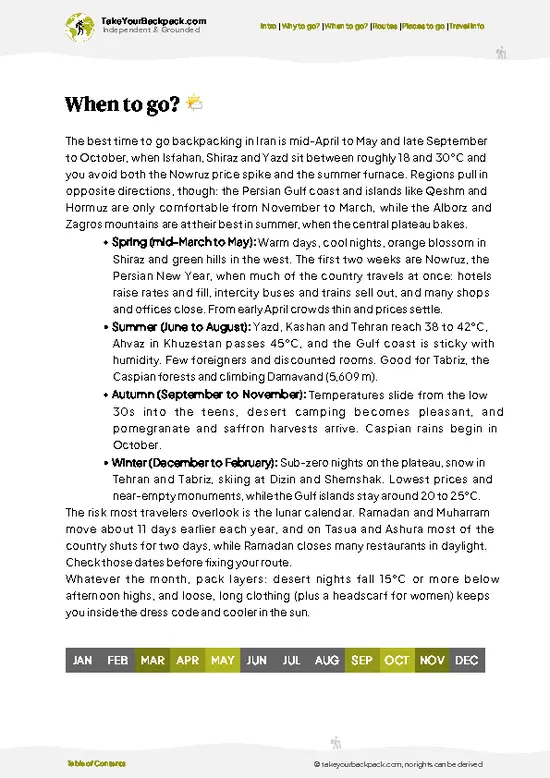
source: climatestotravel.comJANJanuary: highly recommended for travelingFEBFebruary: highly recommended for travelingMARMarch: good for travelingAPRApril: excellent for travelingMAYMay: excellent for travelingJUNJune: fair for travelingJULJuly: below average for travelingAUGAugust: below average for travelingSEPSeptember: good for travelingOCTOctober: excellent for travelingNOVNovember: excellent for travelingDECDecember: highly recommended for traveling
when-to-go

✈️ The backpacker research shortcutIran Travel Guide

An offline-friendly backpacking guide with optimized travel routes, ranked highlights, transport advice, and the best areas to stay.
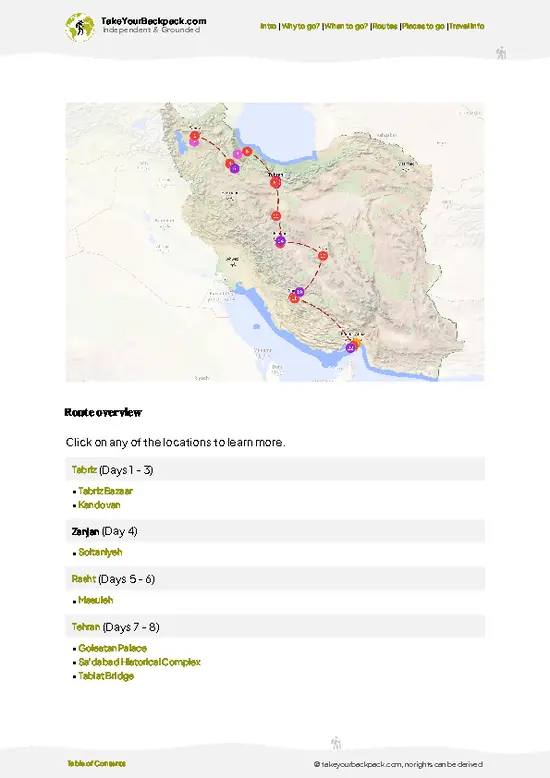
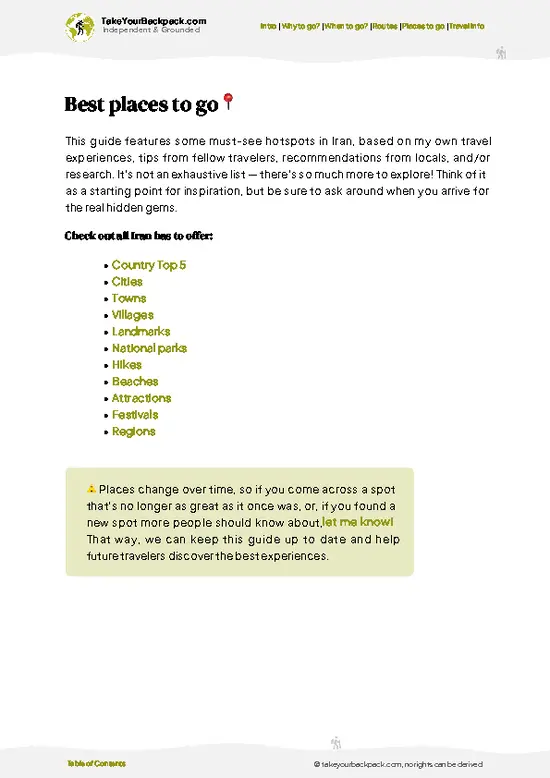
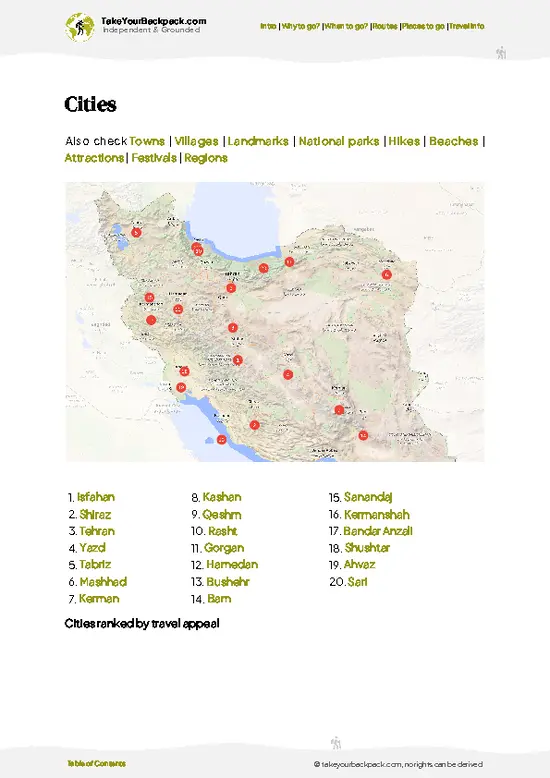
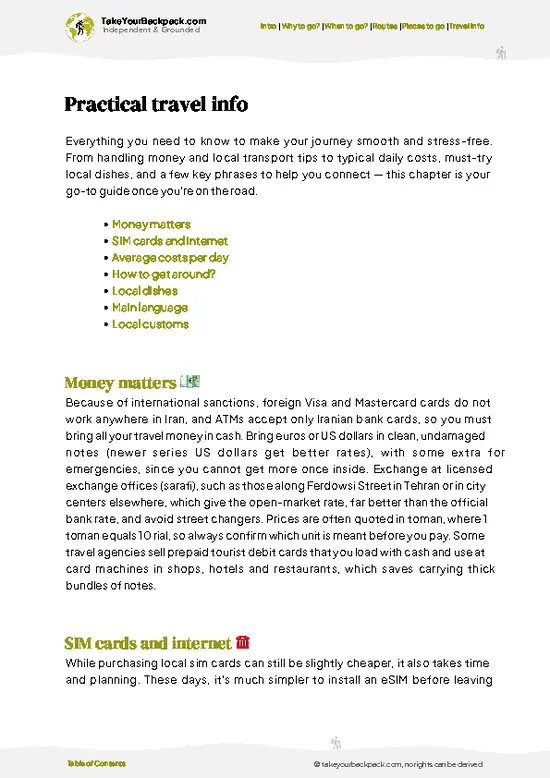
example page 0 from our offline Travel Guide for Iran
example page 1 from our offline Travel Guide for Iran
example page 2 from our offline Travel Guide for Iran
example page 3 from our offline Travel Guide for Iran
example page 4 from our offline Travel Guide for Iran
example page 5 from our offline Travel Guide for Iran
example page 6 from our offline Travel Guide for Iran
example page 7 from our offline Travel Guide for Iran
The digital guide (412 pages) contains:
118 highlights, ranked by travel appeal
Optimized 7, 14 & 21-day travel routes
Cities, national parks, landmarks, beaches
How to get around
Offline-friendly for travel without Wi-Fi
👉 Click to see all 30+ guide features

📅 Plan smarter in minutes, not weeks
Month by month travel advice
Festivals & national holidays
Budget expectations

🗺️ Go to the right places, skip the overrated ones
Honest pros & cons of destinations
Top hikes, parks & viewpoints
Lesser-known places most travelers miss
Clear “worth it vs skip it” guidance

🛏️ Travel smoothly without rookie mistakes
Best areas to stay
Transport systems explained simply
Common scams & safety advice
SIM cards, money & practical tips

🌍 Understand the country, not just visit it
Culture & traditions
52 Essential phrases & customs
Festivals worth planning around
Traveler-friendly historical context
Insights that make places more meaningful

📱 Built for real travel conditions
Fully downloadable PDF
Works completely offline
Optimized for phone use
Useful in remote areas & buses
Everything in one place
Save weeks of stressful planning
Get instant access to your full guide. 30‑day money-back guarantee.


By proceeding you agree to our terms.
Sent to your inbox immediately after payment • 100% Secure Checkout
Best Backpacking Travel Advisor 2025 tourism awardBest Backpacking
Travel Advisor
2025
What others say about Take Your Backpack Guides:
⭐⭐⭐⭐⭐
Fantastic, amazing amount of information!
⭐⭐⭐⭐⭐
My goodness this is amazing, it's what I've been looking for hats off too you!
⭐⭐⭐⭐⭐
I think this is absolutely BRILLIANT
⭐⭐⭐⭐
Very complete and informative. It's still missing places, but I gotta to commend you
⭐⭐⭐⭐⭐
This is truly amazing, thank you, can't wait to explore it with my kids!
⭐⭐⭐⭐⭐
Awesome resource, thank you!
⭐⭐⭐⭐⭐
This is amazing! Can't wait to explore the ones I haven't seen
⭐⭐⭐⭐
I love this! Well done, great idea.
⭐⭐⭐⭐⭐
Thanks for taking the time to make this gem!
⭐⭐⭐⭐⭐
This might be the best website I've ever seen.
⭐⭐⭐⭐⭐
Congratulations, and thank you so much for your work; it's incredibly valuable.
⭐⭐⭐⭐
In all seriousness I think you did a great job pointing out the important spots
⭐⭐⭐⭐⭐
10/10 very good
⭐⭐⭐⭐⭐
As someone who's only just starting to visit regularly this is awesome, thank you.
⭐⭐⭐⭐
Thank you very much! I'm going to visit my dad, it's going to be very useful!
⭐⭐⭐⭐⭐
This is really cool! We'll be travelling for the first time and this definitely come in handy.
⭐⭐⭐⭐⭐
You are now our minister of culture, congratulations 👨‍💼
⭐⭐⭐⭐⭐
Just wanted to tell you that this is a pearl! Going to follow your recommendations.
⭐⭐⭐⭐⭐
This is so cool. I'll definitely be using the resource for my travels soon.
⭐⭐⭐⭐⭐
This is very impressive! Good work.
⭐⭐⭐⭐⭐
This is an amazing and informative site. Very well done!

🛏️ Where to stay?Choosing the right base

Staying near Bam Citadel? Let’s cut through the fluff. The area around the citadel is a mix of history and local life, but it’s not all Instagram filters and postcard views.

Head to the old town of Bam. It’s where the real vibe is. You’ll find a handful of guesthouses that cater to backpackers. They’re often run by locals who are eager to share stories over a cup of tea. This is where you can soak in the culture without the tourist trap prices.

Another solid option is the outskirts of Bam. It’s quieter, and you can still catch glimpses of the citadel from a distance. Here, you’ll find a few … read more 👉
Staying near Bam Citadel? Let’s cut through the fluff. The area around the citadel is a mix of history and local life, but it’s not all Instagram filters and postcard views.

Head to the old town of Bam. It’s where the real vibe is. You’ll find a handful of guesthouses that cater to backpackers. They’re often run by locals who are eager to share stories over a cup of tea. This is where you can soak in the culture without the tourist trap prices.

Another solid option is the outskirts of Bam. It’s quieter, and you can still catch glimpses of the citadel from a distance. Here, you’ll find a few budget-friendly spots that offer a more laid-back atmosphere. Perfect for solo travelers looking to connect with others or just chill after a day of exploring.

Safety is generally good, but always trust your gut. The locals are friendly, and you’ll feel welcomed. Just remember, the real magic of Bam isn’t just in the citadel itself; it’s in the stories shared and the connections made in these cozy, unpretentious places.

👛 Costs (as of 30 July 2026)What things cost and how to budget

Visiting Bam Citadel in Iran can be a rewarding experience, but it’s essential to know what to expect in terms of costs.
  • Entrance Fee: The entrance fee to Bam Citadel is around €2 to €5 (or $2 to $6). This small fee grants you access to explore the ancient ruins and soak in the history of this UNESCO World Heritage site. It’s a steal for the depth of culture you’ll encounter.
  • Transportation: Getting to Bam can vary widely. If you’re traveling from Kerman, expect to pay about €10 to €20 ($11 to $22) for a shared taxi or bus. Private taxis can run higher, around €30 to €50 ($33 to $55), depending on your negotiation skills. Keep in mind that public transport is limited, so plan accordingly.
  • Accommodation: Options range from budget hostels to mid-range hotels. A dorm bed can cost around €10 to €15
read more 👉
Visiting Bam Citadel in Iran can be a rewarding experience, but it’s essential to know what to expect in terms of costs.
  • Entrance Fee: The entrance fee to Bam Citadel is around €2 to €5 (or $2 to $6). This small fee grants you access to explore the ancient ruins and soak in the history of this UNESCO World Heritage site. It’s a steal for the depth of culture you’ll encounter.
  • Transportation: Getting to Bam can vary widely. If you’re traveling from Kerman, expect to pay about €10 to €20 ($11 to $22) for a shared taxi or bus. Private taxis can run higher, around €30 to €50 ($33 to $55), depending on your negotiation skills. Keep in mind that public transport is limited, so plan accordingly.
  • Accommodation: Options range from budget hostels to mid-range hotels. A dorm bed can cost around €10 to €15 ($11 to $17), while a private room in a guesthouse might set you back €25 to €50 ($28 to $55). If you want a bit of luxury, expect to pay upwards of €70 ($77) for a nicer hotel.
  • Food: Eating out is quite affordable. Street food and local restaurants offer meals for about €2 to €5 ($2 to $6). If you opt for a sit-down meal in a nicer restaurant, budget around €10 to €15 ($11 to $17). You can enjoy hearty Persian dishes without breaking the bank.
  • Guided Tours: If you want a deeper understanding of the site, consider a guided tour. Prices typically range from €15 to €30 ($17 to $33) per person. This can enhance your experience, as local guides share insights that you might miss on your own.

Understanding these costs will help you budget effectively for your visit to Bam Citadel. It’s a place where history and culture come alive, and the investment is well worth it.


source: irantravelingcenter.com
⚠️ Prices can change and everyone travels differently, so take this as a rough guide. Hope it helps you plan your adventure!

Other Iranian landmarks near Bam Citadel

Explore more nearby:

  • Qeshm Island Geopark—salt caves, tidal valleys, fossil beds| 338 km away
  • Chahkooh Canyon—wind-carved ravine, striated rock walls, narrow passageways| 388 km away
  • Persepolis—Achaemenid terraces, stone reliefs, ceremonial stairways| 538 km away

💡 Not sure where to go next?
Create a personalized itinerary for Iran including Bam Citadel and the places that fit your trip.

Generate my itinerary

👉 Discover all landmarks

Or checkout all Iran has to offer (think cities, towns, villages, national parks, hikes, beaches, festivals)
Country photo of Iran

We 💚 feedbackKey takeaways before you go

Bam Citadel is a paradox. Yes, it’s a UNESCO site, and yes, it can get packed with tourists. But here’s the kicker: wander just a bit off the main path, and you’ll find crumbling walls that whisper stories of ancient resilience. The best surprise? The locals. They’re warm and eager to share their history, often over a cup of tea. Just be ready for the heat—summer can be brutal. Embrace the quiet moments; that’s where the real magic lies.

✍️ Help improve this page!
The information on this page is based on in-depth research, insights shared by experienced travelers, and feedback from the local travel community in Iran. While every effort is made to keep the information accurate and current, conditions can change — so if you spot anything incorrect or outdated, please get in touch.


🙋‍♂️ Give feedback

👋 Meet the founderWho’s Behind Take Your Backpack?

Johan, backpacker and founder of TakeYourBackpackHi, I’m Johan (Netherlands 🇳🇱), the creator of TakeYourBackpack. Over the past decade, I’ve backpacked through 80+ countries across six continents, gaining extensive experience with independent travel, long-term trips, and overland routes.

This site is built on a combination of firsthand travel experience and carefully curated insights from other backpackers. Many guides are based on places I’ve personally visited, while others bring together tips, observations, and practical advice shared by trusted travelers I’ve met along the way.

The goal is to provide realistic, experience-driven guidance — not generic itineraries — so you can explore destinations with better context, clearer expectations, and more confidence.

Get full Iran guide •
Instant download • 118 highlights • Full Offline guide