v2.webp)
1. Labyrinthine Architecture (and Getting Lost—On Purpose)
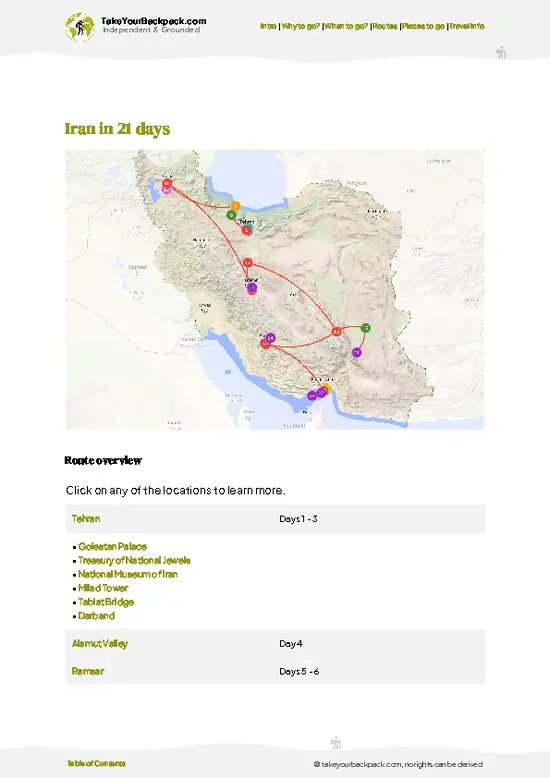
Forget the Instagram shots of empty, sun-dappled corridors. The Tabriz Bazaar is a living, breathing maze—over 7 kilometers of vaulted brick passageways, domed halls, and caravanserais. You will get lost. That’s the point. The real thrill is in the disorientation: one moment you’re dodging a handcart stacked with pistachios, the next you’re ducking under a 15th-century archway, then suddenly you’re in a quiet courtyard where old men sip tea and debate the price of saffron. No map or influencer can prepare you for the sensory overload or the sheer scale. This is the original open-world adventure, centuries before video games tried to copy it.
2. The Carpet Bazaar (Bazaar-e-Farsh)
If you think you’ve seen Persian carpets, think again. … read more 👉
Forget the Instagram shots of empty, sun-dappled corridors. The Tabriz Bazaar is a living, breathing maze—over 7 kilometers of vaulted brick passageways, domed halls, and caravanserais. You will get lost. That’s the point. The real thrill is in the disorientation: one moment you’re dodging a handcart stacked with pistachios, the next you’re ducking under a 15th-century archway, then suddenly you’re in a quiet courtyard where old men sip tea and debate the price of saffron. No map or influencer can prepare you for the sensory overload or the sheer scale. This is the original open-world adventure, centuries before video games tried to copy it.
2. The Carpet Bazaar (Bazaar-e-Farsh)
If you think you’ve seen Persian carpets, think again. … read more 👉
1. Labyrinthine Architecture (and Getting Lost—On Purpose)
Forget the Instagram shots of empty, sun-dappled corridors. The Tabriz Bazaar is a living, breathing maze—over 7 kilometers of vaulted brick passageways, domed halls, and caravanserais. You will get lost. That’s the point. The real thrill is in the disorientation: one moment you’re dodging a handcart stacked with pistachios, the next you’re ducking under a 15th-century archway, then suddenly you’re in a quiet courtyard where old men sip tea and debate the price of saffron. No map or influencer can prepare you for the sensory overload or the sheer scale. This is the original open-world adventure, centuries before video games tried to copy it.
2. The Carpet Bazaar (Bazaar-e-Farsh)
If you think you’ve seen Persian carpets, think again. The Tabriz Carpet Bazaar is the heavyweight championship of rug culture. Here, carpets aren’t just merchandise—they’re status, history, and art rolled into one. You’ll see million-toman masterpieces hanging like tapestries, and you’ll hear the slap of hands as deals are struck in a language of gestures and glances. The air is thick with lanolin and ambition. Even if you’re not buying, watching the negotiation ballet is worth the trip alone. Don’t expect tourist prices or hard sells; this is a market for locals and serious collectors, and the authenticity is palpable.
3. Amir Bazaar (Gold and Jewelry Section)
This isn’t your average jewelry store row. The Amir Bazaar glows with the kind of gold that would make a pirate blush. Every shop window is a riot of filigree, turquoise, and precious stones, but the real entertainment is the social theater. Brides-to-be, old merchants, and sharp-eyed grandmothers haggle with a precision that’s part sport, part tradition. The stakes are high, the deals are real, and the energy is contagious. If you want to see commerce as a cultural ritual, this is the front row seat.
4. Timcheh-e Mozaffariyeh (The Domed Vaults)
This is the architectural showstopper. The Timcheh-e Mozaffariyeh is a soaring, light-filled caravanserai with a domed ceiling that looks like something out of a Persian miniature. The acoustics are eerie—every footstep echoes, every whispered deal seems amplified. It’s the kind of space that makes you stop, stare, and remember that this was once the Silk Road’s beating heart. The merchants here specialize in high-end carpets, but the real luxury is the atmosphere: a blend of grandeur and grit you won’t find in any modern mall.
5. The Tea Houses (Chaykhaneh)
Skip the Instagrammable coffee shops. The real soul of the bazaar is in its tea houses—dim, smoky, and packed with locals. Order a glass of strong black tea, maybe a cube of sugar, and watch the world go by. Deals are made, gossip is traded, and time slows down. It’s the closest you’ll get to time travel in Tabriz: a place where the past isn’t just preserved, it’s lived.
Forget the Instagram shots of empty, sun-dappled corridors. The Tabriz Bazaar is a living, breathing maze—over 7 kilometers of vaulted brick passageways, domed halls, and caravanserais. You will get lost. That’s the point. The real thrill is in the disorientation: one moment you’re dodging a handcart stacked with pistachios, the next you’re ducking under a 15th-century archway, then suddenly you’re in a quiet courtyard where old men sip tea and debate the price of saffron. No map or influencer can prepare you for the sensory overload or the sheer scale. This is the original open-world adventure, centuries before video games tried to copy it.
2. The Carpet Bazaar (Bazaar-e-Farsh)
If you think you’ve seen Persian carpets, think again. The Tabriz Carpet Bazaar is the heavyweight championship of rug culture. Here, carpets aren’t just merchandise—they’re status, history, and art rolled into one. You’ll see million-toman masterpieces hanging like tapestries, and you’ll hear the slap of hands as deals are struck in a language of gestures and glances. The air is thick with lanolin and ambition. Even if you’re not buying, watching the negotiation ballet is worth the trip alone. Don’t expect tourist prices or hard sells; this is a market for locals and serious collectors, and the authenticity is palpable.
3. Amir Bazaar (Gold and Jewelry Section)
This isn’t your average jewelry store row. The Amir Bazaar glows with the kind of gold that would make a pirate blush. Every shop window is a riot of filigree, turquoise, and precious stones, but the real entertainment is the social theater. Brides-to-be, old merchants, and sharp-eyed grandmothers haggle with a precision that’s part sport, part tradition. The stakes are high, the deals are real, and the energy is contagious. If you want to see commerce as a cultural ritual, this is the front row seat.
4. Timcheh-e Mozaffariyeh (The Domed Vaults)
This is the architectural showstopper. The Timcheh-e Mozaffariyeh is a soaring, light-filled caravanserai with a domed ceiling that looks like something out of a Persian miniature. The acoustics are eerie—every footstep echoes, every whispered deal seems amplified. It’s the kind of space that makes you stop, stare, and remember that this was once the Silk Road’s beating heart. The merchants here specialize in high-end carpets, but the real luxury is the atmosphere: a blend of grandeur and grit you won’t find in any modern mall.
5. The Tea Houses (Chaykhaneh)
Skip the Instagrammable coffee shops. The real soul of the bazaar is in its tea houses—dim, smoky, and packed with locals. Order a glass of strong black tea, maybe a cube of sugar, and watch the world go by. Deals are made, gossip is traded, and time slows down. It’s the closest you’ll get to time travel in Tabriz: a place where the past isn’t just preserved, it’s lived.
Spotted a mistake or missing something? Contact us.

 Best Backpacking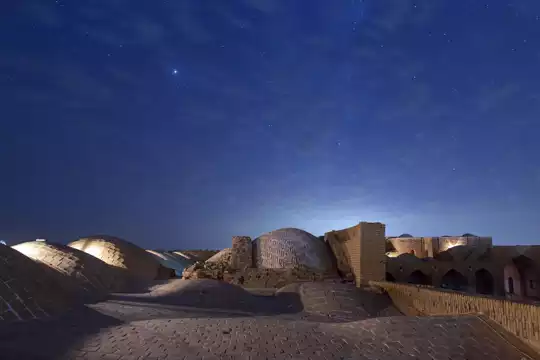
.jpg) Hi, I’m Johan (Netherlands 🇳🇱), the creator of TakeYourBackpack. Over the past decade, I’ve backpacked through 80+ countries across six continents, gaining extensive experience with independent travel, long-term trips, and overland routes.
Hi, I’m Johan (Netherlands 🇳🇱), the creator of TakeYourBackpack. Over the past decade, I’ve backpacked through 80+ countries across six continents, gaining extensive experience with independent travel, long-term trips, and overland routes.