v2.webp)
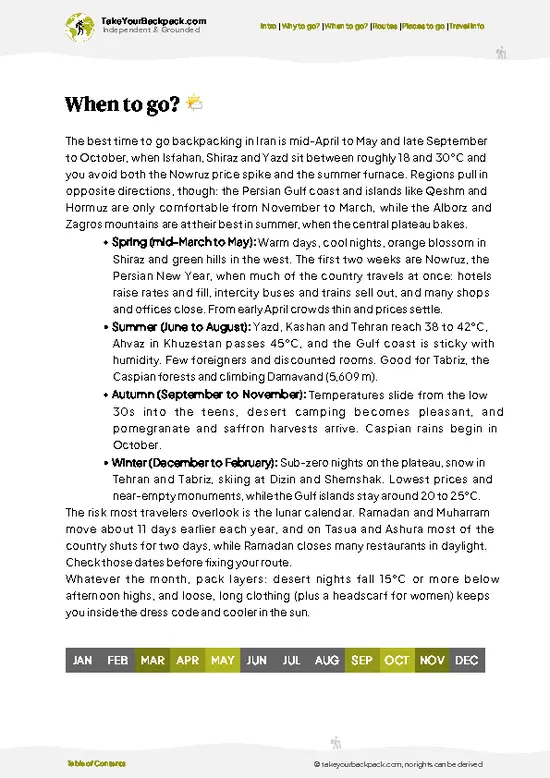
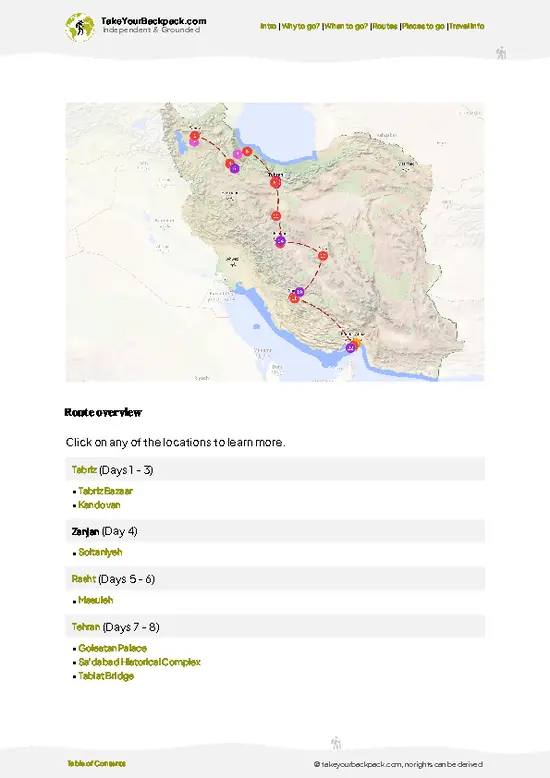
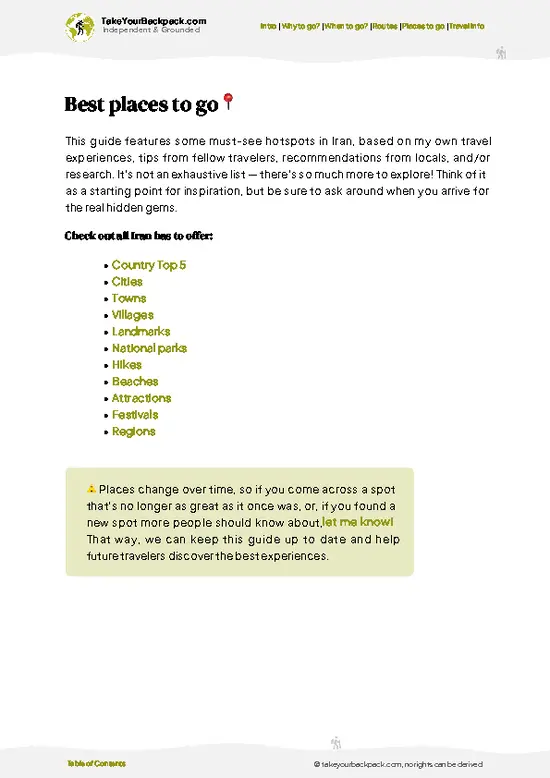
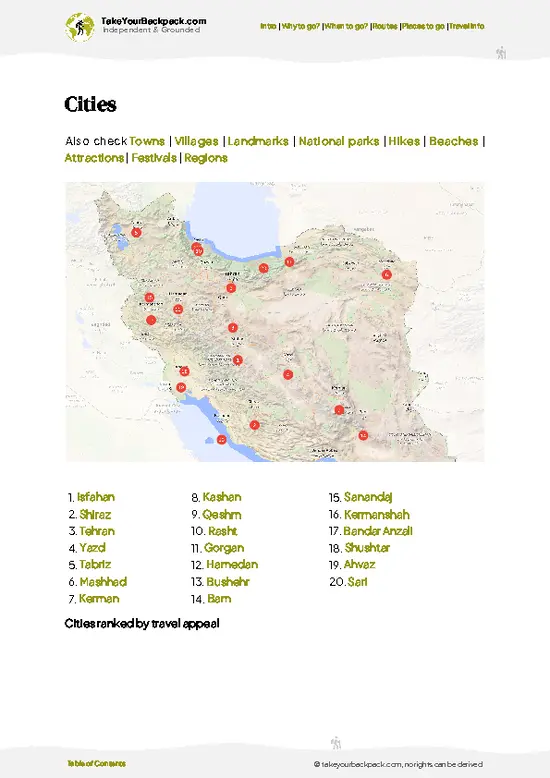
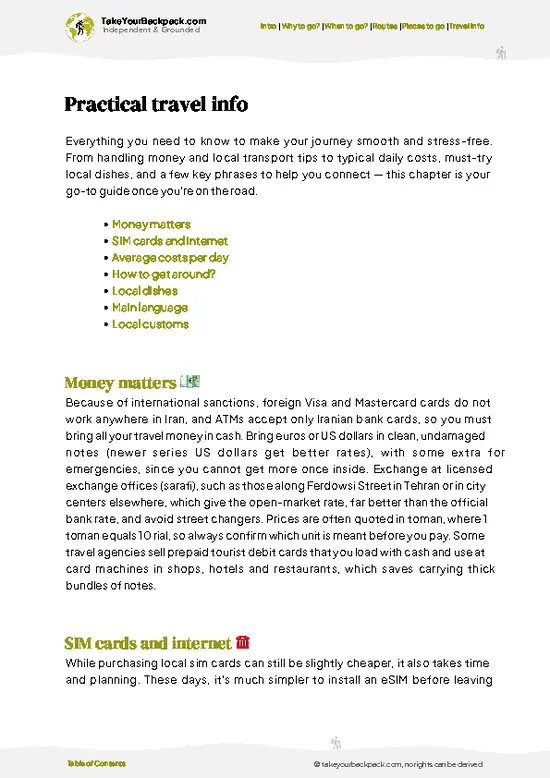
The Underground Architecture
Forget the bland exteriors you see on Google. The real thrill is below ground. The museum’s labyrinthine, bunker-like galleries are a masterclass in 1970s Iranian modernism—think concrete curves, hidden ramps, and a cool, almost cinematic hush. It’s as much a walk through a sculptural artwork as it is a tour of paintings. The space itself is a conversation starter, and you’ll feel like you’ve stumbled into a secret level of Tehran.
The Western Masters—Yes, Really
You’re in Iran, but you’re standing in front of a Rothko, a Pollock, a Bacon, and a Giacometti. The museum’s collection of Western modern art is legendary, and not just by regional standards. These aren’t dusty knockoffs—they’re the real deal, acquired before the 1979 revolution and rarely seen outside … read more 👉
Forget the bland exteriors you see on Google. The real thrill is below ground. The museum’s labyrinthine, bunker-like galleries are a masterclass in 1970s Iranian modernism—think concrete curves, hidden ramps, and a cool, almost cinematic hush. It’s as much a walk through a sculptural artwork as it is a tour of paintings. The space itself is a conversation starter, and you’ll feel like you’ve stumbled into a secret level of Tehran.
The Western Masters—Yes, Really
You’re in Iran, but you’re standing in front of a Rothko, a Pollock, a Bacon, and a Giacometti. The museum’s collection of Western modern art is legendary, and not just by regional standards. These aren’t dusty knockoffs—they’re the real deal, acquired before the 1979 revolution and rarely seen outside … read more 👉
The Underground Architecture
Forget the bland exteriors you see on Google. The real thrill is below ground. The museum’s labyrinthine, bunker-like galleries are a masterclass in 1970s Iranian modernism—think concrete curves, hidden ramps, and a cool, almost cinematic hush. It’s as much a walk through a sculptural artwork as it is a tour of paintings. The space itself is a conversation starter, and you’ll feel like you’ve stumbled into a secret level of Tehran.
The Western Masters—Yes, Really
You’re in Iran, but you’re standing in front of a Rothko, a Pollock, a Bacon, and a Giacometti. The museum’s collection of Western modern art is legendary, and not just by regional standards. These aren’t dusty knockoffs—they’re the real deal, acquired before the 1979 revolution and rarely seen outside Iran. It’s surreal, almost rebellious, to see these works here, and the sense of rarity is electric.
Iranian Modernism on Its Own Terms
Don’t come just for the Picassos. The Iranian artists on display—like Sohrab Sepehri and Parviz Tanavoli—deliver a punch of local genius. Their work isn’t a pale imitation of the West; it’s bold, experimental, and deeply rooted in Persian culture. You’ll see how Iranian artists riffed on global trends while inventing their own visual language.
The Sculpture Garden
Step outside and you’re face-to-face with Henry Moore bronzes and local heavyweights, all set against Tehran’s unpredictable sky. This isn’t a manicured European lawn; it’s a slightly wild, open-air gallery where the art feels alive and unguarded. It’s the best place to decompress after the intensity inside.
The Crowd Paradox
Here’s the honest bit: you won’t be alone. School groups, art students, and curious locals fill the halls, especially on weekends. But this isn’t a selfie-stick circus. The energy is curious, not chaotic. You’ll overhear debates, laughter, and the kind of genuine engagement that makes the art feel urgent and relevant.
Forget the bland exteriors you see on Google. The real thrill is below ground. The museum’s labyrinthine, bunker-like galleries are a masterclass in 1970s Iranian modernism—think concrete curves, hidden ramps, and a cool, almost cinematic hush. It’s as much a walk through a sculptural artwork as it is a tour of paintings. The space itself is a conversation starter, and you’ll feel like you’ve stumbled into a secret level of Tehran.
The Western Masters—Yes, Really
You’re in Iran, but you’re standing in front of a Rothko, a Pollock, a Bacon, and a Giacometti. The museum’s collection of Western modern art is legendary, and not just by regional standards. These aren’t dusty knockoffs—they’re the real deal, acquired before the 1979 revolution and rarely seen outside Iran. It’s surreal, almost rebellious, to see these works here, and the sense of rarity is electric.
Iranian Modernism on Its Own Terms
Don’t come just for the Picassos. The Iranian artists on display—like Sohrab Sepehri and Parviz Tanavoli—deliver a punch of local genius. Their work isn’t a pale imitation of the West; it’s bold, experimental, and deeply rooted in Persian culture. You’ll see how Iranian artists riffed on global trends while inventing their own visual language.
The Sculpture Garden
Step outside and you’re face-to-face with Henry Moore bronzes and local heavyweights, all set against Tehran’s unpredictable sky. This isn’t a manicured European lawn; it’s a slightly wild, open-air gallery where the art feels alive and unguarded. It’s the best place to decompress after the intensity inside.
The Crowd Paradox
Here’s the honest bit: you won’t be alone. School groups, art students, and curious locals fill the halls, especially on weekends. But this isn’t a selfie-stick circus. The energy is curious, not chaotic. You’ll overhear debates, laughter, and the kind of genuine engagement that makes the art feel urgent and relevant.
Spotted a mistake or missing something? Contact us.

 Best Backpacking
.jpg) Hi, I’m Johan (Netherlands 🇳🇱), the creator of TakeYourBackpack. Over the past 3 decades, I’ve backpacked through 90+ countries across six continents, gaining extensive experience with independent travel, long-term trips, and overland routes.
Hi, I’m Johan (Netherlands 🇳🇱), the creator of TakeYourBackpack. Over the past 3 decades, I’ve backpacked through 90+ countries across six continents, gaining extensive experience with independent travel, long-term trips, and overland routes.