×

Iraq🇮🇶 | citiesAl KutTigris bend, Ottoman barracks, riverside corniche | things to do and best time to go

Explore TikritExplore Al Diwaniyah

Backpacking in Al Kut
👌 Worth visitingcity ranked #14
By Johan Kruseman 🇳🇱 | Updated June 10, 2026

Everyone talks about Al Kut because of the big bend of the Tigris and the old WWI siege, but for a traveler, what matters more is how it feels on the ground: small-city Iraq, lived-in and unpolished, where your trade-off is comfort and nightlife in exchange for raw, local experience. Al Kut sits southeast of Baghdad in Wasit Province, quieter than the capital and less intense than Basra. There’s a riverside corniche, a few modest Ottoman-era remnants, busy markets, and family parks, but almost no backpacker scene, hostels, or bar culture. It’s cheap, friendly, and logistically simple if you already handle Iraq’s security realities, yet isolating if you rely on other travelers or Western-style comforts.

Discover everything you want to know in the 📖 Iraq Travel Guide.
Safety warning

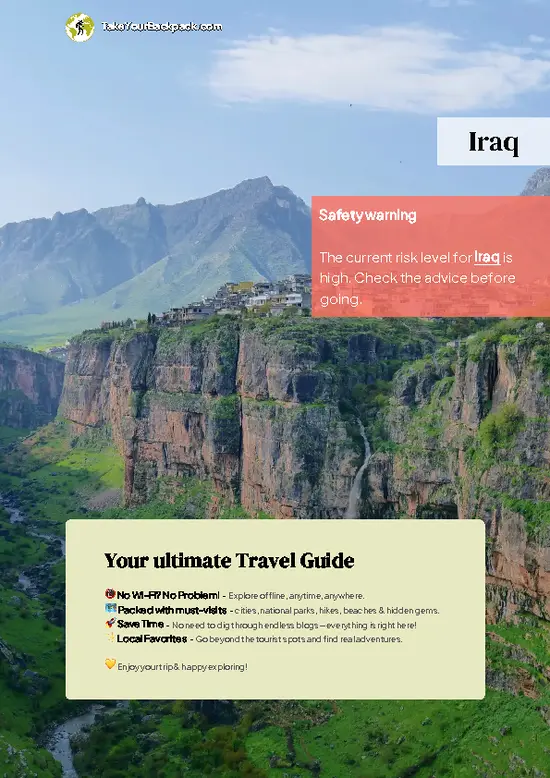
The current risk level for Iraq is high. Check the advice before going.


Get your Iraq guide
107 ranked highlights, routes & tips, works offline (375 pages)
Loading the map 🌍
CLICK TO FILTER
cities
towns
landmarks
national parks
hikes
beaches
attractions
festivals
regions
SHOW COUNTRY’S BESTSHOW ALL

✨ Why go?
Ranked #14 city in Iraq
Why Al Kut should be on your travel list

Al Kut is a strategic stop for backpackers weaving through Iraq. It offers a solid basecamp for day trips, making it easy to explore nearby sites without the hassle of constant packing. The hostels here are affordable and welcoming, providing a chance to connect with fellow travelers. When it comes to food, local eateries serve up hearty meals that won’t break the bank. The city is walkable, allowing you to soak in the atmosphere without needing a ride. As for nightlife, it’s laid-back but lively enough to unwind after a day of exploration. If you’re looking for a place that balances value and experience, Al Kut fits the bill perfectly.
Want to include Al Kut in your Iraq route?
Create a personalized Iraq itinerary that includes Al Kut and the places that fit your trip — based on your travel style, budget, and available time. Get your route in seconds.

Generate my trip

💡 HighlightsKey sights and experiences for travelers

  • Kut Barrage (Sadd al-Kut) — A 20th-century engineering landmark on the Tigris that shapes the river through the city. Great for sunset views, watching local fishing and irrigation activity, and getting a feel for how the river shapes daily life here.
  • Tigris Corniche (Al-Kut riverfront promenade) — The city’s social spine: stroll, sit at a riverside tea stand, watch boats, and see families gathering in the evening. It’s where ordinary Kut life is on display and photographers get their best shots.
  • Kut War Cemetery (Commonwealth War Graves) — A quiet, well-tended cemetery remembering the Siege of Kut (WWI). Visiting here gives historical context to the city’s international significance and is a sober, reflective stop.
  • Old Souk / Central Market — A compact, lively market area where you can
read more 👉
  • Kut Barrage (Sadd al-Kut) — A 20th-century engineering landmark on the Tigris that shapes the river through the city. Great for sunset views, watching local fishing and irrigation activity, and getting a feel for how the river shapes daily life here.
  • Tigris Corniche (Al-Kut riverfront promenade) — The city’s social spine: stroll, sit at a riverside tea stand, watch boats, and see families gathering in the evening. It’s where ordinary Kut life is on display and photographers get their best shots.
  • Kut War Cemetery (Commonwealth War Graves) — A quiet, well-tended cemetery remembering the Siege of Kut (WWI). Visiting here gives historical context to the city’s international significance and is a sober, reflective stop.
  • Old Souk / Central Market — A compact, lively market area where you can haggle for spices, textiles, household goods and sample street snacks. It’s the best place to watch merchants and locals go about daily business.
  • Wasit Provincial Museum — The local museum that houses artifacts and finds from the surrounding region. Small, low-key, but useful for understanding the deep history of the Wasit governorate and the Mesopotamian landscape.
  • Grand Mosque of Al-Kut (Jami’) — The main mosque in town: architecturally straightforward but culturally central. Visiting (outside prayer times if you’re non-Muslim) offers insight into local religious life and community rhythms.
  • Tigris boat rides and the riverside fish stalls — Take a short boat trip on the Tigris or visit the early morning fish stalls to see the river as a working resource: fishermen, buyers, and simple waterfront commerce in action.
  • Date and palm markets / small agricultural stalls — Wasit is a date-producing area; the city’s date sellers and palm produce stalls are great for tasting varieties, meeting farmers, and seeing an agricultural side of urban life.
  • Colonial-era and Ottoman quarter (old administrative streets) — Wander the older parts of the city to spot period architecture, government buildings and streets that tell the story of Kut under Ottoman rule and the later colonial period.
  • Corniche teahouses and shisha cafés — Not a single landmark but a network of approachable, local cafés where you can sit for hours, people-watch, and talk to locals. Best cultural value for a small spend.

For easy day trips from Kut: Baghdad (museums and historical sites to the north), the ruins of ancient Babylon/Hillah to the northwest, and the Mesopotamian marshes (south toward Amarah/Basra) are all real, visitable highlights you can reach as a long day trip or short overnight.
Spotted a mistake or missing something? Contact us.
🏘️ NeighborhoodsHow different areas shape the experience

Al Kut offers a unique blend of history and local culture, making it a fascinating stop for backpackers. Here’s how the neighborhoods stack up:

City Center: This is the heartbeat of Al Kut. It’s bustling, with markets and street vendors. Costs are moderate, and you can easily walk to most attractions. Nightlife is lively, with cafes and small bars. Perfect for short stays where you want to soak in the local vibe.

Al Shuhada: A quieter residential area, ideal for those seeking a more laid-back experience. Accommodation is cheaper here, and it’s a short bus ride to the center. Walkability is decent, but you’ll need transport for nightlife. Great for longer stays if you want to immerse yourself in daily life.

Al Qadisiyyah: This neighborhood has a mix of modern amenities and traditional charm. … read more 👉
Al Kut offers a unique blend of history and local culture, making it a fascinating stop for backpackers. Here’s how the neighborhoods stack up:

City Center: This is the heartbeat of Al Kut. It’s bustling, with markets and street vendors. Costs are moderate, and you can easily walk to most attractions. Nightlife is lively, with cafes and small bars. Perfect for short stays where you want to soak in the local vibe.

Al Shuhada: A quieter residential area, ideal for those seeking a more laid-back experience. Accommodation is cheaper here, and it’s a short bus ride to the center. Walkability is decent, but you’ll need transport for nightlife. Great for longer stays if you want to immerse yourself in daily life.

Al Qadisiyyah: This neighborhood has a mix of modern amenities and traditional charm. It’s slightly pricier but offers better comfort. Walkable with good transport links, it’s suitable for both short and longer visits, especially if you enjoy a blend of local and contemporary experiences.

⌛️ 1 dayWhat you can realistically do in a day

Al Kut, a city rich in history and culture, offers a unique glimpse into Iraq’s heart. Nestled along the banks of the Tigris River, it’s a blend of ancient heritage and modern life, making it a fascinating stop for any traveler.

Start your morning at the bustling Al Kut Market. The aroma of spices and fresh produce fills the air as you wander through vibrant stalls. Grab a traditional breakfast of falafel or fresh bread with labneh from a local vendor. This is where you’ll feel the pulse of daily life.

In the afternoon, head to the Al Kut Bridge. Take a leisurely stroll, soaking in the views of the river and the surrounding landscape. Nearby, the historic Al Kut Castle, though lesser-known, offers a peek into the city’s past. It’s a quiet spot, perfect for reflection and a few great photos. … read more 👉
Al Kut, a city rich in history and culture, offers a unique glimpse into Iraq’s heart. Nestled along the banks of the Tigris River, it’s a blend of ancient heritage and modern life, making it a fascinating stop for any traveler.

Start your morning at the bustling Al Kut Market. The aroma of spices and fresh produce fills the air as you wander through vibrant stalls. Grab a traditional breakfast of falafel or fresh bread with labneh from a local vendor. This is where you’ll feel the pulse of daily life.

In the afternoon, head to the Al Kut Bridge. Take a leisurely stroll, soaking in the views of the river and the surrounding landscape. Nearby, the historic Al Kut Castle, though lesser-known, offers a peek into the city’s past. It’s a quiet spot, perfect for reflection and a few great photos.

As evening approaches, make your way to the riverside promenade. Here, you can enjoy a meal at a local restaurant, sampling dishes like kebabs or dolma while watching the sunset paint the sky. This blend of flavors and sights wraps up your day, leaving you with a deeper appreciation for Al Kut’s charm.
Turn your Al Kut visit into an Iraq adventure
Build a complete Iraq route with Al Kut, hidden gems, must-see destinations, and realistic travel times included.

Generate my trip

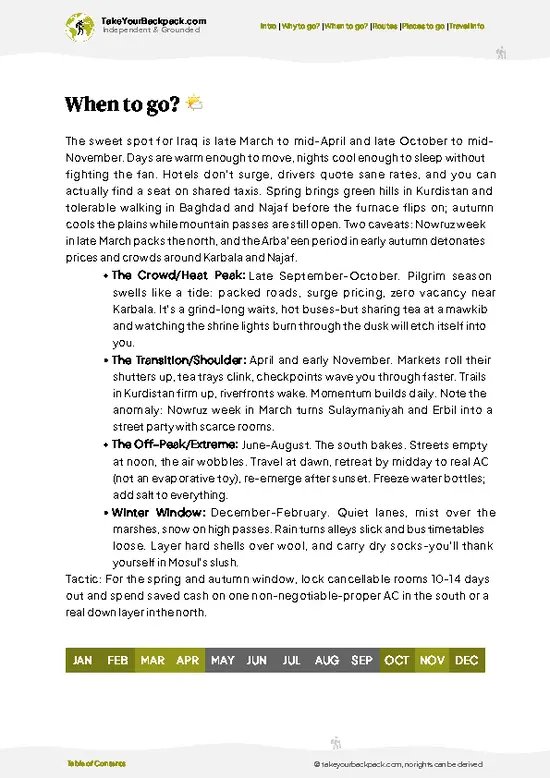
🌤️ When to go?Best time to visit Al Kut


  • Weather: Al Kut’s climate swings hard. Summers scorch with highs around 45°C (113°F), making midday trekking a sweatbox. Winters cool down to a mild 10°C (50°F), perfect for long hikes without overheating.

  • Temperature: Spring (March to May) and autumn (September to November) offer the sweet spot—daytime temps hover between 20-30°C (68-86°F), balancing warmth and comfort for active days.

  • Daylight Hours: Expect roughly 11 to 13 hours of daylight year-round, enough time to pack in exploration without rushing, especially in spring and autumn.

  • Crowds: Tourist traffic is minimal year-round, but local festivals in spring can bring a lively buzz, adding cultural flavor without overwhelming the scene.

  • Seasonal Activities: Spring hosts traditional markets and outdoor gatherings, while autumn’s
read more 👉

  • Weather: Al Kut’s climate swings hard. Summers scorch with highs around 45°C (113°F), making midday trekking a sweatbox. Winters cool down to a mild 10°C (50°F), perfect for long hikes without overheating.

  • Temperature: Spring (March to May) and autumn (September to November) offer the sweet spot—daytime temps hover between 20-30°C (68-86°F), balancing warmth and comfort for active days.

  • Daylight Hours: Expect roughly 11 to 13 hours of daylight year-round, enough time to pack in exploration without rushing, especially in spring and autumn.

  • Crowds: Tourist traffic is minimal year-round, but local festivals in spring can bring a lively buzz, adding cultural flavor without overwhelming the scene.

  • Seasonal Activities: Spring hosts traditional markets and outdoor gatherings, while autumn’s cooler air invites riverbank strolls and relaxed café hangs.

  • Price Fluctuations: Accommodation and transport costs dip in the intense summer heat when fewer travelers show up, but the trade-off is enduring the brutal sun.


Pro-tip: Aim for early spring or late autumn to dodge extreme temps and cash in on comfortable days with authentic local vibes, maximizing your backpacking payoff.


source: climatestotravel.comJANJanuary: good for travelingFEBFebruary: good for travelingMARMarch: highly recommended for travelingAPRApril: excellent for travelingMAYMay: highly recommended for travelingJUNJune: fair for travelingJULJuly: below average for travelingAUGAugust: below average for travelingSEPSeptember: highly recommended for travelingOCTOctober: excellent for travelingNOVNovember: highly recommended for travelingDECDecember: good for traveling
when-to-go

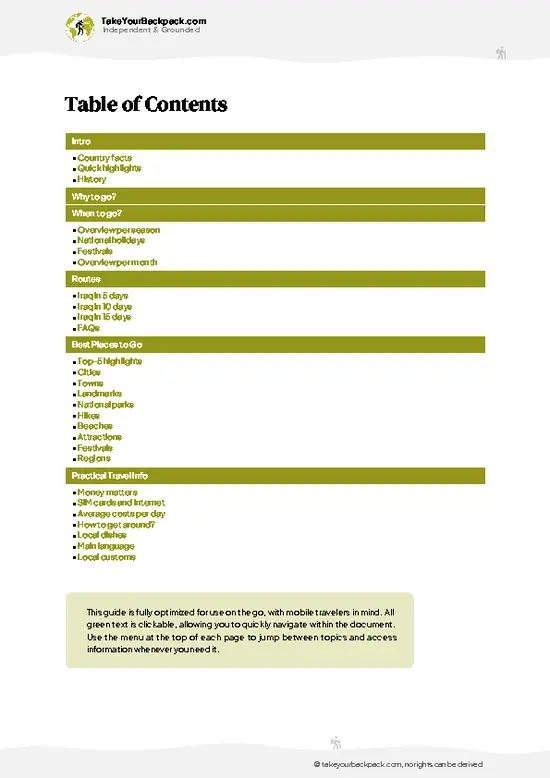
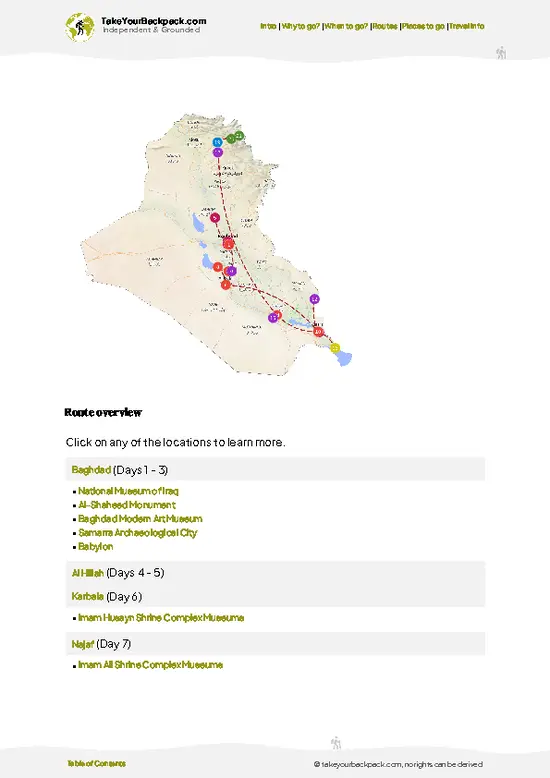
✈️ The backpacker research shortcutIraq Travel Guide

An offline-friendly backpacking guide with optimized travel routes, ranked highlights, transport advice, and the best areas to stay.
example page 0 from our offline Travel Guide for Iraq
example page 1 from our offline Travel Guide for Iraq
example page 2 from our offline Travel Guide for Iraq
example page 3 from our offline Travel Guide for Iraq
example page 4 from our offline Travel Guide for Iraq
example page 5 from our offline Travel Guide for Iraq
example page 6 from our offline Travel Guide for Iraq
example page 7 from our offline Travel Guide for Iraq
The digital guide (375 pages) contains:
107 highlights, ranked by travel appeal
Optimized 5, 10 & 15-day travel routes
Cities, national parks, landmarks, beaches
How to get around
Offline-friendly for travel without Wi-Fi
👉 Click to see all 30+ guide features

📅 Plan smarter in minutes, not weeks
Month by month travel advice
Festivals & national holidays
Budget expectations

🗺️ Go to the right places, skip the overrated ones
Honest pros & cons of destinations
Top hikes, parks & viewpoints
Lesser-known places most travelers miss
Clear “worth it vs skip it” guidance

🛏️ Travel smoothly without rookie mistakes
Best areas to stay
Transport systems explained simply
Common scams & safety advice
SIM cards, money & practical tips

🌍 Understand the country, not just visit it
Culture & traditions
52 Essential phrases & customs
Festivals worth planning around
Traveler-friendly historical context
Insights that make places more meaningful

📱 Built for real travel conditions
Fully downloadable PDF
Works completely offline
Optimized for phone use
Useful in remote areas & buses
Everything in one place
Save weeks of stressful planning
Get instant access to your full guide. 30‑day money-back guarantee.


By proceeding you agree to our terms.
Sent to your inbox immediately after payment • 100% Secure Checkout
Best Backpacking Travel Advisor 2025 tourism awardBest Backpacking
Travel Advisor
2025
What others say about Take Your Backpack Guides:
⭐⭐⭐⭐⭐
Fantastic, amazing amount of information!
⭐⭐⭐⭐⭐
My goodness this is amazing, it's what I've been looking for hats off too you!
⭐⭐⭐⭐⭐
I think this is absolutely BRILLIANT
⭐⭐⭐⭐
Very complete and informative. It's still missing places, but I gotta to commend you
⭐⭐⭐⭐⭐
This is truly amazing, thank you, can't wait to explore it with my kids!
⭐⭐⭐⭐⭐
Awesome resource, thank you!
⭐⭐⭐⭐⭐
This is amazing! Can't wait to explore the ones I haven't seen
⭐⭐⭐⭐
I love this! Well done, great idea.
⭐⭐⭐⭐⭐
Thanks for taking the time to make this gem!
⭐⭐⭐⭐⭐
This might be the best website I've ever seen.
⭐⭐⭐⭐⭐
Congratulations, and thank you so much for your work; it's incredibly valuable.
⭐⭐⭐⭐
In all seriousness I think you did a great job pointing out the important spots
⭐⭐⭐⭐⭐
10/10 very good
⭐⭐⭐⭐⭐
As someone who's only just starting to visit regularly this is awesome, thank you.
⭐⭐⭐⭐
Thank you very much! I'm going to visit my dad, it's going to be very useful!
⭐⭐⭐⭐⭐
This is really cool! We'll be travelling for the first time and this definitely come in handy.
⭐⭐⭐⭐⭐
You are now our minister of culture, congratulations 👨‍💼
⭐⭐⭐⭐⭐
Just wanted to tell you that this is a pearl! Going to follow your recommendations.
⭐⭐⭐⭐⭐
This is so cool. I'll definitely be using the resource for my travels soon.
⭐⭐⭐⭐⭐
This is very impressive! Good work.
⭐⭐⭐⭐⭐
This is an amazing and informative site. Very well done!

🛏️ Where to stay?Where staying makes the most sense

In Al Kut, the best area for backpackers to base themselves is the city center near the Tigris River. This zone balances safety with accessibility, offering a social atmosphere where locals and travelers cross paths naturally. It’s not a backpacker hub in the classic sense—hostels are sparse—but budget guesthouses and small inns fill the gap, providing affordable, no-frills stays. Compared to the quieter residential districts, the city center pulses with street vendors, cafes, and markets, making it easier to meet people and soak in local life without sacrificing comfort or security. Venturing … read more 👉
In Al Kut, the best area for backpackers to base themselves is the city center near the Tigris River. This zone balances safety with accessibility, offering a social atmosphere where locals and travelers cross paths naturally. It’s not a backpacker hub in the classic sense—hostels are sparse—but budget guesthouses and small inns fill the gap, providing affordable, no-frills stays. Compared to the quieter residential districts, the city center pulses with street vendors, cafes, and markets, making it easier to meet people and soak in local life without sacrificing comfort or security. Venturing too far east or south drops you into less predictable neighborhoods where infrastructure and safety can dip, so sticking close to the riverfront core is a smart move. Here, you trade a bit of luxury for genuine interaction and a front-row seat to Al Kut’s everyday rhythm.

🚌 Getting aroundMoving around without the hassle

Al Kut moves at a pace that feels like a dance between order and improvisation. The city’s rhythm isn’t dictated by strict timetables but by a blend of local habits and the ebb and flow of daily life. You won’t find a clock governing every step, but you will notice patterns—buses and minibuses that show up when they’re good and ready, shared taxis that fill up before they leave, and the steady pulse of foot traffic weaving through the streets. Understanding this flow means you’re not just a passenger; you’re part of the system, reading the cues and timing your moves like a local.


  • Walking: The ultimate budget mode. Al Kut’s compact center makes walking both practical and immersive. No cost, full control over your pace, and the chance to catch street scenes and local life up close. Best
read more 👉
Al Kut moves at a pace that feels like a dance between order and improvisation. The city’s rhythm isn’t dictated by strict timetables but by a blend of local habits and the ebb and flow of daily life. You won’t find a clock governing every step, but you will notice patterns—buses and minibuses that show up when they’re good and ready, shared taxis that fill up before they leave, and the steady pulse of foot traffic weaving through the streets. Understanding this flow means you’re not just a passenger; you’re part of the system, reading the cues and timing your moves like a local.


  • Walking: The ultimate budget mode. Al Kut’s compact center makes walking both practical and immersive. No cost, full control over your pace, and the chance to catch street scenes and local life up close. Best for short distances under 3 km.


  • Shared Taxis (Service Taxis): These are minibuses or cars that wait until full before leaving. Prices hover around a few hundred Iraqi dinars per ride, making them cheap but unpredictable in departure times. Comfort is basic, and speed depends on how quickly the vehicle fills up.


  • City Buses: Scheduled but loosely. Buses run roughly from 6 AM to 8 PM, with fares extremely low. They cover main routes but expect crowding and stops that feel spontaneous. Good for longer distances if you’re patient and flexible.


  • Motorbike Taxis: Fast and nimble, these dart through traffic and cost slightly more than shared taxis. They’re a good option when time is tight but comfort and safety standards vary widely. Negotiate price upfront.


  • Private Taxi: The most comfortable and fastest option, but also the priciest. Ideal if you’re traveling with luggage or in a group. Prices are negotiable, and rides can be arranged on demand, offering maximum convenience at a premium.

👛 Costs (as of 17 June 2026)Travel costs and budget guide for Al Kut

Backpacking in Al Kut, Iraq, presents a unique cost landscape shaped by local living standards and limited tourist infrastructure. Understanding the trade-offs between time, money, and comfort here means getting a clear picture of what your daily expenses will look like.
  • Dorm Accommodation (High Season): Expect to pay around $10 to $15 per night. Options are sparse, and prices can spike slightly during local holidays or religious events when demand rises.
  • Dorm Accommodation (Off-Season): Prices drop to about $7 to $10 per night. Fewer travelers mean more bargaining power, but the quality and availability of dorms remain basic.
  • Meals: Street food and local eateries dominate, with meals costing between $2 and $5. A typical day’s food budget can stay under $10 if you stick to local dishes
read more 👉
Backpacking in Al Kut, Iraq, presents a unique cost landscape shaped by local living standards and limited tourist infrastructure. Understanding the trade-offs between time, money, and comfort here means getting a clear picture of what your daily expenses will look like.
  • Dorm Accommodation (High Season): Expect to pay around $10 to $15 per night. Options are sparse, and prices can spike slightly during local holidays or religious events when demand rises.
  • Dorm Accommodation (Off-Season): Prices drop to about $7 to $10 per night. Fewer travelers mean more bargaining power, but the quality and availability of dorms remain basic.
  • Meals: Street food and local eateries dominate, with meals costing between $2 and $5. A typical day’s food budget can stay under $10 if you stick to local dishes and avoid imported goods or Western-style restaurants.
  • Local Transport: Shared taxis and minibuses are the norm, with fares usually under $1 per trip. This is a cheap but sometimes slow way to get around, requiring patience and flexibility.
  • City Transport Pass: There is no formal city transport pass system in Al Kut. Transport is mostly informal, so budgeting for individual rides is necessary.
  • Basic Activities/Entry Fees: Tourist infrastructure is minimal. Entry fees to local sites, if any, are typically under $3. Many cultural experiences come free but require time investment and local connections.
  • Miscellaneous Expenses: Budget around $2 to $5 for essentials like bottled water, snacks, or small tips. Internet cafes or SIM cards are affordable, usually under $5 for basic data packages.

The daily budget for backpacking in Al Kut ranges roughly from $25 to $40. You’re trading off comfort and convenience for authenticity and low costs, with the biggest savings coming from simple accommodation and local food. Time flexibility is key here, as transport and activities often require patience and local savvy.
⚠️ Prices can change and everyone travels differently, so take this as a rough guide. Hope it helps you plan your adventure!

🚌 Day tripsWhere to go beyond the main area

Al Kut serves as a fantastic launchpad for day trips that reveal the rich tapestry of Iraq’s history and culture. Here are some standout options that make the most of your time, money, and comfort.

Ancient Babylon
Just a 1.5-hour drive from Al Kut, the ruins of Babylon are a must-see. Imagine walking through the remnants of one of the world’s oldest cities, where you can almost hear the echoes of ancient civilizations. Entry fees are minimal, usually around $5, making it a budget-friendly excursion. The best time to visit is in the cooler months, from October to March, to avoid the sweltering heat. A common mistake is underestimating the size of the site; wear comfortable shoes and plan to spend a few hours exploring.


Hillah’s Markets
About an hour away, Hillah offers a vibrant local … read more 👉
Al Kut serves as a fantastic launchpad for day trips that reveal the rich tapestry of Iraq’s history and culture. Here are some standout options that make the most of your time, money, and comfort.

Ancient Babylon
Just a 1.5-hour drive from Al Kut, the ruins of Babylon are a must-see. Imagine walking through the remnants of one of the world’s oldest cities, where you can almost hear the echoes of ancient civilizations. Entry fees are minimal, usually around $5, making it a budget-friendly excursion. The best time to visit is in the cooler months, from October to March, to avoid the sweltering heat. A common mistake is underestimating the size of the site; wear comfortable shoes and plan to spend a few hours exploring.


Hillah’s Markets
About an hour away, Hillah offers a vibrant local market experience. Here, you can immerse yourself in the sights and sounds of daily Iraqi life. Grab some street food, like grilled kebabs or fresh dates, for just a couple of dollars. The best time to visit is early morning when the market is bustling but not overwhelming. Many first-timers overlook the importance of bargaining; it’s part of the fun and can save you money.


Al-Qadisiyyah Park
A quick 30-minute drive, this park is a local favorite for relaxation and picnics. It’s a great spot to unwind after a day of exploration. Entry is free, and you can enjoy the greenery and perhaps even join locals for a game of soccer. The best time to visit is late afternoon when the sun begins to set. A common mistake is not bringing snacks; local vendors are sparse, so pack a few treats.


Kufa
Just under an hour from Al Kut, Kufa is rich in Islamic history. Visit the Great Mosque of Kufa and the nearby archaeological sites. Entry is typically free, making it a low-cost option. The cooler months are ideal for wandering the streets. First-timers often miss the chance to engage with local historians; don’t hesitate to ask questions.


Najaf
A bit further at about 1.5 hours away, Najaf is a spiritual hub. The Imam Ali Shrine is breathtaking and free to enter. Visiting during religious holidays can be crowded, so aim for weekdays. A common mistake is not dressing appropriately; modest clothing is essential here.
👉 Explore Najaf
Want to know what more Iraq offers?
The Iraq Travel Guide describes 107 highlights, from cities to national parks, from beaches to hikes

Get the Travel Guide -

🍲 FoodEating & Drinking in Al Kut

In Al Kut, food is a vibrant tapestry of flavors that tells the story of its people. Dive into masgouf, a grilled fish seasoned with spices, often cooked over an open flame. The aroma wafts through the air, drawing you to riverside stalls where locals gather. Don’t miss dolma, grape leaves stuffed with rice and spices, a staple that pairs beautifully with a side of tangy yogurt.

Street vendors are your best bet for authentic bites. Here, you’ll find samosas and falafel served hot, crispy, and bursting with flavor. The tea culture is strong; locals sip sweet, mint-infused tea throughout the day, often sharing stories and laughter.

Etiquette is simple: share your food and enjoy the company. In Al Kut, every meal is a communal experience, rich with warmth and connection.

🛡️ SafetyScams, Hazards, and Annoyances

Al Kut is generally safe for travelers, but staying aware is key. Stick to well-lit areas at night, especially if you’re solo. The local markets can be bustling, so keep your belongings close; pickpockets can be a nuisance in crowded spots.

Watch for overly friendly locals who might try to guide you to shops where they earn a commission. Politely decline if you feel pressured. Language barriers can lead to misunderstandings, so a few basic Arabic phrases can go a long way in easing interactions. Overall, approach each situation with curiosity and confidence, and you’ll navigate the city smoothly.

Other Iraqi cities near Al Kut

Explore more nearby:

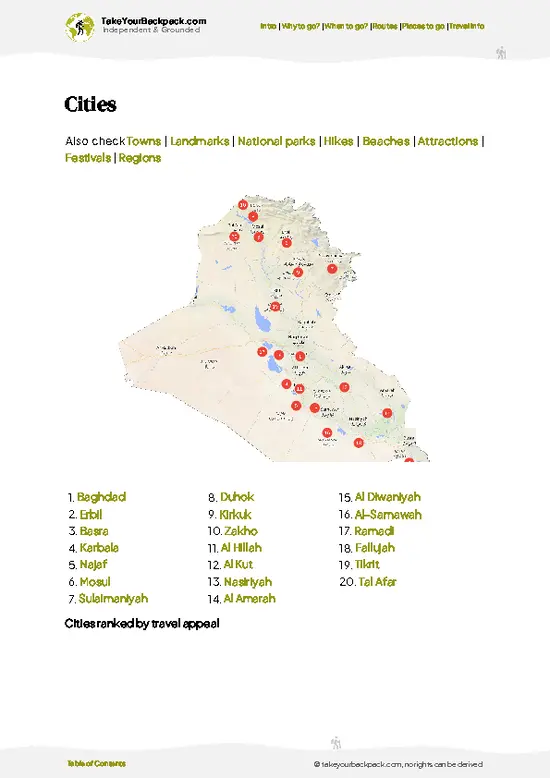
  • Al Diwaniyah—Canal network, agricultural markets, railway hub| 105 km away
  • Al-Shatrah—canal town, livestock markets, rural junction| 128 km away
  • Al Hillah—Babylon ruins, Euphrates canals, university district| 131 km away

💡 Not sure where to go next?
Create a personalized itinerary for Iraq including Al Kut and the places that fit your trip.

Generate my itinerary

👉 Discover all cities

Or checkout all Iraq has to offer (think cities, towns, villages, national parks, hikes, beaches, festivals)
Country photo of Iraq

We 💚 feedbackKey takeaways before you go

Al Kut has a raw, unfiltered vibe that feels like stepping into a living history book. The best surprise? The warmth of the locals; they’ll share stories over tea that you won’t find in any guide. Just be mindful of the heat—stay hydrated and pace yourself. It’s worth every moment.

✍️ Help improve this page!
The information on this page is based on in-depth research, insights shared by experienced travelers, and feedback from the local travel community in Iraq. While every effort is made to keep the information accurate and current, conditions can change — so if you spot anything incorrect or outdated, please get in touch.


🙋‍♂️ Give feedback

👋 Meet the founderWho’s Behind Take Your Backpack?

Johan, backpacker and founder of TakeYourBackpackHi, I’m Johan (Netherlands 🇳🇱), the creator of TakeYourBackpack. Over the past decade, I’ve backpacked through 80+ countries across six continents, gaining extensive experience with independent travel, long-term trips, and overland routes.

This site is built on a combination of firsthand travel experience and carefully curated insights from other backpackers. Many guides are based on places I’ve personally visited, while others bring together tips, observations, and practical advice shared by trusted travelers I’ve met along the way.

The goal is to provide realistic, experience-driven guidance — not generic itineraries — so you can explore destinations with better context, clearer expectations, and more confidence.

Get full Iraq guide •
Instant download • 107 highlights • Full Offline guide