v2.webp)
- Tomb of Prophet Nahum — The town’s most famous shrine: a simple stone mausoleum and small courtyard that ties local Christian and Jewish history together, with a quiet, very visitable vibe and good views over the main square.
- Old stone quarter — Walkable lanes of packed-earth and limestone houses, carved doorframes and narrow alleys where the town’s layered history is obvious in the architecture; great for slow wandering and photography.
- Remnants of the Jewish quarter and synagogue traces — Al-Qush once had a notable Jewish community; surviving stones, inscriptions and old house layouts give a tangible sense of that vanished neighborhood and make for a respectful, educational visit.
- Al-Qush citadel/watchtower ruins — Scattered stone walls and small towers on the village slopes—nothing
- Tomb of Prophet Nahum — The town’s most famous shrine: a simple stone mausoleum and small courtyard that ties local Christian and Jewish history together, with a quiet, very visitable vibe and good views over the main square.
- Old stone quarter — Walkable lanes of packed-earth and limestone houses, carved doorframes and narrow alleys where the town’s layered history is obvious in the architecture; great for slow wandering and photography.
- Remnants of the Jewish quarter and synagogue traces — Al-Qush once had a notable Jewish community; surviving stones, inscriptions and old house layouts give a tangible sense of that vanished neighborhood and make for a respectful, educational visit.
- Al-Qush citadel/watchtower ruins — Scattered stone walls and small towers on the village slopes—nothing restored into a theme park, just weathered defensive remains that tell you how the town looked to travelers centuries ago.
- Main Chaldean parish church and churchyard — The active local parish is worth seeing for its Syriac/Chaldean liturgical art, community atmosphere, and occasional old murals and carved crosses in the churchyard.
- Village market (souq) and coffeehouses — A short, authentic slice of daily life: fresh flatbreads, local cheeses, tea stalls and banter with shopkeepers. Best visited in the morning when stalls are busiest.
- Rooftop and terrace viewpoints — Small public terraces and rooftop cafes give sweeping views of the Nineveh Plains below; excellent at sunset and useful for orienting yourself to the surrounding landscape.
- Old cemetery with Syriac headstones — Weathered tombstones with Syriac and Arabic inscriptions give a calm, tangible link to generations of families from the village—good for history-minded visitors who respect the space.
- Local craft and carpentry workshops — Small-scale woodcarvers, icon painters and general tradesmen still work in the village; you can often watch techniques and buy honest, hand-made souvenirs without the tourist markup.
- Home-style eateries and traditional bakeries — The town’s family-run bakeries and simple restaurants serve genuine Assyrian/Baghdad Plains dishes—visiting one is more cultural than any staged “culinary experience.”
Spotted a mistake or missing something? Contact us.

 Best Backpacking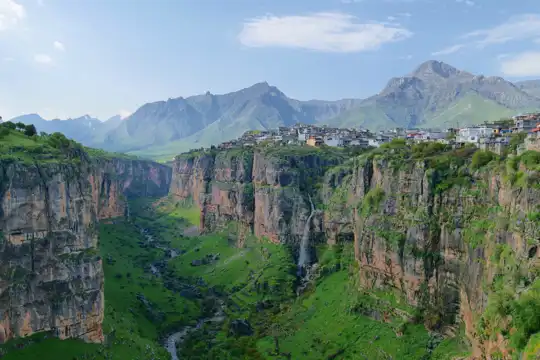
.jpg) Hi, I’m Johan (Netherlands 🇳🇱), the creator of TakeYourBackpack. Over the past decade, I’ve backpacked through 80+ countries across six continents, gaining extensive experience with independent travel, long-term trips, and overland routes.
Hi, I’m Johan (Netherlands 🇳🇱), the creator of TakeYourBackpack. Over the past decade, I’ve backpacked through 80+ countries across six continents, gaining extensive experience with independent travel, long-term trips, and overland routes.