v2.webp)
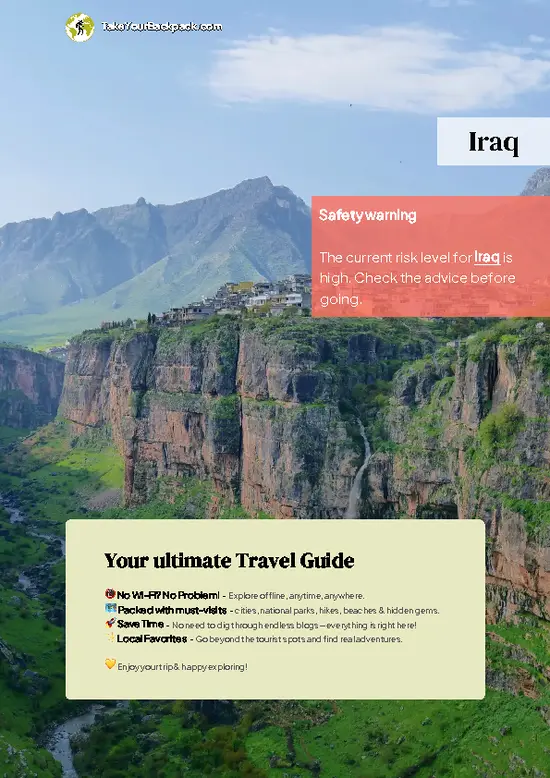
- Amadiya Citadel (Qala Amadiya) — The town’s skyline: an ancient fortress and ruins on the plateau edge with sweeping views over the valley. It’s where the town’s long history is most visible and a great spot for sunset photos and imagining caravan routes.
- Cliff-edge viewpoint (the Amedi terrace) — Not a formal attraction so much as the town’s best natural balcony. Walk to the rim and you’ll get dizzying panoramas of the plain, villages below, and the Zagros ridges — perfect for a quiet tea and people-watching.
- Old town lanes and stone houses — Tight, stepped alleys lined with weathered Kurdish stone houses. Wandering here tells you more about daily life and local architecture than any plaque can: doors, courtyards, and rooftop stances that have changed little in decades.
- Historic market
- Amadiya Citadel (Qala Amadiya) — The town’s skyline: an ancient fortress and ruins on the plateau edge with sweeping views over the valley. It’s where the town’s long history is most visible and a great spot for sunset photos and imagining caravan routes.
- Cliff-edge viewpoint (the Amedi terrace) — Not a formal attraction so much as the town’s best natural balcony. Walk to the rim and you’ll get dizzying panoramas of the plain, villages below, and the Zagros ridges — perfect for a quiet tea and people-watching.
- Old town lanes and stone houses — Tight, stepped alleys lined with weathered Kurdish stone houses. Wandering here tells you more about daily life and local architecture than any plaque can: doors, courtyards, and rooftop stances that have changed little in decades.
- Historic market area (local bazaar) — Small, honest stalls selling spices, dried fruit, nuts, and local produce. It’s where you’ll hear the town’s languages mix, bargain a little, and spot everyday handicrafts without the tourist polish.
- Remains of the Jewish quarter and synagogue — Amadiya had a long-standing Jewish community; visiting the old quarter and the synagogue ruins (and nearby houses) gives a tangible sense of the town’s multicultural past. Approach respectfully and, if possible, ask a local to point the way.
- Old Christian churches and chapels — Scattered small churches and Christian relics speak to the Assyrian/Chaldean presence in the region. Many are simple, lived-in or partly ruined, but they’re valuable for understanding the religious mosaic of Amadiya.
- Traditional teahouses (kahvehane) overlooking the valley — These low-key spots are where locals meet. Sip strong tea, watch shepherds and mules pass below, and listen — you’ll learn more about the town from conversations here than from guidebooks.
- Local handicraft and carpet stalls — Small shops and workshops where you can see Kurdish weaving, embroidery, and practical leather goods made locally. Even if you don’t buy, watching a weaver work is a direct link to regional crafts and color palettes.
- Ancient cisterns and terraced gardens — Look for old water storage and irrigation features carved into the plateau — remnants of how people sustained life up there. They’re quiet, slightly hidden, and reveal clever traditional engineering adapted to the mountain environment.
- Historic cemetery and carved tombstones — Perched on slopes or tucked beside lanes, the old graveyards have engraved stones and views that connect you to several centuries of local families. They’re sobering, peaceful, and culturally revealing.
Spotted a mistake or missing something? Contact us.

 Best Backpacking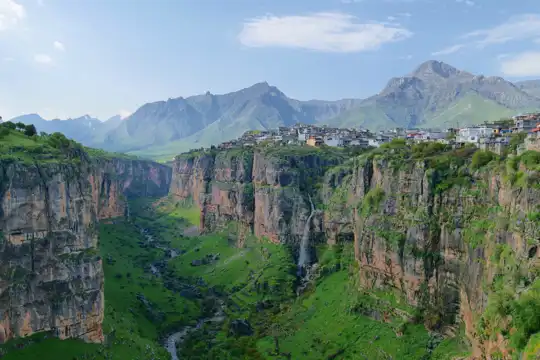
.jpg) Hi, I’m Johan (Netherlands 🇳🇱), the creator of TakeYourBackpack. Over the past decade, I’ve backpacked through 80+ countries across six continents, gaining extensive experience with independent travel, long-term trips, and overland routes.
Hi, I’m Johan (Netherlands 🇳🇱), the creator of TakeYourBackpack. Over the past decade, I’ve backpacked through 80+ countries across six continents, gaining extensive experience with independent travel, long-term trips, and overland routes.