v2.webp)
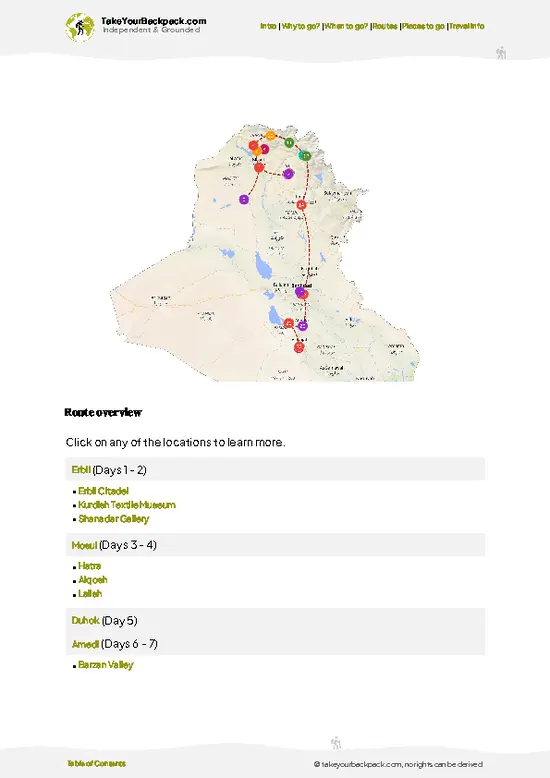
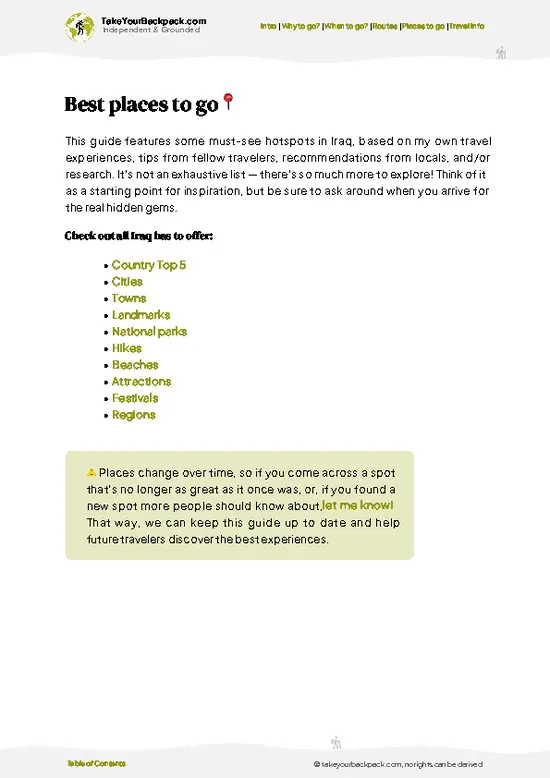
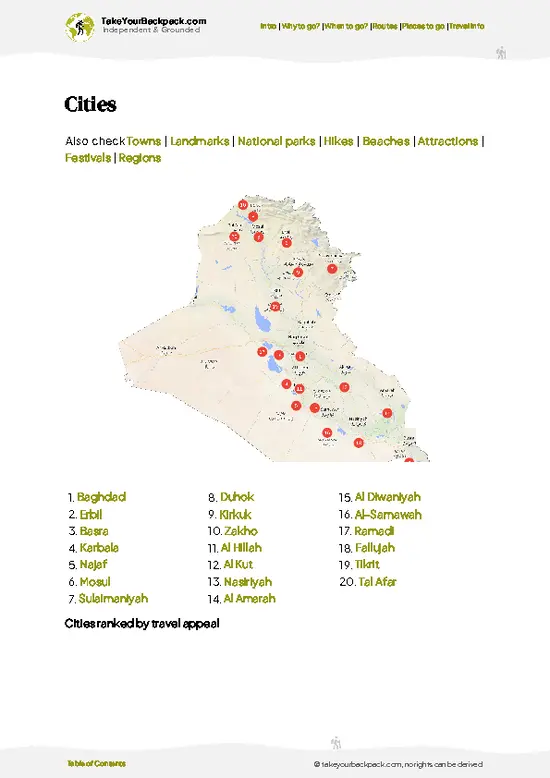
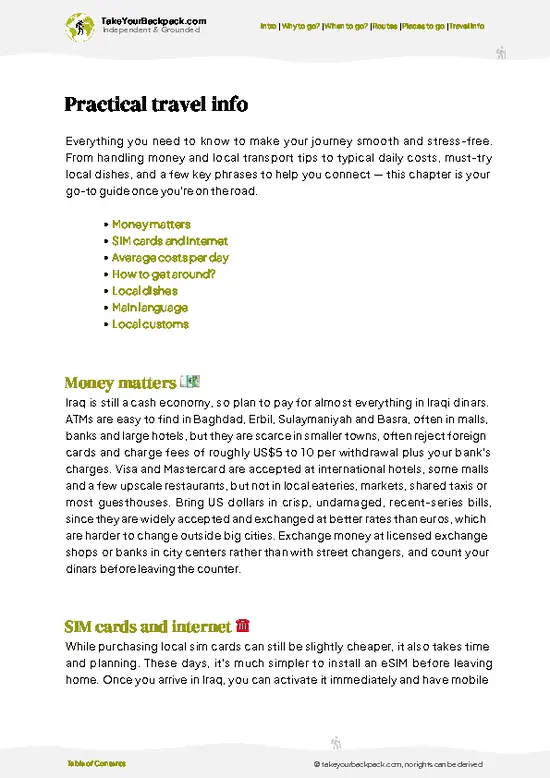
The Royal Assyrian Reliefs
Let’s cut through the noise: you don’t come to Basra Museum for a sanitized, glass-box experience. The Assyrian reliefs here are the real deal—massive, carved slabs that once lined the palaces of Nimrud. These aren’t replicas. You’re face-to-face with the same stonework that ancient kings and their court would have seen. The scale is humbling, and the detail—muscle, beard, weapon—feels almost defiant after decades of war and looting. If you want to feel the weight of Mesopotamian history, this is where it lands.
The Sumerian Gallery
Forget the textbook version of “cradle of civilization.” The Sumerian Gallery is a crash course in just how weird, advanced, and creative ancient Iraq was. Cuneiform tablets, jewelry, and ritual objects—some small enough to fit in your … read more 👉
Let’s cut through the noise: you don’t come to Basra Museum for a sanitized, glass-box experience. The Assyrian reliefs here are the real deal—massive, carved slabs that once lined the palaces of Nimrud. These aren’t replicas. You’re face-to-face with the same stonework that ancient kings and their court would have seen. The scale is humbling, and the detail—muscle, beard, weapon—feels almost defiant after decades of war and looting. If you want to feel the weight of Mesopotamian history, this is where it lands.
The Sumerian Gallery
Forget the textbook version of “cradle of civilization.” The Sumerian Gallery is a crash course in just how weird, advanced, and creative ancient Iraq was. Cuneiform tablets, jewelry, and ritual objects—some small enough to fit in your … read more 👉
The Royal Assyrian Reliefs
Let’s cut through the noise: you don’t come to Basra Museum for a sanitized, glass-box experience. The Assyrian reliefs here are the real deal—massive, carved slabs that once lined the palaces of Nimrud. These aren’t replicas. You’re face-to-face with the same stonework that ancient kings and their court would have seen. The scale is humbling, and the detail—muscle, beard, weapon—feels almost defiant after decades of war and looting. If you want to feel the weight of Mesopotamian history, this is where it lands.
The Sumerian Gallery
Forget the textbook version of “cradle of civilization.” The Sumerian Gallery is a crash course in just how weird, advanced, and creative ancient Iraq was. Cuneiform tablets, jewelry, and ritual objects—some small enough to fit in your palm, others built to outlast empires. The labels are refreshingly blunt, sometimes even handwritten. You’re not just looking at artifacts; you’re seeing the fingerprints of the world’s first city-builders. It’s raw, unpolished, and all the more gripping for it.
The Ottoman-Era Basra Room
This isn’t your standard period room with velvet ropes and fake fruit. The Basra Room is a time capsule from the city’s Ottoman heyday, complete with stained glass, carved wood, and battered but beautiful furnishings. You can almost hear the gossip and trade deals echoing off the walls. It’s a rare, tactile glimpse into a cosmopolitan era when Basra was a crossroads for the world.
The Museum’s Setting: Basra’s Old Palace
Here’s the twist Instagram never shows: the museum itself is inside Saddam Hussein’s former lakeside palace. The irony is thick—the dictator’s marble and chandeliers now house the treasures of civilizations he tried to erase. The building’s scars are visible, and that’s the point. You’re walking through layers of history, not just looking at them. The setting is half the story, and it’s impossible to forget.
Let’s cut through the noise: you don’t come to Basra Museum for a sanitized, glass-box experience. The Assyrian reliefs here are the real deal—massive, carved slabs that once lined the palaces of Nimrud. These aren’t replicas. You’re face-to-face with the same stonework that ancient kings and their court would have seen. The scale is humbling, and the detail—muscle, beard, weapon—feels almost defiant after decades of war and looting. If you want to feel the weight of Mesopotamian history, this is where it lands.
The Sumerian Gallery
Forget the textbook version of “cradle of civilization.” The Sumerian Gallery is a crash course in just how weird, advanced, and creative ancient Iraq was. Cuneiform tablets, jewelry, and ritual objects—some small enough to fit in your palm, others built to outlast empires. The labels are refreshingly blunt, sometimes even handwritten. You’re not just looking at artifacts; you’re seeing the fingerprints of the world’s first city-builders. It’s raw, unpolished, and all the more gripping for it.
The Ottoman-Era Basra Room
This isn’t your standard period room with velvet ropes and fake fruit. The Basra Room is a time capsule from the city’s Ottoman heyday, complete with stained glass, carved wood, and battered but beautiful furnishings. You can almost hear the gossip and trade deals echoing off the walls. It’s a rare, tactile glimpse into a cosmopolitan era when Basra was a crossroads for the world.
The Museum’s Setting: Basra’s Old Palace
Here’s the twist Instagram never shows: the museum itself is inside Saddam Hussein’s former lakeside palace. The irony is thick—the dictator’s marble and chandeliers now house the treasures of civilizations he tried to erase. The building’s scars are visible, and that’s the point. You’re walking through layers of history, not just looking at them. The setting is half the story, and it’s impossible to forget.
Spotted a mistake or missing something? Contact us.

 Best Backpacking
.jpg) Hi, I’m Johan (Netherlands 🇳🇱), the creator of TakeYourBackpack. Over the past 3 decades, I’ve backpacked through 90+ countries across six continents, gaining extensive experience with independent travel, long-term trips, and overland routes.
Hi, I’m Johan (Netherlands 🇳🇱), the creator of TakeYourBackpack. Over the past 3 decades, I’ve backpacked through 90+ countries across six continents, gaining extensive experience with independent travel, long-term trips, and overland routes.