×

Iraq🇮🇶 | attractionsSlemani MuseumNeolithic tools, cuneiform tablets, regional archaeology | things to do and best time to go

Explore Amna SurakaExplore Basra Museum

Backpacking in Slemani Museum
👍 Recommendedattraction ranked #11
By Johan Kruseman 🇳🇱 | Updated October 15, 2026

Forget the Instagram myth: Slemani Museum isn’t some dusty, forgotten relic hall where you’ll wander alone in Indiana Jones cosplay. It’s right in the heart of Sulaymaniyah, northern Iraq’s most progressive city, and yes, you’ll share the space with local families, school groups, and the occasional archaeologist. The museum’s collection is a knockout—think cuneiform tablets, Assyrian statues, and Kurdish artifacts that actually feel alive, not locked behind glass for eternity. Entry is cheap, but don’t expect slick English signage or air-conditioned comfort. Compared to Iraq’s headline sites, Slemani is refreshingly real—less selfie circus, more raw connection to Mesopotamia’s bones. If you want history with grit and soul, this is your spot.

Discover everything you want to know in the 📖 Iraq Travel Guide.
Safety warning

The current risk level for Iraq is high. Check the advice before going.


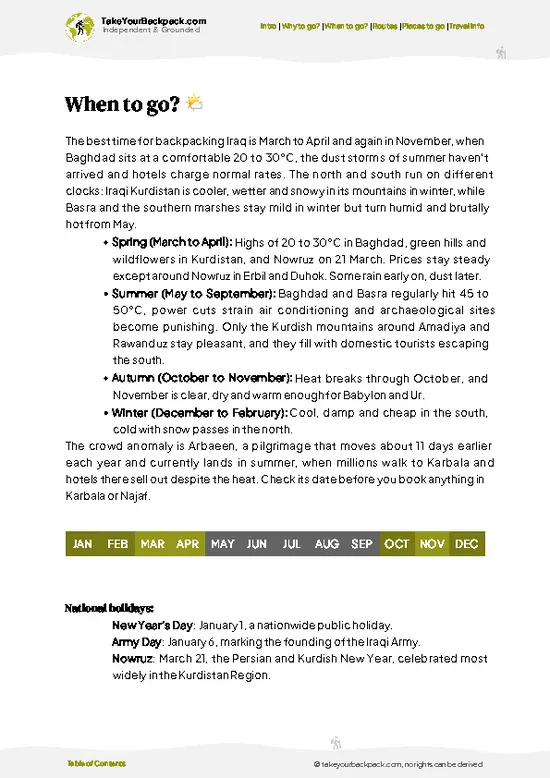
example page 0 from our offline Travel Guide for Iraq
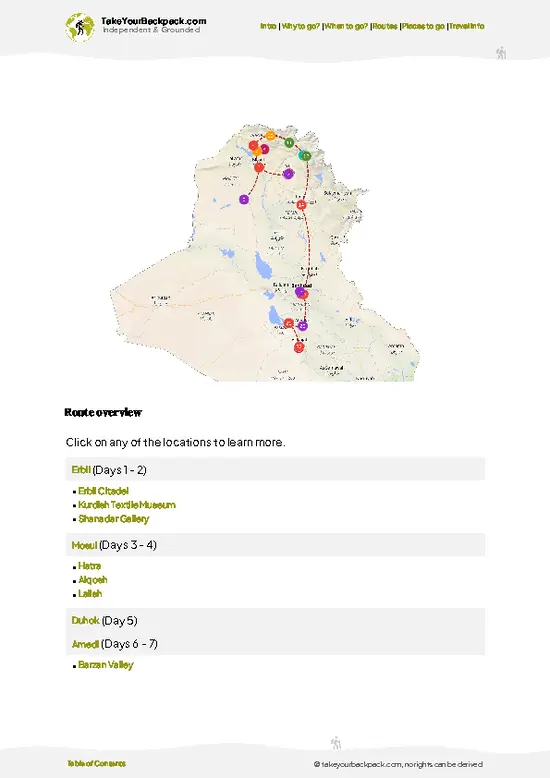
example page 1 from our offline Travel Guide for Iraq
example page 2 from our offline Travel Guide for Iraq
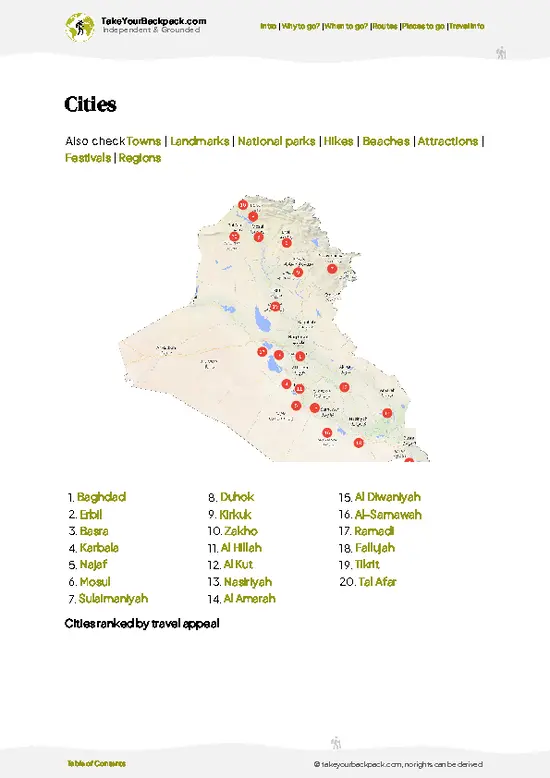
example page 3 from our offline Travel Guide for Iraq
example page 4 from our offline Travel Guide for Iraq
example page 5 from our offline Travel Guide for Iraq
example page 6 from our offline Travel Guide for Iraq
example page 7 from our offline Travel Guide for Iraq
Loading the map 🌍
CLICK TO FILTER
cities
towns
landmarks
national parks
hikes
beaches
attractions
festivals
regions
SHOW COUNTRY’S BESTSHOW ALL

✨ Why go?
Ranked #11 attraction in Iraq
What makes this attraction worth visiting

Backpackers who carve out time for the Slemani Museum in Iraq aren’t chasing glossy Instagram shots—they’re after something far deeper. Yes, the crowds are modest, and the entry fee is a steal compared to global standards, but that’s part of the charm. This museum is a cultural powerhouse, housing artifacts that trace the rich tapestry of Mesopotamian history, a civilization that literally shaped human progress. It’s not just about old relics; it’s about standing in a place where history breathes through every exhibit, from ancient pottery to Assyrian reliefs. For those trekking through Iraq, the Slemani Museum is a major milestone—a checkpoint that grounds you in the country’s soul before you push onward. The effort to get here pays off with an adrenaline rush of discovery that no flashy … read more 👉
Backpackers who carve out time for the Slemani Museum in Iraq aren’t chasing glossy Instagram shots—they’re after something far deeper. Yes, the crowds are modest, and the entry fee is a steal compared to global standards, but that’s part of the charm. This museum is a cultural powerhouse, housing artifacts that trace the rich tapestry of Mesopotamian history, a civilization that literally shaped human progress. It’s not just about old relics; it’s about standing in a place where history breathes through every exhibit, from ancient pottery to Assyrian reliefs. For those trekking through Iraq, the Slemani Museum is a major milestone—a checkpoint that grounds you in the country’s soul before you push onward. The effort to get here pays off with an adrenaline rush of discovery that no flashy tourist trap can match. This is the real deal, raw and rewarding.

💡 HighlightsWhat this place is best known for

The Assyrian Winged Bulls (Lamassu)
Forget the Instagrammed “ancient vibes”—these colossal stone guardians are the real deal, not replicas. Their sheer size and the intricate cuneiform inscriptions carved into their flanks hit you with the weight of millennia. You’re face-to-face with the same mythic beasts that once flanked palace gates, meant to terrify invaders and impress kings. No velvet ropes, no glass boxes—just you and the stone, close enough to trace the chisel marks with your eyes.

The Prehistoric Gallery
This isn’t a parade of chipped rocks. The Slemani Museum’s prehistoric collection is a crash course in human stubbornness and ingenuity. You’ll see obsidian blades, bone needles, and pottery that predates written history—tools and art from the people who survived, adapted, and built … read more 👉
The Assyrian Winged Bulls (Lamassu)
Forget the Instagrammed “ancient vibes”—these colossal stone guardians are the real deal, not replicas. Their sheer size and the intricate cuneiform inscriptions carved into their flanks hit you with the weight of millennia. You’re face-to-face with the same mythic beasts that once flanked palace gates, meant to terrify invaders and impress kings. No velvet ropes, no glass boxes—just you and the stone, close enough to trace the chisel marks with your eyes.

The Prehistoric Gallery
This isn’t a parade of chipped rocks. The Slemani Museum’s prehistoric collection is a crash course in human stubbornness and ingenuity. You’ll see obsidian blades, bone needles, and pottery that predates written history—tools and art from the people who survived, adapted, and built the foundations of civilization in Mesopotamia. The display is raw and direct, with minimal gloss, so you get the grit and the story, not just the artifact.

The Sumerian Tablets
Cuneiform tablets here aren’t just museum filler—they’re the receipts, contracts, and love letters of the world’s first cities. Some are so detailed you can pick out the wedge-shaped script with your naked eye. If you want to feel the pulse of ancient bureaucracy and daily life, this is where you get it. No translation needed to sense the gravity: these are the original “paper trails” of humanity.

The Kurdish Heritage Section
Most museums in Iraq skip straight from ancient empires to Islamic dynasties. Slemani doesn’t. Here, Kurdish textiles, jewelry, and everyday objects get equal billing with the ancient stuff. It’s a rare, unfiltered look at living culture—colorful, proud, and stubbornly local. You’ll see the region’s story told by its own people, not just through the lens of conquerors.

The Outdoor Sculpture Garden
Step outside and you’re surrounded by battered statues and fragments—some rescued from looters, others unearthed by accident. It’s not curated to perfection, and that’s the point. This is history with the dust still on it, a reminder that Iraq’s past is still being dug up, debated, and sometimes fought over. The open-air setting makes it feel less like a museum and more like a living archive.
Spotted a mistake or missing something? Contact us.

🌤️ When to go?Seasonal considerations and timing

  • Topic: Weather and Temperature - The best time to visit Slemani Museum is from April to June and September to October when temperatures hover between 15-25°C (59-77°F). Summers (July-August) scorch with highs often above 40°C (104°F), making museum visits sweaty and miserable.
  • Topic: Daylight Hours - Spring and fall offer balanced daylight, roughly 11-13 hours, enough to explore without rushing or burning out under the harsh sun. Winters have shorter days, limiting your sightseeing window.
  • Topic: Crowds - Peak tourist season aligns with spring and fall, but don’t expect throngs like Europe. Still, weekends can get busy with local families, so weekdays are your best bet for a quieter experience.
  • Topic: Seasonal Activities - Spring brings local cultural festivals nearby, adding layers to
… read more 👉
  • Topic: Weather and Temperature - The best time to visit Slemani Museum is from April to June and September to October when temperatures hover between 15-25°C (59-77°F). Summers (July-August) scorch with highs often above 40°C (104°F), making museum visits sweaty and miserable.
  • Topic: Daylight Hours - Spring and fall offer balanced daylight, roughly 11-13 hours, enough to explore without rushing or burning out under the harsh sun. Winters have shorter days, limiting your sightseeing window.
  • Topic: Crowds - Peak tourist season aligns with spring and fall, but don’t expect throngs like Europe. Still, weekends can get busy with local families, so weekdays are your best bet for a quieter experience.
  • Topic: Seasonal Activities - Spring brings local cultural festivals nearby, adding layers to your visit. Winter months are quieter but lack these enriching events.
  • Topic: Price Fluctuations - Entry fees remain stable year-round, but accommodation and transport costs spike during spring and fall due to increased demand. Budget travelers might find better deals in winter despite the chill.
Pro-tip: Aim for late April or early October—pleasant weather, manageable crowds, and a chance to catch local cultural vibes without the summer scorch or winter gloom.


source: climatestotravel.comJANJanuary: fair for travelingFEBFebruary: fair for travelingMARMarch: good for travelingAPRApril: excellent for travelingMAYMay: excellent for travelingJUNJune: highly recommended for travelingJULJuly: below average for travelingAUGAugust: below average for travelingSEPSeptember: highly recommended for travelingOCTOctober: excellent for travelingNOVNovember: good for travelingDECDecember: fair for traveling
when-to-go

✈️ The backpacker research shortcutIraq Travel Guide

An offline-friendly backpacking guide with optimized travel routes, ranked highlights, transport advice, and the best areas to stay.
example page 0 from our offline Travel Guide for Iraq
example page 1 from our offline Travel Guide for Iraq
example page 2 from our offline Travel Guide for Iraq
example page 3 from our offline Travel Guide for Iraq
example page 4 from our offline Travel Guide for Iraq
example page 5 from our offline Travel Guide for Iraq
example page 6 from our offline Travel Guide for Iraq
example page 7 from our offline Travel Guide for Iraq
The digital guide (327 pages) contains:
✅ 95 highlights, ranked by travel appeal
✅ Optimized 5, 10 & 15-day travel routes
✅ Cities, national parks, landmarks, beaches
✅ How to get around
✅ Offline-friendly for travel without Wi-Fi
👉 Click to see all 30+ guide features

📅 Plan smarter in minutes, not weeks
✅ Month by month travel advice
✅ Festivals & national holidays
✅ Budget expectations

🗺️ Go to the right places, skip the overrated ones
✅ Honest pros & cons of destinations
✅ Top hikes, parks & viewpoints
✅ Lesser-known places most travelers miss
✅ Clear “worth it vs skip it” guidance

🛏️ Travel smoothly without rookie mistakes
✅ Best areas to stay
✅ Transport systems explained simply
✅ Common scams & safety advice
✅ SIM cards, money & practical tips

🌍 Understand the country, not just visit it
✅ Culture & traditions
✅ 52 Essential phrases & customs
✅ Festivals worth planning around
✅ Traveler-friendly historical context
✅ Insights that make places more meaningful

📱 Built for real travel conditions
✅ Fully downloadable PDF
✅ Works completely offline
✅ Optimized for phone use
✅ Useful in remote areas & buses
✅ Everything in one place
Stop searching, start planning
Get instant access to your full guide. 30‑day money-back guarantee.
+ Add another guide for just

By proceeding you agree to our terms.
Sent to your inbox immediately after payment • 100% Secure Checkout
Best Backpacking Travel Advisor 2025 tourism awardBest Backpacking
Travel Advisor
2025
What others say about Take Your Backpack Guides:
⭐⭐⭐⭐⭐
Fantastic, amazing amount of information!
⭐⭐⭐⭐⭐
My goodness this is amazing, it's what I've been looking for hats off too you!
⭐⭐⭐⭐⭐
I think this is absolutely BRILLIANT
⭐⭐⭐⭐
Very complete and informative. It's still missing places, but I gotta to commend you
⭐⭐⭐⭐⭐
This is truly amazing, thank you, can't wait to explore it with my kids!
⭐⭐⭐⭐⭐
Awesome resource, thank you!
⭐⭐⭐⭐⭐
This is amazing! Can't wait to explore the ones I haven't seen
⭐⭐⭐⭐
I love this! Well done, great idea.
⭐⭐⭐⭐⭐
Thanks for taking the time to make this gem!
⭐⭐⭐⭐⭐
This might be the best website I've ever seen.
⭐⭐⭐⭐⭐
Congratulations, and thank you so much for your work; it's incredibly valuable.
⭐⭐⭐⭐
In all seriousness I think you did a great job pointing out the important spots
⭐⭐⭐⭐⭐
10/10 very good
⭐⭐⭐⭐⭐
As someone who's only just starting to visit regularly this is awesome, thank you.
⭐⭐⭐⭐
Thank you very much! I'm going to visit my dad, it's going to be very useful!
⭐⭐⭐⭐⭐
This is really cool! We'll be travelling for the first time and this definitely come in handy.
⭐⭐⭐⭐⭐
You are now our minister of culture, congratulations 👨‍💼
⭐⭐⭐⭐⭐
Just wanted to tell you that this is a pearl! Going to follow your recommendations.
⭐⭐⭐⭐⭐
This is so cool. I'll definitely be using the resource for my travels soon.
⭐⭐⭐⭐⭐
This is very impressive! Good work.
⭐⭐⭐⭐⭐
This is an amazing and informative site. Very well done!

🛏️ Where to stay?Best areas to stay in Iraq

If you’re heading to the Slemani Museum, brace yourself for a reality check: this isn’t a polished tourist hotspot. The crowds are local families and school groups, not selfie-stick wielders. The museum itself is a treasure trove of Mesopotamian history, but the real magic happens outside—in the neighborhoods where life pulses raw and unfiltered.

For backpackers, the best place to stay is the city center around Azadi Street and the nearby Bazaar area. This zone is the heartbeat of Slemani—safe enough if you keep your wits, buzzing with street vendors, tea houses, and local chatter. It’s where … read more 👉
If you’re heading to the Slemani Museum, brace yourself for a reality check: this isn’t a polished tourist hotspot. The crowds are local families and school groups, not selfie-stick wielders. The museum itself is a treasure trove of Mesopotamian history, but the real magic happens outside—in the neighborhoods where life pulses raw and unfiltered.

For backpackers, the best place to stay is the city center around Azadi Street and the nearby Bazaar area. This zone is the heartbeat of Slemani—safe enough if you keep your wits, buzzing with street vendors, tea houses, and local chatter. It’s where you’ll find other budget travelers and solo adventurers, drawn by the authentic vibe rather than polished luxury. The streets here aren’t just routes to the museum; they’re a social hub where you can swap stories over strong Kurdish coffee or sample street food that’s as real as it gets.

Forget fancy hotels; this is about immersion, connection, and the gritty charm of a city that’s still writing its story.

👛 Costs (as of 15 October 2026)How expensive it really is

As of the most recent estimates, the Slemani Museum charges an entrance fee ranging from €4.50 to €8, depending on the visitor's age and status. Additional costs may include guided tours or special exhibitions, which are typically available upon request.

source: klassik-stiftung.de
⚠️ Prices can change and everyone travels differently, so take this as a rough guide. Hope it helps you plan your adventure!

FAQTraveler FAQ

You need about 1 to 2 hours to visit Slemani Museum. This allows enough time to see the main exhibits and artifacts without rushing. The museum is compact but rich in historical displays.
Yes, Slemani Museum is worth the entrance fee, which is typically around 2,000 IQD (less than $2 USD). It offers valuable insight into Kurdish and Mesopotamian history with well-preserved artifacts. The cost is low compared to the cultural experience provided.
To get to Slemani Museum, take a taxi or local minibus to the city center of Sulaymaniyah, Iraq. The museum is located near the city park, a well-known landmark. It is easily accessible from most parts of the city within 10 to 20 minutes by car.
⚠️ Things can change over time, so always validate details locally before you go.

Other Iraqi attractions near Slemani Museum

Explore more nearby:


💡 Not sure where to go next?
Create a personalized itinerary for Iraq including Slemani Museum and the places that fit your trip.

Generate my itinerary

👉 Discover all attractions

Or checkout all Iraq has to offer (think cities, towns, villages, national parks, hikes, beaches, festivals)
Country photo of Iraq

We 💚 feedbackFinal thoughts on visiting Slemani Museum

The Slemani Museum isn’t polished like the big-name spots, and yes, it can feel a bit sparse or dusty if you’re expecting a blockbuster show. But that’s exactly why it’s real. The artifacts here carry the grit and soul of Kurdish history, and the quiet corners invite you to slow down and actually connect—no crowds, no hype, just raw, unfiltered heritage.

✍️ Help improve this page!
The information on this page is based on in-depth research, insights shared by experienced travelers, and feedback from the local travel community in Iraq. While every effort is made to keep the information accurate and current, conditions can change — so if you spot anything incorrect or outdated, please get in touch.


🙋‍♂️ Give feedback

👋 Meet the founderWho’s Behind Take Your Backpack?

Johan, backpacker and founder of TakeYourBackpackHi, I’m Johan (Netherlands 🇳🇱), the creator of TakeYourBackpack. Over the past 3 decades, I’ve backpacked through 90+ countries across six continents, gaining extensive experience with independent travel, long-term trips, and overland routes.

This site is built on a combination of firsthand travel experience and carefully curated insights from other backpackers. Many guides are based on places I’ve personally visited, while others bring together tips, observations, and practical advice shared by trusted travelers I’ve met along the way.

The goal is to provide realistic, experience-driven guidance — not generic itineraries — so you can explore destinations with better context, clearer expectations, and more confidence.