×

Ireland🇮🇪 | regionsDingle Peninsulacliffside roads, fishing villages, prehistoric sites | things to do and best time to go

Explore Aran IslandsExplore Wild Atlantic Way

Backpacking in Dingle Peninsula
🌟 Highlightregion ranked #2
By Johan Kruseman 🇳🇱 | Updated October 15, 2026

Everyone thinks the Dingle Peninsula is just a cute town with a famous dolphin and one scenic drive. That version of Dingle basically died years ago. The real Dingle Peninsula is a chunky, wild wedge of County Kerry, sticking into the Atlantic west of Killarney, where cliffs, tiny coves, and Irish-language villages all collide with tour buses and craft beer.

For backpackers, it’s a trade: you get outrageous coastal scenery, legit live trad music in Dingle town, and small villages like Dunquin and Ballyferriter that still feel like Ireland talking to itself, not performing. But it’s pricier than you’d expect, buses are infrequent, and hitching or long walks often fill the gaps between towns. Compared with Killarney or the Ring of Kerry, Dingle feels rougher around the edges and more characterful, but also more Instagrammed. I still go back for the cliff walks and pub sessions, then escape the crowds by staying a night or two beyond Dingle town itself.

Discover everything you want to know in the 📖 Ireland Travel Guide.


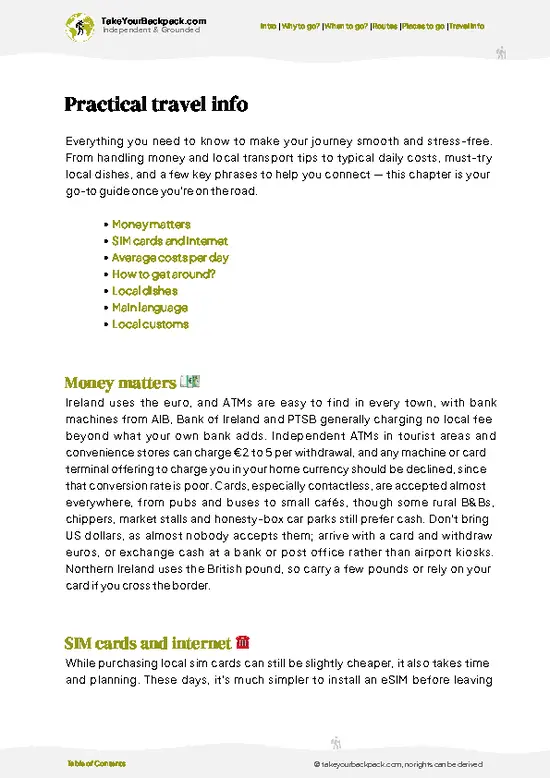
example page 0 from our offline Travel Guide for Ireland
example page 1 from our offline Travel Guide for Ireland
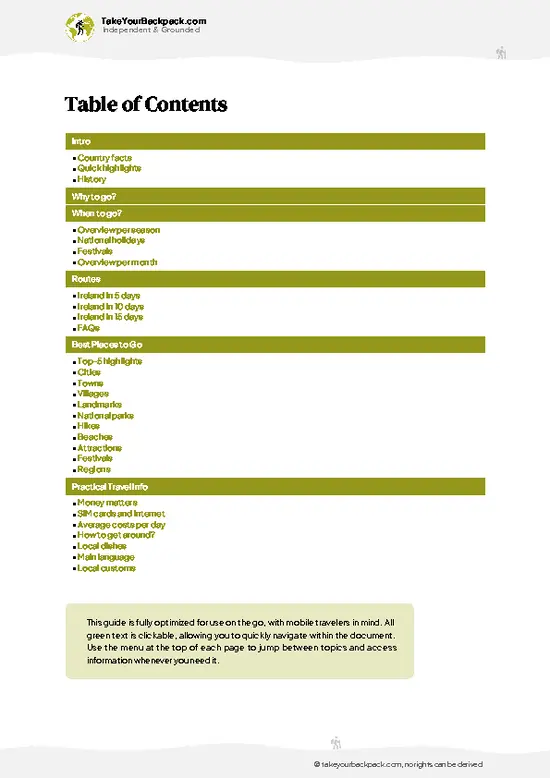
example page 2 from our offline Travel Guide for Ireland
example page 3 from our offline Travel Guide for Ireland
example page 4 from our offline Travel Guide for Ireland
example page 5 from our offline Travel Guide for Ireland
example page 6 from our offline Travel Guide for Ireland
example page 7 from our offline Travel Guide for Ireland
Loading the map 🌍
CLICK TO FILTER
cities
towns
villages
landmarks
national parks
hikes
beaches
attractions
festivals
regions
SHOW COUNTRY’S BESTSHOW ALL

✨ Why go?
Ranked #2 region in Ireland
What makes this region worth visiting

The Dingle Peninsula is a backpacker’s dream, offering a rich tapestry of experiences without the hassle of constant relocation. You’ve got variety of landscapes here that’ll make your Instagram pop—think rugged cliffs, sandy beaches, and rolling hills. Each corner reveals something new, so you won’t get bored.

Transport is a breeze. You can hop on a bus or rent a bike, giving you the flexibility to explore at your own pace. Want to linger at a quaint café in Dingle? Go for it. Prefer to hike the Slieve Mish Mountains? You can do that too.

What really sets this place apart is the chance to blend nature and culture seamlessly. You can hike the Wild Atlantic Way in the morning and then dive into local music sessions at night. It’s all about slow travel, soaking in the atmosphere rather than … read more 👉
The Dingle Peninsula is a backpacker’s dream, offering a rich tapestry of experiences without the hassle of constant relocation. You’ve got variety of landscapes here that’ll make your Instagram pop—think rugged cliffs, sandy beaches, and rolling hills. Each corner reveals something new, so you won’t get bored.

Transport is a breeze. You can hop on a bus or rent a bike, giving you the flexibility to explore at your own pace. Want to linger at a quaint café in Dingle? Go for it. Prefer to hike the Slieve Mish Mountains? You can do that too.

What really sets this place apart is the chance to blend nature and culture seamlessly. You can hike the Wild Atlantic Way in the morning and then dive into local music sessions at night. It’s all about slow travel, soaking in the atmosphere rather than rushing from one tourist trap to another.

So, if you’re looking for a spot where you can savor every moment without sacrificing comfort or adventure, the Dingle Peninsula is your ticket. You’ll leave feeling like a local, not just another traveler.

💡 HighlightsMust-see experiences and standout moments

  • Slea Head Drive — The classic coastal loop for a reason: raw Atlantic cliffs, a scatter of early-Christian ruins, and constant sightlines to the Great Blasket Islands. Drive it slow, stop at the little pull-ins and you’ll taste the peninsula’s geology, sea-spray and storytelling in one go.
  • Great Blasket Island — A short ferry from Dún Chaoin takes you to a windswept island village frozen in time. Empty stone cottages, island-writer lore (Peig, Tomás Ó Criomhthain) and wild walking make this uniquely Dingle — plus stunning, lonely views back to the peninsula. (Personal favorite: the silence and the old houses are impossible to forget.)
  • Gallarus Oratory — A tiny, perfectly preserved dry-stone “beehive” church from early Christian Ireland. It’s an architectural oddity — you can stand inside
… read more 👉
  • Slea Head Drive — The classic coastal loop for a reason: raw Atlantic cliffs, a scatter of early-Christian ruins, and constant sightlines to the Great Blasket Islands. Drive it slow, stop at the little pull-ins and you’ll taste the peninsula’s geology, sea-spray and storytelling in one go.
  • Great Blasket Island — A short ferry from Dún Chaoin takes you to a windswept island village frozen in time. Empty stone cottages, island-writer lore (Peig, Tomás Ó Criomhthain) and wild walking make this uniquely Dingle — plus stunning, lonely views back to the peninsula. (Personal favorite: the silence and the old houses are impossible to forget.)
  • Gallarus Oratory — A tiny, perfectly preserved dry-stone “beehive” church from early Christian Ireland. It’s an architectural oddity — you can stand inside a 1,000-year-old stone shelter and feel how practical, skilled and isolated life once was here.
  • Dunbeg Promontory Fort — Clifftop remains of a stone promontory fort right along the Slea Head route. It’s not fancy, but the location — stone sea walls, ruined enclosures and sheer drops — gives a very tangible sense of coastal defense and early settlement on the peninsula.
  • Mount Brandon (Bramadán) — One of Ireland’s great ridge-walks: peat hags, mountain cairns, pilgrimage routes and epic views over Brandon Bay and the Blaskets. It’s rugged and properly wild — great for a long day with big sky and solitude.
  • Conor Pass — Ireland’s highest mountain pass road. The tight, hairpin climb between Dingle and Brandon gives panoramic viewpoints you can’t get elsewhere on the island — steep sheep-country slopes one side, a huge drop into the valley on the other.
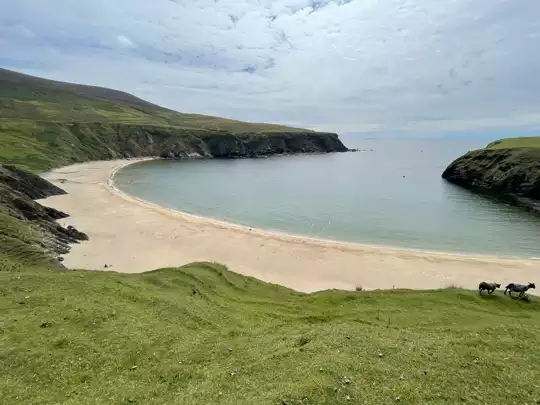
  • Coumeenoole Beach — A dramatic crescent of sand and sea beneath towering cliffs, frequently photographed but still worth the stop. The rock stacks and clear surf have a movie-set quality; early morning or late evening makes it feel almost private.
  • Ventry Beach & The Maharee Peninsula — A long, walkable strand that opens into calm lagoons and wild dunes. Locals fish, launch small boats here and you’ll sometimes spot seals hauled out on the islands — a peaceful contrast to the higher, rougher headlands.
  • Minard Castle (ruin) — A small, quiet ruin on the coast between Ventry and Brandon that most visitors drive past. It’s a proper low-traffic spot for watching tides and light over Minard Bay, with good nearby rock-pooling and a real feel of place.
  • Ballydavid Head & Local Clifftop Walks — A lesser-known stretch of headland northwest of Ballyferriter with tiny beaches, cliff paths and fewer buses. Locals walk these lanes for the views and the birdlife; bring layers and a thermos and you’ll probably have it to yourself.
Spotted a mistake or missing something? Contact us.

Things to do around Dingle Peninsula

Ratings based on Tripadvisor reviews. When you book through this link, you support our work at no extra cost to you.

⌛️ 5 daysSeeing the highlights in 5 days

Day 1: Dingle Town
Dingle Town is your launchpad. It’s where the pulse of the peninsula beats strongest. Arrive early to soak in the local vibe. The town’s compact, so you can wander its colorful streets, grab a coffee, and chat with locals. The bus system here is decent, but having a car gives you freedom. You’ll want to explore the surrounding areas without waiting for schedules.

Day 2: Slea Head Drive
Hit the Slea Head Drive, one of the most scenic routes in Ireland. This is where the landscape steals the show. The winding roads offer breathtaking views of cliffs and the Atlantic. Stop at the Blasket Islands viewpoint for a photo op. The drive can be done in a few hours, but take your time. Each turn reveals something new. This is where you’ll feel the magic of the Dingle Peninsula. … read more 👉
Day 1: Dingle Town
Dingle Town is your launchpad. It’s where the pulse of the peninsula beats strongest. Arrive early to soak in the local vibe. The town’s compact, so you can wander its colorful streets, grab a coffee, and chat with locals. The bus system here is decent, but having a car gives you freedom. You’ll want to explore the surrounding areas without waiting for schedules.

Day 2: Slea Head Drive
Hit the Slea Head Drive, one of the most scenic routes in Ireland. This is where the landscape steals the show. The winding roads offer breathtaking views of cliffs and the Atlantic. Stop at the Blasket Islands viewpoint for a photo op. The drive can be done in a few hours, but take your time. Each turn reveals something new. This is where you’ll feel the magic of the Dingle Peninsula.

Day 3: Coumeenole Beach
After the drive, head to Coumeenole Beach. It’s a short detour off the main road, but worth every minute. The beach is stunning, with dramatic cliffs framing the shore. Pack a picnic and enjoy the sound of waves crashing. This is your ‘Off-Path Reward.’ It’s a place to breathe and reflect, away from the crowds.

Day 4: Dingle Peninsula Loop
Now, tackle the Dingle Peninsula Loop. This is a full-day adventure. The loop takes you through charming villages and offers more coastal views. You’ll want to stop at local pubs for a pint and some traditional music. The rhythm of the day is dictated by your stops, so embrace the spontaneity.

Day 5: Return to Dingle Town
Wrap up your trip back in Dingle Town. Spend your last day shopping for local crafts and savoring fresh seafood. This is where you can reflect on your journey. The transport system here is reliable for your return, but you’ll want to linger.

The must-do day? Day 2 on Slea Head Drive. It encapsulates the essence of the Dingle Peninsula, blending stunning scenery with a sense of adventure. Don’t rush it; let the landscape sink in.

🌤️ When to go?Choosing the right time of year

  • Weather: The Dingle Peninsula is at its driest and most pleasant from late May to early September. Expect frequent drizzle outside this window, with winter months often damp and windy—perfect for a cozy pub, not so much for hiking.
  • Temperature: Summer highs hover around 17-20°C (63-68°F), making it comfortable for long treks without overheating. Winters dip to 4-8°C (39-46°F), which feels chillier thanks to Atlantic winds, so pack layers if you’re brave enough for off-season.
  • Daylight Hours: Peak summer offers up to 17 hours of daylight, giving you extra time to explore the rugged coastline and ancient ruins. In contrast, winter days shrink to about 8 hours, squeezing your adventure window.
  • Crowds: July and August bring the tourist surge, especially around Dingle town and popular trails.
… read more 👉
  • Weather: The Dingle Peninsula is at its driest and most pleasant from late May to early September. Expect frequent drizzle outside this window, with winter months often damp and windy—perfect for a cozy pub, not so much for hiking.
  • Temperature: Summer highs hover around 17-20°C (63-68°F), making it comfortable for long treks without overheating. Winters dip to 4-8°C (39-46°F), which feels chillier thanks to Atlantic winds, so pack layers if you’re brave enough for off-season.
  • Daylight Hours: Peak summer offers up to 17 hours of daylight, giving you extra time to explore the rugged coastline and ancient ruins. In contrast, winter days shrink to about 8 hours, squeezing your adventure window.
  • Crowds: July and August bring the tourist surge, especially around Dingle town and popular trails. Shoulder seasons like late May or September strike a sweet balance—fewer people, still decent weather.
  • Seasonal Activities: Summer hosts local festivals, traditional music sessions, and open-air markets. Spring and fall offer quieter landscapes and birdwatching opportunities, while winter’s off-season means many small businesses close or reduce hours.
  • Price Fluctuations: Accommodation and transport costs peak in July and August. Booking in shoulder seasons can save you 20-40%, plus you’ll snag better deals on guided tours and rentals.
Pro-tip: Hit the peninsula in late May or early September—weather’s still kind, crowds thin, and you’ll feel like you’ve unlocked the real Dingle, not just the postcard version.


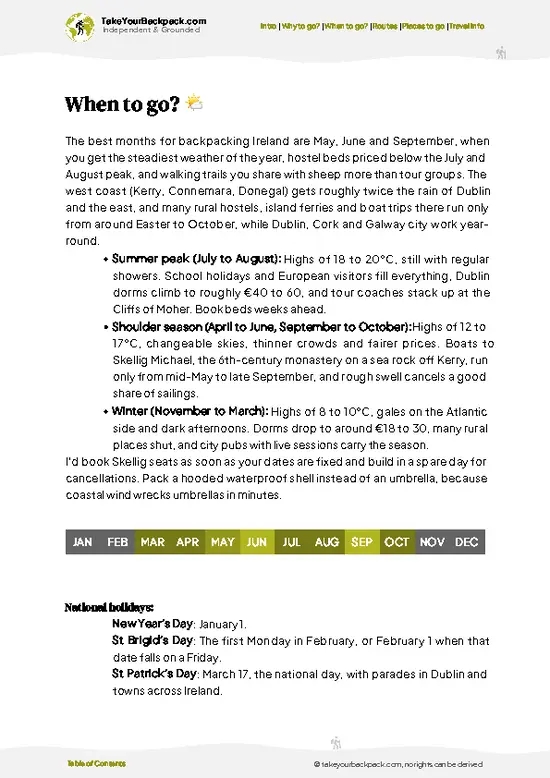
source: climatestotravel.comJANJanuary: below average for travelingFEBFebruary: below average for travelingMARMarch: fair for travelingAPRApril: good for travelingMAYMay: highly recommended for travelingJUNJune: excellent for travelingJULJuly: highly recommended for travelingAUGAugust: highly recommended for travelingSEPSeptember: highly recommended for travelingOCTOctober: good for travelingNOVNovember: fair for travelingDECDecember: below average for traveling
when-to-go

✈️ The backpacker research shortcutIreland Travel Guide

An offline-friendly backpacking guide with optimized travel routes, ranked highlights, transport advice, and the best areas to stay.
example page 0 from our offline Travel Guide for Ireland
example page 1 from our offline Travel Guide for Ireland
example page 2 from our offline Travel Guide for Ireland
example page 3 from our offline Travel Guide for Ireland
example page 4 from our offline Travel Guide for Ireland
example page 5 from our offline Travel Guide for Ireland
example page 6 from our offline Travel Guide for Ireland
example page 7 from our offline Travel Guide for Ireland
The digital guide (366 pages) contains:
✅ 103 highlights, ranked by travel appeal
✅ Optimized 5, 10 & 15-day travel routes
✅ Cities, national parks, landmarks, beaches
✅ How to get around
✅ Offline-friendly for travel without Wi-Fi
👉 Click to see all 30+ guide features

📅 Plan smarter in minutes, not weeks
✅ Month by month travel advice
✅ Festivals & national holidays
✅ Budget expectations

🗺️ Go to the right places, skip the overrated ones
✅ Honest pros & cons of destinations
✅ Top hikes, parks & viewpoints
✅ Lesser-known places most travelers miss
✅ Clear “worth it vs skip it” guidance

🛏️ Travel smoothly without rookie mistakes
✅ Best areas to stay
✅ Transport systems explained simply
✅ Common scams & safety advice
✅ SIM cards, money & practical tips

🌍 Understand the country, not just visit it
✅ Culture & traditions
✅ Local customs
✅ Festivals worth planning around
✅ Traveler-friendly historical context
✅ Insights that make places more meaningful

📱 Built for real travel conditions
✅ Fully downloadable PDF
✅ Works completely offline
✅ Optimized for phone use
✅ Useful in remote areas & buses
✅ Everything in one place
Stop searching, start planning
Get instant access to your full guide. 30‑day money-back guarantee.
+ Add another guide for just

By proceeding you agree to our terms.
Sent to your inbox immediately after payment • 100% Secure Checkout
Best Backpacking Travel Advisor 2025 tourism awardBest Backpacking
Travel Advisor
2025
What others say about Take Your Backpack Guides:
⭐⭐⭐⭐⭐
Fantastic, amazing amount of information!
⭐⭐⭐⭐⭐
My goodness this is amazing, it's what I've been looking for hats off too you!
⭐⭐⭐⭐⭐
I think this is absolutely BRILLIANT
⭐⭐⭐⭐
Very complete and informative. It's still missing places, but I gotta to commend you
⭐⭐⭐⭐⭐
This is truly amazing, thank you, can't wait to explore it with my kids!
⭐⭐⭐⭐⭐
Awesome resource, thank you!
⭐⭐⭐⭐⭐
This is amazing! Can't wait to explore the ones I haven't seen
⭐⭐⭐⭐
I love this! Well done, great idea.
⭐⭐⭐⭐⭐
Thanks for taking the time to make this gem!
⭐⭐⭐⭐⭐
This might be the best website I've ever seen.
⭐⭐⭐⭐⭐
Congratulations, and thank you so much for your work; it's incredibly valuable.
⭐⭐⭐⭐
In all seriousness I think you did a great job pointing out the important spots
⭐⭐⭐⭐⭐
10/10 very good
⭐⭐⭐⭐⭐
As someone who's only just starting to visit regularly this is awesome, thank you.
⭐⭐⭐⭐
Thank you very much! I'm going to visit my dad, it's going to be very useful!
⭐⭐⭐⭐⭐
This is really cool! We'll be travelling for the first time and this definitely come in handy.
⭐⭐⭐⭐⭐
You are now our minister of culture, congratulations 👨‍💼
⭐⭐⭐⭐⭐
Just wanted to tell you that this is a pearl! Going to follow your recommendations.
⭐⭐⭐⭐⭐
This is so cool. I'll definitely be using the resource for my travels soon.
⭐⭐⭐⭐⭐
This is very impressive! Good work.
⭐⭐⭐⭐⭐
This is an amazing and informative site. Very well done!

🛏️ Where to stay?Best areas to stay in Ireland

When you hit the Dingle Peninsula, you want to stay where the vibe is right and the locals are welcoming. Start with Dingle Town. It’s the beating heart of the peninsula, packed with lively pubs and music sessions that go late into the night. You’ll find fellow backpackers here, swapping stories over a pint of Guinness. The atmosphere is electric, and you can easily meet people to share adventures with.

Next up is Castlegregory. This charming village offers a more laid-back feel. It’s a great base for exploring the stunning beaches and hiking trails. The locals are friendly, and you’ll find cozy … read more 👉
When you hit the Dingle Peninsula, you want to stay where the vibe is right and the locals are welcoming. Start with Dingle Town. It’s the beating heart of the peninsula, packed with lively pubs and music sessions that go late into the night. You’ll find fellow backpackers here, swapping stories over a pint of Guinness. The atmosphere is electric, and you can easily meet people to share adventures with.

Next up is Castlegregory. This charming village offers a more laid-back feel. It’s a great base for exploring the stunning beaches and hiking trails. The locals are friendly, and you’ll find cozy cafes where you can recharge. Plus, it’s less touristy, so you’ll get a taste of authentic Irish life.

Don’t overlook Ballyferriter. It’s small but mighty, with breathtaking views of the Blasket Islands. The community is tight-knit, and you’ll often find events that bring everyone together. It’s perfect for those who want to immerse themselves in the culture without the hustle of bigger towns.

Each spot has its own charm, but they all share a sense of safety and camaraderie. Choose wisely, and you’ll unlock the true spirit of the Dingle Peninsula.

🚌 Getting aroundMoving around without the hassle

The Dingle Peninsula flows like a well-worn path through a wild landscape, where schedules bend to the whims of the weather and the locals’ moods. Here, time feels elastic; you might find yourself lingering over a pint in a cozy pub while the sun dips below the horizon, or taking a spontaneous detour to chase a rainbow. This isn’t a place for rigid itineraries; it’s about embracing the unexpected and letting the charm of the region guide you. So, whether you’re hopping from one quaint village to another or soaking in the breathtaking views, your transport choices will shape your experience.
  • Bus Éireann: The local bus service connects Dingle to Tralee and beyond. Buses run roughly every hour, with the first bus leaving Dingle at 7:30 AM and the last at 7:00 PM. Tickets are around €10, making
… read more 👉
The Dingle Peninsula flows like a well-worn path through a wild landscape, where schedules bend to the whims of the weather and the locals’ moods. Here, time feels elastic; you might find yourself lingering over a pint in a cozy pub while the sun dips below the horizon, or taking a spontaneous detour to chase a rainbow. This isn’t a place for rigid itineraries; it’s about embracing the unexpected and letting the charm of the region guide you. So, whether you’re hopping from one quaint village to another or soaking in the breathtaking views, your transport choices will shape your experience.
  • Bus Éireann: The local bus service connects Dingle to Tralee and beyond. Buses run roughly every hour, with the first bus leaving Dingle at 7:30 AM and the last at 7:00 PM. Tickets are around €10, making it a budget-friendly option. While it’s not the fastest ride, the scenic views make the journey worthwhile.
  • Local Taxis: Taxis are available for hire, but they can be pricey. Expect to pay around €15-€20 for short trips within Dingle. They’re a great option for late-night returns from pubs or if you’re in a hurry. Just be sure to book in advance, especially during peak tourist season.
  • Bicycle Rentals: Renting a bike is a fantastic way to explore the peninsula at your own pace. Prices typically range from €15-€25 per day. You can pedal along the coast, stopping whenever something catches your eye. Just be prepared for some hills; it’s not all flat terrain!
  • Walking: The best way to soak in the Dingle Peninsula’s beauty is on foot. Many trails connect the villages and scenic spots. It’s free, and you can take your time to enjoy the views and local culture. Just make sure to wear sturdy shoes and keep an eye on the weather!
  • Car Rentals: If you’re looking for flexibility, renting a car is ideal. Prices start around €30 per day. It allows you to explore off-the-beaten-path locations, but be aware of narrow roads and local driving habits. Early morning pick-ups are best to avoid crowds.

For a tactical tip: consider timing your bus rides to coincide with local events or festivals. This way, you’ll not only save on transport but also dive into the heart of Dingle’s vibrant community. Embrace the chaos, and let the rhythm of the peninsula guide your adventure!

🍲 FoodLocal Cuisine & Drinks

The Dingle Peninsula is a culinary playground where the sea meets the land, and every bite tells a story. Dive into fresh seafood, especially the local Dingle crab and mussels. They’re often served simply, letting the ocean’s flavor shine. Don’t miss out on Irish stew, a hearty mix of lamb, potatoes, and root vegetables, perfect after a day of hiking.

For drinks, the local craft beers are a must-try. Look for those brewed right in town; they often have a unique twist that reflects the rugged landscape. And if you’re feeling adventurous, sample some poitín, a traditional Irish spirit that packs a punch.

When it comes to dining, skip the tourist traps. Instead, seek out local markets where you can grab a freshly made sandwich or a bowl of seafood chowder. Cozy cafés serve up homemade pastries … read more 👉
The Dingle Peninsula is a culinary playground where the sea meets the land, and every bite tells a story. Dive into fresh seafood, especially the local Dingle crab and mussels. They’re often served simply, letting the ocean’s flavor shine. Don’t miss out on Irish stew, a hearty mix of lamb, potatoes, and root vegetables, perfect after a day of hiking.

For drinks, the local craft beers are a must-try. Look for those brewed right in town; they often have a unique twist that reflects the rugged landscape. And if you’re feeling adventurous, sample some poitín, a traditional Irish spirit that packs a punch.

When it comes to dining, skip the tourist traps. Instead, seek out local markets where you can grab a freshly made sandwich or a bowl of seafood chowder. Cozy cafés serve up homemade pastries that pair perfectly with a cup of strong Irish tea.

Dining here is relaxed. You’ll find locals chatting over pints, and it’s common to share a table. Don’t be shy—strike up a conversation. Just remember, it’s all about enjoying the moment, so take your time and savor every flavor.

FAQTraveler FAQ

2 to 3 days are sufficient to explore the Dingle Peninsula thoroughly. This allows time to drive or cycle the Slea Head Loop, visit key sites like Gallarus Oratory, and enjoy local pubs and beaches. Longer stays are recommended if hiking or exploring more remote areas.
You can get around the Dingle Peninsula without a car by using local bus services and bike rentals. Bus Éireann operates routes connecting Dingle town with nearby villages, though service frequency is limited, especially on weekends. Cycling is popular and practical for shorter distances, with rental shops available in Dingle town.
The Dingle Peninsula is known for its rugged coastal scenery, ancient archaeological sites, and vibrant traditional Irish culture. It features landmarks like the Blasket Islands, Slea Head Drive, and Gallarus Oratory. The area is also famous for its Gaelic-speaking communities and lively music scene.
⚠️ Things can change over time, so always validate details locally before you go.

Other Irish regions near Dingle Peninsula

Explore more nearby:

  • Aran Islands—windswept limestone, Gaelic language, stone forts| 116 km away
  • Wild Atlantic Way—coastal drive, surf beaches, rugged headlands| 118 km away
  • Achill Island—multiple beaches, rugged cliffs, remote villages| 207 km away

💡 Not sure where to go next?
Create a personalized itinerary for Ireland including Dingle Peninsula and the places that fit your trip.

Generate my itinerary

👉 Discover all regions

Or checkout all Ireland has to offer (think cities, towns, villages, national parks, hikes, beaches, festivals)
Country photo of Ireland

We 💚 feedbackSumming up the experience

Dingle Peninsula is a slice of raw beauty that feels like stepping into a painting. The rugged cliffs and vibrant local culture are a feast for the senses. But here’s the kicker: it can get crowded, especially in summer. If you want that authentic vibe, aim for the shoulder seasons. You’ll dodge the throngs and soak in the real charm. Trust me, the quieter moments are where the magic happens.

✈️ When did I visit Ireland?
Ireland was the last country of my 1.5 year travel around the world trip, which was July 2016. In July 2023 I visited Ireland again.

✍️ Help improve this page!
The information on this page is based on my own backpacking experience in Ireland, supplemented with up-to-date research and feedback from other travelers. Travel details can change, so if you notice anything outdated or incomplete, feel free to let me know.


🙋‍♂️ Give feedback

👋 Meet the founderWho’s Behind Take Your Backpack?

Johan, backpacker and founder of TakeYourBackpackHi, I’m Johan (Netherlands 🇳🇱), the creator of TakeYourBackpack. Over the past 3 decades, I’ve backpacked through 90+ countries across six continents, gaining extensive experience with independent travel, long-term trips, and overland routes.

This site is built on a combination of firsthand travel experience and carefully curated insights from other backpackers. Many guides are based on places I’ve personally visited, while others bring together tips, observations, and practical advice shared by trusted travelers I’ve met along the way.

The goal is to provide realistic, experience-driven guidance — not generic itineraries — so you can explore destinations with better context, clearer expectations, and more confidence.