×

Ireland🇮🇪 | regionsWild Atlantic Waycoastal drive, surf beaches, rugged headlands | things to do and best time to go

Explore Dingle PeninsulaExplore County Donegal

Backpacking in Wild Atlantic Way
🏆 Top pickregion ranked #1
By Johan Kruseman 🇳🇱 | Updated October 15, 2026

You land in Ireland and here’s the first real fork in the road: do you burn two extra days and a chunk of your budget crawling along the Wild Atlantic Way’s tiny coastal roads, or do you blitz it on buses and miss half the good stuff? That choice matters, because this route isn’t a single “sight”; it’s a 2,500 km west-coast obsession stretching from Donegal in the north to Cork in the south, and how you move decides whether you get magic or just mileage.

For backpackers, the Wild Atlantic Way is raw cliffs, cold-perfect beaches, trad music leaking out of pub doors, and small towns like Dingle, Westport, and Clifden that feel just touristy enough to function but still local after dark. It’s cheaper than Dublin, but not cheap; buses exist yet run on “when we get there” time. Compared with the east, you trade nightlife and convenience for weather roulette, slower hops between towns, and that smug, salty feeling of actually being out on the edge.

Discover everything you want to know in the 📖 Ireland Travel Guide.


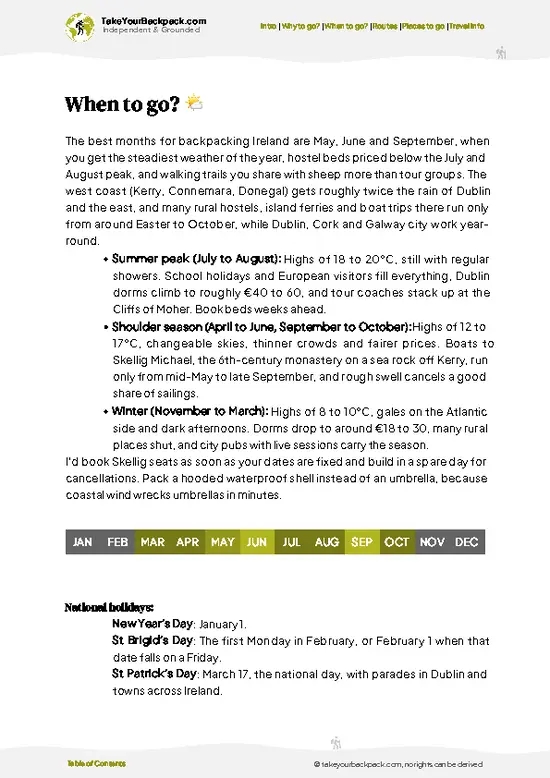
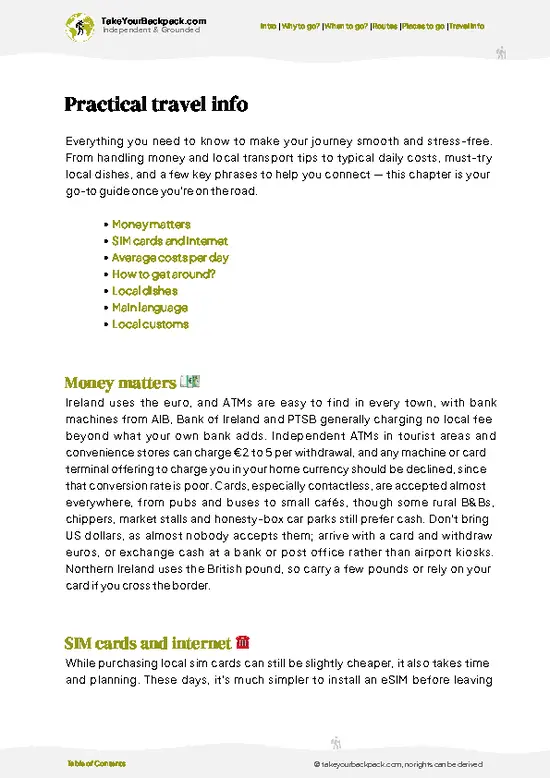
example page 0 from our offline Travel Guide for Ireland
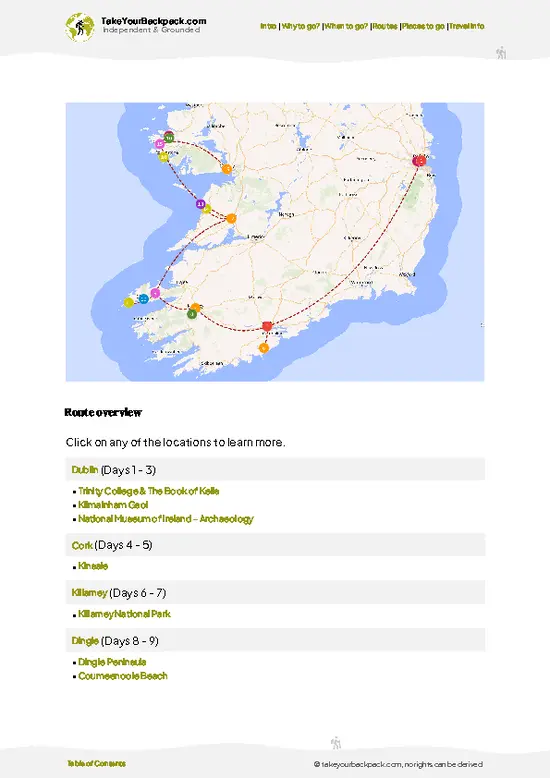
example page 1 from our offline Travel Guide for Ireland
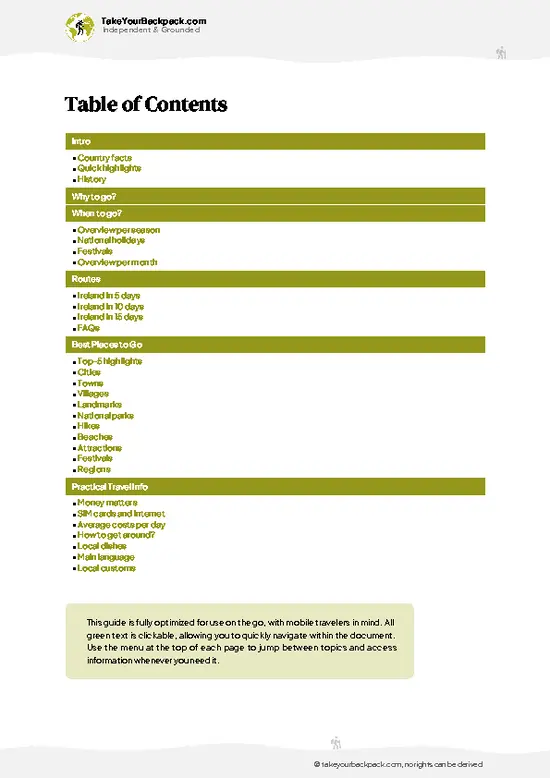
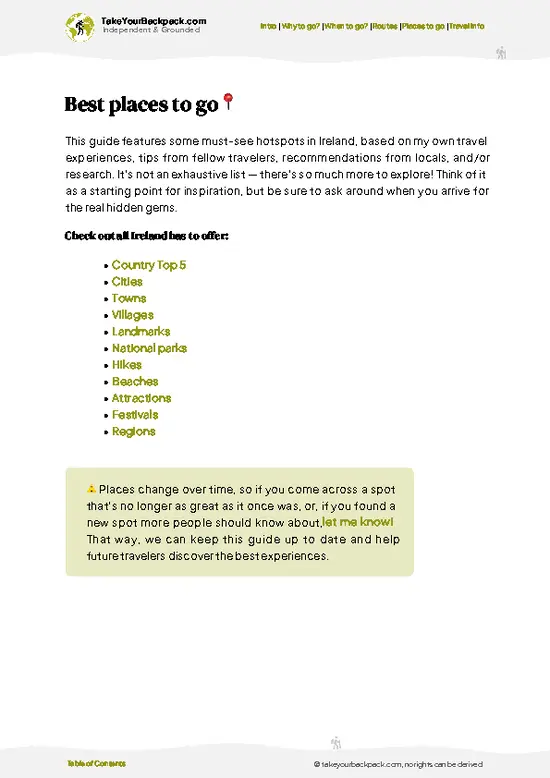
example page 2 from our offline Travel Guide for Ireland
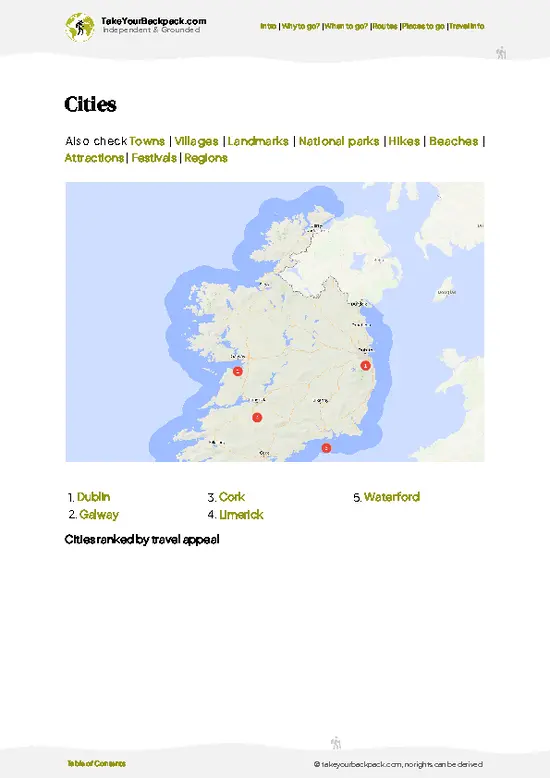
example page 3 from our offline Travel Guide for Ireland
example page 4 from our offline Travel Guide for Ireland
example page 5 from our offline Travel Guide for Ireland
example page 6 from our offline Travel Guide for Ireland
example page 7 from our offline Travel Guide for Ireland
Loading the map 🌍
CLICK TO FILTER
cities
towns
villages
landmarks
national parks
hikes
beaches
attractions
festivals
regions
SHOW COUNTRY’S BESTSHOW ALL

✨ Why go?
Ranked #1 region in Ireland
What makes this region worth visiting

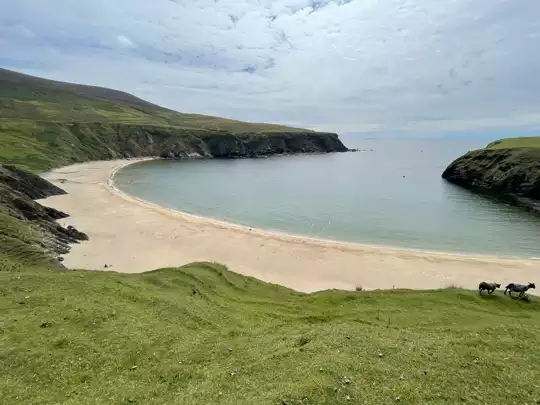
The Wild Atlantic Way in Ireland is a backpacker’s dream, and here’s why. First off, the variety of landscapes is mind-blowing. You’ve got rugged cliffs, sandy beaches, and lush green hills all in one stretch. It’s like nature’s buffet, and you can sample it all without the hassle of constant relocation.

Transport is a breeze. You can hop on a bus or rent a bike, giving you the flexibility to explore at your own pace. Want to linger at that quaint fishing village? Go for it. Prefer to chase the sunset over the cliffs? No problem. This isn’t just a road; it’s a slow travel experience that lets you soak in the culture and the scenery.

Mixing nature and culture is where the Wild Atlantic Way really shines. You can hike the stunning trails by day and then dive into local pubs for traditional … read more 👉
The Wild Atlantic Way in Ireland is a backpacker’s dream, and here’s why. First off, the variety of landscapes is mind-blowing. You’ve got rugged cliffs, sandy beaches, and lush green hills all in one stretch. It’s like nature’s buffet, and you can sample it all without the hassle of constant relocation.

Transport is a breeze. You can hop on a bus or rent a bike, giving you the flexibility to explore at your own pace. Want to linger at that quaint fishing village? Go for it. Prefer to chase the sunset over the cliffs? No problem. This isn’t just a road; it’s a slow travel experience that lets you soak in the culture and the scenery.

Mixing nature and culture is where the Wild Atlantic Way really shines. You can hike the stunning trails by day and then dive into local pubs for traditional music at night. It’s all about balance—adventure and relaxation, exploration and connection. So, pack your bag and hit the road; the Wild Atlantic Way is calling, and trust me, you’ll want to answer.

💡 HighlightsMust-see experiences and standout moments

  1. Slieve League (Sliabh Liag) Cliffs, County Donegal — Some of Europe’s highest sea cliffs, but without the coach-load madness of other spots. The views along the Bunglas trail and the walk down to the One Man’s Pass ridgeline feel raw and immediate: sheer rock, Atlantic surf and surprisingly few people. Personal favorite — go at golden hour and bring windproof layers.
  2. Glenveagh National Park and Glenveagh Castle, County Donegal — A remote mountain-lake landscape with a small Victorian castellated house and walled gardens. It’s a proper blend of wild hiking (bogs and peaks) and human history — estate stories, gardens planted in the middle of nowhere, and red deer roaming close to the road.
  3. Fanad Head Lighthouse, County Donegal — (Hidden gem) A tidy lighthouse on a narrow promontory with
… read more 👉
  1. Slieve League (Sliabh Liag) Cliffs, County Donegal — Some of Europe’s highest sea cliffs, but without the coach-load madness of other spots. The views along the Bunglas trail and the walk down to the One Man’s Pass ridgeline feel raw and immediate: sheer rock, Atlantic surf and surprisingly few people. Personal favorite — go at golden hour and bring windproof layers.
  2. Glenveagh National Park and Glenveagh Castle, County Donegal — A remote mountain-lake landscape with a small Victorian castellated house and walled gardens. It’s a proper blend of wild hiking (bogs and peaks) and human history — estate stories, gardens planted in the middle of nowhere, and red deer roaming close to the road.
  3. Fanad Head Lighthouse, County Donegal — (Hidden gem) A tidy lighthouse on a narrow promontory with dramatic promontory walks and almost always fewer visitors than the big-name cliffs. It’s an excellent stop for light shows, seals offshore, and a strong cup of local tea if you time it right.
  4. Ceide Fields, County Mayo — (Hidden gem) The world’s most extensive Stone Age field system, preserved under peat and visible from boardwalks and a smart small visitor centre. It feels uniquely Atlantic — archaeology set against a windswept bog and the sea on the horizon — not something you’ll find replicated easily elsewhere.
  5. Achill Island — Keem Bay & Slievemore Deserted Village, County Mayo — Keem Bay is a postcard beach tucked between cliffs; nearby the Slievemore Deserted Village is a haunting cluster of old stone cottages on the slopes, frozen in time. Great for mixing a clear swim, a cliff walk and a dose of island history in one stop.
  6. Downpatrick Head and the Dún Briste Sea Stack, County Mayo — A dramatic sea stack standing apart from sheer coastal cliffs, with the ruins of a small early Christian ecclesiastical site nearby. It’s compact, atmospheric and easier to experience quietly than the busiest cliff walks.
  7. Cliffs of Moher & Hag’s Head Coastal Walk, County Clare — Ireland’s headline cliffscape for a reason: endless vertical drops, seabird colonies and those iconic profiles. Skip the busiest viewing platform and walk toward Hag’s Head (south end) for fewer people and better photo angles; combine with a coastal stroll to feel the scale properly.
  8. The Burren and Poulnabrone Dolmen, County Clare — A lunar-like limestone karst carpeted with rare wildflowers in spring and dotted with ancient tombs. The juxtaposition of stark rock and delicate orchids, plus old stone walls and hidden archaeological sites, gives the Burren an unmistakable character.
  9. Great Blasket Island (boat from Dingle), County Kerry — A sparsely populated island with a strong literary and Gaelic heritage; old village ruins, quiet trails and a tiny museum tell stories of an isolated community with a big cultural footprint. Overnight stays or day trips deliver a real sense of island life that’s not recreated on the mainland.
  10. Skellig Michael (Sceilg Mhichíl), County Kerry — A steep, remote monastic island with beehive cells clinging to basalt steps—this place feels otherworldly and ancient. Landing is weather-dependent and seasonal, which keeps numbers down: the isolation is part of the experience, and the climb rewards you with striking history and seabird life.
Spotted a mistake or missing something? Contact us.

Things to do around Wild Atlantic Way

Ratings based on Tripadvisor reviews. When you book through this link, you support our work at no extra cost to you.

⌛️ 5 days5-day itinerary for Wild Atlantic Way

Day 1: Galway
Kick off your adventure in Galway, the vibrant heart of the Wild Atlantic Way. This city is your launchpad, with its lively streets and rich culture. Spend the morning wandering through the Latin Quarter, soaking in the street performances and local art. The bus and train connections here are solid, making it easy to hop on to your next destination. Grab a hearty lunch at a local café before heading to the Cliffs of Moher in the afternoon. The cliffs are a must-see, and the late afternoon light casts a magical glow, perfect for photos.

Day 2: Cliffs of Moher to Doolin
After soaking in the cliffs, take a short bus ride to Doolin, a charming village known for its traditional music. This leg is short but sweet, allowing you to savor the local pubs and maybe catch a live session. … read more 👉
Day 1: Galway
Kick off your adventure in Galway, the vibrant heart of the Wild Atlantic Way. This city is your launchpad, with its lively streets and rich culture. Spend the morning wandering through the Latin Quarter, soaking in the street performances and local art. The bus and train connections here are solid, making it easy to hop on to your next destination. Grab a hearty lunch at a local café before heading to the Cliffs of Moher in the afternoon. The cliffs are a must-see, and the late afternoon light casts a magical glow, perfect for photos.

Day 2: Cliffs of Moher to Doolin
After soaking in the cliffs, take a short bus ride to Doolin, a charming village known for its traditional music. This leg is short but sweet, allowing you to savor the local pubs and maybe catch a live session. The transport here is straightforward, with buses running frequently. Doolin is also the gateway to the Aran Islands, so consider a ferry ride if time allows.

Day 3: Doolin to Lahinch
A quick jaunt to Lahinch offers stunning coastal views and a chance to hit the beach. The bus ride is brief, leaving you plenty of time to explore. Lahinch is known for its surf culture, so if you’re feeling adventurous, rent a board or take a lesson.

Day 4: Lahinch to Tralee
This day is a bit longer, but it’s worth it. The bus ride to Tralee takes you through the scenic countryside. Once there, visit the Tralee Bay Wetlands for a peaceful escape. The transport options are less frequent, so plan accordingly.

Day 5: Tralee to Killarney
Finish strong with a trip to Killarney. The bus ride is about an hour, and once you arrive, the Killarney National Park awaits. Rent a bike and explore the park’s stunning landscapes.

Off-Path Reward: While in Doolin, take a detour to the lesser-known Aillwee Cave. It’s a fascinating underground world that adds a unique twist to your trip without straying too far from your route.

The must-do day? Day 2 in Doolin. The combination of music, culture, and the proximity to the cliffs makes it the heart of your Wild Atlantic Way experience.

🌤️ When to go?When to go for the best experience

  • Topic: Weather - The Wild Atlantic Way is famously unpredictable. Summers (June to August) hover around 15-20°C (59-68°F), offering the best chance for dry days, but rain can sneak in anytime. Spring and early autumn bring cooler temps (10-15°C / 50-59°F) and more wind, but fewer downpours.
  • Topic: Daylight Hours - Long summer days stretch daylight up to 17 hours, perfect for squeezing in extra miles or scenic stops. By late autumn, daylight shrinks to about 8-9 hours, which means earlier nights and less hiking time.
  • Topic: Crowds - Peak summer means busier trails and packed hostels, especially July and August. Shoulder seasons (May, September) offer a quieter vibe, letting you enjoy the coast without elbowing through selfie sticks.
  • Topic: Seasonal Activities - Summer hosts festivals and
… read more 👉
  • Topic: Weather - The Wild Atlantic Way is famously unpredictable. Summers (June to August) hover around 15-20°C (59-68°F), offering the best chance for dry days, but rain can sneak in anytime. Spring and early autumn bring cooler temps (10-15°C / 50-59°F) and more wind, but fewer downpours.
  • Topic: Daylight Hours - Long summer days stretch daylight up to 17 hours, perfect for squeezing in extra miles or scenic stops. By late autumn, daylight shrinks to about 8-9 hours, which means earlier nights and less hiking time.
  • Topic: Crowds - Peak summer means busier trails and packed hostels, especially July and August. Shoulder seasons (May, September) offer a quieter vibe, letting you enjoy the coast without elbowing through selfie sticks.
  • Topic: Seasonal Activities - Summer hosts festivals and open-air events, while spring and autumn bring bird migrations and calmer seas for kayaking. Winter’s rough weather limits outdoor options but rewards with dramatic landscapes and solitude.
  • Topic: Price Fluctuations - Accommodation and transport costs spike in summer, sometimes doubling compared to off-peak months. Booking early or aiming for shoulder seasons can save you serious cash without sacrificing much.
Pro-tip: Hit the Wild Atlantic Way in late May or early September—mild weather, manageable crowds, and wallet-friendly rates combine for a backpacker’s sweet spot.


source: climatestotravel.comJANJanuary: fair for travelingFEBFebruary: fair for travelingMARMarch: good for travelingAPRApril: good for travelingMAYMay: excellent for travelingJUNJune: highly recommended for travelingJULJuly: good for travelingAUGAugust: good for travelingSEPSeptember: excellent for travelingOCTOctober: good for travelingNOVNovember: fair for travelingDECDecember: fair for traveling
ireland-region-wild-atlantic-way
© Google | Slobodan Popović

✈️ The backpacker research shortcutIreland Travel Guide

An offline-friendly backpacking guide with optimized travel routes, ranked highlights, transport advice, and the best areas to stay.
example page 0 from our offline Travel Guide for Ireland
example page 1 from our offline Travel Guide for Ireland
example page 2 from our offline Travel Guide for Ireland
example page 3 from our offline Travel Guide for Ireland
example page 4 from our offline Travel Guide for Ireland
example page 5 from our offline Travel Guide for Ireland
example page 6 from our offline Travel Guide for Ireland
example page 7 from our offline Travel Guide for Ireland
The digital guide (366 pages) contains:
✅ 103 highlights, ranked by travel appeal
✅ Optimized 5, 10 & 15-day travel routes
✅ Cities, national parks, landmarks, beaches
✅ How to get around
✅ Offline-friendly for travel without Wi-Fi
👉 Click to see all 30+ guide features

📅 Plan smarter in minutes, not weeks
✅ Month by month travel advice
✅ Festivals & national holidays
✅ Budget expectations

🗺️ Go to the right places, skip the overrated ones
✅ Honest pros & cons of destinations
✅ Top hikes, parks & viewpoints
✅ Lesser-known places most travelers miss
✅ Clear “worth it vs skip it” guidance

🛏️ Travel smoothly without rookie mistakes
✅ Best areas to stay
✅ Transport systems explained simply
✅ Common scams & safety advice
✅ SIM cards, money & practical tips

🌍 Understand the country, not just visit it
✅ Culture & traditions
✅ Local customs
✅ Festivals worth planning around
✅ Traveler-friendly historical context
✅ Insights that make places more meaningful

📱 Built for real travel conditions
✅ Fully downloadable PDF
✅ Works completely offline
✅ Optimized for phone use
✅ Useful in remote areas & buses
✅ Everything in one place
Stop searching, start planning
Get instant access to your full guide. 30‑day money-back guarantee.
+ Add another guide for just

By proceeding you agree to our terms.
Sent to your inbox immediately after payment • 100% Secure Checkout
Best Backpacking Travel Advisor 2025 tourism awardBest Backpacking
Travel Advisor
2025
What others say about Take Your Backpack Guides:
⭐⭐⭐⭐⭐
Fantastic, amazing amount of information!
⭐⭐⭐⭐⭐
My goodness this is amazing, it's what I've been looking for hats off too you!
⭐⭐⭐⭐⭐
I think this is absolutely BRILLIANT
⭐⭐⭐⭐
Very complete and informative. It's still missing places, but I gotta to commend you
⭐⭐⭐⭐⭐
This is truly amazing, thank you, can't wait to explore it with my kids!
⭐⭐⭐⭐⭐
Awesome resource, thank you!
⭐⭐⭐⭐⭐
This is amazing! Can't wait to explore the ones I haven't seen
⭐⭐⭐⭐
I love this! Well done, great idea.
⭐⭐⭐⭐⭐
Thanks for taking the time to make this gem!
⭐⭐⭐⭐⭐
This might be the best website I've ever seen.
⭐⭐⭐⭐⭐
Congratulations, and thank you so much for your work; it's incredibly valuable.
⭐⭐⭐⭐
In all seriousness I think you did a great job pointing out the important spots
⭐⭐⭐⭐⭐
10/10 very good
⭐⭐⭐⭐⭐
As someone who's only just starting to visit regularly this is awesome, thank you.
⭐⭐⭐⭐
Thank you very much! I'm going to visit my dad, it's going to be very useful!
⭐⭐⭐⭐⭐
This is really cool! We'll be travelling for the first time and this definitely come in handy.
⭐⭐⭐⭐⭐
You are now our minister of culture, congratulations 👨‍💼
⭐⭐⭐⭐⭐
Just wanted to tell you that this is a pearl! Going to follow your recommendations.
⭐⭐⭐⭐⭐
This is so cool. I'll definitely be using the resource for my travels soon.
⭐⭐⭐⭐⭐
This is very impressive! Good work.
⭐⭐⭐⭐⭐
This is an amazing and informative site. Very well done!

🛏️ Where to stay?Best areas and accommodation options

The Wild Atlantic Way is a backpacker’s dream, packed with vibrant towns and stunning landscapes. Let’s dive into the best spots where you can stretch your budget and soak up the local vibe.

Start in Galway. This city pulses with energy, especially around Quay Street. Street performers, cozy pubs, and a youthful crowd make it a social hub. You’ll find plenty of budget-friendly eateries and a lively nightlife. Plus, it’s a great base for day trips to Connemara.

Next up is Doolin. This small village is famous for its traditional music scene. It’s safe, welcoming, and perfect for solo travelers. … read more 👉
The Wild Atlantic Way is a backpacker’s dream, packed with vibrant towns and stunning landscapes. Let’s dive into the best spots where you can stretch your budget and soak up the local vibe.

Start in Galway. This city pulses with energy, especially around Quay Street. Street performers, cozy pubs, and a youthful crowd make it a social hub. You’ll find plenty of budget-friendly eateries and a lively nightlife. Plus, it’s a great base for day trips to Connemara.

Next up is Doolin. This small village is famous for its traditional music scene. It’s safe, welcoming, and perfect for solo travelers. The Cliffs of Moher are just a stone’s throw away, so you can hike and then unwind with a pint while listening to local tunes.

Don’t overlook Kinsale. This charming town offers colorful streets and a relaxed atmosphere. It’s a bit pricier, but the seafood is worth it. You can mingle with fellow travelers in the local cafes and enjoy the coastal views.

Finally, consider Westport. It’s a gateway to Croagh Patrick and has a friendly vibe. The town is compact, making it easy to explore on foot. You’ll find a mix of outdoor activities and social spots to connect with other backpackers.

Choose wisely, and you’ll create memories that last long after the trip ends.

🚌 Getting aroundHow to get around Wild Atlantic Way

The Wild Atlantic Way is a dance of spontaneity and rugged beauty. Picture this: you’re cruising along the coast, the wind whipping through your hair, and the ocean crashing against the cliffs. It’s not about rigid schedules here; it’s about feeling the rhythm of the land. Sure, there are timetables, but they often feel like mere suggestions. The real magic happens when you let the landscape guide you, stopping for a pint in a local pub or taking an unexpected detour to a secluded beach. This is a place where intuition reigns, and every twist in the road could lead to a new adventure.
  • Bus Éireann: The backbone of public transport along the Wild Atlantic Way. Buses run regularly between major towns like Galway and Doolin. Prices start around €10, and the journey can take 2-3 hours depending
… read more 👉
The Wild Atlantic Way is a dance of spontaneity and rugged beauty. Picture this: you’re cruising along the coast, the wind whipping through your hair, and the ocean crashing against the cliffs. It’s not about rigid schedules here; it’s about feeling the rhythm of the land. Sure, there are timetables, but they often feel like mere suggestions. The real magic happens when you let the landscape guide you, stopping for a pint in a local pub or taking an unexpected detour to a secluded beach. This is a place where intuition reigns, and every twist in the road could lead to a new adventure.
  • Bus Éireann: The backbone of public transport along the Wild Atlantic Way. Buses run regularly between major towns like Galway and Doolin. Prices start around €10, and the journey can take 2-3 hours depending on your route. It’s comfortable enough for a scenic ride, but don’t expect luxury.
  • Local Taxis: A bit pricier, but they can be a lifesaver if you’re in a pinch. Expect to pay around €1.50 per kilometer. They’re great for short hops or late-night returns when buses aren’t running. Just be sure to negotiate the fare beforehand to avoid surprises.
  • Car Rentals: If you’re looking for freedom, this is your ticket. Prices can range from €30-€70 per day, depending on the season and vehicle type. You’ll have the flexibility to explore hidden spots at your own pace, but factor in fuel and insurance costs. Just remember, the roads can be narrow and winding!
  • Bicycle Rentals: For the adventurous spirit, cycling offers a unique way to soak in the scenery. Rentals typically cost around €15-€25 per day. You’ll feel the burn, but the payoff is worth it as you glide past stunning vistas and quaint villages. Just be prepared for some steep climbs!
  • Ferries: If you’re headed to the Aran Islands or exploring the coastline, ferries are essential. Prices vary, but expect to pay around €20-€30 for a round trip. They’re a fun way to see the coast from a different angle, and the ride itself can be a highlight.

For a smooth journey across the Wild Atlantic Way, consider timing your travel around local events or festivals. Not only will you experience the culture, but you’ll also find that transport options are often more frequent during these times. Plus, you might just stumble upon a local gathering that makes your trip even richer.

🍲 FoodWhat to Eat & Drink

The Wild Atlantic Way is a feast for the senses. Picture this: the salty air mingling with the aroma of fresh seafood from the Atlantic. You can’t visit without trying fish and chips—crispy, golden, and served with a side of tartar sauce that packs a punch. Don’t skip the Irish stew, a hearty blend of lamb, potatoes, and root vegetables, simmered to perfection.

For drinks, the local craft beers are a must. Seek out small breweries where you can sip on a pint of stout or a zesty IPA while chatting with locals. And if you’re feeling adventurous, try a shot of poitín, a traditional Irish spirit that’ll warm you right up.

When it comes to dining, skip the tourist traps. Instead, head to bustling markets where vendors serve up street food—think seafood chowder in a bread bowl or soda bread slathered … read more 👉
The Wild Atlantic Way is a feast for the senses. Picture this: the salty air mingling with the aroma of fresh seafood from the Atlantic. You can’t visit without trying fish and chips—crispy, golden, and served with a side of tartar sauce that packs a punch. Don’t skip the Irish stew, a hearty blend of lamb, potatoes, and root vegetables, simmered to perfection.

For drinks, the local craft beers are a must. Seek out small breweries where you can sip on a pint of stout or a zesty IPA while chatting with locals. And if you’re feeling adventurous, try a shot of poitín, a traditional Irish spirit that’ll warm you right up.

When it comes to dining, skip the tourist traps. Instead, head to bustling markets where vendors serve up street food—think seafood chowder in a bread bowl or soda bread slathered with homemade butter. Cozy cafés are perfect for a quick bite, often filled with the chatter of locals catching up over tea and scones.

Etiquette? Keep it casual. Don’t be surprised if you’re invited to share a table. It’s all about community here. Just remember to say “sláinte” before taking that first sip!

FAQTraveler FAQ

7 to 10 days are recommended to explore the Wild Atlantic Way thoroughly, covering key highlights from Donegal to Cork. This allows time for hiking, visiting coastal villages, and enjoying scenic drives without rushing. Shorter trips can focus on specific sections, but a full experience requires about a week.
Getting around the Wild Atlantic Way without a car is possible using regional bus services like Bus Éireann, which connect major towns along the route. Some areas also offer local shuttle services and guided tours, but public transport can be infrequent, so planning ahead is essential. Cycling is another option for shorter distances between towns.
The Wild Atlantic Way is known for its dramatic coastal landscapes, including cliffs, beaches, and rugged terrain. It features iconic sites like the Cliffs of Moher, Ring of Kerry, and Slieve League cliffs, attracting hikers, surfers, and nature lovers. The route also highlights traditional Irish culture and seafood cuisine.
⚠️ Things can change over time, so always validate details locally before you go.

Other Irish regions near Wild Atlantic Way

Explore more nearby:

  • Aran Islands—windswept limestone, Gaelic language, stone forts| 4 km away
  • Achill Island—multiple beaches, rugged cliffs, remote villages| 108 km away
  • Dingle Peninsula—cliffside roads, fishing villages, prehistoric sites| 118 km away

💡 Not sure where to go next?
Create a personalized itinerary for Ireland including Wild Atlantic Way and the places that fit your trip.

Generate my itinerary

👉 Discover all regions

Or checkout all Ireland has to offer (think cities, towns, villages, national parks, hikes, beaches, festivals)
Country photo of Ireland

We 💚 feedbackSumming up the experience

The Wild Atlantic Way is a treasure trove of raw beauty. Picture this: jagged cliffs, crashing waves, and the scent of salty air. It’s like nature’s own symphony. But here’s the kicker—getting around can be a slog. Public transport is sparse, so you might need to rent a car or bike. Embrace the freedom, but be ready for some long drives. It’s all part of the adventure, right? Just plan wisely, and you’ll be golden.

✈️ When did I visit Ireland?
Ireland was the last country of my 1.5 year travel around the world trip, which was July 2016. In July 2023 I visited Ireland again.

✍️ Help improve this page!
The information on this page is based on my own backpacking experience in Ireland, supplemented with up-to-date research and feedback from other travelers. Travel details can change, so if you notice anything outdated or incomplete, feel free to let me know.


🙋‍♂️ Give feedback

👋 Meet the founderWho’s Behind Take Your Backpack?

Johan, backpacker and founder of TakeYourBackpackHi, I’m Johan (Netherlands 🇳🇱), the creator of TakeYourBackpack. Over the past 3 decades, I’ve backpacked through 90+ countries across six continents, gaining extensive experience with independent travel, long-term trips, and overland routes.

This site is built on a combination of firsthand travel experience and carefully curated insights from other backpackers. Many guides are based on places I’ve personally visited, while others bring together tips, observations, and practical advice shared by trusted travelers I’ve met along the way.

The goal is to provide realistic, experience-driven guidance — not generic itineraries — so you can explore destinations with better context, clearer expectations, and more confidence.