v2.webp)

- The Golden Dome — a visual knockout: The gleaming, gold-covered dome is what everybody pictures when they think of the site. It’s not just shiny; its scale, colour and setting on the Temple Mount make it a beacon across Jerusalem and a powerful visual symbol with centuries of history behind the surface gilding.
- The Foundation Stone (al-Sakhra): The exposed rock under the dome is the spiritual and literal core of the building — tied to the Prophet’s Night Journey in Islam and to key narratives in Judaism and Christianity. Standing near it gives you a weird, quiet sense of layers of belief and time stacked on one tiny piece of stone. (Personal favourite — the weight of history there always sticks with me.)
- Interior mosaics and marble: Up close the interior is unexpectedly lush — intricate
- The Golden Dome — a visual knockout: The gleaming, gold-covered dome is what everybody pictures when they think of the site. It’s not just shiny; its scale, colour and setting on the Temple Mount make it a beacon across Jerusalem and a powerful visual symbol with centuries of history behind the surface gilding.
- The Foundation Stone (al-Sakhra): The exposed rock under the dome is the spiritual and literal core of the building — tied to the Prophet’s Night Journey in Islam and to key narratives in Judaism and Christianity. Standing near it gives you a weird, quiet sense of layers of belief and time stacked on one tiny piece of stone. (Personal favourite — the weight of history there always sticks with me.)
- Interior mosaics and marble: Up close the interior is unexpectedly lush — intricate glass-and-stone mosaics, patterned marble panels and geometric floors. They date back to early Islamic craftsmen borrowing Byzantine techniques, which makes the decoration both beautiful and historically important.
- Octagonal plan and architectural geometry: The Dome’s eight-sided layout and the way the dome rises from a circular drum is an elegant engineering and aesthetic choice. It’s a textbook example of early Islamic architecture blending form and function — the geometry creates a calm, focused interior space.
- Quranic inscriptions and calligraphy: A wide band of elegant script runs around the interior; the texts, mainly Qur’anic, are both decorative and declarative. The calligraphy is an early example of how words were woven into sacred architecture, so you’re seeing art that’s also a theological statement.
- The Haram al-Sharif platform and courtyard life: The Dome sits on a massive raised platform with broad courtyards, colonnades and other structures (like al-Aqsa). The engineering of the platform and the rhythm of worshippers and pilgrims make the whole complex feel alive — it’s as much about the surrounding space as the building itself.
- Views and the Old City backdrop: From the Temple Mount edges you get dramatic angles of the Old City: the Western Wall below, the city rooftops and narrow lanes beyond. It’s one of the best places for photo contrasts — ancient stone, holy sites, and that dome catching the light at sunrise or sunset. (Heads up: access rules and visiting hours change, so plan ahead if you want to go inside or time golden-hour shots.)
Spotted a mistake or missing something? Contact us.

JERUSALEM private tour with ELAD VAZANA - Life in Israel & Palestine Then & Now

Jerusalem Half Day Tour: Holy Sepulchre and Western Wall
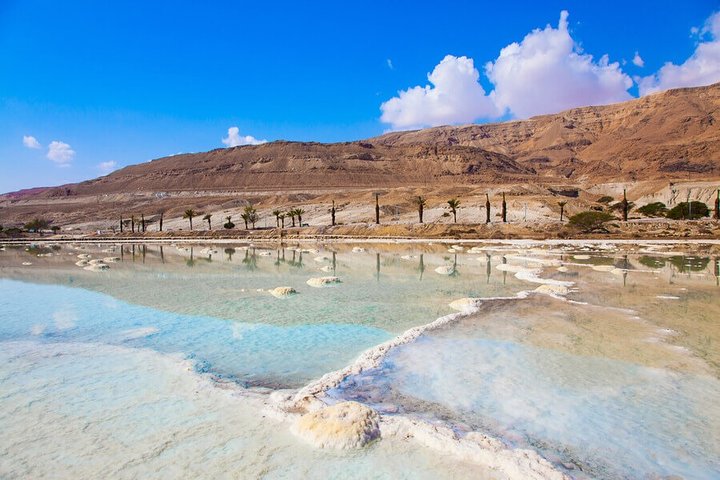
Jerusalem and the Dead Sea Tour

Private Tour: Old City of Jerusalem Christianity Tour

Jerusalem Temple Mount & Dome of the Rock
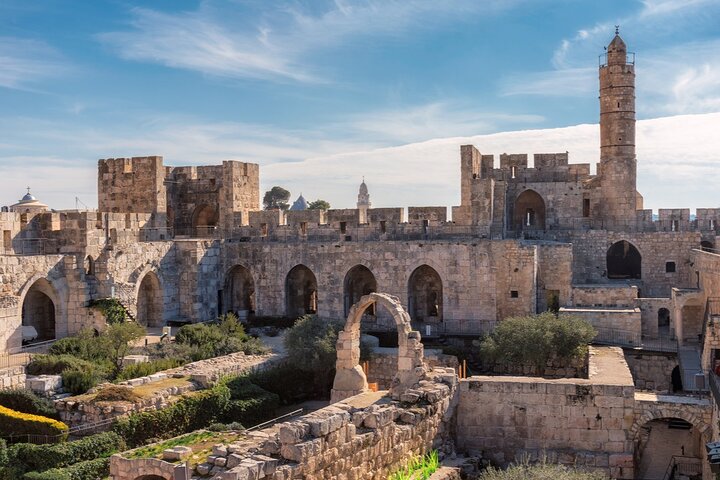
Cultural Clash in Jerusalem: Self-Guided Puzzle Quest

Fun and Meaningful Day Holy Land Tours

Private Tour to the Old City of Jerusalem

The Three Religions - Old City of Jerusalem and City of David

 Best Backpacking
.jpg) Hi, I’m Johan (Netherlands 🇳🇱), the creator of TakeYourBackpack. Over the past decade, I’ve backpacked through 80+ countries across six continents, gaining extensive experience with independent travel, long-term trips, and overland routes.
Hi, I’m Johan (Netherlands 🇳🇱), the creator of TakeYourBackpack. Over the past decade, I’ve backpacked through 80+ countries across six continents, gaining extensive experience with independent travel, long-term trips, and overland routes.