×

Italy🇮🇹 | regionsDolomitesjagged peaks, alpine meadows, mountain refuges | things to do and best time to go

Explore Costiera AmalfitanaExplore Lake Como

Backpacking in Dolomites
UNESCO World Heritage site
🏆 Top pickregion ranked #2
By Johan Kruseman 🇳🇱 | Updated September 4, 2026

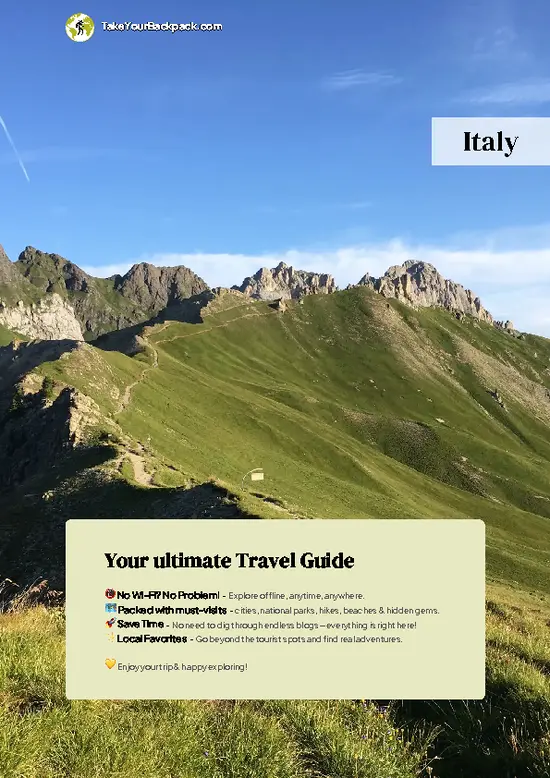
Ten, fifteen years ago the Dolomites felt like a rumor passed between climbers and German hikers: cheap rifugi, half-empty trails, old guys in wool socks drinking grappa at 9 a.m. Now it’s Instagram-famous and you feel it—higher prices, busier buses, and photo queues at the big-name lakes. You’re in Italy’s northeast, straddling South Tyrol, Trentino, and Belluno, where pasta meets schnitzel and trail signs are in three languages. For backpackers, it’s a trade: outrageous rock spires, via ferrata, and hut-to-hut routes in places like Val Gardena, Cortina, and the Tre Cime area, but with Alpine prices and sometimes clunky bus links between valleys. Compared with the cheaper, looser-feeling Alps around Friuli or the more “Italian-chaotic” lakes near Garda, the Dolomites are cleaner, more organized, and more curated—sometimes to the point of feeling like a very scenic theme park. Still, step one valley off the main circuits and it suddenly feels real again.

Discover everything you want to know in the 📖 Italy Travel Guide.


Get your Italy guide
143 ranked highlights, routes & tips, works offline (526 pages)
Loading the map 🌍
CLICK TO FILTER
cities
towns
villages
landmarks
national parks
hikes
beaches
attractions
festivals
regions
SHOW COUNTRY’S BESTSHOW ALL

✨ Why go?
Ranked #2 region in Italy
What makes this region worth visiting

The Dolomites are a backpacker’s playground, and here’s why savvy travelers keep coming back. First off, the variety of landscapes is mind-blowing. You can hike through jagged peaks, lush valleys, and serene lakes all in one trip. It’s like having multiple destinations rolled into one.

Then there’s the transport flexibility. Public transport here is surprisingly reliable, making it easy to hop from one stunning spot to another without the hassle of constant relocation. You can set up camp in one area and explore different trails, soaking in the scenery without the stress of packing up every night.

What really sets the Dolomites apart is the chance to mix nature and culture. You can spend your mornings trekking through breathtaking trails and your afternoons sipping espresso in charming mountain … read more 👉
The Dolomites are a backpacker’s playground, and here’s why savvy travelers keep coming back. First off, the variety of landscapes is mind-blowing. You can hike through jagged peaks, lush valleys, and serene lakes all in one trip. It’s like having multiple destinations rolled into one.

Then there’s the transport flexibility. Public transport here is surprisingly reliable, making it easy to hop from one stunning spot to another without the hassle of constant relocation. You can set up camp in one area and explore different trails, soaking in the scenery without the stress of packing up every night.

What really sets the Dolomites apart is the chance to mix nature and culture. You can spend your mornings trekking through breathtaking trails and your afternoons sipping espresso in charming mountain towns. This blend of experiences encourages slow travel, allowing you to savor every moment instead of rushing through a checklist.

So, if you’re looking for a place where you can truly immerse yourself in both the wild and the local culture, the Dolomites are calling. Trust me, you’ll leave feeling like you’ve uncovered a slice of Italy that’s all your own.
Want to include Dolomites in your Italy route?
Create a personalized Italy itinerary that includes Dolomites and the places that fit your trip — based on your travel style, budget, and available time. Get your route in seconds.

Generate my trip

💡 HighlightsPlaces and moments you shouldn't skip

  • Tre Cime di Lavaredo: The classic Dolomites skyline — three massive limestone towers you can walk a jaw-dropping rim loop around in a few hours. It is busy, sure, but the scale and the grazing alpine huts make the geology and the hikes feel uniquely Dolomite; go sunrise if you can and avoid the midday crowds.
  • Seceda Ridge (Ortisei): That serrated, otherworldly ridge that looks like someone carved teeth out of rock. Cable car up from Ortisei, then grassy meadows and exposed ridgelines with panoramic views that photographers and hikers both dream about. (Personal favorite — light and silence up there feel unmatched.)
  • Marmolada Glacier & Great War trenches: The highest peak in the Dolomites, with a fading glacier and raw vertical faces. It’s also where the mountain front of World War I left
read more 👉
  • Tre Cime di Lavaredo: The classic Dolomites skyline — three massive limestone towers you can walk a jaw-dropping rim loop around in a few hours. It is busy, sure, but the scale and the grazing alpine huts make the geology and the hikes feel uniquely Dolomite; go sunrise if you can and avoid the midday crowds.
  • Seceda Ridge (Ortisei): That serrated, otherworldly ridge that looks like someone carved teeth out of rock. Cable car up from Ortisei, then grassy meadows and exposed ridgelines with panoramic views that photographers and hikers both dream about. (Personal favorite — light and silence up there feel unmatched.)
  • Marmolada Glacier & Great War trenches: The highest peak in the Dolomites, with a fading glacier and raw vertical faces. It’s also where the mountain front of World War I left real tunnel systems and artifacts — a landscape where natural drama and heavy history meet. Expect cable cars and strong sun at altitude.
  • Alpe di Siusi / Seiser Alm: Europe’s largest high-altitude meadow: soft pastures, scattered huts, cowbells and dramatic mountain backdrops. It’s a gentle, accessible slice of Dolomite pastoral life — perfect for lazy multi-hour walks, bike loops, and sampling local cheeses.
  • Cinque Torri: A compact cluster of freestanding rock towers that are excellent for short via ferratas, easy climbs and sunset light. Below them are restored WWI trenches and small museums, so you get alpine rock, climbing culture and wartime history in one stop.
  • Val di Funes & Church of Santa Maddalena: A slender, photogenic valley where the little wooden church sits perfectly in front of the jagged Odle (Geisler) peaks. It’s not just a postcard — the valley walks, mountain pasture culture and the light at dawn make it a quietly magical place.
  • Pale di San Martino & Paneveggio Forest: The blocky, cathedral-like Cimon della Pala in Pale di San Martino is pure Dolomite drama. Nearby Paneveggio is famous as the “forest of violins” — the spruce here is prized by luthiers, so you get weirdly intimate cultural trivia alongside excellent hiking and deer spotting.
  • Passo Giau (hidden gem): A high, wind-swept pass with one of the Dolomites’ best unobstructed panoramas — rugged ridges, green cols and dramatically layered peaks without the big crowds. Great for short hikes, wildflower meadows and late-afternoon light; cyclists and photographers love it for good reason, locals keep coming back.
  • Lago di Sorapis: A milky-turquoise alpine lake tucked into a steep cirque — the color really looks unreal and the trail to get there feels suitably adventurous (narrow bits and chains). It’s a short but memorable hike; go early if you want the lake to yourself.
  • Monte Piana (hidden gem): Two flat plateaus that form an open-air WWI museum — trenches, rusting relics and cairn-marked battle lines you can walk through and actually read on the ground. The route is simple, the views are solemn and the place keeps a hush that big-name sites rarely have. Locals bring sandwiches and sit among history; I always find it moving.
Spotted a mistake or missing something? Contact us.

Things to do around Dolomites

Ratings based on Tripadvisor reviews. When you book through this link, you support our work at no extra cost to you.

⌛️ 5 daysA smart one-week plan

Day 1: Bolzano
Bolzano is your gateway to the Dolomites, and it’s where you’ll want to start. The train ride from major cities like Venice or Verona is scenic and efficient, setting the tone for your adventure. Spend the day exploring the South Tyrol Museum of Archaeology, home to Ötzi the Iceman. Grab a local speck platter for lunch, and soak in the mix of Italian and German cultures. This city is a perfect blend of urban comfort and mountain access, making it a smart first stop.

Day 2: Val Gardena
From Bolzano, take a bus to Val Gardena. This area is a hiker’s paradise, with trails that cater to all levels. The bus ride is quick and scenic, allowing you to ease into the mountainous landscape. Spend the day hiking the Seceda plateau; the views are jaw-dropping. The trails are well-marked, … read more 👉
Day 1: Bolzano
Bolzano is your gateway to the Dolomites, and it’s where you’ll want to start. The train ride from major cities like Venice or Verona is scenic and efficient, setting the tone for your adventure. Spend the day exploring the South Tyrol Museum of Archaeology, home to Ötzi the Iceman. Grab a local speck platter for lunch, and soak in the mix of Italian and German cultures. This city is a perfect blend of urban comfort and mountain access, making it a smart first stop.

Day 2: Val Gardena
From Bolzano, take a bus to Val Gardena. This area is a hiker’s paradise, with trails that cater to all levels. The bus ride is quick and scenic, allowing you to ease into the mountainous landscape. Spend the day hiking the Seceda plateau; the views are jaw-dropping. The trails are well-marked, so you can explore without a guide. This is where you start to feel the rhythm of the Dolomites, where every step is a postcard moment.

Day 3: Cortina d’Ampezzo
Next, hop on a bus to Cortina d’Ampezzo. This is the chic heart of the Dolomites, known for its upscale vibe. The journey takes about an hour, but the views along the way are worth every minute. Spend your afternoon strolling through the town, checking out local shops, and indulging in a gelato. The evening is perfect for a cozy dinner at a mountain hut, where you can savor hearty local dishes.

Day 4: Tre Cime di Lavaredo
Take an early bus to the Tre Cime di Lavaredo. This iconic trio of peaks is a must-see. The bus drops you off at the trailhead, and from there, it’s a manageable hike with breathtaking views. The experience is both invigorating and humbling. Pack a picnic to enjoy at one of the many lookout points.

Day 5: Off-Path Reward: Lago di Braies
On your final day, take a detour to Lago di Braies. It’s a bit out of the way, but the turquoise waters and surrounding peaks are worth the extra travel. You can reach it via bus from Cortina, and the lake is perfect for a leisurely stroll or a paddleboat rental. This spot feels like a secret, and it’s the kind of place that makes you want to linger.

The must-do day? Day 4 at Tre Cime di Lavaredo. It’s the quintessential Dolomites experience, combining stunning scenery with a sense of accomplishment. This day encapsulates the spirit of the region and justifies every step of your journey.
Turn your Dolomites visit into an Italy adventure
Build a complete Italy route with Dolomites, hidden gems, must-see destinations, and realistic travel times included.

Generate my trip

🌤️ When to go?Weather, crowds, and seasonal trade-offs


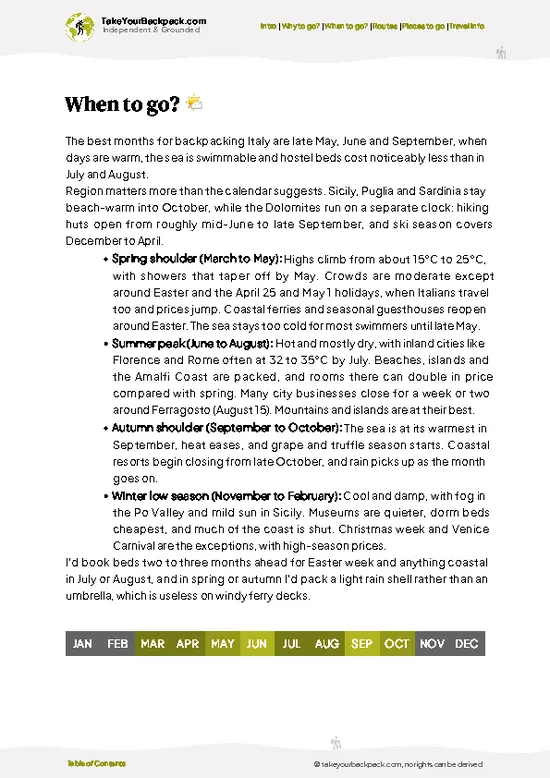
  • Weather: Late June through September is your sweet spot. Days are mostly dry, but sudden mountain showers can crash the party—pack a lightweight rain jacket. Early summer still holds some snow at higher altitudes, so if you want clear trails, aim for July or August.

  • Temperature: Expect highs around 20-25°C (68-77°F) in the valleys during peak summer, but nights can dip to 10°C (50°F) or lower. Spring and fall are chillier, with daytime highs in the 10-15°C (50-59°F) range, which means layering is your best friend.

  • Daylight Hours: Summer offers long days—up to 16 hours of light—perfect for squeezing in those epic ridge hikes. By late September, daylight shrinks to about 11 hours, so plan your routes accordingly to avoid hiking in the dark.

  • Crowds: July and August pack the trails with
read more 👉

  • Weather: Late June through September is your sweet spot. Days are mostly dry, but sudden mountain showers can crash the party—pack a lightweight rain jacket. Early summer still holds some snow at higher altitudes, so if you want clear trails, aim for July or August.

  • Temperature: Expect highs around 20-25°C (68-77°F) in the valleys during peak summer, but nights can dip to 10°C (50°F) or lower. Spring and fall are chillier, with daytime highs in the 10-15°C (50-59°F) range, which means layering is your best friend.

  • Daylight Hours: Summer offers long days—up to 16 hours of light—perfect for squeezing in those epic ridge hikes. By late September, daylight shrinks to about 11 hours, so plan your routes accordingly to avoid hiking in the dark.

  • Crowds: July and August pack the trails with tourists and weekend warriors. If you want fewer people and still decent weather, late June or early September is your insider window. Midweek hikes during these times feel like you’ve got the mountains to yourself.

  • Seasonal Activities: Summer is prime for hiking, via ferrata, and mountain biking. By late September, some lifts start shutting down, and winter sports gear begins to appear. Spring is a quieter, muddy transition—less ideal for backpacking but great for solitude.

  • Price Fluctuations: Peak summer means peak prices—expect accommodation and transport to cost 20-30% more than shoulder seasons. Booking early is key. Late June and September offer better deals without sacrificing the experience.


Pro-tip: Hit the Dolomites in early September—crowds thin, prices drop, and the weather still plays nice. Plus, you’ll catch the golden light that photographers dream about, making every step feel like a secret shared just between you and the mountains.


source: climatestotravel.comJANJanuary: below average for travelingFEBFebruary: below average for travelingMARMarch: fair for travelingAPRApril: fair for travelingMAYMay: good for travelingJUNJune: highly recommended for travelingJULJuly: excellent for travelingAUGAugust: excellent for travelingSEPSeptember: highly recommended for travelingOCTOctober: good for travelingNOVNovember: fair for travelingDECDecember: below average for traveling
italy-region-dolomites
© Google | Yan Helena

✈️ The backpacker research shortcutItaly Travel Guide

An offline-friendly backpacking guide with optimized travel routes, ranked highlights, transport advice, and the best areas to stay.
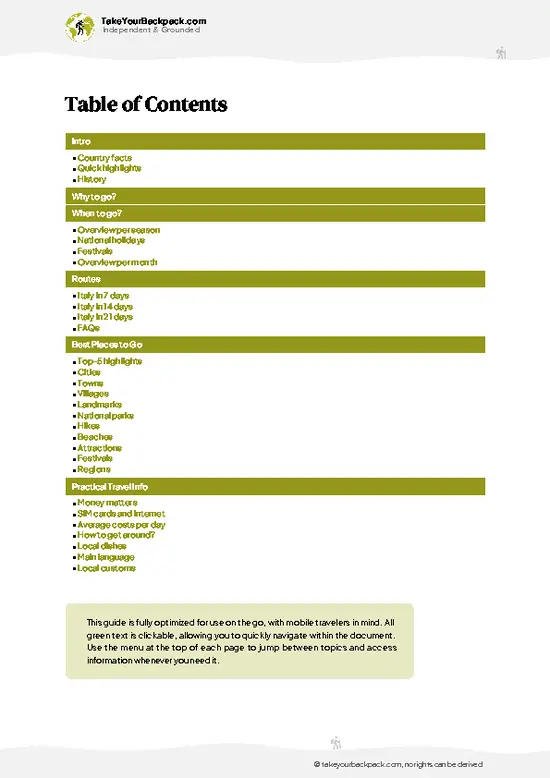
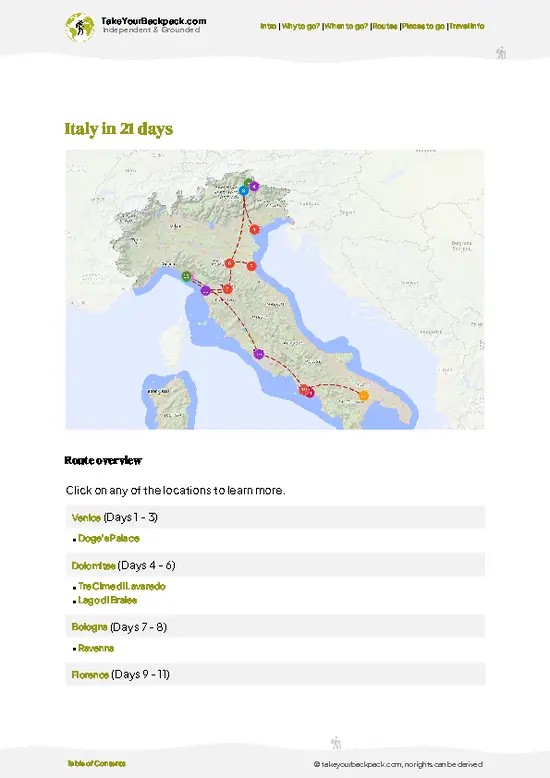
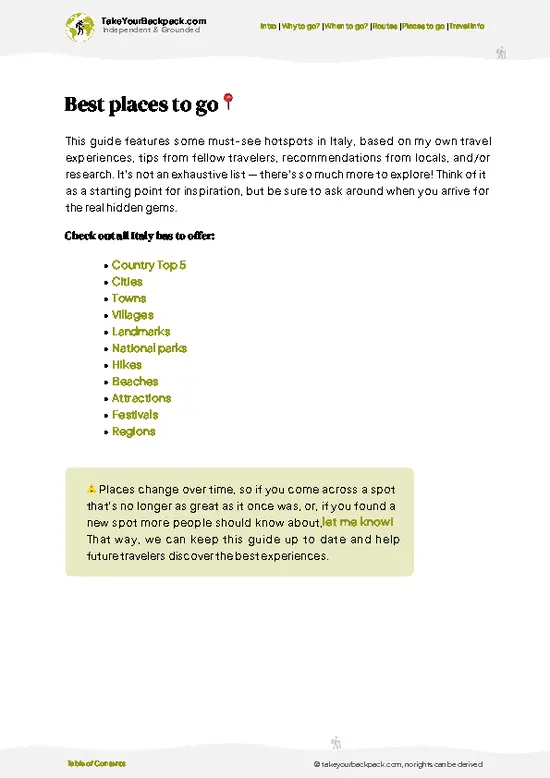
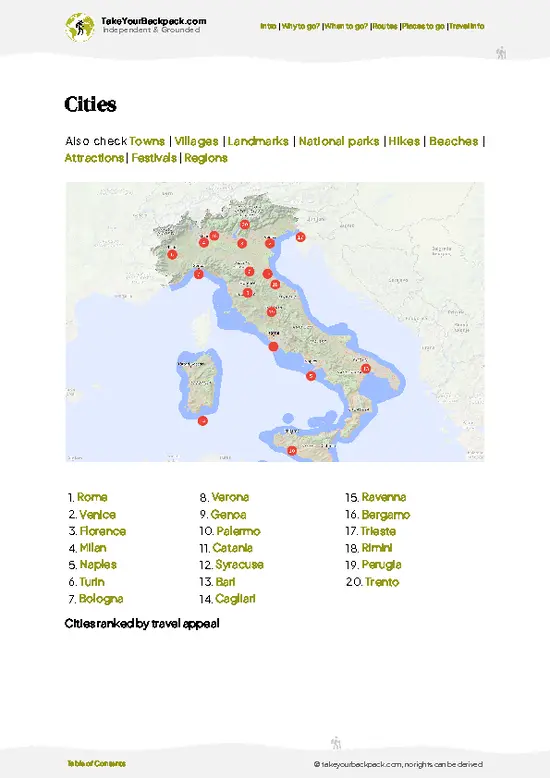
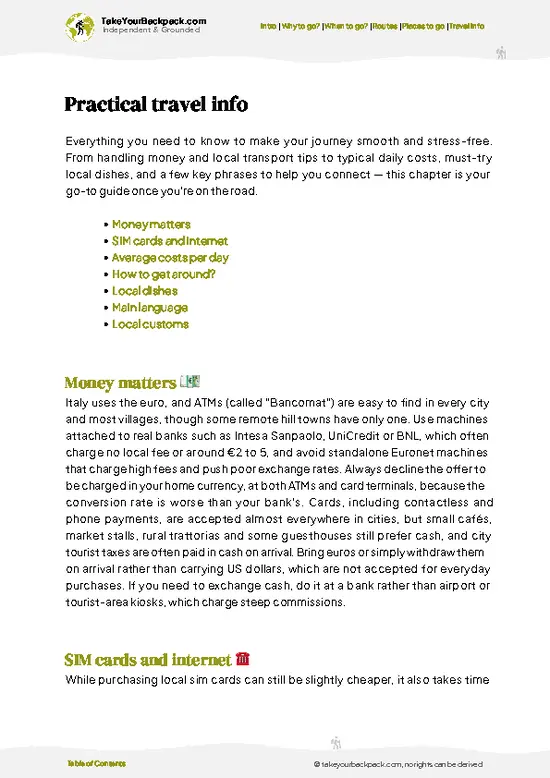
example page 0 from our offline Travel Guide for Italy
example page 1 from our offline Travel Guide for Italy
example page 2 from our offline Travel Guide for Italy
example page 3 from our offline Travel Guide for Italy
example page 4 from our offline Travel Guide for Italy
example page 5 from our offline Travel Guide for Italy
example page 6 from our offline Travel Guide for Italy
example page 7 from our offline Travel Guide for Italy
The digital guide (526 pages) contains:
143 highlights, ranked by travel appeal
Optimized 7, 14 & 21-day travel routes
Cities, national parks, landmarks, beaches
How to get around
Offline-friendly for travel without Wi-Fi
👉 Click to see all 30+ guide features

📅 Plan smarter in minutes, not weeks
Month by month travel advice
Festivals & national holidays
Budget expectations

🗺️ Go to the right places, skip the overrated ones
Honest pros & cons of destinations
Top hikes, parks & viewpoints
Lesser-known places most travelers miss
Clear “worth it vs skip it” guidance

🛏️ Travel smoothly without rookie mistakes
Best areas to stay
Transport systems explained simply
Common scams & safety advice
SIM cards, money & practical tips

🌍 Understand the country, not just visit it
Culture & traditions
52 Essential phrases & customs
Festivals worth planning around
Traveler-friendly historical context
Insights that make places more meaningful

📱 Built for real travel conditions
Fully downloadable PDF
Works completely offline
Optimized for phone use
Useful in remote areas & buses
Everything in one place
Save weeks of stressful planning
Get instant access to your full guide. 30‑day money-back guarantee.
+ Add another guide for just US$7.80

By proceeding you agree to our terms.
Sent to your inbox immediately after payment • 100% Secure Checkout
Best Backpacking Travel Advisor 2025 tourism awardBest Backpacking
Travel Advisor
2025
What others say about Take Your Backpack Guides:
⭐⭐⭐⭐⭐
Fantastic, amazing amount of information!
⭐⭐⭐⭐⭐
My goodness this is amazing, it's what I've been looking for hats off too you!
⭐⭐⭐⭐⭐
I think this is absolutely BRILLIANT
⭐⭐⭐⭐
Very complete and informative. It's still missing places, but I gotta to commend you
⭐⭐⭐⭐⭐
This is truly amazing, thank you, can't wait to explore it with my kids!
⭐⭐⭐⭐⭐
Awesome resource, thank you!
⭐⭐⭐⭐⭐
This is amazing! Can't wait to explore the ones I haven't seen
⭐⭐⭐⭐
I love this! Well done, great idea.
⭐⭐⭐⭐⭐
Thanks for taking the time to make this gem!
⭐⭐⭐⭐⭐
This might be the best website I've ever seen.
⭐⭐⭐⭐⭐
Congratulations, and thank you so much for your work; it's incredibly valuable.
⭐⭐⭐⭐
In all seriousness I think you did a great job pointing out the important spots
⭐⭐⭐⭐⭐
10/10 very good
⭐⭐⭐⭐⭐
As someone who's only just starting to visit regularly this is awesome, thank you.
⭐⭐⭐⭐
Thank you very much! I'm going to visit my dad, it's going to be very useful!
⭐⭐⭐⭐⭐
This is really cool! We'll be travelling for the first time and this definitely come in handy.
⭐⭐⭐⭐⭐
You are now our minister of culture, congratulations 👨‍💼
⭐⭐⭐⭐⭐
Just wanted to tell you that this is a pearl! Going to follow your recommendations.
⭐⭐⭐⭐⭐
This is so cool. I'll definitely be using the resource for my travels soon.
⭐⭐⭐⭐⭐
This is very impressive! Good work.
⭐⭐⭐⭐⭐
This is an amazing and informative site. Very well done!

🛏️ Where to stay?Choosing the right base

When you’re diving into the Dolomites, the right base can make all the difference. Here are the top spots that scream “backpacker-friendly” while keeping you safe and social.

Bolzano is a must. It’s a vibrant hub with a mix of Italian and German culture. The local markets are a feast for the senses, and the city’s compact size makes it easy to explore on foot. Plus, it’s a gateway to some stunning hikes.

Then there’s Ortisei. This charming village is perfect for those who want a cozy vibe. The locals are friendly, and the scenery is jaw-dropping. You’ll find plenty of trails right at your doorstep. … read more 👉
When you’re diving into the Dolomites, the right base can make all the difference. Here are the top spots that scream “backpacker-friendly” while keeping you safe and social.

Bolzano is a must. It’s a vibrant hub with a mix of Italian and German culture. The local markets are a feast for the senses, and the city’s compact size makes it easy to explore on foot. Plus, it’s a gateway to some stunning hikes.

Then there’s Ortisei. This charming village is perfect for those who want a cozy vibe. The locals are friendly, and the scenery is jaw-dropping. You’ll find plenty of trails right at your doorstep. It’s a great spot to meet fellow travelers over a hearty meal.

Canazei is another winner. It’s lively, especially during the ski season, but it’s equally appealing in summer. The après-hike scene is buzzing, and you’ll find plenty of budget-friendly eateries.

Lastly, consider San Martino di Castrozza. It’s a bit quieter but offers breathtaking views and a laid-back atmosphere. Ideal for solo backpackers looking to recharge.

Each of these spots offers a unique flavor of the Dolomites, ensuring you soak in the beauty while connecting with fellow adventurers.

🚌 Getting aroundMoving around without the hassle

The Dolomites pulse with a rhythm that’s anything but rigid. Here, the mountains loom like ancient sentinels, and the air is thick with the scent of pine and adventure. Schedules? They’re more like suggestions. You’ll find locals sipping espresso at their own pace, while hikers dart up trails, chasing the sun. It’s a place where intuition guides your journey, and the best experiences often come from following your nose rather than a clock. But don’t worry; you can still navigate this stunning region without losing your mind or your wallet.


  • Bus: The backbone of Dolomite transport, buses connect major towns like Cortina d’Ampezzo and Bolzano. They run regularly, with first departures around 6 AM and the last ones around 8 PM. Tickets range from €5 to €15, depending on distance. They’re comfortable
read more 👉
The Dolomites pulse with a rhythm that’s anything but rigid. Here, the mountains loom like ancient sentinels, and the air is thick with the scent of pine and adventure. Schedules? They’re more like suggestions. You’ll find locals sipping espresso at their own pace, while hikers dart up trails, chasing the sun. It’s a place where intuition guides your journey, and the best experiences often come from following your nose rather than a clock. But don’t worry; you can still navigate this stunning region without losing your mind or your wallet.


  • Bus: The backbone of Dolomite transport, buses connect major towns like Cortina d’Ampezzo and Bolzano. They run regularly, with first departures around 6 AM and the last ones around 8 PM. Tickets range from €5 to €15, depending on distance. They’re comfortable enough, but expect a few stops along the way.


  • Train: While the Dolomites themselves lack extensive rail lines, you can catch trains to nearby cities like Bolzano or Trento. Trains run frequently, with first trains around 5 AM and the last ones around 10 PM. Prices vary, but expect to pay around €10 to €20. The views from the train are a bonus, but be prepared for a bit of a trek to get to the trails.


  • Car Rentals: If you crave flexibility, renting a car is your best bet. Prices start around €30 per day, and you can pick up a vehicle in Bolzano or Venice. This option allows you to explore at your own pace, but parking can be tricky in popular spots. Just remember, mountain roads can be narrow and winding!


  • Bike Rentals: For the adventurous spirit, biking is a fantastic way to soak in the scenery. Rentals are available in towns like Ortisei and Cortina, costing about €15 to €30 per day. You’ll find dedicated bike paths, but be ready for some uphill battles. The payoff? Unmatched views and a sense of freedom.


  • Shuttle Services: Many hotels offer shuttle services to popular trailheads. Check with your accommodation for schedules, usually running from early morning until late afternoon. Prices vary, but it’s often included in your stay. This is a hassle-free way to get to the best spots without worrying about parking.


For a tactical tip: download local transit apps before you arrive. They’ll give you real-time updates on bus and train schedules, helping you navigate like a local. Trust me, this little hack can save you time and keep you in the flow of the Dolomites’ enchanting chaos.

🍲 FoodEating & Drinking in Dolomites

In the Dolomites, food is a celebration of the land. You can’t visit without trying speck, that smoky, cured ham that pairs perfectly with fresh bread and local cheeses. Don’t skip the canederli, hearty dumplings made from stale bread, often served in broth. They’re a warm hug on a chilly day. And if you’re feeling adventurous, dive into polenta, a staple that’s both comforting and versatile.

For drinks, grab a glass of Südtiroler wine. The region’s crisp whites, like Gewürztraminer, are a must. If you’re in the mood for something stronger, try a shot of grappa—it’ll warm you right up after a long hike.

When it comes to dining, seek out local markets. They’re buzzing with energy, and you can sample everything from cured meats to artisanal cheeses. Casual cafés are perfect for a quick espresso … read more 👉
In the Dolomites, food is a celebration of the land. You can’t visit without trying speck, that smoky, cured ham that pairs perfectly with fresh bread and local cheeses. Don’t skip the canederli, hearty dumplings made from stale bread, often served in broth. They’re a warm hug on a chilly day. And if you’re feeling adventurous, dive into polenta, a staple that’s both comforting and versatile.

For drinks, grab a glass of Südtiroler wine. The region’s crisp whites, like Gewürztraminer, are a must. If you’re in the mood for something stronger, try a shot of grappa—it’ll warm you right up after a long hike.

When it comes to dining, seek out local markets. They’re buzzing with energy, and you can sample everything from cured meats to artisanal cheeses. Casual cafés are perfect for a quick espresso and a slice of strudel. Street food stalls often serve up krapfen, sweet pastries that are a delightful treat.

Etiquette is relaxed here. Don’t be surprised if you share a table with locals; it’s all part of the experience. Just remember, meals are meant to be savored, so take your time. Enjoy the flavors, the company, and the stunning views that surround you.

FAQFrequently asked questions about Dolomites

5 to 7 days are ideal to explore the Dolomites thoroughly. This allows time for hiking, visiting key towns like Cortina d'Ampezzo, and enjoying scenic drives or cable cars. Shorter trips of 3 days can cover highlights but feel rushed.
You can get around the Dolomites without a car using regional buses and cable cars. The Dolomiti Bus network connects major towns and trailheads, with tickets costing around 5 to 10 euros per trip. Cycling is also popular for shorter distances between villages.
The Dolomites are known for their dramatic limestone peaks, unique pale color, and excellent hiking and climbing routes. They are a UNESCO World Heritage site famous for outdoor activities like skiing in winter and via ferrata climbing in summer.
⚠️ Things can change over time, so always validate details locally before you go.

Other Italian regions near Dolomites

Explore more nearby:

  • Lake Como—deep lake, neoclassical villas, forested slopes| 210 km away
  • Val d’Orcia—rolling hills, cypress-lined roads, medieval hamlets| 386 km away
  • Costiera Amalfitana—terraced cliffs, lemon groves, coastal villages| 688 km away

💡 Not sure where to go next?
Create a personalized itinerary for Italy including Dolomites and the places that fit your trip.

Generate my itinerary

👉 Discover all regions

Or checkout all Italy has to offer (think cities, towns, villages, national parks, hikes, beaches, festivals)
Country photo of Italy

We 💚 feedbackSumming up the experience

The Dolomites are a playground for the senses. Picture this: jagged peaks, lush valleys, and trails that whisper stories of ancient cultures. It’s a paradise for hikers and climbers alike. But here’s the kicker: the weather can be unpredictable. One minute you’re basking in sunshine, the next you’re dodging rain. Pack layers and be ready for anything. Embrace the chaos; it’s part of the adventure. Trust me, the views are worth every drop.

✈️ When did I visit Italy?
Italy I have vistited a couple of times: Rome already when I was still in high school, and I did a 7 day hike in the Dolomites in 2021.

✍️ Help improve this page!
The information on this page is based on my own backpacking experience in Italy, supplemented with up-to-date research and feedback from other travelers. Travel details can change, so if you notice anything outdated or incomplete, feel free to let me know.


🙋‍♂️ Give feedback

👋 Meet the founderWho’s Behind Take Your Backpack?

Johan, backpacker and founder of TakeYourBackpackHi, I’m Johan (Netherlands 🇳🇱), the creator of TakeYourBackpack. Over the past decade, I’ve backpacked through 80+ countries across six continents, gaining extensive experience with independent travel, long-term trips, and overland routes.

This site is built on a combination of firsthand travel experience and carefully curated insights from other backpackers. Many guides are based on places I’ve personally visited, while others bring together tips, observations, and practical advice shared by trusted travelers I’ve met along the way.

The goal is to provide realistic, experience-driven guidance — not generic itineraries — so you can explore destinations with better context, clearer expectations, and more confidence.

Get full Italy guide •
Instant download • 143 highlights • Full Offline guide