v2.webp)
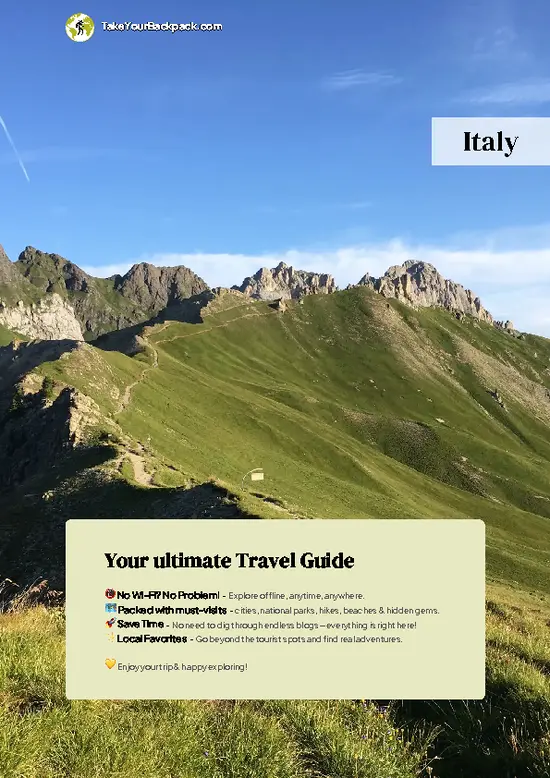
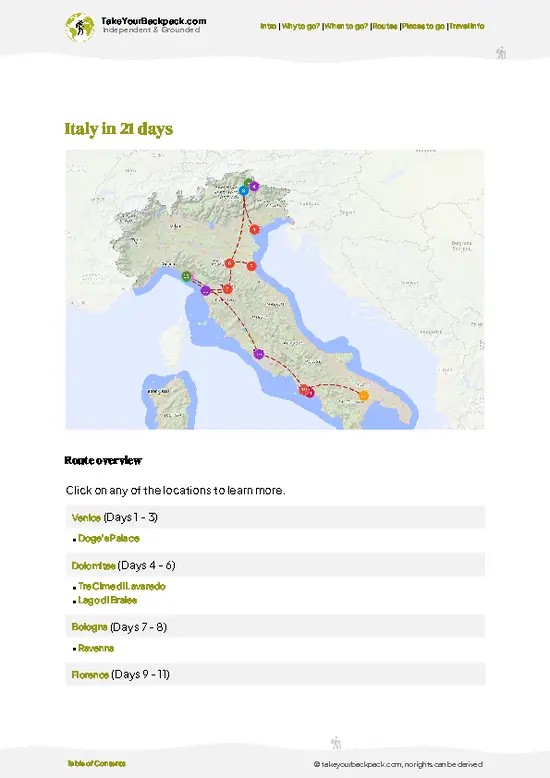
- Spaccanapoli (historic heart — Via dei Tribunali / Via San Biagio dei Librai) — The long, narrow cut through the centro storico where you’ll find churches, artisan workshops, street-food stalls and real Neapolitan daily life all within a few meters. Walk it slowly and your senses will understand the city faster than any guidebook.
- Cattedrale di San Gennaro (Naples Cathedral) — Home of the famous “blood miracle” relics and layered art and architecture from Gothic to Baroque; visiting gives you both religious tradition and a sense of civic identity that’s uniquely Neapolitan.
- Cappella Sansevero — A tiny chamber with outsized impact: the Veiled Christ sculpture and bizarre, exquisite allegorical art packed into one intimate space. Tickets sell fast—book ahead—and the details are worth lingering
- Spaccanapoli (historic heart — Via dei Tribunali / Via San Biagio dei Librai) — The long, narrow cut through the centro storico where you’ll find churches, artisan workshops, street-food stalls and real Neapolitan daily life all within a few meters. Walk it slowly and your senses will understand the city faster than any guidebook.
- Cattedrale di San Gennaro (Naples Cathedral) — Home of the famous “blood miracle” relics and layered art and architecture from Gothic to Baroque; visiting gives you both religious tradition and a sense of civic identity that’s uniquely Neapolitan.
- Cappella Sansevero — A tiny chamber with outsized impact: the Veiled Christ sculpture and bizarre, exquisite allegorical art packed into one intimate space. Tickets sell fast—book ahead—and the details are worth lingering for.
- Museo Archeologico Nazionale di Napoli (MANN) — One of Europe’s top classical art collections, with Pompeii and Herculaneum treasures, frescoes and mosaics; if you care about Roman life, this museum saves you the triposophy of digging through ruins yourself.
- Napoli Sotterranea (Naples Underground) — A guided descent into the layers beneath the streets: Greek-Roman aqueducts, WWII air-raid shelters, and odd, echoing chambers. It’s atmospheric and gives context to why Naples is built the way it is.
- Catacombe di San Gennaro — A quieter, less touristy set of catacombs than Rome’s, with early-Christian frescoes and basilicas that tell the city’s late-antique story. Combine the visit with the surrounding Rione Sanità neighborhood for extra local flavor.
- Certosa di San Martino — A former monastery-turned-museum on Vomero hill with large collections, carved nativity scenes and one of the best panoramic terraces over the bay and Vesuvius. Art plus view—hard to beat that combo.
- Castel dell’Ovo and the Lungomare — The oldest standing fortification in Naples, sitting right on the water; wander the adjacent waterfront promenade for cafés, sunset views, and a very Neapolitan atmosphere of people-watching and sea air.
- Teatro di San Carlo — The world’s oldest continuously active opera house with lavish interiors and regular performances; even a short guided tour shows you why music and spectacle are woven into Neapolitan life.
- Mercato di Pignasecca (street market) — Naples’ oldest open-air market where locals buy fresh fish, produce, and everyday bargains; it’s rowdy, delicious, and the best place to taste real street food like frittatine or sfogliatella without tourist frills.
Spotted a mistake or missing something? Contact us.

Discover the Magic of the Amalfi and Sorrento Coast by Vespa

Private Amalfi Coast Tour: Scenic Positano, Amalfi & Ravello

Amalfi Coast Experience with our English - speaking drivers

The Godfather of the Amalfi Coast

Amalfi Ravello Positano Tour

Private Transfer from Naples to Positano

Wine & Cooking Experience with Local Family at Cortecorbo Winery

Ischia island private excursion on Gozzo Fratelli Aprea 7,5m

Private transfer from Naples/Salerno to Sorrento, or vice versa


 Best Backpacking
.jpg) Hi, I’m Johan (Netherlands 🇳🇱), the creator of TakeYourBackpack. Over the past 3 decades, I’ve backpacked through 90+ countries across six continents, gaining extensive experience with independent travel, long-term trips, and overland routes.
Hi, I’m Johan (Netherlands 🇳🇱), the creator of TakeYourBackpack. Over the past 3 decades, I’ve backpacked through 90+ countries across six continents, gaining extensive experience with independent travel, long-term trips, and overland routes.