×
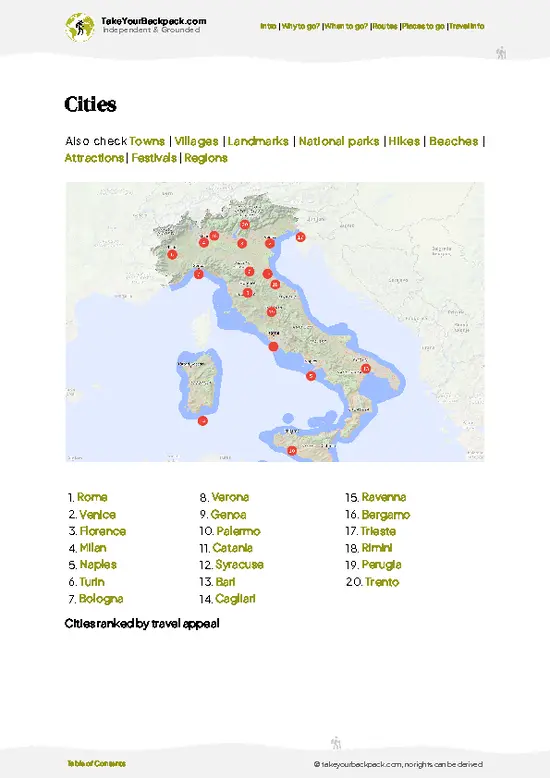
Rome

Italy🇮🇹 | citiesRomeancient ruins, monumental piazzas, layered neighborhoods | things to do and best time to go

Explore NaplesExplore Syracuse

Backpacking in Rome
UNESCO World Heritage site
🏆 Top pickcity ranked #1
By Johan Kruseman 🇳🇱 | Updated September 4, 2026

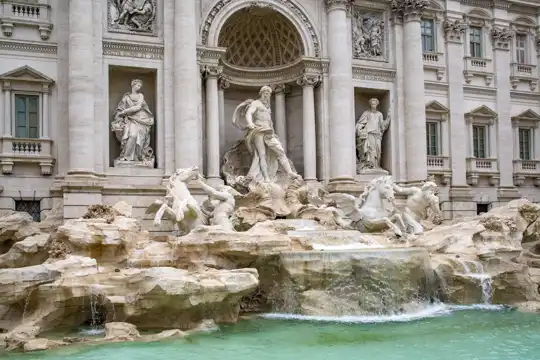
Old Rome used to feel like a glorious mess: fewer tour groups, more cigarette smoke, cheaper espresso, and you could wander the Forum at dusk without feeling like you were in a queue. Today it’s sharper, busier, more regulated, and more expensive—but also easier to navigate and safer. Rome sits in central-western Italy, spilling out from the Tiber toward the Tyrrhenian coast, basically the hinge between north and south.

For backpackers, it’s high-reward and high-friction. The Colosseum, Trastevere nights, the Vatican Museums, and street-corner churches that would be headline attractions anywhere else all cram into one city, but you pay in crowds, scams-around-the-margins, and mid-to-high prices. Trains make it simple to hop to Florence or Naples, and hostels are social enough that you’ll meet people in a day. It’s generally safe if you watch your pockets. Compared to nearby cities, Rome is louder, grittier, more chaotic—and, when it clicks, more addictive.

Discover everything you want to know in the 📖 Italy Travel Guide.


Get your Italy guide
143 ranked highlights, routes & tips, works offline (526 pages)
Loading the map 🌍
CLICK TO FILTER
cities
towns
villages
landmarks
national parks
hikes
beaches
attractions
festivals
regions
SHOW COUNTRY’S BESTSHOW ALL

✨ Why go?
Ranked #1 city in Italy
Reasons people choose to visit here

Rome is a backpacker’s hub that balances highlights with a vibrant atmosphere, making it a prime stop on any European route. The sheer number of activities means you can dive into history, art, and culture without feeling rushed. It’s a city where you can wander through ancient ruins by day and enjoy a lively nightlife scene by night.

The walkability factor is a game-changer; you can easily explore neighborhoods on foot, soaking in the local vibe while saving on transport costs. Plus, the hostel scene is robust, offering budget-friendly options that foster connections with fellow travelers.

Rome also serves as an excellent basecamp for day trips to nearby gems, allowing you to maximize your time without the hassle of constant packing and unpacking. The city’s food scene is a highlight … read more 👉
Rome is a backpacker’s hub that balances highlights with a vibrant atmosphere, making it a prime stop on any European route. The sheer number of activities means you can dive into history, art, and culture without feeling rushed. It’s a city where you can wander through ancient ruins by day and enjoy a lively nightlife scene by night.

The walkability factor is a game-changer; you can easily explore neighborhoods on foot, soaking in the local vibe while saving on transport costs. Plus, the hostel scene is robust, offering budget-friendly options that foster connections with fellow travelers.

Rome also serves as an excellent basecamp for day trips to nearby gems, allowing you to maximize your time without the hassle of constant packing and unpacking. The city’s food scene is a highlight in itself, with affordable eats that fuel your adventures.

If you’re looking for a place that combines comfort with a wealth of experiences, Rome fits the bill. But if you prefer a more laid-back pace, consider limiting your stay to a few days. It’s all about what you value most in your journey.
Want to include Rome in your Italy route?
Create a personalized Italy itinerary that includes Rome and the places that fit your trip — based on your travel style, budget, and available time. Get your route in seconds.

Generate my trip

💡 HighlightsEssential experiences to have while visiting Rome

  1. Colosseum — The grand old amphitheater that still makes Rome feel alive: walk the tiers, imagine the crowds, and if you can, book the underground or arena-floor tour to see spaces most tourists miss.
  2. Roman Forum & Palatine Hill — Ruins, temples and the birthplace of Rome all in one walkable sweep; climbing the Palatine gives you the city’s layered history and a great skyline photo away from the biggest crowds.
  3. Pantheon — Amazingly intact ancient temple with that perfect oculus; the light in there and the lively piazza outside capture how Romans live with history rather than behind glass.
  4. Galleria Borghese — A compact, brilliantly curated art house: Bernini, Caravaggio and intimate galleries that reward a calm visit (tickets are timed, so book ahead).
  5. Piazza del Campidoglio & Capitoline
read more 👉
  1. Colosseum — The grand old amphitheater that still makes Rome feel alive: walk the tiers, imagine the crowds, and if you can, book the underground or arena-floor tour to see spaces most tourists miss.
  2. Roman Forum & Palatine Hill — Ruins, temples and the birthplace of Rome all in one walkable sweep; climbing the Palatine gives you the city’s layered history and a great skyline photo away from the biggest crowds.
  3. Pantheon — Amazingly intact ancient temple with that perfect oculus; the light in there and the lively piazza outside capture how Romans live with history rather than behind glass.
  4. Galleria Borghese — A compact, brilliantly curated art house: Bernini, Caravaggio and intimate galleries that reward a calm visit (tickets are timed, so book ahead).
  5. Piazza del Campidoglio & Capitoline Museums — Michelangelo’s hilltop piazza and the museums beside it give you classical sculpture and Renaissance civic pride, plus one of the cleanest, most commanding views over the Forum.
  6. Trastevere & Santa Maria in Trastevere — Narrow cobbled streets, everyday Roman life, tiny bakeries and one of Rome’s most atmospheric medieval churches; it’s where the city feels human and relaxed after sunset.
  7. Aventine Hill (Giardino degli Aranci & the Knights of Malta keyhole) — A small hill with an orange garden that’s great for sunsets and the delightfully nerdy keyhole view that frames St. Peter’s Basilica like a cinematic postcard.
  8. Basilica of San Clemente — Three layered levels of history: a 12th-century church built over a 4th-century basilica and a 1st-century Roman house and mithraic shrine beneath it — perfect if you like archaeology you can descend into.
  9. Baths of Caracalla — Massive, atmospheric ruins where you can still walk between hot rooms, pools and the vaults that once supported imperial leisure; less crowded than the Forum but every bit as evocative.
  10. Jewish Ghetto & Portico d’Ottavia — Deep, living history with unique cuisine (try carciofi alla giudia) and ancient remains tucked into a neighborhood that tells the social side of Rome’s past as well as its architecture.
A few great day trips close to Rome: Tivoli (Villa d’Este and Hadrian’s Villa), Ostia Antica, and Castel Gandolfo — my personal favorite for a day out is Tivoli, especially Hadrian’s Villa for sprawling, slightly wild ancient ruins.
Spotted a mistake or missing something? Contact us.

Things to do in Rome

Ratings based on Tripadvisor reviews. When you book through this link, you support our work at no extra cost to you.

🏘️ NeighborhoodsKey areas and districts to know

Rome is a city where every corner tells a story, and choosing the right neighborhood can shape your entire experience. Here’s a breakdown of key areas to help you navigate the Eternal City.

Trastevere: This bohemian neighborhood is a backpacker favorite. Cobblestone streets, vibrant street art, and a lively atmosphere make it perfect for those who crave nightlife. Expect mid-range prices for food and lodging, but the walkability is top-notch. It’s ideal for both short and longer stays, as you can easily explore nearby attractions.

Centro Storico: The heart of Rome, packed with history. Here, you’ll find iconic sites like the Pantheon and Piazza Navona. While it’s more touristy and pricier, the convenience of being close to major attractions is a huge plus. Walkability is excellent, but it … read more 👉
Rome is a city where every corner tells a story, and choosing the right neighborhood can shape your entire experience. Here’s a breakdown of key areas to help you navigate the Eternal City.

Trastevere: This bohemian neighborhood is a backpacker favorite. Cobblestone streets, vibrant street art, and a lively atmosphere make it perfect for those who crave nightlife. Expect mid-range prices for food and lodging, but the walkability is top-notch. It’s ideal for both short and longer stays, as you can easily explore nearby attractions.

Centro Storico: The heart of Rome, packed with history. Here, you’ll find iconic sites like the Pantheon and Piazza Navona. While it’s more touristy and pricier, the convenience of being close to major attractions is a huge plus. Walkability is excellent, but it can get crowded. Great for short stays if you want to soak in the sights quickly.

Testaccio: A hidden treasure for food lovers. This area offers authentic Roman cuisine at reasonable prices. It’s less touristy, allowing for a more local vibe. While nightlife is more subdued, the food scene is vibrant. Perfect for longer stays if you want to immerse yourself in local culture.

Monti: A trendy area with a mix of vintage shops and hip bars. It’s walkable and offers a good balance of nightlife and quiet spots. Prices are moderate, making it accessible for budget travelers. Ideal for both short and longer stays, especially if you enjoy a creative atmosphere.

Esquilino: Known for its multicultural vibe, this neighborhood is budget-friendly. It’s a bit further from major attractions, but public transport is easily accessible. Expect a quieter experience, making it suitable for longer stays where you can explore at your own pace.

⌛️ 1 dayA smart one-day plan

Rome is a city where history breathes through every cobblestone street and the aroma of fresh pasta wafts from bustling trattorias. It’s a place where ancient ruins stand shoulder to shoulder with vibrant street life, making it a playground for the curious traveler. If you have just one day, let’s dive into a journey that balances time, money, and comfort while uncovering the city’s soul.

Start your morning in the Trastevere neighborhood. This charming area is a maze of narrow streets and colorful buildings. Grab a cappuccino and a cornetto at a local café—don’t skimp on the pastry; it’s a delicious way to fuel up. Afterward, stroll to the beautiful Santa Maria in Trastevere, a lesser-known church that boasts stunning mosaics and a serene atmosphere. It’s a peaceful spot to soak in the morning … read more 👉
Rome is a city where history breathes through every cobblestone street and the aroma of fresh pasta wafts from bustling trattorias. It’s a place where ancient ruins stand shoulder to shoulder with vibrant street life, making it a playground for the curious traveler. If you have just one day, let’s dive into a journey that balances time, money, and comfort while uncovering the city’s soul.

Start your morning in the Trastevere neighborhood. This charming area is a maze of narrow streets and colorful buildings. Grab a cappuccino and a cornetto at a local café—don’t skimp on the pastry; it’s a delicious way to fuel up. Afterward, stroll to the beautiful Santa Maria in Trastevere, a lesser-known church that boasts stunning mosaics and a serene atmosphere. It’s a peaceful spot to soak in the morning light before the crowds arrive.

As the sun climbs higher, make your way toward the iconic Colosseum. Pre-book your tickets to skip the long lines; this saves both time and frustration. Explore the ancient amphitheater, imagining the gladiators who once fought for glory. From there, wander over to the Roman Forum, where you can walk among the ruins that tell tales of a once-great civilization.

For lunch, head to the nearby Monti district. This area is filled with quirky boutiques and local eateries. Try a plate of cacio e pepe at a small trattoria—simple yet divine.

In the afternoon, visit the Pantheon, a marvel of engineering. The light pouring through the oculus creates a magical atmosphere. Then, take a leisurely walk to Piazza Navona, where you can enjoy street performers and artists.

As evening approaches, make your way to the Testaccio neighborhood, known for its authentic Roman cuisine. Dine at a local osteria, where you can savor dishes like amatriciana. After dinner, stroll along the Tiber River, where the city lights reflect on the water, wrapping up your day with a sense of wonder.

This itinerary balances iconic sights with local flavor, ensuring you experience the heart of Rome without feeling rushed. Each choice you make is a step toward crafting your own unforgettable story in this timeless city.
Turn your Rome visit into an Italy adventure
Build a complete Italy route with Rome, hidden gems, must-see destinations, and realistic travel times included.

Generate my trip

🌤️ When to go?Seasonal considerations and timing


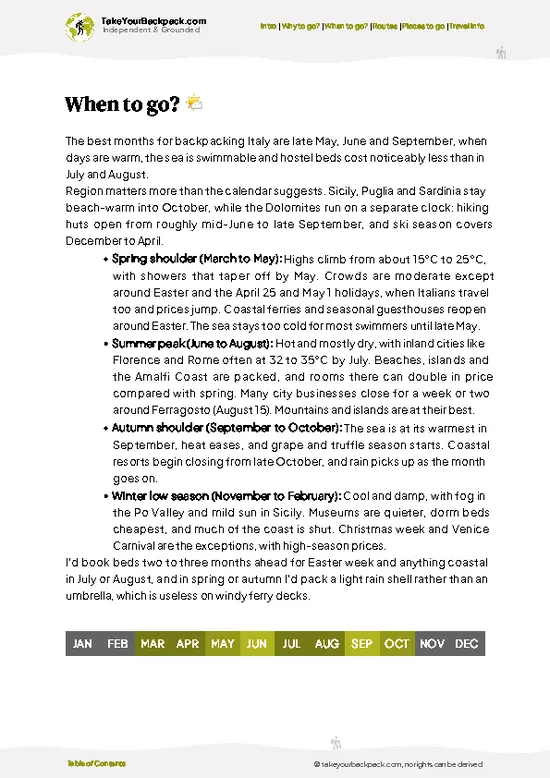
  • Weather: Spring (April to June) and fall (September to October) offer mild, pleasant weather. Expect highs around 20-25°C (68-77°F), perfect for walking without overheating or freezing.

  • Temperature: Summer can spike above 30°C (86°F), making midday strolls exhausting. Winter dips to around 5-12°C (41-54°F), which is manageable but less inviting for long days outdoors.

  • Daylight Hours: Long days in late spring and early summer stretch daylight to about 14-15 hours, maximizing sightseeing time. Winter cuts this to roughly 9-10 hours, limiting your window for exploration.

  • Crowds: Peak tourist season hits July and August, flooding landmarks and driving prices up. Shoulder seasons see fewer tourists, letting you enjoy spots like the Colosseum with less elbowing.

  • Seasonal Activities: Spring
read more 👉

  • Weather: Spring (April to June) and fall (September to October) offer mild, pleasant weather. Expect highs around 20-25°C (68-77°F), perfect for walking without overheating or freezing.

  • Temperature: Summer can spike above 30°C (86°F), making midday strolls exhausting. Winter dips to around 5-12°C (41-54°F), which is manageable but less inviting for long days outdoors.

  • Daylight Hours: Long days in late spring and early summer stretch daylight to about 14-15 hours, maximizing sightseeing time. Winter cuts this to roughly 9-10 hours, limiting your window for exploration.

  • Crowds: Peak tourist season hits July and August, flooding landmarks and driving prices up. Shoulder seasons see fewer tourists, letting you enjoy spots like the Colosseum with less elbowing.

  • Seasonal Activities: Spring and fall host cultural events and festivals, like Rome’s Marathon in March and the RomaEuropa Festival in September, adding layers to your experience beyond the usual sights.

  • Price Fluctuations: Accommodation and flights surge in summer and around Christmas. Booking in shoulder seasons can save you 20-40%, freeing up budget for food or a Vespa rental.


Pro-tip: Aim for late April or early October—weather, crowds, and prices align to give you the smartest, most enjoyable Roman adventure.


source: climatestotravel.comJANJanuary: fair for travelingFEBFebruary: fair for travelingMARMarch: good for travelingAPRApril: excellent for travelingMAYMay: excellent for travelingJUNJune: highly recommended for travelingJULJuly: fair for travelingAUGAugust: below average for travelingSEPSeptember: excellent for travelingOCTOctober: excellent for travelingNOVNovember: good for travelingDECDecember: fair for traveling
Italy - Rome

✈️ The backpacker research shortcutItaly Travel Guide

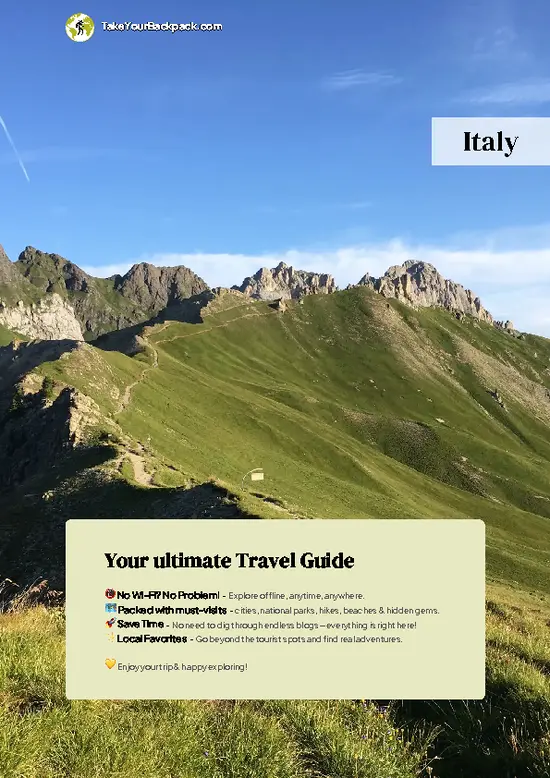
An offline-friendly backpacking guide with optimized travel routes, ranked highlights, transport advice, and the best areas to stay.
example page 0 from our offline Travel Guide for Italy
example page 1 from our offline Travel Guide for Italy
example page 2 from our offline Travel Guide for Italy
example page 3 from our offline Travel Guide for Italy
example page 4 from our offline Travel Guide for Italy
example page 5 from our offline Travel Guide for Italy
example page 6 from our offline Travel Guide for Italy
example page 7 from our offline Travel Guide for Italy
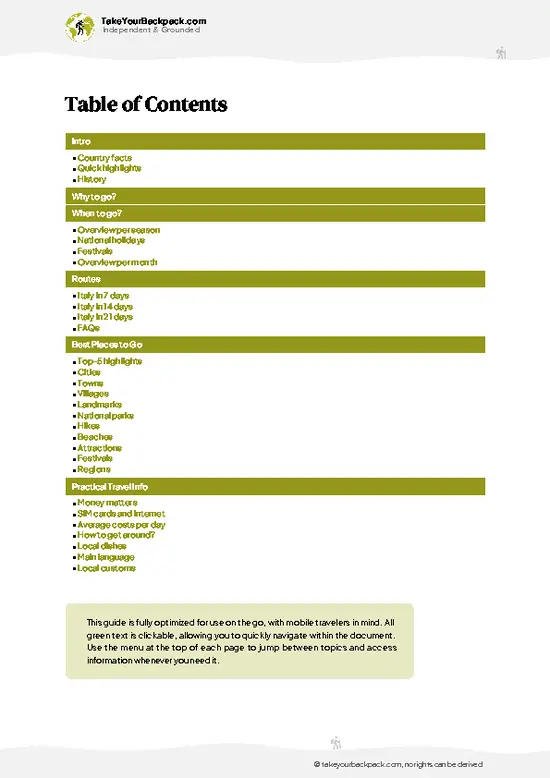
The digital guide (526 pages) contains:
143 highlights, ranked by travel appeal
Optimized 7, 14 & 21-day travel routes
Cities, national parks, landmarks, beaches
How to get around
Offline-friendly for travel without Wi-Fi
👉 Click to see all 30+ guide features

📅 Plan smarter in minutes, not weeks
Month by month travel advice
Festivals & national holidays
Budget expectations

🗺️ Go to the right places, skip the overrated ones
Honest pros & cons of destinations
Top hikes, parks & viewpoints
Lesser-known places most travelers miss
Clear “worth it vs skip it” guidance

🛏️ Travel smoothly without rookie mistakes
Best areas to stay
Transport systems explained simply
Common scams & safety advice
SIM cards, money & practical tips

🌍 Understand the country, not just visit it
Culture & traditions
52 Essential phrases & customs
Festivals worth planning around
Traveler-friendly historical context
Insights that make places more meaningful

📱 Built for real travel conditions
Fully downloadable PDF
Works completely offline
Optimized for phone use
Useful in remote areas & buses
Everything in one place
Save weeks of stressful planning
Get instant access to your full guide. 30‑day money-back guarantee.
+ Add another guide for just US$7.80

By proceeding you agree to our terms.
Sent to your inbox immediately after payment • 100% Secure Checkout
Best Backpacking Travel Advisor 2025 tourism awardBest Backpacking
Travel Advisor
2025
What others say about Take Your Backpack Guides:
⭐⭐⭐⭐⭐
Fantastic, amazing amount of information!
⭐⭐⭐⭐⭐
My goodness this is amazing, it's what I've been looking for hats off too you!
⭐⭐⭐⭐⭐
I think this is absolutely BRILLIANT
⭐⭐⭐⭐
Very complete and informative. It's still missing places, but I gotta to commend you
⭐⭐⭐⭐⭐
This is truly amazing, thank you, can't wait to explore it with my kids!
⭐⭐⭐⭐⭐
Awesome resource, thank you!
⭐⭐⭐⭐⭐
This is amazing! Can't wait to explore the ones I haven't seen
⭐⭐⭐⭐
I love this! Well done, great idea.
⭐⭐⭐⭐⭐
Thanks for taking the time to make this gem!
⭐⭐⭐⭐⭐
This might be the best website I've ever seen.
⭐⭐⭐⭐⭐
Congratulations, and thank you so much for your work; it's incredibly valuable.
⭐⭐⭐⭐
In all seriousness I think you did a great job pointing out the important spots
⭐⭐⭐⭐⭐
10/10 very good
⭐⭐⭐⭐⭐
As someone who's only just starting to visit regularly this is awesome, thank you.
⭐⭐⭐⭐
Thank you very much! I'm going to visit my dad, it's going to be very useful!
⭐⭐⭐⭐⭐
This is really cool! We'll be travelling for the first time and this definitely come in handy.
⭐⭐⭐⭐⭐
You are now our minister of culture, congratulations 👨‍💼
⭐⭐⭐⭐⭐
Just wanted to tell you that this is a pearl! Going to follow your recommendations.
⭐⭐⭐⭐⭐
This is so cool. I'll definitely be using the resource for my travels soon.
⭐⭐⭐⭐⭐
This is very impressive! Good work.
⭐⭐⭐⭐⭐
This is an amazing and informative site. Very well done!

🛏️ Where to stay?Best areas to stay in Italy

Rome’s backpacker sweet spots cluster around a few neighborhoods where safety, social buzz, and budget options intersect like a well-played chessboard. Trastevere tops the list for solo travelers craving a lively, authentic Roman vibe without the tourist crush of the historic center. Narrow cobblestone streets, packed with bars and trattorias, create a natural social hub. Hostels here tend to be cozy and communal, perfect for meeting fellow wanderers. The trade-off? It’s a bit farther from major landmarks, so expect a 15-20 minute walk or a short tram ride.

Next, Monti offers a clever balance … read more 👉
Rome’s backpacker sweet spots cluster around a few neighborhoods where safety, social buzz, and budget options intersect like a well-played chessboard. Trastevere tops the list for solo travelers craving a lively, authentic Roman vibe without the tourist crush of the historic center. Narrow cobblestone streets, packed with bars and trattorias, create a natural social hub. Hostels here tend to be cozy and communal, perfect for meeting fellow wanderers. The trade-off? It’s a bit farther from major landmarks, so expect a 15-20 minute walk or a short tram ride.

Next, Monti offers a clever balance between comfort and cost. It’s close enough to the Colosseum and Roman Forum to walk, but quieter and less touristy. The neighborhood hums with artisan shops, vintage markets, and hip cafés—ideal for travelers who want to blend in and soak up local life. Hostels here are often stylish and well-run, with a vibe that leans toward the artsy and social. The trade-off is slightly higher prices than Trastevere but better access to public transit.

Lastly, San Lorenzo is a no-brainer for budget backpackers who prioritize nightlife and a student-driven scene. It’s safe, gritty in a good way, and packed with affordable eateries and bars. Hostels here are plentiful and wallet-friendly, though the area can feel a bit raw compared to the polished tourist zones. You sacrifice some comfort for a genuine Roman youth culture experience.

Each neighborhood offers a distinct flavor and trade-off between time, money, and comfort. Your choice depends on whether you want to maximize social energy, proximity to sights, or budget stretch—Rome’s layout lets you play this game with precision.

🚌 Getting aroundTransportation options and practical tips

Rome moves like a city caught between two tempos: the ancient pulse of history and the modern rush of daily life. It’s not a place where everything runs like clockwork, but neither is it a free-for-all. Instead, you’ll find a blend of structured transit schedules and the occasional improvisation—buses that might show up late, metro trains that run on a reliable loop, and streets where walking often beats waiting. Understanding this flow is your first win. You’re not just getting from A to B; you’re navigating a living system where time, money, and comfort constantly trade places. Master these choices, and you turn transit from a chore into a strategic advantage.


  • Walking: Rome’s historic center is compact and packed with sights, making walking the ultimate budget option. It costs nothing,
read more 👉
Rome moves like a city caught between two tempos: the ancient pulse of history and the modern rush of daily life. It’s not a place where everything runs like clockwork, but neither is it a free-for-all. Instead, you’ll find a blend of structured transit schedules and the occasional improvisation—buses that might show up late, metro trains that run on a reliable loop, and streets where walking often beats waiting. Understanding this flow is your first win. You’re not just getting from A to B; you’re navigating a living system where time, money, and comfort constantly trade places. Master these choices, and you turn transit from a chore into a strategic advantage.


  • Walking: Rome’s historic center is compact and packed with sights, making walking the ultimate budget option. It costs nothing, gives you freedom, and lets you soak in the city’s layers at your own pace. Expect to cover 3-5 kilometers comfortably per day, but be ready for cobblestones and occasional hills that demand sturdy shoes.


  • Metro (Lines A and B): The metro is the fastest way to cover longer distances, especially if you’re heading to spots like the Vatican or Termini station. Runs roughly from 5:30 AM to 11:30 PM, with trains every 3-6 minutes during peak hours. Tickets cost €1.50 for 100 minutes of travel, making it a solid balance of speed and affordability. Comfort is basic—crowded during rush hour but clean and efficient.


  • Bus and Tram Network: Extensive but less predictable, buses and trams cover areas the metro doesn’t reach. Tickets are the same €1.50 and valid for 100 minutes, but expect delays during rush hour or strikes. Buses can be slow, but they’re invaluable for budget travelers aiming to reach neighborhoods like Trastevere or Testaccio without breaking the bank.


  • Roma Pass: While not a transit mode itself, this card bundles unlimited public transport with museum entries. For €28 (48-hour pass), you get freedom from ticket lines and the convenience of hopping on and off buses, trams, and metros. It’s a smart splurge if you plan to move a lot and want to avoid the hassle of buying individual tickets.


  • Taxi and Ride-Sharing: The priciest option, taxis start at around €3.50 plus €1.10 per kilometer. They’re best reserved for late nights or when you’re hauling heavy gear. Ride-sharing apps exist but don’t offer significant savings over taxis. Comfort is high, but the cost and traffic jams often make this a poor value choice for budget travelers.

👛 Costs (as of 4 September 2026)Money, prices, and spending tips

Backpacking in Rome means balancing your budget against the city’s rich offerings—here’s how the costs typically stack up.
  • Dorm Accommodation (High Season): Expect to pay between €25 and €40 per night. Summer and major holidays push prices up as hostels fill quickly.
  • Dorm Accommodation (Off-Season): Drop to around €15 to €25 per night. Winter months and early spring offer quieter, cheaper stays without sacrificing location.
  • Meals: Budget about €10 to €20 daily if you stick to casual spots—think pizza by the slice, panini, or a simple trattoria meal. Markets and street food can keep costs low without skimping on flavor.
  • Local Transport: Single bus or metro rides cost €1.50 each. If you plan a few trips a day, this adds up quickly.
  • City Transport Pass: A 24-hour pass runs about €7, giving
read more 👉
Backpacking in Rome means balancing your budget against the city’s rich offerings—here’s how the costs typically stack up.
  • Dorm Accommodation (High Season): Expect to pay between €25 and €40 per night. Summer and major holidays push prices up as hostels fill quickly.
  • Dorm Accommodation (Off-Season): Drop to around €15 to €25 per night. Winter months and early spring offer quieter, cheaper stays without sacrificing location.
  • Meals: Budget about €10 to €20 daily if you stick to casual spots—think pizza by the slice, panini, or a simple trattoria meal. Markets and street food can keep costs low without skimping on flavor.
  • Local Transport: Single bus or metro rides cost €1.50 each. If you plan a few trips a day, this adds up quickly.
  • City Transport Pass: A 24-hour pass runs about €7, giving unlimited access to buses, trams, and metro. It’s a smart buy if you’re hopping around the city.
  • Basic Activities/Entry Fees: Many iconic sites like the Colosseum or Vatican Museums charge €12 to €20 for entry. Budget for at least one or two paid attractions daily if you want to dive deep.
  • Miscellaneous Expenses: Small extras like bottled water (€1-2), coffee (€1-3), or a gelato (€2-4) add up. Factor in about €5 to €10 for these little indulgences or unexpected needs.

All told, a realistic daily budget for backpacking in Rome ranges from around €50 on the lean side to €90 if you want a bit more comfort and activity. Knowing where your money goes lets you decide when to splurge—like on a museum ticket—and when to save, such as by grabbing a quick street snack instead of a sit-down meal. This trade-off map turns your trip into a strategic game where every euro spent earns you a slice of Roman life.


source: turismoroma.it
⚠️ Prices can change and everyone travels differently, so take this as a rough guide. Hope it helps you plan your adventure!

🚌 Day tripsEasy escapes and nearby places

Rome is a fantastic launchpad for day trips that pack a punch without draining your wallet or time. Here are some standout options that will enrich your Italian adventure.

Ostia Antica
Just a short 30-minute train ride from Rome, Ostia Antica is a treasure trove of ancient history. Once the bustling port of Rome, it’s now a sprawling archaeological site where you can wander through well-preserved ruins, including temples, baths, and even a theater. The entrance fee is around €12, making it a budget-friendly excursion. Aim for early morning to beat the crowds and soak in the serenity of this historical gem. A common mistake? Many first-timers overlook the guided tours, which can provide invaluable context to the ruins.


Tivoli
About an hour from Rome, Tivoli is home to two stunning … read more 👉
Rome is a fantastic launchpad for day trips that pack a punch without draining your wallet or time. Here are some standout options that will enrich your Italian adventure.

Ostia Antica
Just a short 30-minute train ride from Rome, Ostia Antica is a treasure trove of ancient history. Once the bustling port of Rome, it’s now a sprawling archaeological site where you can wander through well-preserved ruins, including temples, baths, and even a theater. The entrance fee is around €12, making it a budget-friendly excursion. Aim for early morning to beat the crowds and soak in the serenity of this historical gem. A common mistake? Many first-timers overlook the guided tours, which can provide invaluable context to the ruins.


Tivoli
About an hour from Rome, Tivoli is home to two stunning villas: Villa d’Este and Hadrian’s Villa. The former is famous for its breathtaking gardens and fountains, while the latter offers a glimpse into the opulence of Roman life. Expect to spend around €25 for entry to both sites. Spring and early fall are ideal, as the gardens are in full bloom. Many backpackers rush through; take your time to explore the nooks and crannies.


Civita di Bagnoregio
This enchanting hilltop town, roughly 1.5 hours from Rome, is known as the ”dying town” due to its eroding cliffs. The picturesque views and charming streets make it a photographer’s paradise. The bus ride is about €10 round trip, and the entrance fee is around €5. Late spring or early autumn is perfect for fewer tourists and mild weather. A rookie mistake? Not checking the bus schedule ahead of time can lead to long waits.
👉 Explore Civita di Bagnoregio

Frascati
Just a 30-minute train ride away, Frascati is famous for its wine and beautiful villas. You can sip local wines at a fraction of the cost you’d pay in Rome, and the views of the Roman countryside are stunning. A budget of around €15 should cover your train fare and a couple of glasses of wine. Visit in the late afternoon to catch the sunset over the hills. Many backpackers miss the local enotecas; don’t skip these cozy wine shops for an authentic experience.


Castel Gandolfo
This lakeside retreat, about 40 minutes from Rome, is the Pope’s summer residence. The views of Lake Albano are breathtaking, and you can enjoy a leisurely stroll around the lake or indulge in some gelato. The train fare is around €8 round trip, and you can easily spend a day exploring the area. Late spring is ideal for pleasant weather. A common oversight? Many visitors don’t realize the area has hiking trails that offer stunning panoramas.
Want to know what more Italy offers?
The Italy Travel Guide describes 143 highlights, from cities to national parks, from beaches to hikes

Get the Travel Guide -

🍲 FoodWhat to Eat & Drink

In Rome, food and drink are not just sustenance; they’re a way of life. Start with the signature dishes: you can’t leave without trying Cacio e Pepe, a simple yet divine mix of pasta, cheese, and pepper that’s a testament to Roman culinary genius. Then there’s Carbonara, rich and creamy, made with guanciale, eggs, and Pecorino Romano. Each bite is a hug from the city itself.

For a true local experience, hit the markets. Campo de’ Fiori buzzes with vendors selling fresh produce and local cheeses. Grab a slice of pizza al taglio from a street vendor—crispy, savory, and sold by weight. It’s the perfect snack as you wander through the cobblestone streets.

When it comes to drinks, don’t miss out on Italian wines. A glass of Frascati or Romanella pairs beautifully with your meal. And for a sweet … read more 👉
In Rome, food and drink are not just sustenance; they’re a way of life. Start with the signature dishes: you can’t leave without trying Cacio e Pepe, a simple yet divine mix of pasta, cheese, and pepper that’s a testament to Roman culinary genius. Then there’s Carbonara, rich and creamy, made with guanciale, eggs, and Pecorino Romano. Each bite is a hug from the city itself.

For a true local experience, hit the markets. Campo de’ Fiori buzzes with vendors selling fresh produce and local cheeses. Grab a slice of pizza al taglio from a street vendor—crispy, savory, and sold by weight. It’s the perfect snack as you wander through the cobblestone streets.

When it comes to drinks, don’t miss out on Italian wines. A glass of Frascati or Romanella pairs beautifully with your meal. And for a sweet finish, indulge in a gelato from a local shop; the flavors are intense and often made from seasonal ingredients.

Etiquette matters here. Meals are leisurely affairs, so don’t rush. Enjoy the passeggiata, the evening stroll, with a spritz in hand, soaking in the vibrant atmosphere. This is Rome—where every bite and sip tells a story.

🛡️ SafetyStaying Safe: What Travelers Should Know

Rome is generally safe for backpackers, but a little awareness goes a long way. Stick to well-lit areas at night, especially around tourist hotspots like the Colosseum and Vatican. While the city buzzes with life, it’s wise to keep your belongings close. Pickpockets often target crowded places like the Metro or busy piazzas.

Solo travelers should feel comfortable, but trust your instincts. If something feels off, it probably is. When it comes to scams, be wary of overly friendly locals offering unsolicited help or trying to sell you something. The classic “tourist trap” is the street performer who demands tips after a quick show. Enjoy the performance, but don’t feel obligated to pay unless you choose to.

Everyday annoyances include aggressive street vendors and the occasional overly persistent … read more 👉
Rome is generally safe for backpackers, but a little awareness goes a long way. Stick to well-lit areas at night, especially around tourist hotspots like the Colosseum and Vatican. While the city buzzes with life, it’s wise to keep your belongings close. Pickpockets often target crowded places like the Metro or busy piazzas.

Solo travelers should feel comfortable, but trust your instincts. If something feels off, it probably is. When it comes to scams, be wary of overly friendly locals offering unsolicited help or trying to sell you something. The classic “tourist trap” is the street performer who demands tips after a quick show. Enjoy the performance, but don’t feel obligated to pay unless you choose to.

Everyday annoyances include aggressive street vendors and the occasional overly persistent tour guide. A polite but firm “no, grazie” usually does the trick. Carry yourself confidently, and you’ll navigate Rome’s vibrant streets like a pro.

FAQTraveler FAQ

3 to 4 days are ideal to cover Rome's main attractions such as the Colosseum, Vatican Museums, and the Roman Forum. This allows time for walking tours and some leisure exploration without rushing. Additional days are recommended if you want to visit nearby sites like Tivoli or Ostia Antica.
Yes, Rome is generally safe for solo backpackers, especially in well-populated tourist areas and during the day. Standard precautions against pickpocketing in crowded places like public transport and major landmarks are necessary. Avoid poorly lit or isolated areas at night to stay safe.
Rome is known for its ancient history, iconic landmarks like the Colosseum and St. Peter's Basilica, and its role as the center of the Roman Empire. It is also famous for its art, architecture, and vibrant street life. The city is a hub for Italian cuisine, including dishes like pasta carbonara and gelato.
⚠️ Things can change over time, so always validate details locally before you go.

Other Italian cities near Rome

Explore more nearby:

  • Perugia—hilltop alleys, medieval arches, student energy| 135 km away
  • Naples—volcanic backdrop, chaotic streets, ancient catacombs| 189 km away
  • Ancona—clifftop cathedral, Adriatic port, seafood markets| 208 km away

💡 Not sure where to go next?
Create a personalized itinerary for Italy including Rome and the places that fit your trip.

Generate my itinerary

👉 Discover all cities

Or checkout all Italy has to offer (think cities, towns, villages, national parks, hikes, beaches, festivals)
Country photo of Italy

We 💚 feedbackKey takeaways before you go

Rome is a living museum, where every corner tells a story. Walking through the cobblestone streets, you can almost hear history whispering. But here’s the catch: it’s crowded. Expect lines at major sites and a bustling atmosphere that can feel overwhelming. Still, the thrill of standing before the Colosseum or sipping espresso in a piazza makes it all worthwhile. Embrace the chaos; it’s part of the Roman experience.

✈️ When did I visit Italy?
Italy I have vistited a couple of times: Rome already when I was still in high school, and I did a 7 day hike in the Dolomites in 2021.

✍️ Help improve this page!
The information on this page is based on my own backpacking experience in Italy, supplemented with up-to-date research and feedback from other travelers. Travel details can change, so if you notice anything outdated or incomplete, feel free to let me know.


🙋‍♂️ Give feedback

👋 Meet the founderWho’s Behind Take Your Backpack?

Johan, backpacker and founder of TakeYourBackpackHi, I’m Johan (Netherlands 🇳🇱), the creator of TakeYourBackpack. Over the past decade, I’ve backpacked through 80+ countries across six continents, gaining extensive experience with independent travel, long-term trips, and overland routes.

This site is built on a combination of firsthand travel experience and carefully curated insights from other backpackers. Many guides are based on places I’ve personally visited, while others bring together tips, observations, and practical advice shared by trusted travelers I’ve met along the way.

The goal is to provide realistic, experience-driven guidance — not generic itineraries — so you can explore destinations with better context, clearer expectations, and more confidence.

Get full Italy guide •
Instant download • 143 highlights • Full Offline guide