v2.webp)
- Corno Grande (the summit) — The highest peak of the Apennines, the summit gives wide, alpine-style views and a real sense of remoteness. Classic hikes (and technical routes for climbers) take you past rugged limestone ridges and alpine meadows — it’s the big objective for most hikers in the park.
- Calderone Glacier — A tiny but famous remnant glacier tucked beneath Corno Grande’s north face, notable because it’s one of Europe’s southernmost glaciers. It’s a stark, fascinating example of climate change and adds an unexpected icy touch to otherwise Mediterranean mountains.
- Campo Imperatore — A wide high plateau of windswept grassland and big skies, perfect for long, easy walks, sunrise/sunset light, and dramatic panoramas of the surrounding peaks. There’s a cable car access and some historic
- Corno Grande (the summit) — The highest peak of the Apennines, the summit gives wide, alpine-style views and a real sense of remoteness. Classic hikes (and technical routes for climbers) take you past rugged limestone ridges and alpine meadows — it’s the big objective for most hikers in the park.
- Calderone Glacier — A tiny but famous remnant glacier tucked beneath Corno Grande’s north face, notable because it’s one of Europe’s southernmost glaciers. It’s a stark, fascinating example of climate change and adds an unexpected icy touch to otherwise Mediterranean mountains.
- Campo Imperatore — A wide high plateau of windswept grassland and big skies, perfect for long, easy walks, sunrise/sunset light, and dramatic panoramas of the surrounding peaks. There’s a cable car access and some historic sites scattered around; personal favorite — nothing beats sitting on the plateau as clouds sweep through.
- Rocca Calascio — The ruined mountaintop fortress perched above sweeping meadows; it’s photogenic and cinematic (you might recognize it from films). The short hike up rewards you with one of the most iconic views in central Italy.
- Lago di Campotosto — A large, high-altitude lake/ reservoir fringed by reed beds and quiet tracks — great for biking, easy walks, and birdwatching. It’s a surprising flat-water contrast to the steep rock of the higher ranges and nice for mellow days.
- Apennine wildlife hotspots — Keep an eye out for the Apennine chamois, golden eagles, wolves signs, and abundant smaller fauna; the park’s mix of cliffs, pastures and forests supports surprisingly rich biodiversity. Dawn and dusk along ridges and valleys are the best times to spot animals.
- Medieval hill towns (Santo Stefano di Sessanio & Castel del Monte) — Small stone villages on the park’s edge that make for perfect base stops: restored lanes, local food, and easy trailheads into the mountains. They’re charming, practical and give a human side to the wilderness.
Spotted a mistake or missing something? Contact us.

I'll tell you Ascoli ...

Ascoli Olive Oil Tour with Tasting and Local Food Pairing
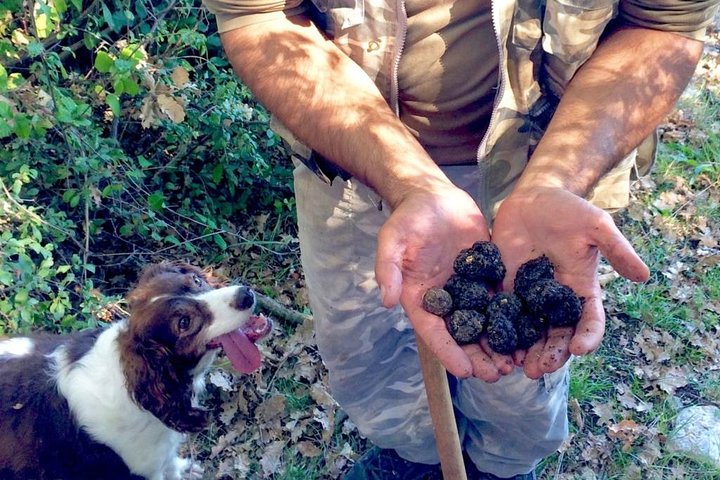
The Real Truffle Hunting in Abruzzo

2 Hours Private Guided Walking Tour in Acquaviva Picena Marche

Exciting E-Bike Tour among the beauties and history of Ascoli

Wine & Local Flavors Tour with Tasting at Cantina D’Erasmo

Private Cheese Tasting Experience in Amatrice
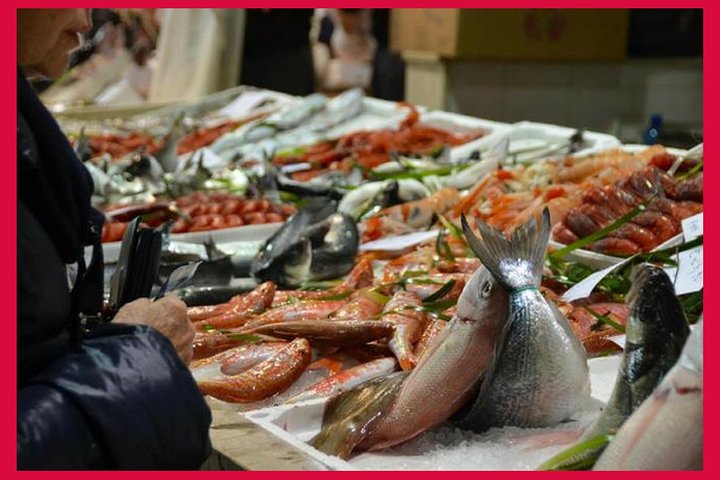
Local Market Tour and Dining experience at a local's home in Ascoli Piceno

Visit and tasting at Erasmo Winery featuring signature wines


 Best Backpacking
.jpg) Hi, I’m Johan (Netherlands 🇳🇱), the creator of TakeYourBackpack. Over the past decade, I’ve backpacked through 80+ countries across six continents, gaining extensive experience with independent travel, long-term trips, and overland routes.
Hi, I’m Johan (Netherlands 🇳🇱), the creator of TakeYourBackpack. Over the past decade, I’ve backpacked through 80+ countries across six continents, gaining extensive experience with independent travel, long-term trips, and overland routes.