
×

Italy🇮🇹 | attractionsPompeii Archaeological ParkPreserved ruins, Roman streets, volcanic backdrop | things to do and best time to go

Explore Vatican MuseumsExplore Doge’s Palace

Backpacking in Pompeii Archaeological Park
🏆 Top pickattraction ranked #3
By Johan Kruseman 🇳🇱 | Updated September 4, 2026

Everyone shows up at Pompeii for the petrified bodies—those famous plaster casts frozen mid-scream, splashed across every travel feed. But here’s the truth: the real magic isn’t the shock value of tragedy, it’s the eerie, everyday life you can still trace in the ruts of ancient cart wheels and the faded graffiti on stone walls. Pompeii Archaeological Park sits just outside Naples, in the shadow of Vesuvius, and it’s a heavyweight on any Italy itinerary. For backpackers, it’s a double-edged sword. The sheer scale is jaw-dropping—whole neighborhoods to wander, not just a handful of ruins. But you’ll pay for it, both in euros and patience; the entrance fee stings, and crowds can feel like a festival gone wrong, especially midday. Still, nowhere else in Italy lets you walk actual Roman streets, duck into a bakery, and feel the pulse of a city paused mid-breath. It’s not just a history lesson—it’s a gut punch.

Discover everything you want to know in the 📖 Italy Travel Guide.


Get your Italy guide
143 ranked highlights, routes & tips, works offline (526 pages)
Loading the map 🌍
CLICK TO FILTER
cities
towns
villages
landmarks
national parks
hikes
beaches
attractions
festivals
regions
SHOW COUNTRY’S BESTSHOW ALL

✨ Why go?
Ranked #3 attraction in Italy
What sets this place apart

Pompeii Archaeological Park is not just another dusty ruin plastered all over Instagram—it’s a brutal, raw snapshot of history frozen in time. Yes, it’s crowded, especially in peak season, and the entrance fee isn’t pocket change for a backpacker. But here’s the deal: this place is a cultural heavyweight. Walking through Pompeii means stepping into a city abruptly silenced by Vesuvius in 79 AD, where every cracked wall and preserved mosaic tells a story of everyday Roman life—gritty, chaotic, and shockingly relatable.

The adrenaline hits when you realize you’re literally tracing the footsteps of people who lived, loved, and died here nearly two millennia ago. It’s a visceral connection to history that no textbook or museum display can replicate. For backpackers trekking through Italy, Pompeii … read more 👉
Pompeii Archaeological Park is not just another dusty ruin plastered all over Instagram—it’s a brutal, raw snapshot of history frozen in time. Yes, it’s crowded, especially in peak season, and the entrance fee isn’t pocket change for a backpacker. But here’s the deal: this place is a cultural heavyweight. Walking through Pompeii means stepping into a city abruptly silenced by Vesuvius in 79 AD, where every cracked wall and preserved mosaic tells a story of everyday Roman life—gritty, chaotic, and shockingly relatable.

The adrenaline hits when you realize you’re literally tracing the footsteps of people who lived, loved, and died here nearly two millennia ago. It’s a visceral connection to history that no textbook or museum display can replicate. For backpackers trekking through Italy, Pompeii is a milestone—an anchor point that grounds the entire journey in something profoundly real. It’s not just about ticking off a famous site; it’s about experiencing the weight of time and tragedy firsthand. If you’re willing to brave the crowds and invest the effort, Pompeii delivers a payoff that’s as much about perspective as it is about spectacle.
Want to include Pompeii Archaeological Park in your Italy route?
Create a personalized Italy itinerary that includes Pompeii Archaeological Park and the places that fit your trip — based on your travel style, budget, and available time. Get your route in seconds.

Generate my trip

💡 HighlightsPlaces and moments you shouldn't skip

The Forum
Forget the Instagram shots of empty ruins at sunrise. The Forum is rarely empty, and yes, you’ll be dodging tour groups wielding selfie sticks like medieval weapons. But this is the beating heart of ancient Pompeii—where politics, gossip, and commerce collided. Stand here and you’re literally in the city’s living room, surrounded by the bones of temples, markets, and the looming backdrop of Vesuvius. The scale is what gets you: it’s not a postcard, it’s a stage, and you’re standing where the drama of daily Roman life unfolded.


The Lupanar (Brothel)
Let’s drop the pretense: Pompeii’s brothel is not just a titillating sideshow. It’s a blunt, unfiltered look at Roman society—complete with stone beds and frescoes that leave nothing to the imagination. The crowds here are thick, and … read more 👉
The Forum
Forget the Instagram shots of empty ruins at sunrise. The Forum is rarely empty, and yes, you’ll be dodging tour groups wielding selfie sticks like medieval weapons. But this is the beating heart of ancient Pompeii—where politics, gossip, and commerce collided. Stand here and you’re literally in the city’s living room, surrounded by the bones of temples, markets, and the looming backdrop of Vesuvius. The scale is what gets you: it’s not a postcard, it’s a stage, and you’re standing where the drama of daily Roman life unfolded.


The Lupanar (Brothel)
Let’s drop the pretense: Pompeii’s brothel is not just a titillating sideshow. It’s a blunt, unfiltered look at Roman society—complete with stone beds and frescoes that leave nothing to the imagination. The crowds here are thick, and the giggles are real, but if you can tune out the snickering, you’ll see how transactional and matter-of-fact ancient life could be. It’s a reminder that history isn’t always noble statues and marble columns; sometimes it’s graffiti and practical solutions to human needs.


The Plaster Casts
This is the gut punch. The plaster casts of Pompeii’s victims—men, women, children, even a dog—are not staged for your entertainment. They’re the real, contorted remains of people caught mid-escape, frozen by ash and time. No amount of Instagram filtering can soften the impact of seeing a family huddled together or a dog curled in its final moments. It’s raw, it’s uncomfortable, and it’s the most honest history lesson you’ll ever get.


Villa of the Mysteries
A little off the main drag, which means you’ll dodge some of the crowds, the Villa of the Mysteries is where Pompeii stops being a ruin and starts feeling like a living, breathing home. The frescoes here are wild—vivid reds, enigmatic rituals, and figures that look like they could step out of the wall. Theories abound about what’s actually happening in these paintings, but that’s half the fun. It’s art, mystery, and ancient drama rolled into one. This one’s my personal favorite—it’s where the city’s soul feels most alive.


The Amphitheater
Older than Rome’s Colosseum and twice as atmospheric, the Amphitheater is where Pompeiians came for blood, spectacle, and a good time. Stand at the top and you can almost hear the roar of the crowd. It’s not polished or sanitized; the stone seats are worn, the arena floor is rough, and the ghosts of gladiators are never far away. If you want to feel the pulse of ancient entertainment, this is the spot.


House of the Faun
This isn’t just another ruined mansion. The House of the Faun is a sprawling, labyrinthine estate that shows off the swagger of Pompeii’s elite. The mosaics—especially the famous “Alexander Mosaic”—are jaw-dropping in their detail and ambition. Wander through the courtyards and you’ll get a sense of just how much style and ego the Romans could pack into a home. It’s a reminder that luxury and art weren’t invented yesterday.
Spotted a mistake or missing something? Contact us.

Things to do around Pompeii Archaeological Park

Ratings based on Tripadvisor reviews. When you book through this link, you support our work at no extra cost to you.

🌤️ When to go?Best time to visit Pompeii Archaeological Park


  • Weather: The best weather hits from April to June and September to October. You’ll dodge the scorching heat of July and August, which can push temperatures above 35°C (95°F), turning your walk through ruins into a sweat fest.

  • Temperature: Spring and fall offer a sweet spot—daytime highs hover around 20-25°C (68-77°F), perfect for exploring without overheating or freezing. Winters are mild but can be damp and chilly, around 10-15°C (50-59°F), which isn’t ideal for long outdoor treks.

  • Daylight Hours: Longer days from May through September mean more time to soak in the site without rushing. In winter, daylight shrinks to about 9-10 hours, cutting your exploration window significantly.

  • Crowds: Peak season (June to August) floods the park with tourists, especially midday. Early spring
read more 👉

  • Weather: The best weather hits from April to June and September to October. You’ll dodge the scorching heat of July and August, which can push temperatures above 35°C (95°F), turning your walk through ruins into a sweat fest.

  • Temperature: Spring and fall offer a sweet spot—daytime highs hover around 20-25°C (68-77°F), perfect for exploring without overheating or freezing. Winters are mild but can be damp and chilly, around 10-15°C (50-59°F), which isn’t ideal for long outdoor treks.

  • Daylight Hours: Longer days from May through September mean more time to soak in the site without rushing. In winter, daylight shrinks to about 9-10 hours, cutting your exploration window significantly.

  • Crowds: Peak season (June to August) floods the park with tourists, especially midday. Early spring and late fall see fewer visitors, letting you wander with more breathing room and better photo ops.

  • Seasonal Activities: Summer sometimes hosts evening tours and special events, but these come with premium prices and crowds. Spring and fall lack flashy extras but offer the pure, unfiltered Pompeii experience.

  • Price Fluctuations: Entrance fees stay steady year-round, but accommodation and transport costs spike in summer. Booking outside peak months saves you cash and hassle.


Pro-tip: Aim for early morning visits in late April or early October—cool air, manageable crowds, and that golden light that makes the ruins feel like a time capsule, not a tourist trap.


source: climatestotravel.comJANJanuary: fair for travelingFEBFebruary: fair for travelingMARMarch: good for travelingAPRApril: excellent for travelingMAYMay: excellent for travelingJUNJune: highly recommended for travelingJULJuly: fair for travelingAUGAugust: fair for travelingSEPSeptember: excellent for travelingOCTOctober: excellent for travelingNOVNovember: good for travelingDECDecember: fair for traveling
italy-attraction-pompeii-archaeological-park
© Google |

✈️ The backpacker research shortcutItaly Travel Guide

An offline-friendly backpacking guide with optimized travel routes, ranked highlights, transport advice, and the best areas to stay.
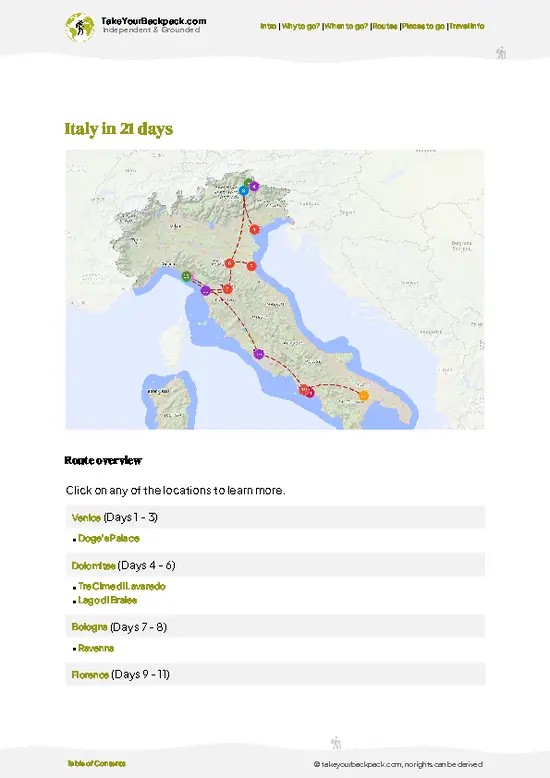
example page 0 from our offline Travel Guide for Italy
example page 1 from our offline Travel Guide for Italy
example page 2 from our offline Travel Guide for Italy
example page 3 from our offline Travel Guide for Italy
example page 4 from our offline Travel Guide for Italy
example page 5 from our offline Travel Guide for Italy
example page 6 from our offline Travel Guide for Italy
example page 7 from our offline Travel Guide for Italy
The digital guide (526 pages) contains:
143 highlights, ranked by travel appeal
Optimized 7, 14 & 21-day travel routes
Cities, national parks, landmarks, beaches
How to get around
Offline-friendly for travel without Wi-Fi
👉 Click to see all 30+ guide features

📅 Plan smarter in minutes, not weeks
Month by month travel advice
Festivals & national holidays
Budget expectations

🗺️ Go to the right places, skip the overrated ones
Honest pros & cons of destinations
Top hikes, parks & viewpoints
Lesser-known places most travelers miss
Clear “worth it vs skip it” guidance

🛏️ Travel smoothly without rookie mistakes
Best areas to stay
Transport systems explained simply
Common scams & safety advice
SIM cards, money & practical tips

🌍 Understand the country, not just visit it
Culture & traditions
52 Essential phrases & customs
Festivals worth planning around
Traveler-friendly historical context
Insights that make places more meaningful

📱 Built for real travel conditions
Fully downloadable PDF
Works completely offline
Optimized for phone use
Useful in remote areas & buses
Everything in one place
Save weeks of stressful planning
Get instant access to your full guide. 30‑day money-back guarantee.
+ Add another guide for just US$7.80

By proceeding you agree to our terms.
Sent to your inbox immediately after payment • 100% Secure Checkout
Best Backpacking Travel Advisor 2025 tourism awardBest Backpacking
Travel Advisor
2025
What others say about Take Your Backpack Guides:
⭐⭐⭐⭐⭐
Fantastic, amazing amount of information!
⭐⭐⭐⭐⭐
My goodness this is amazing, it's what I've been looking for hats off too you!
⭐⭐⭐⭐⭐
I think this is absolutely BRILLIANT
⭐⭐⭐⭐
Very complete and informative. It's still missing places, but I gotta to commend you
⭐⭐⭐⭐⭐
This is truly amazing, thank you, can't wait to explore it with my kids!
⭐⭐⭐⭐⭐
Awesome resource, thank you!
⭐⭐⭐⭐⭐
This is amazing! Can't wait to explore the ones I haven't seen
⭐⭐⭐⭐
I love this! Well done, great idea.
⭐⭐⭐⭐⭐
Thanks for taking the time to make this gem!
⭐⭐⭐⭐⭐
This might be the best website I've ever seen.
⭐⭐⭐⭐⭐
Congratulations, and thank you so much for your work; it's incredibly valuable.
⭐⭐⭐⭐
In all seriousness I think you did a great job pointing out the important spots
⭐⭐⭐⭐⭐
10/10 very good
⭐⭐⭐⭐⭐
As someone who's only just starting to visit regularly this is awesome, thank you.
⭐⭐⭐⭐
Thank you very much! I'm going to visit my dad, it's going to be very useful!
⭐⭐⭐⭐⭐
This is really cool! We'll be travelling for the first time and this definitely come in handy.
⭐⭐⭐⭐⭐
You are now our minister of culture, congratulations 👨‍💼
⭐⭐⭐⭐⭐
Just wanted to tell you that this is a pearl! Going to follow your recommendations.
⭐⭐⭐⭐⭐
This is so cool. I'll definitely be using the resource for my travels soon.
⭐⭐⭐⭐⭐
This is very impressive! Good work.
⭐⭐⭐⭐⭐
This is an amazing and informative site. Very well done!

🛏️ Where to stay?Best areas and accommodation options

Pompeii Archaeological Park is a magnet for travelers, but let’s cut through the postcard-perfect hype. Yes, it’s packed—especially mid-morning and during peak season. The crowds can feel like a herd, and entrance fees aren’t exactly pocket change for a budget traveler. But here’s the kicker: the real magic isn’t just in the ruins themselves; it’s in how you experience them.

If you want to stay close and keep your backpacker vibe alive, focus on the town of Pompei itself. It’s a short walk or quick bus ride to the park, which means you can hit the site early or late to dodge the worst crowds. … read more 👉
Pompeii Archaeological Park is a magnet for travelers, but let’s cut through the postcard-perfect hype. Yes, it’s packed—especially mid-morning and during peak season. The crowds can feel like a herd, and entrance fees aren’t exactly pocket change for a budget traveler. But here’s the kicker: the real magic isn’t just in the ruins themselves; it’s in how you experience them.

If you want to stay close and keep your backpacker vibe alive, focus on the town of Pompei itself. It’s a short walk or quick bus ride to the park, which means you can hit the site early or late to dodge the worst crowds. Pompei’s streets buzz with local life, affordable eateries, and a handful of lively bars where solo travelers can swap stories without breaking the bank. It’s safe, straightforward, and social without the tourist trap feel.

Another option is the nearby town of Scafati. It’s less polished but offers a genuine slice of southern Italian life and cheaper stays. The trade-off is a longer commute, but the local markets and authentic trattorias make it worth the extra effort.

Skip the flashy resorts near the park. For backpackers, the real value is in these gritty, lived-in neighborhoods where you can recharge, connect, and prepare for your next day wandering through history.

👛 Costs (as of 4 September 2026)Typical daily expenses

The standard ticket price for Pompeii Archaeological Park is €16. Reduced tickets for EU citizens aged 18-25 cost €2. Additional costs may include guided tours or audio guides, typically ranging from €5 to €10. Some special exhibitions or night tours may have separate fees.

source: pompeiisites.org
⚠️ Prices can change and everyone travels differently, so take this as a rough guide. Hope it helps you plan your adventure!

FAQCommon questions from travelers

A minimum of 3 to 4 hours is needed to visit Pompeii Archaeological Park thoroughly, though a full day is ideal to explore the extensive ruins without rushing. The site covers about 170 acres with many well-preserved structures and frescoes.
Yes, Pompeii Archaeological Park is worth the entrance fee, which is around 16 euros for adults. The site offers a unique glimpse into ancient Roman life frozen in time by the eruption of Mount Vesuvius in 79 AD, making it a valuable historical and cultural experience.
You can get to Pompeii Archaeological Park by taking the Circumvesuviana train from Naples or Sorrento to Pompeii Scavi-Villa dei Misteri station, which is a short walk from the entrance. Alternatively, regional buses and guided tours are available from nearby cities.
⚠️ Things can change over time, so always validate details locally before you go.

Other Italian attractions near Pompeii Archaeological Park

Explore more nearby:


💡 Not sure where to go next?
Create a personalized itinerary for Italy including Pompeii Archaeological Park and the places that fit your trip.

Generate my itinerary

👉 Discover all attractions

Or checkout all Italy has to offer (think cities, towns, villages, national parks, hikes, beaches, festivals)
Country photo of Italy

We 💚 feedbackKey takeaways before you go

Pompeii Archaeological Park is a raw, gritty time capsule that smacks you with the reality of ancient life frozen mid-chaos. It’s not a polished museum experience—expect crowds, dust, and a lot of walking under the sun. But if you lean into that roughness, the haunting plaster casts and crumbling streets tell stories no glossy guidebook can match. Just come ready to sweat a bit and soak in history that’s as real as it gets.

✈️ When did I visit Italy?
Italy I have vistited a couple of times: Rome already when I was still in high school, and I did a 7 day hike in the Dolomites in 2021.

✍️ Help improve this page!
The information on this page is based on my own backpacking experience in Italy, supplemented with up-to-date research and feedback from other travelers. Travel details can change, so if you notice anything outdated or incomplete, feel free to let me know.


🙋‍♂️ Give feedback

👋 Meet the founderWho’s Behind Take Your Backpack?

Johan, backpacker and founder of TakeYourBackpackHi, I’m Johan (Netherlands 🇳🇱), the creator of TakeYourBackpack. Over the past decade, I’ve backpacked through 80+ countries across six continents, gaining extensive experience with independent travel, long-term trips, and overland routes.

This site is built on a combination of firsthand travel experience and carefully curated insights from other backpackers. Many guides are based on places I’ve personally visited, while others bring together tips, observations, and practical advice shared by trusted travelers I’ve met along the way.

The goal is to provide realistic, experience-driven guidance — not generic itineraries — so you can explore destinations with better context, clearer expectations, and more confidence.

Get full Italy guide •
Instant download • 143 highlights • Full Offline guide