v2.webp)



The Secret Room Frescoes (Gabinetto Segreto)
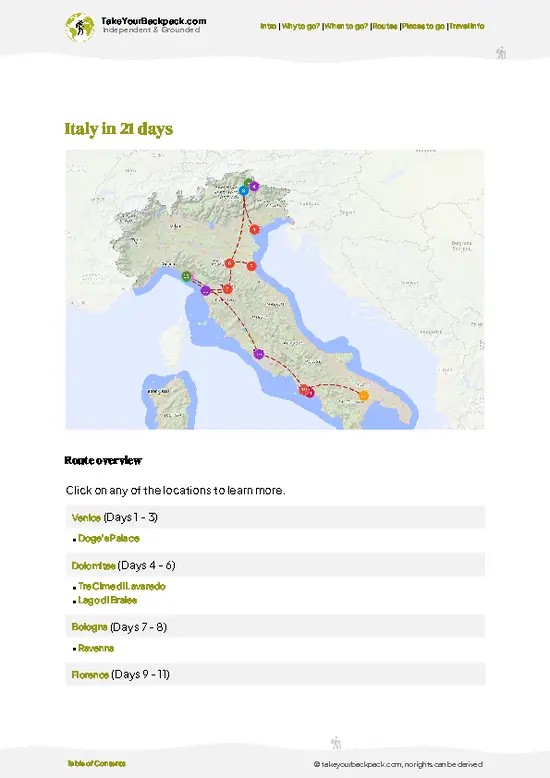
Let’s get real: most museums lock their wildest stories behind velvet ropes. Not here. The Gabinetto Segreto is a gallery of ancient Roman erotic art, once hidden from public view for centuries. It’s not just about shock value—these frescoes and sculptures reveal a side of Roman life that’s raw, playful, and deeply human. You’ll see the kind of artifacts that made 19th-century visitors blush and censors scramble for keys. If you want to understand the Romans as people, not just marble busts, this is the room that delivers.
The Farnese Bull
This isn’t just a statue; it’s a mountain of marble drama. The Farnese Bull is the largest single sculpture recovered from antiquity, and it’s a swirling, chaotic scene of mythological punishment. You can walk … read more 👉
Let’s get real: most museums lock their wildest stories behind velvet ropes. Not here. The Gabinetto Segreto is a gallery of ancient Roman erotic art, once hidden from public view for centuries. It’s not just about shock value—these frescoes and sculptures reveal a side of Roman life that’s raw, playful, and deeply human. You’ll see the kind of artifacts that made 19th-century visitors blush and censors scramble for keys. If you want to understand the Romans as people, not just marble busts, this is the room that delivers.
The Farnese Bull
This isn’t just a statue; it’s a mountain of marble drama. The Farnese Bull is the largest single sculpture recovered from antiquity, and it’s a swirling, chaotic scene of mythological punishment. You can walk … read more 👉
The Secret Room Frescoes (Gabinetto Segreto)
Let’s get real: most museums lock their wildest stories behind velvet ropes. Not here. The Gabinetto Segreto is a gallery of ancient Roman erotic art, once hidden from public view for centuries. It’s not just about shock value—these frescoes and sculptures reveal a side of Roman life that’s raw, playful, and deeply human. You’ll see the kind of artifacts that made 19th-century visitors blush and censors scramble for keys. If you want to understand the Romans as people, not just marble busts, this is the room that delivers.
The Farnese Bull
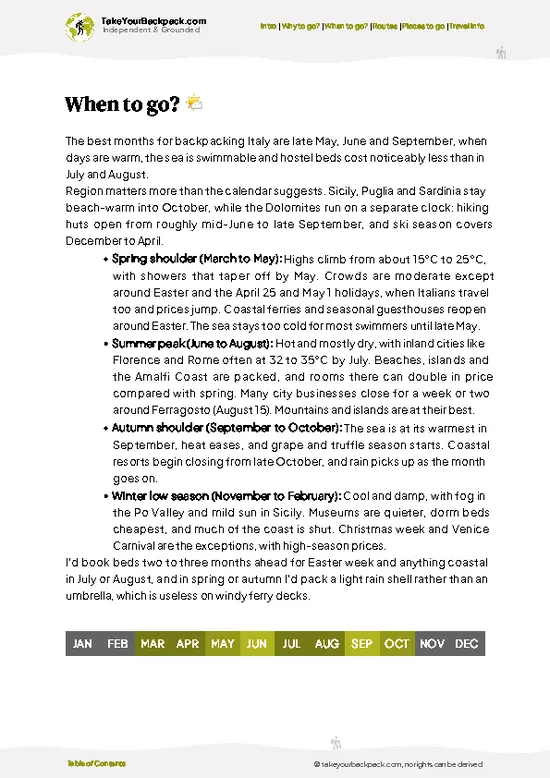
This isn’t just a statue; it’s a mountain of marble drama. The Farnese Bull is the largest single sculpture recovered from antiquity, and it’s a swirling, chaotic scene of mythological punishment. You can walk around it and feel the tension in every muscle, the agony in every face. Forget polite admiration—this piece grabs you by the collar and demands your attention. It’s the kind of art that makes you realize how tame most modern sculpture really is.
The Alexander Mosaic
If you’ve seen this on Instagram, you’ve seen a postage-stamp version of the real thing. The mosaic is enormous, a battlefield frozen in stone, with Alexander the Great charging into the chaos. The detail is absurd: horses’ eyes rolling, spears mid-flight, dust clouds you can almost taste. It’s not just a pretty floor—this was the centerpiece of a Roman villa, and standing over it, you get a rush of ancient adrenaline. This is my personal favorite. No photo does it justice; you have to see it in person to feel the electricity.
The Pompeii and Herculaneum Collection
Here’s where the museum earns its reputation. The rooms dedicated to Pompeii and Herculaneum are packed with everyday objects, frescoes, and mosaics yanked straight from the ash. It’s not sanitized history—it’s raw, sometimes tragic, sometimes funny. You’ll see graffiti scratched into walls, kitchen utensils, even carbonized bread. This is the closest you’ll get to time travel in Italy, and it’s a crash course in how ordinary Romans lived, loved, and panicked when Vesuvius blew.
The Farnese Hercules
This guy is the original gym inspiration. The Farnese Hercules is massive, battered, and somehow more heroic for it. He’s leaning on his club, exhausted after his labors, muscles sagging with real weight. Unlike the airbrushed heroes of modern pop culture, this Hercules looks like he’s actually done the work. Stand next to him and you’ll feel both tiny and oddly motivated.
The Egyptian Collection
It’s easy to overlook, but don’t. The Egyptian rooms are a quiet detour from the Greco-Roman blockbuster galleries, and they’re packed with mummies, statues, and everyday objects that survived millennia. The vibe is different—darker, more mysterious, and a reminder that Naples was a crossroads of the ancient world. If you need a break from marble, this is where to find it.
Let’s get real: most museums lock their wildest stories behind velvet ropes. Not here. The Gabinetto Segreto is a gallery of ancient Roman erotic art, once hidden from public view for centuries. It’s not just about shock value—these frescoes and sculptures reveal a side of Roman life that’s raw, playful, and deeply human. You’ll see the kind of artifacts that made 19th-century visitors blush and censors scramble for keys. If you want to understand the Romans as people, not just marble busts, this is the room that delivers.
The Farnese Bull
This isn’t just a statue; it’s a mountain of marble drama. The Farnese Bull is the largest single sculpture recovered from antiquity, and it’s a swirling, chaotic scene of mythological punishment. You can walk around it and feel the tension in every muscle, the agony in every face. Forget polite admiration—this piece grabs you by the collar and demands your attention. It’s the kind of art that makes you realize how tame most modern sculpture really is.
The Alexander Mosaic
If you’ve seen this on Instagram, you’ve seen a postage-stamp version of the real thing. The mosaic is enormous, a battlefield frozen in stone, with Alexander the Great charging into the chaos. The detail is absurd: horses’ eyes rolling, spears mid-flight, dust clouds you can almost taste. It’s not just a pretty floor—this was the centerpiece of a Roman villa, and standing over it, you get a rush of ancient adrenaline. This is my personal favorite. No photo does it justice; you have to see it in person to feel the electricity.
The Pompeii and Herculaneum Collection
Here’s where the museum earns its reputation. The rooms dedicated to Pompeii and Herculaneum are packed with everyday objects, frescoes, and mosaics yanked straight from the ash. It’s not sanitized history—it’s raw, sometimes tragic, sometimes funny. You’ll see graffiti scratched into walls, kitchen utensils, even carbonized bread. This is the closest you’ll get to time travel in Italy, and it’s a crash course in how ordinary Romans lived, loved, and panicked when Vesuvius blew.
The Farnese Hercules
This guy is the original gym inspiration. The Farnese Hercules is massive, battered, and somehow more heroic for it. He’s leaning on his club, exhausted after his labors, muscles sagging with real weight. Unlike the airbrushed heroes of modern pop culture, this Hercules looks like he’s actually done the work. Stand next to him and you’ll feel both tiny and oddly motivated.
The Egyptian Collection
It’s easy to overlook, but don’t. The Egyptian rooms are a quiet detour from the Greco-Roman blockbuster galleries, and they’re packed with mummies, statues, and everyday objects that survived millennia. The vibe is different—darker, more mysterious, and a reminder that Naples was a crossroads of the ancient world. If you need a break from marble, this is where to find it.
Spotted a mistake or missing something? Contact us.

Discover the Magic of the Amalfi and Sorrento Coast by Vespa

Private Amalfi Coast Tour: Scenic Positano, Amalfi & Ravello

Amalfi Coast Experience with our English - speaking drivers

The Godfather of the Amalfi Coast

Amalfi Ravello Positano Tour

Private Transfer from Naples to Positano

Wine & Cooking Experience with Local Family at Cortecorbo Winery

Ischia island private excursion on Gozzo Fratelli Aprea 7,5m

Private transfer from Naples/Salerno to Sorrento, or vice versa


 Best Backpacking
.jpg) Hi, I’m Johan (Netherlands 🇳🇱), the creator of TakeYourBackpack. Over the past 3 decades, I’ve backpacked through 90+ countries across six continents, gaining extensive experience with independent travel, long-term trips, and overland routes.
Hi, I’m Johan (Netherlands 🇳🇱), the creator of TakeYourBackpack. Over the past 3 decades, I’ve backpacked through 90+ countries across six continents, gaining extensive experience with independent travel, long-term trips, and overland routes.