How many to visit: Plan on one major attraction per day, and two on a day with a short transit. More than that is wasted money. A big museum or ruin takes 2 to 4 hours to see properly, and by the third site in a day your attention is gone. Over 10 days, 8 to 12 paid attractions is the sensible range, with the rest of your time given to free churches, piazzas, markets and walking.
Prioritizing by travel style: For history and art, book the headline sites ahead and spend your best morning hours there. Early entry slots (8:30 or 9:00) cut crowd stress sharply. For budget travelers, prioritize free or low-cost sites: most churches are free, many small civic museums cost €5 to 10, and Rome’s Pantheon and many cathedrals now charge small fees of €5 or less in some cases. For those who want atmosphere …
read more 👉 How many to visit: Plan on one major attraction per day, and two on a day with a short transit. More than that is wasted money. A big museum or ruin takes 2 to 4 hours to see properly, and by the third site in a day your attention is gone. Over 10 days, 8 to 12 paid attractions is the sensible range, with the rest of your time given to free churches, piazzas, markets and walking.
Prioritizing by travel style: For history and art, book the headline sites ahead and spend your best morning hours there. Early entry slots (8:30 or 9:00) cut crowd stress sharply. For budget travelers, prioritize free or low-cost sites: most churches are free, many small civic museums cost €5 to 10, and Rome’s Pantheon and many cathedrals now charge small fees of €5 or less in some cases. For those who want atmosphere over checklists, spend more time in mid-size towns such as Lecce, Bologna, Lucca or Matera. For outdoor travelers, the Dolomites, Cinque Terre trails and Sicilian volcanoes cost far less than museum-heavy cities.
What is not worth the time: Skip the guided “skip-the-line” tours sold by street touts, as they often cost €40 to 70 for access you can book yourself for €15 to 25. Skip gondola rides (about €80 to 100 for 30 minutes), and skip restaurants with picture menus near major landmarks. Climbing every tower is repetitive, so pick one view per city. A multi-day city pass pays off only if you visit four or more included sites in the window, so do the math first.
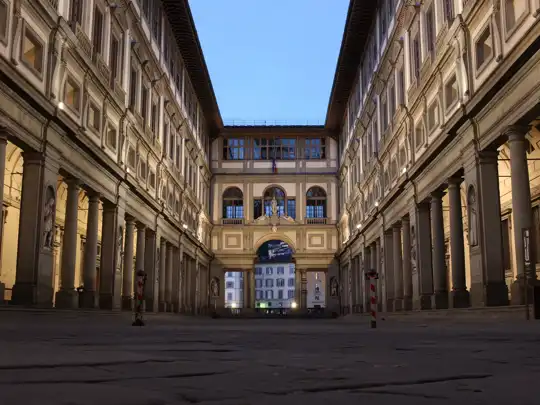
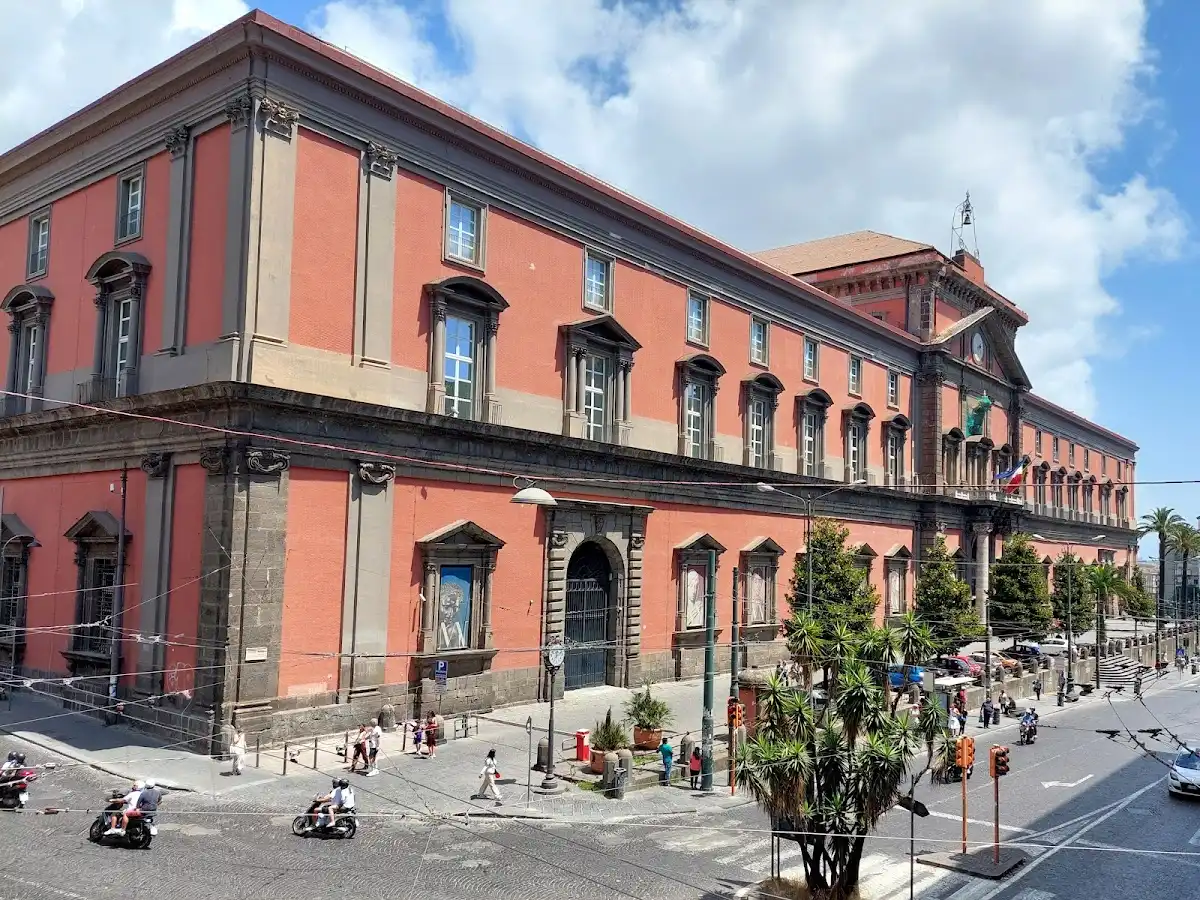
Budget: Expect US$60 to 100 a day (about €55 to 95) for a backpacker who stays in hostels, eats at bakeries and trattorias, and visits one paid site a day. Add roughly €15 to 30 per major site (Colosseum combined ticket about €18 to 25, Uffizi €25 and up in high season, Vatican Museums about €20 to 25), €5 to 12 for smaller museums, €25 to 40 for a good small-group guided tour or €10 to 15 for an audio guide, and €2 to 6 for local buses or trams. Regional trains cost €5 to 20 for most short hops. Many state museums are free on the first Sunday of each month, which sounds good but brings heavy lines, so use it for secondary sites. Visitor taxes in many cities add €2 to 7 per person per night.
Safety: Italy is safe for violent crime, but
pickpocketing is common around Rome’s Termini station, Naples’ main station, the Milan metro, Venice’s vaporetti and busy queues. Keep your phone and wallet in front pockets or a zipped bag, and treat people offering to help with ticket machines as a warning sign. Fake tour sellers and “friendship bracelet” scams cluster near the major landmarks. Always validate regional train tickets in the green or yellow machines before boarding, since fines run €50 or more.
Cultural rules: Cover shoulders and knees for churches and the Vatican, and carry a light scarf. Photography is banned in some chapels, and guards enforce silence. Lunch closures of 12:30 to 15:30 are normal in smaller towns, so plan sites around them. Carry ID or passport copies, as bag checks at major sites are routine and large backpacks must go to cloakrooms, so travel with a small daypack.





 Best Backpacking
 Hi, I’m Johan (Netherlands 🇳🇱), the creator of TakeYourBackpack. Over the past 3 decades, I’ve backpacked through 90+ countries across six continents, gaining extensive experience with independent travel, long-term trips, and overland routes.