v2.webp)
- Basilica di San Vitale — The city’s showpiece: a compact, brilliantly lit Byzantine jewel-box full of mosaics (think Justinian and Theodora panels) and an amazingly intact octagonal plan. Go early to avoid tour groups and really stare at the details.
- Mausoleum of Galla Placidia — Tiny but unforgettable: a 5th-century funerary chapel whose deep-blue, starry mosaics feel otherworldly up close. It’s one of those places where the mosaic tesserae are so fine you can read a face like a portrait.
- Basilica of Sant’Apollinare Nuovo — A long nave lined with uninterrupted processions of saints and angels in glowing mosaic bands; less crowded than San Vitale yet just as powerful for understanding Ravenna’s religious and artistic history.
- Battistero Neoniano (Neon Baptistery) — A compact, domed baptistery
- Basilica di San Vitale — The city’s showpiece: a compact, brilliantly lit Byzantine jewel-box full of mosaics (think Justinian and Theodora panels) and an amazingly intact octagonal plan. Go early to avoid tour groups and really stare at the details.
- Mausoleum of Galla Placidia — Tiny but unforgettable: a 5th-century funerary chapel whose deep-blue, starry mosaics feel otherworldly up close. It’s one of those places where the mosaic tesserae are so fine you can read a face like a portrait.
- Basilica of Sant’Apollinare Nuovo — A long nave lined with uninterrupted processions of saints and angels in glowing mosaic bands; less crowded than San Vitale yet just as powerful for understanding Ravenna’s religious and artistic history.
- Battistero Neoniano (Neon Baptistery) — A compact, domed baptistery with a stunning mosaic Christ Pantocrator in the conch and evocative sea-life motifs below. It’s great for a short, atmospheric stop — bring a jacket, it’s cool inside.
- Battistero degli Ariani (Arian Baptistery) — Simpler than the Neon, but historically fascinating: shows the Arian Christian community’s version of baptismal imagery and highlights Ravenna’s role as a crossroads of late-antique beliefs.
- Mausoleo di Teodorico (Mausoleum of Theodoric) — A massive, single-stone roof and austere exterior hide a rare Ostrogothic royal tomb from the 6th century. It’s raw and weirdly modern in its monumentality — a different flavor from the mosaics.
- Tomba di Dante (Dante’s Tomb) — The final resting place of the poet who wrote the Divine Comedy; the tomb sits in a quiet piazza and carries a gentle, pilgrimage-like atmosphere. A quick cultural must for literature lovers.
- Domus dei Tappeti di Pietra — An archaeological underfloor domus with intact mosaic “carpets” and Roman/Byzantine domestic remains discovered beneath the city. It’s intimate, tactile history — you can almost imagine daily life here 1,500 years ago.
- Museo Nazionale di Ravenna — The city’s main archaeological museum, holding sculptures, sarcophagi, and objects that contextualize the mosaics and buildings you’ll see around town. Good if you want the backstory without a lecture.
- Basilica di Santa Maria Maggiore — A quieter early Christian basilica with surviving mosaic fragments, an impressive 9th-century ambo and layered architecture that shows Ravenna’s evolution across centuries. Perfect if you want beauty without crowds.
Spotted a mistake or missing something? Contact us.

Guided Tour of Mosaic Tiles in Ravenna
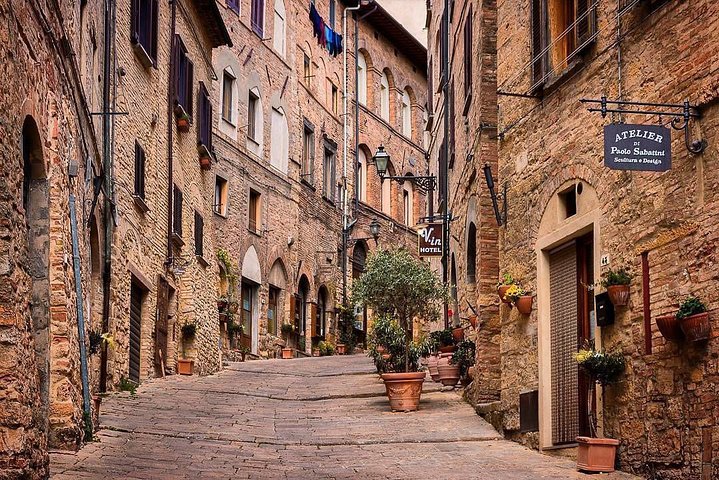
Private Tour in Siena, San Gimignano and Chianti Day Trip from Florence

Ravenna, the Most Beautiful Mosaics in the City of Paradise

Ravenna: Mosaics and Highlights Guided Tour with Admission Ticket

Best of RAVENNA on a Private Tour

Ravenna Port to Venice with Deluxe Tour by Boat and Gondola

Wonderful Ravenna, visit 3 UNESCO sites with a local guide on a private tour

Ravenna UNESCO Monuments with Pasta, Piadina and Gelato Tasting

Ravenna Mosaics and Highlights Private Tour with a Local Guide


 Best Backpacking
.jpg) Hi, I’m Johan (Netherlands 🇳🇱), the creator of TakeYourBackpack. Over the past decade, I’ve backpacked through 80+ countries across six continents, gaining extensive experience with independent travel, long-term trips, and overland routes.
Hi, I’m Johan (Netherlands 🇳🇱), the creator of TakeYourBackpack. Over the past decade, I’ve backpacked through 80+ countries across six continents, gaining extensive experience with independent travel, long-term trips, and overland routes.