v2.webp)
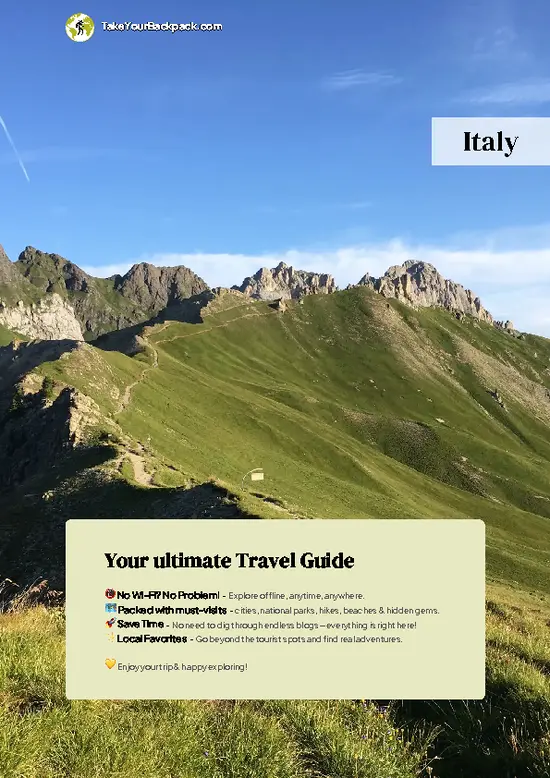
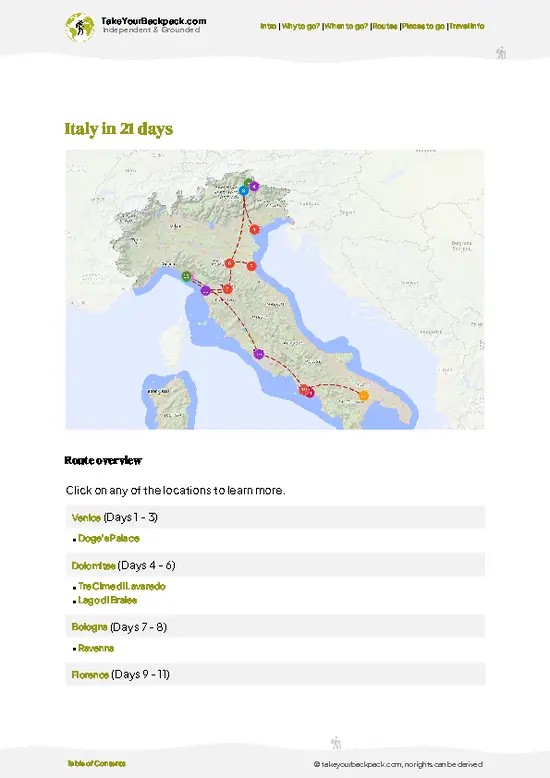
- Piazza Maggiore & Basilica di San Petronio — The city’s living room: a huge medieval square framed by palazzi, cafés and, dominating it all, San Petronio—an unfinished, monumental basilica with a fascinating solar meridian on the floor and a cool mix of civic pride and religious history.
- Le Due Torri (Asinelli & Garisenda) — Bologna’s skyline signature. Climb the taller Torre degli Asinelli (there’s a fee and a steep stairwell) for one of the best bird’s-eye views over the terracotta roofs and the hills beyond.
- Archiginnasio and the Teatro Anatomico — The original seat of the university, full of carved coats-of-arms and scholars’ graffiti; the tiny, wood-carved anatomy theatre feels like stepping into the city’s academic past.
- Quadrilatero market area — A compact labyrinth of food stalls,
- Piazza Maggiore & Basilica di San Petronio — The city’s living room: a huge medieval square framed by palazzi, cafés and, dominating it all, San Petronio—an unfinished, monumental basilica with a fascinating solar meridian on the floor and a cool mix of civic pride and religious history.
- Le Due Torri (Asinelli & Garisenda) — Bologna’s skyline signature. Climb the taller Torre degli Asinelli (there’s a fee and a steep stairwell) for one of the best bird’s-eye views over the terracotta roofs and the hills beyond.
- Archiginnasio and the Teatro Anatomico — The original seat of the university, full of carved coats-of-arms and scholars’ graffiti; the tiny, wood-carved anatomy theatre feels like stepping into the city’s academic past.
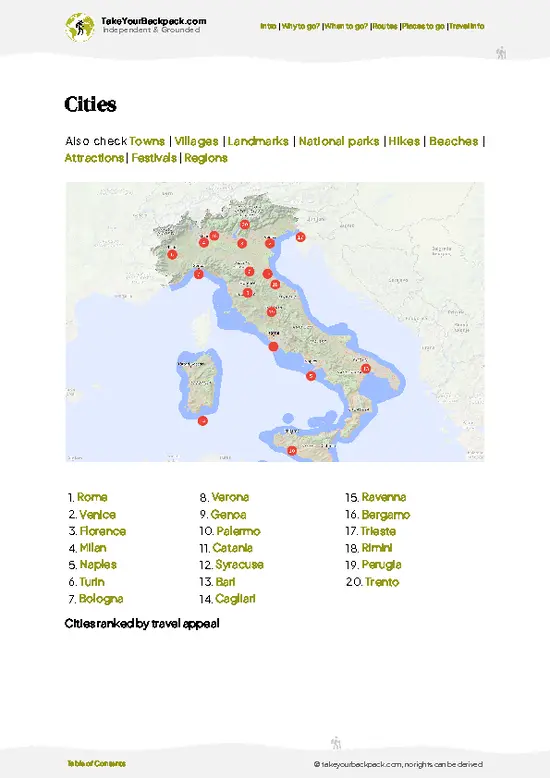
- Quadrilatero market area — A compact labyrinth of food stalls, tiny delis and old-school shops where you can taste mortadella, buy fresh tortellini and feel why Bolognese cuisine is a religion here.
- Portico di San Luca & the Sanctuary of Madonna di San Luca — Walk (or bus) under the world’s longest covered arcade up to the hilltop sanctuary; the climb is a pilgrimage of red bricks and great views, and locals still adore the spot.
- Cimitero Monumentale della Certosa — A surprisingly moving open-air museum: monumental tombs, sculpture, quiet avenues and a walkable park-like atmosphere that shows a different, more reflective side of the city.
- Santo Stefano complex (Le Sette Chiese) — A quirky medieval cluster of churches and cloisters that feels almost like a village trapped in time—great for wandering, peeking into quiet chapels, and soaking up early-Christian layers.
- Finestrella di Via Piella (the little Venice window) — A tiny, easily-missed window onto Bologna’s hidden canal system; short stop, big charm—perfect for a photo and a reminder that Bologna has watery secrets.
- Orto Botanico dell’Università di Bologna — A historic university botanical garden and calm green refuge near the old academic quarter; good for a slow hour among medicinal plants and centuries-old trees.
- Pinacoteca Nazionale di Bologna — The national gallery houses the Bolognese school’s best: Carracci, Reni and others—essential for understanding the city’s artistic identity beyond food and towers.
Spotted a mistake or missing something? Contact us.

Taste of Tradition: Parmigiano, Wine & Balsamic Tour from Bologna

Felsina Culinaria - Personalised Private Cooking Course

Pasta Class in Bologna in a 15th-Century Estate Home with Chiara

Welcome to Bologna! Private Walking Tour

Bologna : Small Group Guided Tour

Bologna: Photo tour with professional photographer

Home Cooking: Pasta Making with Natural Colors in a Tiny Group

Bologna Airport transfer

Bologna Classic Guide Bike Tour


 Best Backpacking
.jpg) Hi, I’m Johan (Netherlands 🇳🇱), the creator of TakeYourBackpack. Over the past 3 decades, I’ve backpacked through 90+ countries across six continents, gaining extensive experience with independent travel, long-term trips, and overland routes.
Hi, I’m Johan (Netherlands 🇳🇱), the creator of TakeYourBackpack. Over the past 3 decades, I’ve backpacked through 90+ countries across six continents, gaining extensive experience with independent travel, long-term trips, and overland routes.