

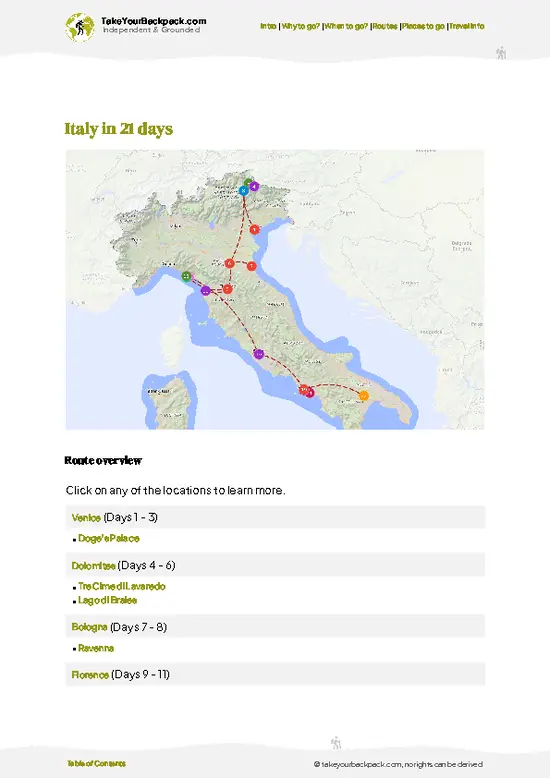
Botticelli’s “The Birth of Venus”
Let’s get this out of the way: yes, you’ll be elbow-to-elbow with a sea of selfie sticks. But there’s a reason everyone’s here. This painting isn’t just famous—it’s a visual thunderclap. The scale, the color, the way Venus seems to float on that shell. In person, the details are sharper, the colors more electric, and the whole thing feels less like a dusty relic and more like a pop star’s album cover. If you want to see the moment Renaissance art went from religious to rebellious, this is it.
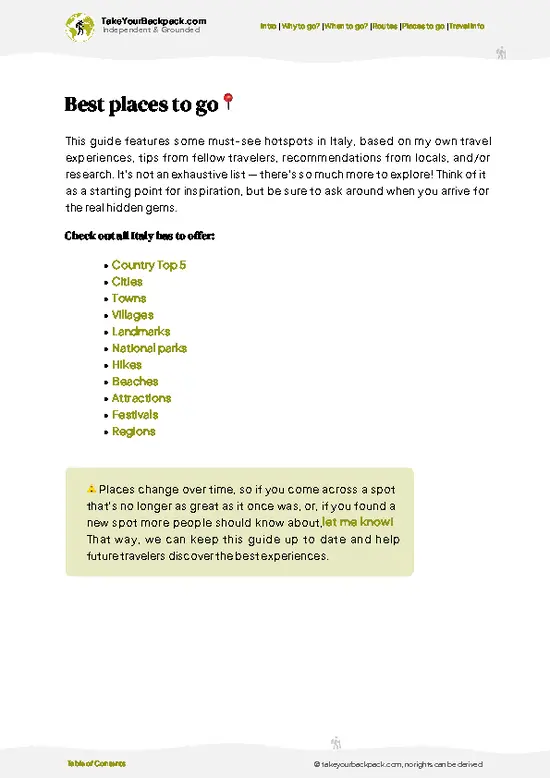
Michelangelo’s “Doni Tondo”
Most people sprint past this one, hunting for the big names. Mistake. Michelangelo’s only finished panel painting is a muscular, swirling riot of color and anatomy. The frame alone is a fever dream of Renaissance woodcarving. You can see the … read more 👉
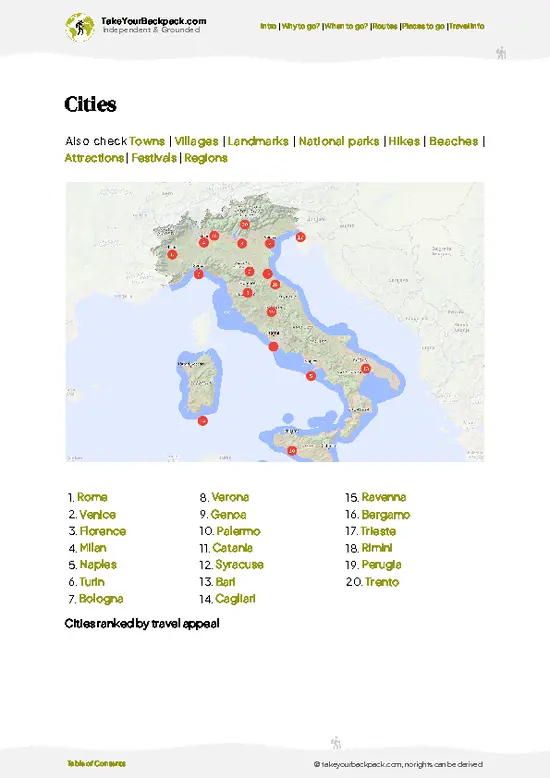
Botticelli’s “The Birth of Venus”
Let’s get this out of the way: yes, you’ll be elbow-to-elbow with a sea of selfie sticks. But there’s a reason everyone’s here. This painting isn’t just famous—it’s a visual thunderclap. The scale, the color, the way Venus seems to float on that shell. In person, the details are sharper, the colors more electric, and the whole thing feels less like a dusty relic and more like a pop star’s album cover. If you want to see the moment Renaissance art went from religious to rebellious, this is it.
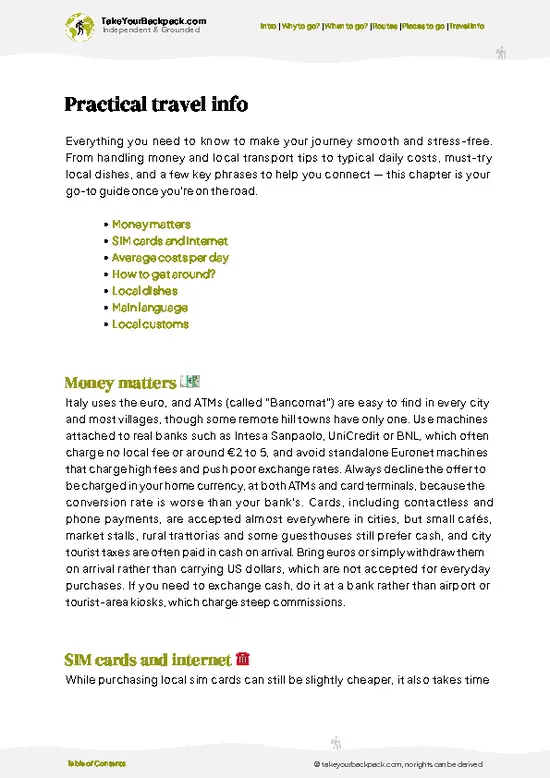
Michelangelo’s “Doni Tondo”
Most people sprint past this one, hunting for the big names. Mistake. Michelangelo’s only finished panel painting is a muscular, swirling riot of color and anatomy. The frame alone is a fever dream of Renaissance woodcarving. You can see the seeds of the Sistine Chapel here—the twisting bodies, the sense of movement, the drama. Stand in front of it and you’ll feel the energy that made Michelangelo a legend.
Caravaggio’s “Medusa”
This isn’t a painting. It’s a weapon. Caravaggio painted Medusa’s severed head on a ceremonial shield, and it’s so vivid you half-expect her to blink. The blood, the wild hair, the look of shock—this is Baroque art as psychological horror. It’s tucked away in a corner, so you can actually get close without a scrum. If you want to see the moment art stopped being polite and started getting real, don’t skip this.
Leonardo da Vinci’s “Annunciation”
Leonardo’s touch is unmistakable. The angel’s wings are painted with the precision of a scientist, and the landscape in the background is pure Leonardo—misty, mysterious, almost otherworldly. It’s not the Mona Lisa, but it’s a masterclass in subtlety and technique. The longer you look, the more you notice: the way the light falls, the delicate hands, the sense of calm.
The Vasari Corridor (View Only)
You can’t walk it unless you book a special tour, but even glimpsing the entrance is a thrill. This secret passageway snakes above the city, connecting the Uffizi to the Pitti Palace. It’s the ultimate power move—a private Renaissance skybridge for the Medici family to move unseen. It’s a reminder that the Uffizi isn’t just an art museum; it’s a slice of political intrigue.
The View from the Top-Floor Windows
Here’s the sleeper hit. Most people are so dazzled by the art that they miss the windows overlooking the Arno and Ponte Vecchio. Step up, take a breath, and look out. Florence sprawls beneath you, golden and chaotic. It’s the best reminder that the Uffizi isn’t just about what’s on the walls—it’s about where you are. This is my personal favorite. After the crowds and masterpieces, this view is pure magic, no filter needed.
Spotted a mistake or missing something? Contact us.

The Florence Pottery Experience: Factory Tour & Masterclass

Farm To table Experience on an organic hilltop estate in Tuscany

The Cooking Lab - Authentic Food Experience

UFFIZI Private Tour in Florence Italy

Small group Expert-led Florence Foodie Tour

Florence San Lorenzo Food Tour by Secret Food Tours

Pasta Cooking class in the countryside

PRIVATE Italian Home Cooking Class & Wine with Fabio & Christiane

2-Hour Private Evening Walking Guided Tour of Florence Culture

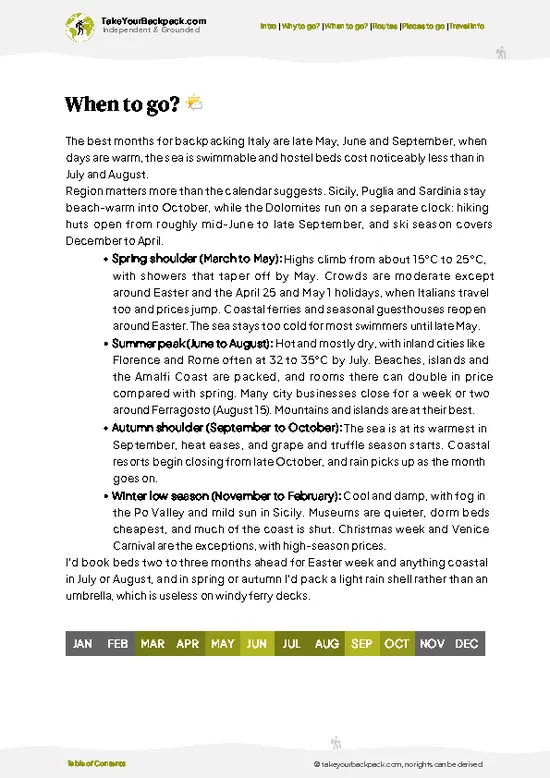
 Best Backpacking

 Hi, I’m Johan (Netherlands 🇳🇱), the creator of TakeYourBackpack. Over the past 3 decades, I’ve backpacked through 90+ countries across six continents, gaining extensive experience with independent travel, long-term trips, and overland routes.