
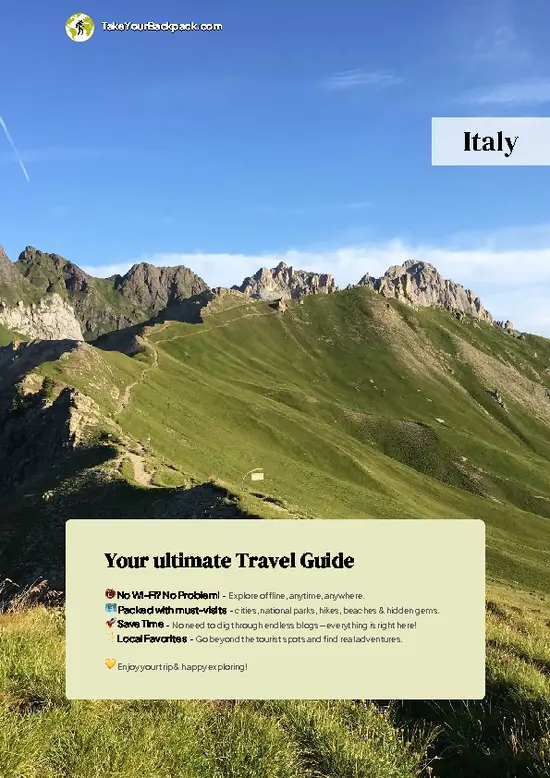

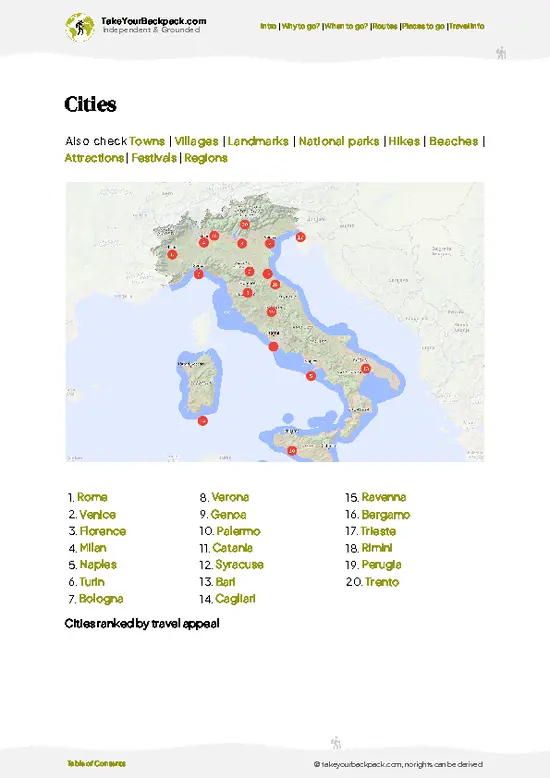
Michelangelo’s DavidLet’s cut through the hype: yes, you’ve seen a thousand photos, but nothing prepares you for the real thing. David isn’t just a statue; he’s a 17-foot punch to the senses. The veins, the tension in his hands, the look in his eyes—this is the moment before the slingshot, and you can feel it in your gut. The crowd will be thick, phones will be everywhere, but stand your ground. Circle him. Notice the way the light hits the marble. This is the gold standard for sculpture, and every other “masterpiece” in Florence is quietly jealous.
The Hall of Prisoners (I Prigioni)This is where Michelangelo’s unfinished slaves claw their way out of stone. It’s raw, almost violent—figures half-trapped, half-emerging, muscles straining against the marble. Forget the polished perfection … read more 👉
The Hall of Prisoners (I Prigioni)This is where Michelangelo’s unfinished slaves claw their way out of stone. It’s raw, almost violent—figures half-trapped, half-emerging, muscles straining against the marble. Forget the polished perfection … read more 👉
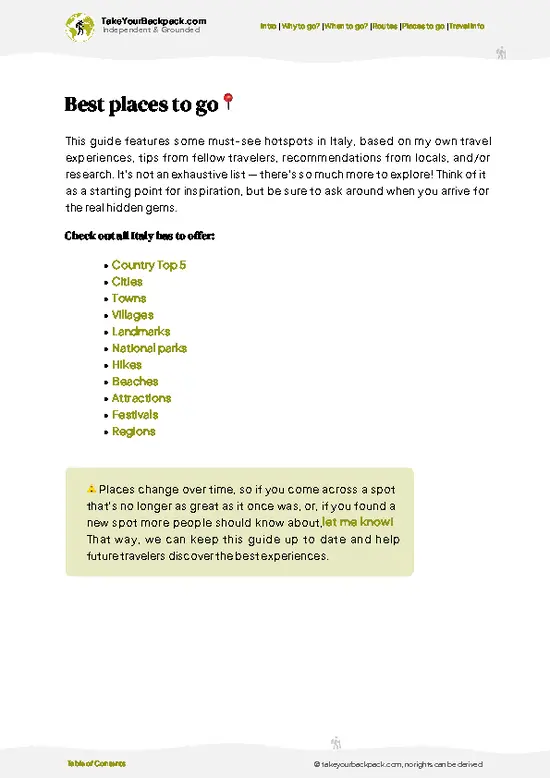
Michelangelo’s DavidLet’s cut through the hype: yes, you’ve seen a thousand photos, but nothing prepares you for the real thing. David isn’t just a statue; he’s a 17-foot punch to the senses. The veins, the tension in his hands, the look in his eyes—this is the moment before the slingshot, and you can feel it in your gut. The crowd will be thick, phones will be everywhere, but stand your ground. Circle him. Notice the way the light hits the marble. This is the gold standard for sculpture, and every other “masterpiece” in Florence is quietly jealous.
The Hall of Prisoners (I Prigioni)This is where Michelangelo’s unfinished slaves claw their way out of stone. It’s raw, almost violent—figures half-trapped, half-emerging, muscles straining against the marble. Forget the polished perfection of David for a second. Here, you see genius in progress, the struggle of creation. It’s messy, it’s honest, and it’s a thousand times more interesting than any Instagram filter. If you want to understand what makes Michelangelo a legend, this is the room.
The TribuneMost people rush past, but this octagonal room is a crash course in Florentine art. The ceilings are painted with allegories, the walls are lined with gold-framed altarpieces, and the whole place feels like a Renaissance fever dream. Stand in the center and spin slowly—this is what “over the top” looked like before social media. It’s a sensory overload in the best way.
Gothic and Renaissance PaintingsIf you’re expecting wall-to-wall Michelangelo, you’ll be surprised. The Accademia’s painting collection is a deep dive into the weird, wild world of medieval and early Renaissance art. Look for the altarpieces by Lorenzo Monaco and the luminous works of Sandro Botticelli. The faces are haunting, the colors are bold, and the religious drama is dialed up to eleven. It’s not subtle, but it’s never boring.
Historic Musical InstrumentsTucked away in a side gallery, this collection is criminally underrated. You’ll find Stradivari violins, ancient harpsichords, and even a piano designed for the Medici. It’s a backstage pass to the soundscape of Renaissance Florence. If you’re a music nerd—or just want a break from the crowds—this is your sanctuary. My personal favorite: the Medici tenor viola, which looks like it could still bring a room to tears.
Plaster Casts and ModelsSkip the gift shop and check out the real souvenirs: the plaster casts and anatomical models used by art students for centuries. They’re weird, sometimes a little creepy, but they show the nuts-and-bolts side of artistic training. This is where the magic gets made, one muscle group at a time.
Spotted a mistake or missing something? Contact us.

The Florence Pottery Experience: Factory Tour & Masterclass

Farm To table Experience on an organic hilltop estate in Tuscany

The Cooking Lab - Authentic Food Experience

UFFIZI Private Tour in Florence Italy

Small group Expert-led Florence Foodie Tour

Florence San Lorenzo Food Tour by Secret Food Tours

Pasta Cooking class in the countryside

PRIVATE Italian Home Cooking Class & Wine with Fabio & Christiane

2-Hour Private Evening Walking Guided Tour of Florence Culture


 Best Backpacking

 Hi, I’m Johan (Netherlands 🇳🇱), the creator of TakeYourBackpack. Over the past 3 decades, I’ve backpacked through 90+ countries across six continents, gaining extensive experience with independent travel, long-term trips, and overland routes.