How Many Parks to Visit: I would advise
three to five parks on a trip of two to three weeks, because each one takes two to four days to do well and Japan’s transport is excellent but slow once you leave the rail corridors. Seeing more means you spend your hours on buses and in transit towns, not on trails. A trip of one week suits
one or two parks, ideally within the same region.
Choosing the Kind That Fits You: Japan’s parks fall into broad types, and each suits a different traveler.
Alpine and volcanic parks are best for serious hikers, with multi-day ridge routes, huts and summer-only access.
Forest and hot spring parks suit slower travelers who want walking by day and an onsen by night, with easier transport and less exposure.
Coastal and island parks suit those who want snorkeling, beaches …
read more 👉 How Many Parks to Visit: I would advise
three to five parks on a trip of two to three weeks, because each one takes two to four days to do well and Japan’s transport is excellent but slow once you leave the rail corridors. Seeing more means you spend your hours on buses and in transit towns, not on trails. A trip of one week suits
one or two parks, ideally within the same region.
Choosing the Kind That Fits You: Japan’s parks fall into broad types, and each suits a different traveler.
Alpine and volcanic parks are best for serious hikers, with multi-day ridge routes, huts and summer-only access.
Forest and hot spring parks suit slower travelers who want walking by day and an onsen by night, with easier transport and less exposure.
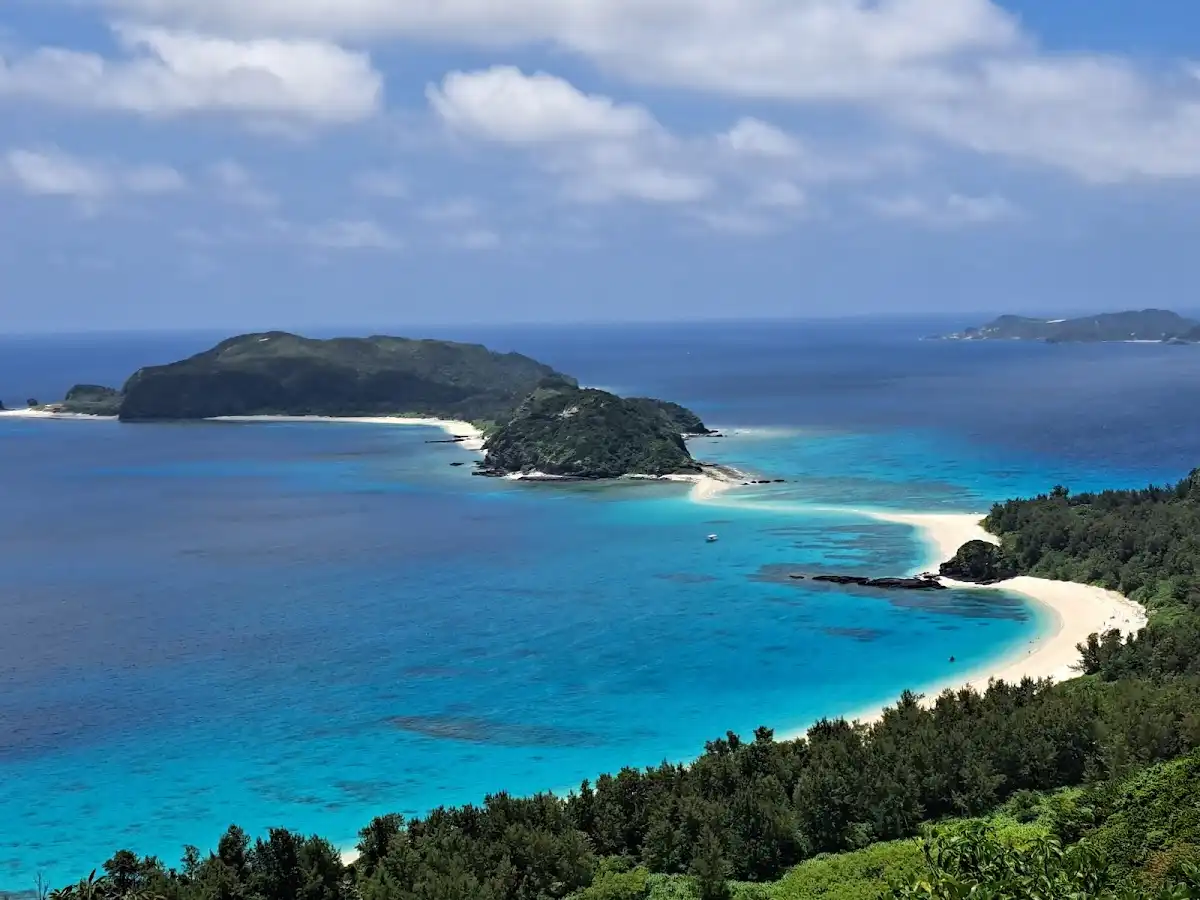
Coastal and island parks suit those who want snorkeling, beaches and a warm-weather escape, often with fewer visitors outside holidays.
Northern wilderness parks suit people who want wildlife and space, but need more logistics, including rental cars or limited buses. If you are new to Japan, begin with the accessible forest or volcanic kinds and add an alpine hike only if the weather and your fitness support it.
What It Costs: Entry to most parks is
free, because land is zoned rather than ticketed. You pay for the things around it: cable cars and ropeways (¥1,500 to 4,000, about US$10 to 27, return), parking, local park conservation fees at a few sites (usually ¥500 to 1,000), and bus fares. A mountain hut costs
¥9,000 to 15,000 (US$60 to 100) per night with dinner and breakfast, which is usually mandatory, while a basic hostel or guesthouse in a gateway town runs ¥3,500 to 7,000 (US$24 to 47). Camping at a designated site is cheaper, typically ¥500 to 1,500 per person (US$3 to 10), but sites are limited. Expect a daily budget of
US$60 to 110 when staying in towns and cooking some meals, and US$110 to 180 when staying in huts. Per park visit, including transport and one paid attraction, plan on
US$80 to 250. Convenience stores and bakery stops keep lunches at ¥500 to 900 (US$3 to 6).
Safety on the Trail: Japan’s trails are well marked, but
weather turns fast on high ground, and every year hikers need rescue after they underestimate cold and rain. Pack layers and rain gear even in summer, and carry a paper or offline map. File a
climbing plan (tozan-todoke) where a box or online form exists; in some areas it is required, and it speeds up a search.
Bears are present on Honshu and Hokkaido, so carry a bell, avoid hiking at dawn or dusk, and do not leave food outside. Check
volcanic alert levels from the Japan Meteorological Agency, as access to craters can close without much notice. Emergency number is
119 for ambulance and fire, and
110 for police. Mobile signal fades in valleys, so share your route before you go.
Cultural Etiquette: Because villages and shrines sit inside the parks,
quiet and tidiness matter. Carry out all your rubbish, as many trails have no bins, and a small bag for trash is expected. Greet other hikers with “konnichiwa”, which is a custom, not a formality. In huts, take shoes off at the door, follow lights-out times, and keep to the booked meal hour. Tattoos can be an issue at some onsen, so check rules first, and wash fully before entering the bath. Finally,
wild camping is generally not allowed, and fires are restricted, so use designated sites.


 Best Backpacking
 Hi, I’m Johan (Netherlands 🇳🇱), the creator of TakeYourBackpack. Over the past 3 decades, I’ve backpacked through 90+ countries across six continents, gaining extensive experience with independent travel, long-term trips, and overland routes.