How many landmarks to aim for: Plan on
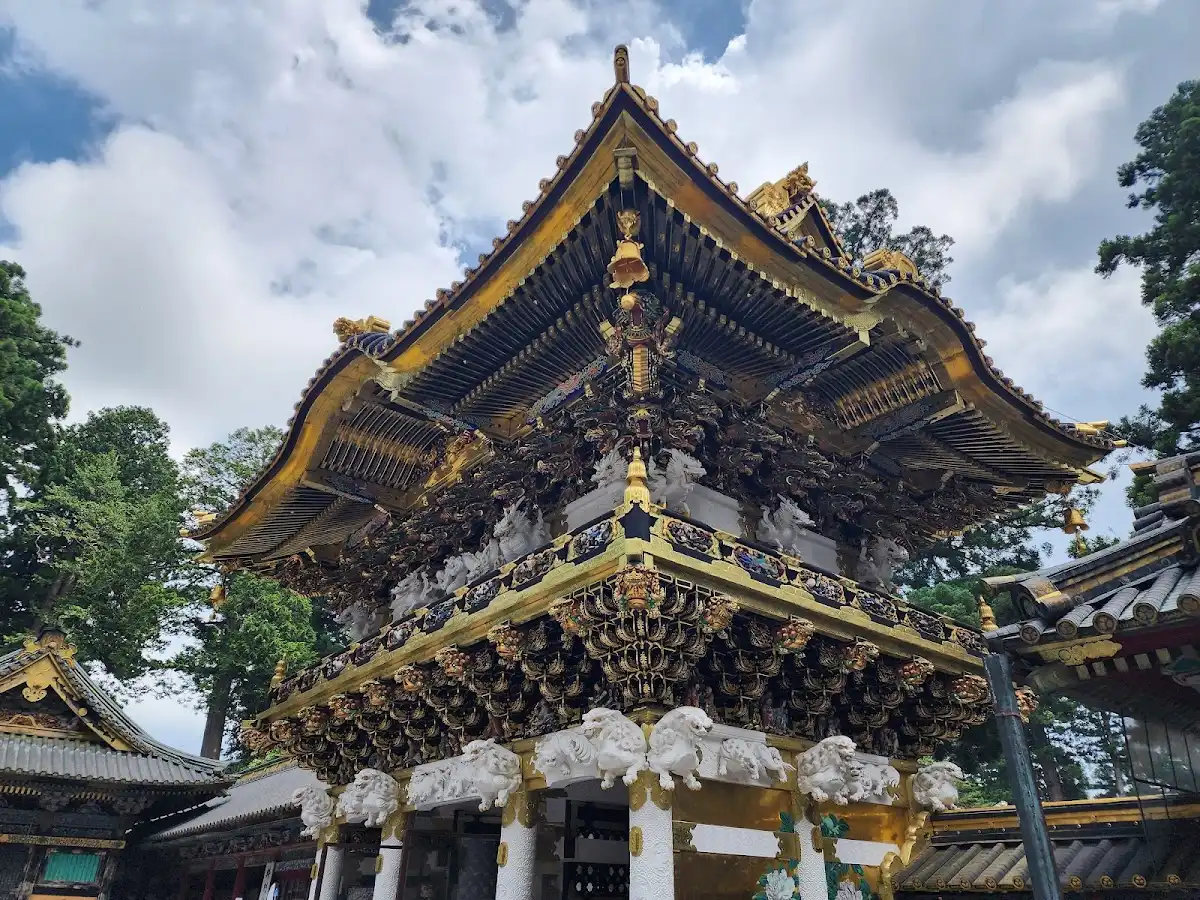
one major site per day, with a smaller one alongside it, and cap the total at around 8 to 12 across a two-week trip. The reason is practical. Large temple and castle complexes take 2 to 4 hours when you include walking and queues, and after the fourth or fifth wooden hall the details blur. Travelers who try to tick off three or four sites a day usually remember the trains better than the buildings.
Choosing between kinds of landmarks: Japan’s landmarks fall into rough categories:
temples and shrines,
castles,
historic districts,
memorials and museums, and
natural or sacred sites. First-timers get the most from a mix of two or three kinds, because many temples look similar after a while. History-minded travelers should lean toward castles and memorials, …
read more 👉 How many landmarks to aim for: Plan on one major site per day, with a smaller one alongside it, and cap the total at around 8 to 12 across a two-week trip. The reason is practical. Large temple and castle complexes take 2 to 4 hours when you include walking and queues, and after the fourth or fifth wooden hall the details blur. Travelers who try to tick off three or four sites a day usually remember the trains better than the buildings.
Choosing between kinds of landmarks: Japan’s landmarks fall into rough categories: temples and shrines, castles, historic districts, memorials and museums, and natural or sacred sites. First-timers get the most from a mix of two or three kinds, because many temples look similar after a while. History-minded travelers should lean toward castles and memorials, where context and signage explain what happened. Photographers and slow travelers should choose sacred mountains and island shrines and arrive at opening time, since the light is better and tour groups come later. Budget travelers can fill much of a trip with free shrine grounds and districts, saving paid entries for the few that matter most.
What it costs: Expect US$45 to 80 a day all in for a backpacker (about ¥7,000 to 12,000), with dorm beds at ¥3,000 to 5,000 (US$20 to 33) and cheap meals at ¥600 to 1,200. Landmark entry itself is modest: many temples and gardens charge ¥400 to 1,000 (US$3 to 7), major castles ¥600 to 1,200, and special areas, inner halls or night illuminations ¥1,000 to 2,500. Budget US$5 to 15 per landmark visit including local transport. Audio guides usually cost ¥500 to 1,000, while volunteer guide programs in cities like Kyoto, Nara and Hiroshima are often free, though a tip or covering the guide’s entry is polite. Intercity trains are the big expense, at ¥6,000 to 14,000 (US$40 to 95) per long Shinkansen leg, so overlapping day trips from one base saves real money.
Cultural etiquette that matters: Shrines and temples are active places of worship, so the rules are real. At a shrine, bow slightly at the torii gate and avoid walking down the center of the path, which is reserved for deities. Rinse your hands at the water basin if you wish to take part, but do not drink from it. Photography is banned inside many halls and sometimes at specific altars, and signs are enforced. Remove shoes where asked and carry socks, since bare feet and holes are noticeable. Keep voices low, and do not touch painted walls, sacred ropes or ancient wooden pillars. At memorials, dress simply and avoid smiling selfies or loud talk.
Safety and practical pitfalls: Japan is very safe from crime, and the realistic risks are natural. Heat stroke in July and August is a genuine hazard on exposed stone steps, so carry a liter of water and a towel. Mountain temple paths can be slippery in rain and sometimes lack barriers. Earthquakes occur often, and most buildings are built to handle them, so follow staff instructions if one happens. Typhoon warnings can close sites with little notice, so check opening status the morning you go. Many entrances take cash only, so keep ¥3,000 to 5,000 in coins and small bills, as convenience-store ATMs are the reliable way to withdraw with foreign cards. Last entry is often 30 minutes before closing, and the gates close earlier in winter, commonly around 4 to 4:30 p.m.
Smart habits: Go early. Arriving at 7 to 8 a.m. at popular sites avoids the school-group and tour-bus window between 10 a.m. and 3 p.m. Collect goshuin stamps only in a proper book, as a way to keep a record, and expect to pay ¥300 to 500 each. Skip sites with high fees that only offer a view you can get free nearby, and spend on the places with real interiors, gardens or guided access.
v2.webp)




 Best Backpacking
.jpg) Hi, I’m Johan (Netherlands 🇳🇱), the creator of TakeYourBackpack. Over the past 3 decades, I’ve backpacked through 90+ countries across six continents, gaining extensive experience with independent travel, long-term trips, and overland routes.
Hi, I’m Johan (Netherlands 🇳🇱), the creator of TakeYourBackpack. Over the past 3 decades, I’ve backpacked through 90+ countries across six continents, gaining extensive experience with independent travel, long-term trips, and overland routes.