×

Japan🇯🇵 | best festivalsTop-Rated 10 festivals in Japan

Festivals in Japan are a vibrant tapestry of tradition, energy, and community, each offering a unique lens into the country’s rich cultural heritage. From the cherry blossom celebrations in spring to the fireworks festivals of summer, the timing and regional characteristics of these events can significantly shape your experience as a backpacker.

Choosing the right festival can enhance your cultural immersion and influence your budget and safety. For instance, attending a smaller, local festival may provide a more intimate atmosphere and lower costs, while larger events can draw massive crowds, impacting travel logistics.

Understanding these nuances allows you to navigate Japan’s festival landscape effectively. Whether you seek the thrill of a bustling crowd or the serenity of a local shrine celebration, your choice will dictate not just the vibe but also your ease of travel and overall enjoyment. Embrace the opportunity to connect with locals and experience Japan’s traditions firsthand.

By Johan Kruseman 🇳🇱 | Updated September 4, 2026
Explore the best regions in Japan

Why go?Why These festival Stand Out

Festivals in Japan are a vibrant tapestry of cultural significance and historical resonance. They serve as a living connection to the past, showcasing traditions that have been preserved for centuries. Unlike many other countries, Japan’s festivals often revolve around seasonal changes, aligning with agricultural cycles, religious observances, and local customs. This deep-rooted connection to nature and spirituality makes each festival a unique experience, rich in meaning and context.

The energy of these festivals is palpable. From the rhythmic beats of taiko drums to the colorful parades of floats, the atmosphere is electric. However, this energy comes with trade-offs. Major festivals can attract large crowds, which may dilute the intimate experience many travelers seek. Understanding the … read more 👉
Festivals in Japan are a vibrant tapestry of cultural significance and historical resonance. They serve as a living connection to the past, showcasing traditions that have been preserved for centuries. Unlike many other countries, Japan’s festivals often revolve around seasonal changes, aligning with agricultural cycles, religious observances, and local customs. This deep-rooted connection to nature and spirituality makes each festival a unique experience, rich in meaning and context.

The energy of these festivals is palpable. From the rhythmic beats of taiko drums to the colorful parades of floats, the atmosphere is electric. However, this energy comes with trade-offs. Major festivals can attract large crowds, which may dilute the intimate experience many travelers seek. Understanding the timing of these events is crucial; attending during peak seasons can mean navigating through throngs of people, while off-peak times may offer a more immersive experience but with fewer activities.

Japan’s geographic diversity also plays a role in festival experiences. Coastal regions may celebrate maritime festivals, while mountainous areas host harvest festivals. This variety allows for a rich exploration of local customs but requires careful planning regarding travel logistics. Distances between regions can be significant, and public transportation, while efficient, may not always align perfectly with festival schedules.

Climatic factors further influence festival attendance. For instance, winter festivals can be breathtaking but require preparation for cold weather. Conversely, summer festivals often feature fireworks and outdoor activities, but the heat can be intense.

Ultimately, understanding these dynamics allows travelers to make informed choices. Balancing costs with the depth of experience, and accessibility with immersion, transforms festival attendance from a mere event into a profound cultural journey.
Why These Made the Cut
The list of best festivals in Japan is created based on energy, traditions, crowd experience, activities, and overall excitement. If you feel a festival is missing in this list, please let us know.

When to go?Timing Your Visit for the Best Experience

Seasonality plays a crucial role in Japan’s festival landscape. The country experiences four distinct seasons, each bringing its own flavor to celebrations. Spring, particularly March to May, is renowned for cherry blossom festivals. The weather is mild, making it ideal for outdoor events. However, this is also peak tourist season, leading to crowded venues and higher accommodation costs.

Summer brings a different energy. Festivals like Gion Matsuri occur in July, showcasing vibrant parades and traditional performances. The heat can be intense, with humidity levels soaring. While the atmosphere is electric, the crowds can be overwhelming. Travelers should prepare for long waits and packed public transport.

Autumn offers a more temperate climate, with festivals celebrating harvests and local … read more 👉
Seasonality plays a crucial role in Japan’s festival landscape. The country experiences four distinct seasons, each bringing its own flavor to celebrations. Spring, particularly March to May, is renowned for cherry blossom festivals. The weather is mild, making it ideal for outdoor events. However, this is also peak tourist season, leading to crowded venues and higher accommodation costs.

Summer brings a different energy. Festivals like Gion Matsuri occur in July, showcasing vibrant parades and traditional performances. The heat can be intense, with humidity levels soaring. While the atmosphere is electric, the crowds can be overwhelming. Travelers should prepare for long waits and packed public transport.

Autumn offers a more temperate climate, with festivals celebrating harvests and local culture. September to November is a prime time for experiencing these events. The crowds are generally lighter than in spring and summer, allowing for a more intimate experience. However, some festivals may be less frequent, so planning is essential to catch the highlights.

Winter presents a unique charm with festivals like Sapporo Snow Festival. While temperatures drop significantly, the atmosphere is magical. This season sees fewer tourists, which can lead to lower costs and a more authentic experience. However, the cold can limit outdoor activities, and some events may be weather-dependent.

Shoulder seasons—the periods just before or after peak times—offer a balance. Late autumn and early spring can provide opportunities to experience festivals with fewer crowds and lower prices. However, the trade-off may include less predictable weather and fewer events. Understanding these seasonal dynamics allows for strategic planning, ensuring a richer festival experience while navigating the complexities of crowd levels and costs.

festival hoppingPlanning Your Route Efficiently

Regional Clustering
To efficiently combine Japan’s festivals, start by clustering them regionally. Focus on one area at a time, like the Kansai region, which includes Kyoto and Osaka, or the Tohoku region, known for its vibrant summer festivals. This minimizes travel time and maximizes festival immersion.

Direction of Travel
Consider the flow of festivals throughout the year. For example, cherry blossom festivals peak in spring, while summer festivals like Gion Matsuri in Kyoto occur in July. Plan your route to follow the seasonal calendar, moving from south to north or vice versa. This approach not only aligns with festival timing but also allows for a more cohesive travel experience.

Optimal Sequencing
When sequencing stops, balance larger, more crowded festivals with smaller, local … read more 👉
Regional Clustering
To efficiently combine Japan’s festivals, start by clustering them regionally. Focus on one area at a time, like the Kansai region, which includes Kyoto and Osaka, or the Tohoku region, known for its vibrant summer festivals. This minimizes travel time and maximizes festival immersion.

Direction of Travel
Consider the flow of festivals throughout the year. For example, cherry blossom festivals peak in spring, while summer festivals like Gion Matsuri in Kyoto occur in July. Plan your route to follow the seasonal calendar, moving from south to north or vice versa. This approach not only aligns with festival timing but also allows for a more cohesive travel experience.

Optimal Sequencing
When sequencing stops, balance larger, more crowded festivals with smaller, local events. Major festivals draw huge crowds, so visiting a smaller festival nearby can provide a breather and a more intimate experience. Allocate about half a day for larger festivals and a few hours for smaller ones, allowing flexibility for travel and exploration.

Common Planning Mistakes
Avoid cramming too many festivals into a short timeframe. This leads to fatigue and missed experiences. Instead, prioritize quality over quantity. A well-paced itinerary allows for spontaneous discoveries and deeper engagement with local culture.

Trade-offs and Constraints
Be mindful of trade-offs. Speed may mean missing out on unique experiences, while a slower pace can enhance enjoyment but may stretch the budget. Consider accommodation options that allow for comfort without breaking the bank.

Realistic Pacing
Maintain a realistic pace by allowing for downtime. Festivals can be overwhelming, so factor in rest days or lighter activities. Flexibility is key; be prepared to adjust plans based on local recommendations or unexpected opportunities. This strategic planning transforms logistics into a rewarding journey through Japan’s rich festival landscape.

The ListMust-Visit festivals in Japan

1 Sapporo Snow Festival

ice sculptures, winter cityscape, Hokkaido event

Marvel at towering snow and ice creations lining Sapporo’s boulevards, with light displays and cold-weather treats drawing visitors from across Japan.

2 Gion Matsuri

towering floats, Kyoto streets, July rituals

Navigate Kyoto’s grid as enormous wheeled floats roll past, accompanied by traditional music and centuries-old customs throughout the month.

3 Hanami Cherry Blossom Festival

blossoming trees, picnic gatherings, fleeting season

Time your visit for peak bloom to join locals in parks, where shared meals and drinks celebrate the brief beauty of cherry blossoms.

4 Awa Odori

street dancing, folk costumes, Tokushima city

Step into a city transformed by mass participation as groups in coordinated outfits dance through the night to infectious rhythms and chants.

5 Nebuta Matsuri

illuminated floats, paper lanterns, Aomori city

Watch massive glowing floats depicting warriors and myths glide through Aomori, accompanied by rhythmic drumming and energetic dancers in traditional attire.

6 Fuji Rock

outdoor stages, mountain scenery, international bands

Camp beneath forested slopes and catch global and Japanese acts across multiple stages, with mountain air and nature as a constant backdrop.

7 SummerSonic

urban festival, pop and rock, Tokyo and Osaka

Catch major international and Japanese artists in sprawling city venues, with easy access and a fast-paced summer atmosphere.

8 Takayama Matsuri

ornate floats, mountain town, mechanical puppets

Admire centuries-old craftsmanship as intricate floats with moving dolls wind through Takayama’s preserved streets, framed by the Japanese Alps.

9 Kanda Matsuri

portable shrines, samurai costumes, Tokyo procession

Join crowds lining central Tokyo as elaborate mikoshi and historical figures parade through city streets, blending Shinto ritual with urban spectacle.

10 Chichibu Night Festival

winter fireworks, festival floats, mountain setting

Bundle up for an evening of illuminated floats and fireworks, where crisp air and mountain scenery heighten the drama of this December celebration.

11 Hakata Gion Yamakasa

decorated floats, timed races, Fukuoka tradition

Wake before dawn to watch teams dash through city streets carrying heavy floats, a test of strength and unity unique to Fukuoka.

12 Kishiwada Danjiri Matsuri

wooden carts, fast-paced pulling, Osaka suburb

Feel the adrenaline as teams race massive wooden danjiri through narrow lanes, testing teamwork and daring in a festival rooted in local pride.

13 Kurama Fire Festival

giant torches, mountain procession, Kyoto outskirts

Follow torchbearers up steep village roads as flames light the night, marking an ancient ritual in the forested hills north of Kyoto.

14 Jidai Matsuri

period costumes, Kyoto parade, historical reenactment

See Kyoto’s history unfold as thousands in authentic dress march from the Imperial Palace, representing eras from samurai to statesmen.

15 Obon

ancestral spirits, lantern lighting, family gatherings

Experience a nationwide homecoming as families honor ancestors with dances, grave visits, and lantern ceremonies that illuminate summer nights across Japan.

16 Tanabata Matsuri

colorful streamers, wish writing, star legend

Write wishes on paper and admire elaborate decorations as towns celebrate a romantic folktale with parades, crafts, and local foods.

17 Hadaka Matsuri

loincloth participants, winter ritual, Okayama temple

Witness thousands of men clad in minimal clothing jostle for sacred sticks, braving cold and crowds in a test of endurance and luck.

18 Owara Kaze no Bon

night dances, folk music, Toyama village

Stroll lantern-lit lanes as residents perform slow, hypnotic dances to mournful music, creating a contemplative atmosphere in rural Toyama.

19 Nagasaki Kunchi

Dutch ships, dragon dances, port city fusion

Observe a blend of Japanese and foreign influences as neighborhoods stage dynamic performances and floats reflecting Nagasaki’s international heritage.

20 Setsubun

bean throwing, demon masks, temple rituals

Participate in lively ceremonies at shrines and homes, where beans are scattered to drive away misfortune and welcome the start of spring.

21 Aomori Yasukata Matsuri

summer floats, festival music, northern Japan

Join locals as vibrant floats and musicians fill Aomori’s streets, offering a lively celebration distinct from the city’s more famous Nebuta event.

Think you know Japan?

Prove you’re a true local — uncover 11 lesser-known festivals in Japan that locals tend to keep to themselves.
Loading the map 🌍

Expert viewExpert Commentary on festivals

Energy

Japan’s festival scene is a vibrant tapestry of tradition and celebration, pulsating with energy that can be both exhilarating and overwhelming. The key to navigating this landscape is timing. Festivals often align with the seasons, so understanding when to visit is crucial. Spring brings cherry blossom festivals, while summer is packed with fireworks and local matsuri. Autumn showcases harvest celebrations, and winter features unique events like snow festivals. Each season offers a different flavor, so choose wisely based on your interests.

Crowd Management

Festivals can draw massive crowds, turning serene streets into bustling thoroughfares. To avoid feeling like a sardine, consider attending lesser-known festivals or visiting popular ones on weekdays. Arriving early can also … read more 👉
Energy

Japan’s festival scene is a vibrant tapestry of tradition and celebration, pulsating with energy that can be both exhilarating and overwhelming. The key to navigating this landscape is timing. Festivals often align with the seasons, so understanding when to visit is crucial. Spring brings cherry blossom festivals, while summer is packed with fireworks and local matsuri. Autumn showcases harvest celebrations, and winter features unique events like snow festivals. Each season offers a different flavor, so choose wisely based on your interests.

Crowd Management

Festivals can draw massive crowds, turning serene streets into bustling thoroughfares. To avoid feeling like a sardine, consider attending lesser-known festivals or visiting popular ones on weekdays. Arriving early can also give you a head start on the festivities. If you’re keen on a major event, plan to stay a few days before or after to soak in the local culture without the festival frenzy. This approach not only enhances your experience but also allows for a more relaxed exploration of the area.

Seasonal Timing

Understanding the seasonal rhythm of festivals can unlock a smoother experience. For instance, if you’re drawn to the Gion Matsuri in July, know that it’s not just a single day but a month-long celebration. This means you can enjoy various events without the crush of the main parade. Similarly, the Aoi Matsuri in May is less crowded than its summer counterparts, allowing for a more intimate experience. Align your travel dates with these insights to maximize enjoyment while minimizing stress.

Cultural Context

Each festival is steeped in local culture, reflecting the history and traditions of its region. Engaging with these cultural nuances can deepen your appreciation. For example, the Nebuta Matsuri in Aomori features elaborate floats that tell stories from Japanese folklore. Understanding these stories enhances your experience, making you feel like part of the celebration rather than just an observer. Take time to learn about the local customs and rituals associated with each festival; this knowledge can transform your experience from passive to participatory.

Budget and Comfort Considerations

Festivals can vary widely in terms of cost. Some are free to attend, while others may require tickets for special events or seating. Factor in additional expenses like food, transportation, and accommodation. If you’re on a budget, consider street food options, which not only save money but also offer a taste of local flavors. However, be prepared for long lines at popular stalls. If comfort is a priority, look for nearby accommodations that allow you to retreat from the chaos when needed. Balancing budget and comfort is essential for a fulfilling experience.

Planning and Prioritizing

With hundreds of festivals across the country, it’s wise to prioritize. Aim to attend three to five festivals during your trip, allowing for a mix of experiences without overwhelming yourself. Research the festivals that resonate with your interests—be it food, music, or traditional arts. Create a flexible itinerary that allows for spontaneity. Sometimes the best experiences come from unexpected encounters, so leave room for exploration.

Infrastructure and Travel Constraints

Japan’s transportation system is efficient, but during festival seasons, trains and buses can become crowded. Plan your travel times carefully, opting for early morning or late evening departures to avoid peak hours. Consider purchasing a Japan Rail Pass if you plan to travel extensively; it can save you money and simplify logistics. However, be aware that some local festivals may require additional travel to remote areas, so factor in extra time for these journeys.

Safety and Cultural Considerations

While Japan is generally safe, it’s essential to respect local customs during festivals. Dress appropriately, especially if you’re participating in traditional events. Be mindful of noise levels and personal space, as Japanese culture values harmony and respect. If you’re unsure about something, don’t hesitate to ask locals—they often appreciate the effort to engage with their culture. Staying aware of your surroundings can enhance your experience and ensure you’re not inadvertently causing discomfort.

Trade-offs and Realistic Expectations

Every festival experience comes with trade-offs. Attending a major event means dealing with crowds, but it also offers a chance to witness spectacular displays and performances. Conversely, smaller festivals may provide a more intimate atmosphere but lack the grandeur of larger events. Weigh these factors against your personal preferences. If you thrive in bustling environments, dive into the chaos of a large festival. If you prefer a more laid-back vibe, seek out smaller, community-focused celebrations.

Navigating Japan’s festival landscape is like playing a strategic game. With the right timing, cultural understanding, and logistical planning, you can unlock a series of rewarding experiences that resonate long after the last firework has faded. Embrace the journey, and let the festivals of Japan enrich your travel narrative.

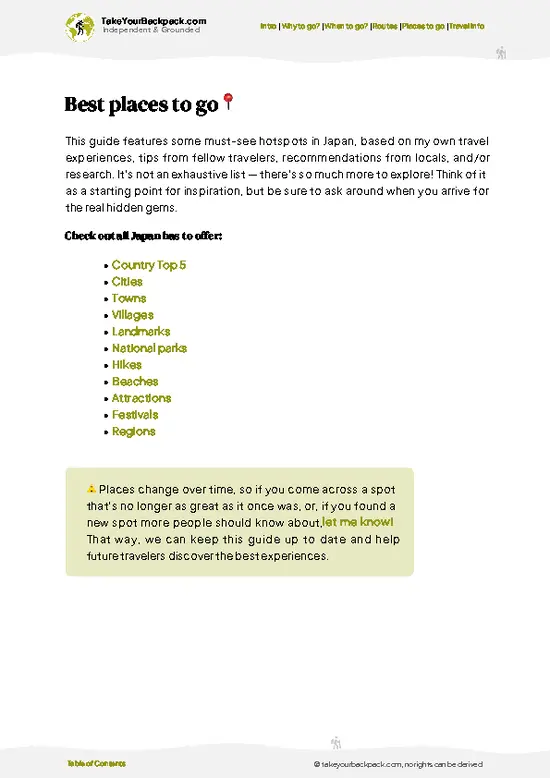
✈️ The backpacker research shortcutJapan Travel Guide

An offline-friendly backpacking guide with optimized travel routes, ranked highlights, transport advice, and the best areas to stay.
example page 0 from our offline Travel Guide for Japan
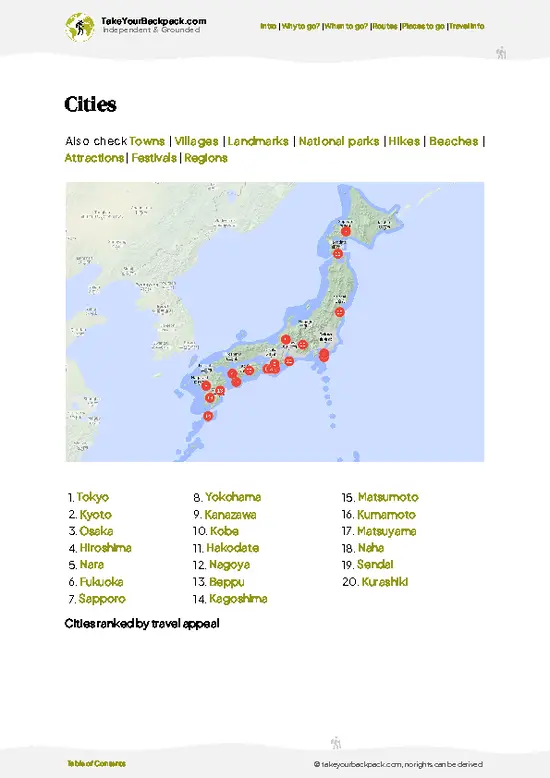
example page 1 from our offline Travel Guide for Japan
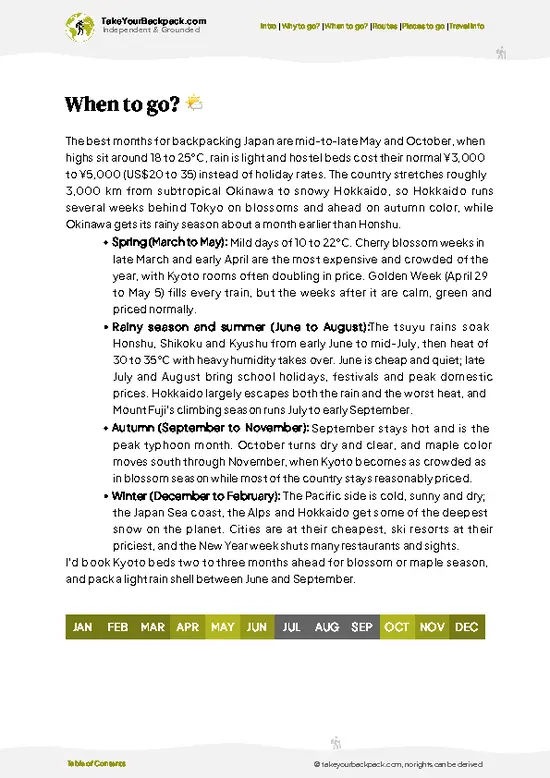
example page 2 from our offline Travel Guide for Japan
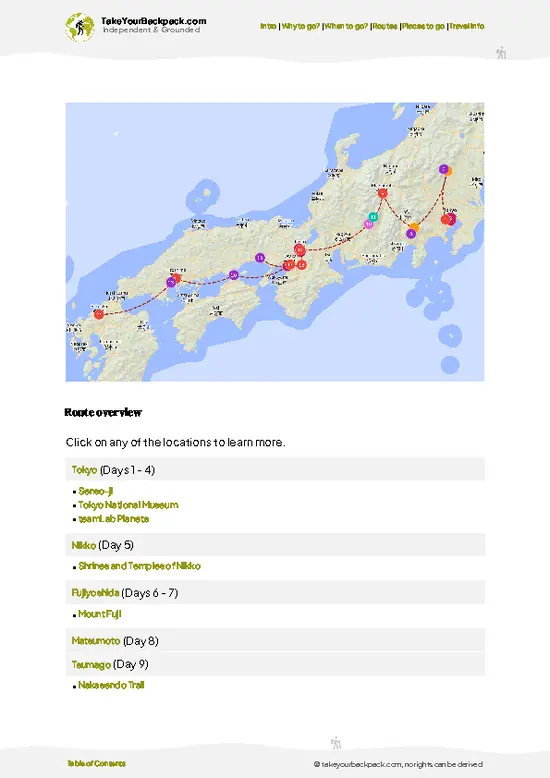
example page 3 from our offline Travel Guide for Japan
example page 4 from our offline Travel Guide for Japan
example page 5 from our offline Travel Guide for Japan
example page 6 from our offline Travel Guide for Japan
example page 7 from our offline Travel Guide for Japan
The digital guide (482 pages) contains:
140 highlights, ranked by travel appeal
Optimized 7, 14 & 21-day travel routes
Cities, national parks, landmarks, beaches
How to get around
Offline-friendly for travel without Wi-Fi
👉 Click to see all 30+ guide features

📅 Plan smarter in minutes, not weeks
Month by month travel advice
Festivals & national holidays
Budget expectations

🗺️ Go to the right places, skip the overrated ones
Honest pros & cons of destinations
Top hikes, parks & viewpoints
Lesser-known places most travelers miss
Clear “worth it vs skip it” guidance

🛏️ Travel smoothly without rookie mistakes
Best areas to stay
Transport systems explained simply
Common scams & safety advice
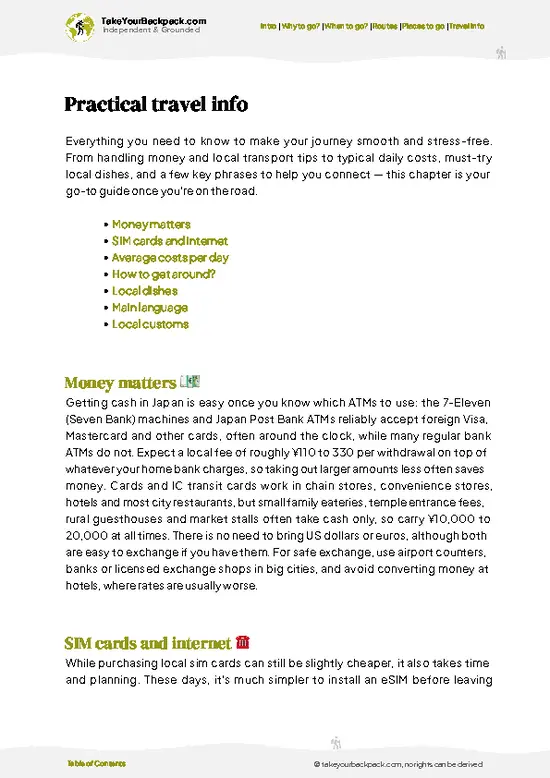
SIM cards, money & practical tips

🌍 Understand the country, not just visit it
Culture & traditions
52 Essential phrases & customs
Festivals worth planning around
Traveler-friendly historical context
Insights that make places more meaningful

📱 Built for real travel conditions
Fully downloadable PDF
Works completely offline
Optimized for phone use
Useful in remote areas & buses
Everything in one place
Save weeks of stressful planning
Get instant access to your full guide. 30‑day money-back guarantee.
+ Add another guide for just US$7.80

By proceeding you agree to our terms.
Sent to your inbox immediately after payment • 100% Secure Checkout
Best Backpacking Travel Advisor 2025 tourism awardBest Backpacking
Travel Advisor
2025
What others say about Take Your Backpack Guides:
⭐⭐⭐⭐⭐
Fantastic, amazing amount of information!
⭐⭐⭐⭐⭐
My goodness this is amazing, it's what I've been looking for hats off too you!
⭐⭐⭐⭐⭐
I think this is absolutely BRILLIANT
⭐⭐⭐⭐
Very complete and informative. It's still missing places, but I gotta to commend you
⭐⭐⭐⭐⭐
This is truly amazing, thank you, can't wait to explore it with my kids!
⭐⭐⭐⭐⭐
Awesome resource, thank you!
⭐⭐⭐⭐⭐
This is amazing! Can't wait to explore the ones I haven't seen
⭐⭐⭐⭐
I love this! Well done, great idea.
⭐⭐⭐⭐⭐
Thanks for taking the time to make this gem!
⭐⭐⭐⭐⭐
This might be the best website I've ever seen.
⭐⭐⭐⭐⭐
Congratulations, and thank you so much for your work; it's incredibly valuable.
⭐⭐⭐⭐
In all seriousness I think you did a great job pointing out the important spots
⭐⭐⭐⭐⭐
10/10 very good
⭐⭐⭐⭐⭐
As someone who's only just starting to visit regularly this is awesome, thank you.
⭐⭐⭐⭐
Thank you very much! I'm going to visit my dad, it's going to be very useful!
⭐⭐⭐⭐⭐
This is really cool! We'll be travelling for the first time and this definitely come in handy.
⭐⭐⭐⭐⭐
You are now our minister of culture, congratulations 👨‍💼
⭐⭐⭐⭐⭐
Just wanted to tell you that this is a pearl! Going to follow your recommendations.
⭐⭐⭐⭐⭐
This is so cool. I'll definitely be using the resource for my travels soon.
⭐⭐⭐⭐⭐
This is very impressive! Good work.
⭐⭐⭐⭐⭐
This is an amazing and informative site. Very well done!

🛏️ Where to stay?Accommodation Highlights

Yes — Japan has plentiful hostels and budget accommodation concentrated in big-city neighborhoods and transport hubs across Tokyo, Kyoto, Osaka and regional centers.

Choose Shinjuku for the widest hostel choice and nonstop transport but expect noise and crowds; Asakusa and Ueno for cheaper beds close to temples and museums though quieter at night; Ikebukuro for budget shopping and decent rail links with fewer historic sights; in Kyoto, Gion/Kawaramachi puts you within walking distance of major temples yet fills fast and feels touristy while areas near Kyoto Station are best for luggage and trains but lack atmosphere; Namba (Osaka) offers food and nightlife at the cost of sleep, Umeda centers … read more 👉
Yes — Japan has plentiful hostels and budget accommodation concentrated in big-city neighborhoods and transport hubs across Tokyo, Kyoto, Osaka and regional centers.

Choose Shinjuku for the widest hostel choice and nonstop transport but expect noise and crowds; Asakusa and Ueno for cheaper beds close to temples and museums though quieter at night; Ikebukuro for budget shopping and decent rail links with fewer historic sights; in Kyoto, Gion/Kawaramachi puts you within walking distance of major temples yet fills fast and feels touristy while areas near Kyoto Station are best for luggage and trains but lack atmosphere; Namba (Osaka) offers food and nightlife at the cost of sleep, Umeda centers on transport and shopping with more business-style options, and Shin-Osaka is practical for shinkansen connections though has fewer attractions nearby; regional hubs like Susukino (Sapporo) and Hakata (Fukuoka) give affordable beds and easy train access but expect seasonal crowding or winter cold in Sapporo.

If you enjoy meeting fellow travelers, consider choosing hostels with high ratings for atmosphere. On the other hand, if you prefer having your own space, a hotel might be a better option.

JapanSee More of Japan

👋 Meet the founderWho’s Behind Take Your Backpack?

Johan, backpacker and founder of TakeYourBackpackHi, I’m Johan (Netherlands 🇳🇱), the creator of TakeYourBackpack. Over the past decade, I’ve backpacked through 80+ countries across six continents, gaining extensive experience with independent travel, long-term trips, and overland routes.

This site is built on a combination of firsthand travel experience and carefully curated insights from other backpackers. Many guides are based on places I’ve personally visited, while others bring together tips, observations, and practical advice shared by trusted travelers I’ve met along the way.

The goal is to provide realistic, experience-driven guidance — not generic itineraries — so you can explore destinations with better context, clearer expectations, and more confidence.

Get full Japan guide •
Instant download • 140 highlights • Full Offline guide