×

Japan🇯🇵 | national parksAkiyoshidai Quasi-National ParkLimestone plateau, karst formations, vast caves, grasslands | things to do and best time to go

Explore Saikai National ParkExplore Tanzawa-Oyama Quasi-National Park

Backpacking in Akiyoshidai Quasi-
👀 For curious travelersnational park ranked #23
By Johan Kruseman 🇳🇱 | Updated October 15, 2026

Most guides sell Akiyoshidai Quasi-National Park as “all about the cave,” but the real win for backpackers is the huge open karst plateau above it, where you can hike for hours with almost no people in sight. It sits in Yamaguchi Prefecture, western Honshu, between Mine and Ube. Trails are easy to moderate, scenery is limestone grassland not big mountains, wildlife is mostly birds and bugs, and the vibe is quiet, almost rural. Akiyoshido Cave has a paid entrance, but the plateau itself is free, and that’s where your budget stretches. Access is the main headache: buses are infrequent, hitchhiking is possible but not guaranteed, and it’s less plug-and-play than places like Daisen-Oki or Setonaikai National Park. Camping exists but is regulated and not especially wild; think organized campgrounds, not backcountry. I like it as a low-key, one- or two-day detour if you’re already in western Honshu, not as a standalone “must-cross-Japan-for-this” target.

Discover everything you want to know in the 📖 Japan Travel Guide.


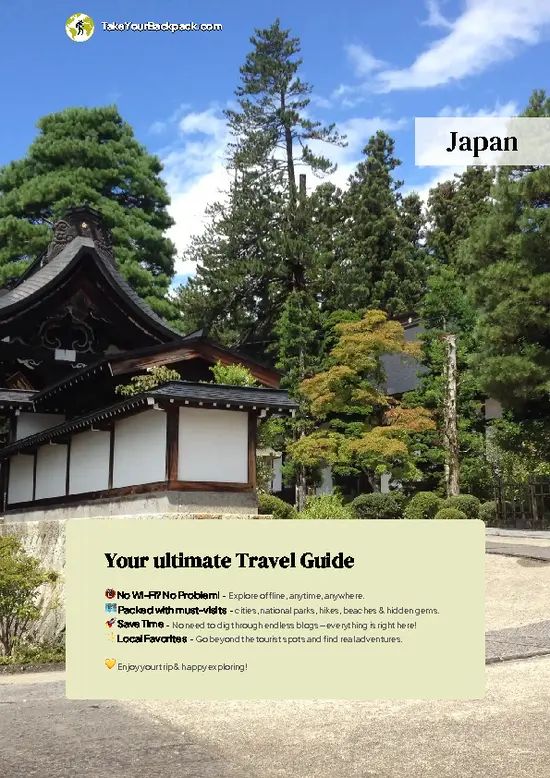
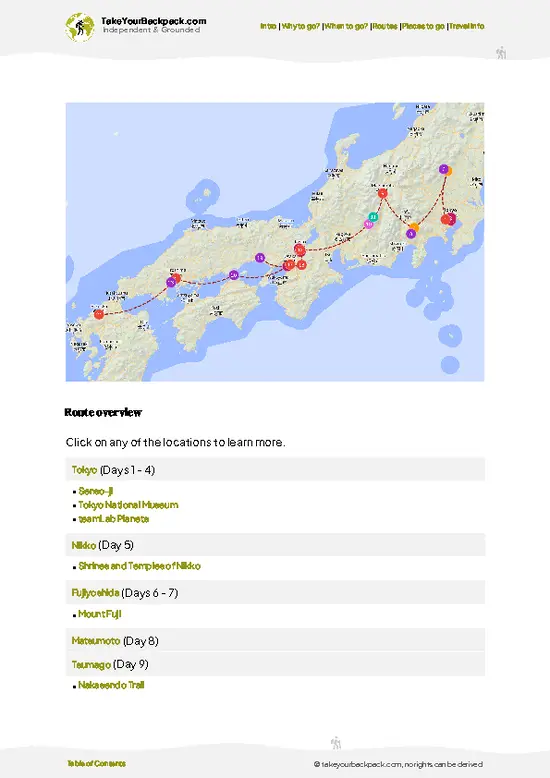
example page 0 from our offline Travel Guide for Japan
example page 1 from our offline Travel Guide for Japan
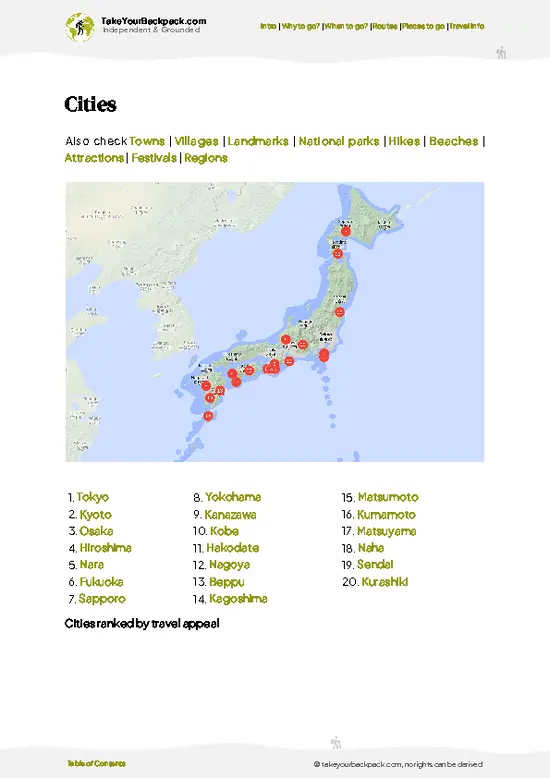
example page 2 from our offline Travel Guide for Japan
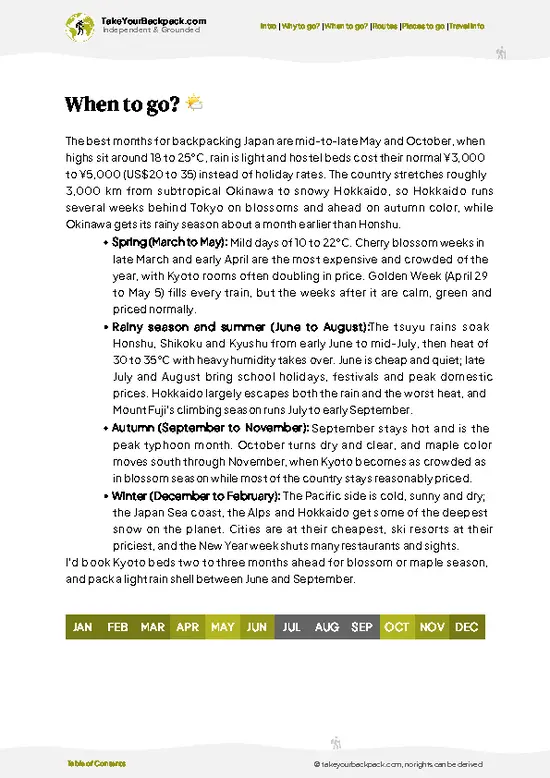
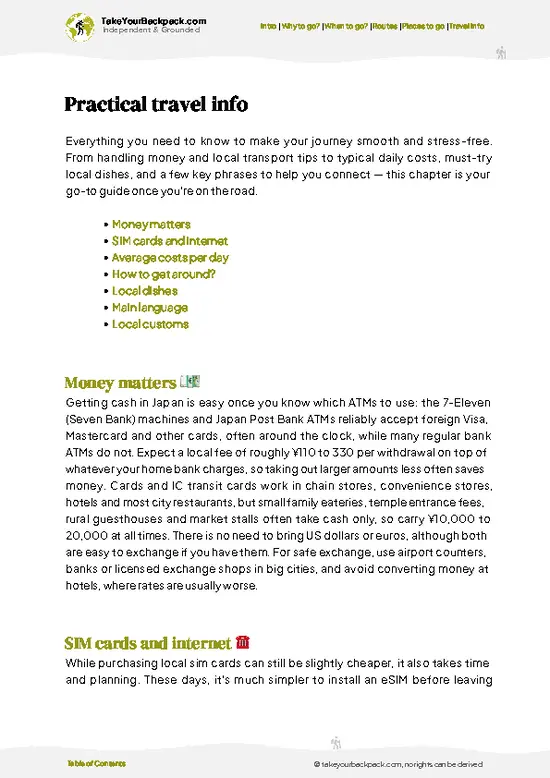
example page 3 from our offline Travel Guide for Japan
example page 4 from our offline Travel Guide for Japan
example page 5 from our offline Travel Guide for Japan
example page 6 from our offline Travel Guide for Japan
example page 7 from our offline Travel Guide for Japan
Loading the map 🌍
CLICK TO FILTER
cities
towns
villages
landmarks
national parks
hikes
beaches
attractions
festivals
regions
SHOW COUNTRY’S BESTSHOW ALL

✨ Why go?
Ranked #23 national park in Japan
Reasons people choose to explore here

Backpackers flock to Akiyoshidai Quasi-National Park for its blend of independent exploration and budget-friendly options. With camping spots and hostels nearby, you can stretch your yen while soaking in the stunning karst landscapes. The trail variety caters to all levels, from leisurely strolls to more challenging hikes, making it ideal for self-guided travelers. Unlike many tourist-heavy spots, this park allows you to carve your own path, avoiding the pitfalls of crowded tours. Embrace the freedom to discover at your own pace, and save your energy and funds for the experiences that truly matter.

💡 HighlightsMust-see experiences and standout moments

  • Akiyoshido Cave — Japan’s massive limestone cave system with huge chambers, dramatic stalactites and an easy walk-through route. It feels like entering another world: cool, silent and sculpted by water over millions of years. (My personal favorite — the scale and silence never get old.)
  • Akiyoshidai Karst Plateau — a rolling “moonscape” of exposed limestone, low hummocks and grassy expanses. Walk or cycle across it and you’ll see the classic karst shapes that make this park visually unique.
  • Panoramic observation points — scattered viewpoints give wide, cinematic views of the plateau and surrounding hills, great for sunrise, sunset or simply spotting the patterns of sinkholes and grass below. Bring windproof layers; it gets exposed up there.
  • Karst sinkholes and dolines — the park’s depressions
… read more 👉
  • Akiyoshido Cave — Japan’s massive limestone cave system with huge chambers, dramatic stalactites and an easy walk-through route. It feels like entering another world: cool, silent and sculpted by water over millions of years. (My personal favorite — the scale and silence never get old.)
  • Akiyoshidai Karst Plateau — a rolling “moonscape” of exposed limestone, low hummocks and grassy expanses. Walk or cycle across it and you’ll see the classic karst shapes that make this park visually unique.
  • Panoramic observation points — scattered viewpoints give wide, cinematic views of the plateau and surrounding hills, great for sunrise, sunset or simply spotting the patterns of sinkholes and grass below. Bring windproof layers; it gets exposed up there.
  • Karst sinkholes and dolines — the park’s depressions and small ponds are neat examples of karst drainage and make for interesting short detours. They break the plateau’s rhythm and are great for close-up geology watching.
  • Plateau hiking trails — trails range from short loops (an hour or two) to longer ridge walks. Routes are mostly gentle but exposed, so the walking is easy and endlessly scenic — perfect for slow photography or a relaxed day hike.
  • Seasonal grassland flora — in autumn the plateau’s silver susuki (pampas grass) turns the hills into waves of pale gold; spring brings low wildflowers and winter has a stripped-back beauty. Each season changes the whole vibe.
  • Wildlife and insects — not a big predator show, but plenty of grassland birds, dragonflies and butterflies, plus small mammals that suit the open habitat. It’s a quiet spot for paying attention to smaller nature rather than big beasts.
Spotted a mistake or missing something? Contact us.

Things to do near Akiyoshidai Quasi-National Park

Ratings based on Tripadvisor reviews. When you book through this link, you support our work at no extra cost to you.

🌤️ When to go?Weather, crowds, and seasonal trade-offs

  • Topic: Weather - Spring (April to June) and autumn (September to November) offer mild, dry conditions ideal for hiking. Summers can be hot and humid, often exceeding 30°C (86°F), while winters drop below freezing with occasional snow, limiting trail access.
  • Topic: Temperature - Expect comfortable 15-25°C (59-77°F) in spring and fall, perfect for all-day trekking. Summer heat can sap your energy fast, and winter chills require heavy gear.
  • Topic: Daylight Hours - Longer days in late spring and early autumn provide 12-14 hours of light, maximizing your hiking window without rushing.
  • Topic: Crowds - Peak visitor numbers hit in Golden Week (late April to early May) and autumn foliage weekends. Visiting mid-week outside these periods means fewer people and more solitude.
  • Topic: Seasonal Activities
… read more 👉
  • Topic: Weather - Spring (April to June) and autumn (September to November) offer mild, dry conditions ideal for hiking. Summers can be hot and humid, often exceeding 30°C (86°F), while winters drop below freezing with occasional snow, limiting trail access.
  • Topic: Temperature - Expect comfortable 15-25°C (59-77°F) in spring and fall, perfect for all-day trekking. Summer heat can sap your energy fast, and winter chills require heavy gear.
  • Topic: Daylight Hours - Longer days in late spring and early autumn provide 12-14 hours of light, maximizing your hiking window without rushing.
  • Topic: Crowds - Peak visitor numbers hit in Golden Week (late April to early May) and autumn foliage weekends. Visiting mid-week outside these periods means fewer people and more solitude.
  • Topic: Seasonal Activities - Spring brings blooming flowers; autumn showcases vibrant foliage. Both seasons enhance the landscape’s character without the summer’s oppressive heat.
  • Topic: Price Fluctuations - Accommodation and transport costs spike during Golden Week and autumn holidays. Booking outside these times saves money and hassle.
Pro-tip: Aim for late April or mid-October mid-week visits to dodge crowds, enjoy crisp air, and keep your budget intact—your legs and wallet will thank you.


source: climatestotravel.comJANJanuary: below average for travelingFEBFebruary: below average for travelingMARMarch: fair for travelingAPRApril: highly recommended for travelingMAYMay: good for travelingJUNJune: highly recommended for travelingJULJuly: fair for travelingAUGAugust: fair for travelingSEPSeptember: highly recommended for travelingOCTOctober: excellent for travelingNOVNovember: highly recommended for travelingDECDecember: below average for traveling
when-to-go

✈️ The backpacker research shortcutJapan Travel Guide

An offline-friendly backpacking guide with optimized travel routes, ranked highlights, transport advice, and the best areas to stay.
example page 0 from our offline Travel Guide for Japan
example page 1 from our offline Travel Guide for Japan
example page 2 from our offline Travel Guide for Japan
example page 3 from our offline Travel Guide for Japan
example page 4 from our offline Travel Guide for Japan
example page 5 from our offline Travel Guide for Japan
example page 6 from our offline Travel Guide for Japan
example page 7 from our offline Travel Guide for Japan
The digital guide (475 pages) contains:
✅ 139 highlights, ranked by travel appeal
✅ Optimized 7, 14 & 21-day travel routes
✅ Cities, national parks, landmarks, beaches
✅ How to get around
✅ Offline-friendly for travel without Wi-Fi
👉 Click to see all 30+ guide features

📅 Plan smarter in minutes, not weeks
✅ Month by month travel advice
✅ Festivals & national holidays
✅ Budget expectations

🗺️ Go to the right places, skip the overrated ones
✅ Honest pros & cons of destinations
✅ Top hikes, parks & viewpoints
✅ Lesser-known places most travelers miss
✅ Clear “worth it vs skip it” guidance

🛏️ Travel smoothly without rookie mistakes
✅ Best areas to stay
✅ Transport systems explained simply
✅ Common scams & safety advice
✅ SIM cards, money & practical tips

🌍 Understand the country, not just visit it
✅ Culture & traditions
✅ 52 Essential phrases & customs
✅ Festivals worth planning around
✅ Traveler-friendly historical context
✅ Insights that make places more meaningful

📱 Built for real travel conditions
✅ Fully downloadable PDF
✅ Works completely offline
✅ Optimized for phone use
✅ Useful in remote areas & buses
✅ Everything in one place
Stop searching, start planning
Get instant access to your full guide. 30‑day money-back guarantee.
+ Add another guide for just

By proceeding you agree to our terms.
Sent to your inbox immediately after payment • 100% Secure Checkout
Best Backpacking Travel Advisor 2025 tourism awardBest Backpacking
Travel Advisor
2025
What others say about Take Your Backpack Guides:
⭐⭐⭐⭐⭐
Fantastic, amazing amount of information!
⭐⭐⭐⭐⭐
My goodness this is amazing, it's what I've been looking for hats off too you!
⭐⭐⭐⭐⭐
I think this is absolutely BRILLIANT
⭐⭐⭐⭐
Very complete and informative. It's still missing places, but I gotta to commend you
⭐⭐⭐⭐⭐
This is truly amazing, thank you, can't wait to explore it with my kids!
⭐⭐⭐⭐⭐
Awesome resource, thank you!
⭐⭐⭐⭐⭐
This is amazing! Can't wait to explore the ones I haven't seen
⭐⭐⭐⭐
I love this! Well done, great idea.
⭐⭐⭐⭐⭐
Thanks for taking the time to make this gem!
⭐⭐⭐⭐⭐
This might be the best website I've ever seen.
⭐⭐⭐⭐⭐
Congratulations, and thank you so much for your work; it's incredibly valuable.
⭐⭐⭐⭐
In all seriousness I think you did a great job pointing out the important spots
⭐⭐⭐⭐⭐
10/10 very good
⭐⭐⭐⭐⭐
As someone who's only just starting to visit regularly this is awesome, thank you.
⭐⭐⭐⭐
Thank you very much! I'm going to visit my dad, it's going to be very useful!
⭐⭐⭐⭐⭐
This is really cool! We'll be travelling for the first time and this definitely come in handy.
⭐⭐⭐⭐⭐
You are now our minister of culture, congratulations 👨‍💼
⭐⭐⭐⭐⭐
Just wanted to tell you that this is a pearl! Going to follow your recommendations.
⭐⭐⭐⭐⭐
This is so cool. I'll definitely be using the resource for my travels soon.
⭐⭐⭐⭐⭐
This is very impressive! Good work.
⭐⭐⭐⭐⭐
This is an amazing and informative site. Very well done!

🛏️ Where to stay?Best areas and accommodation options

For backpackers heading to Akiyoshidai Quasi-National Park, options are limited but solid. Inside the park, the Akiyoshidai Youth Hostel offers a budget-friendly stay with basic amenities and a communal vibe. It’s a great spot to meet fellow travelers.

If you prefer more choices, head to the nearby town of Mine. Here, you’ll find guesthouses and budget hotels that cater to backpackers. The town has a few restaurants and shops, making it convenient for supplies.

Avoid the pricey resorts; they don’t offer the authentic experience you’re after. Stick to these options to keep your energy and budget … read more 👉
For backpackers heading to Akiyoshidai Quasi-National Park, options are limited but solid. Inside the park, the Akiyoshidai Youth Hostel offers a budget-friendly stay with basic amenities and a communal vibe. It’s a great spot to meet fellow travelers.

If you prefer more choices, head to the nearby town of Mine. Here, you’ll find guesthouses and budget hotels that cater to backpackers. The town has a few restaurants and shops, making it convenient for supplies.

Avoid the pricey resorts; they don’t offer the authentic experience you’re after. Stick to these options to keep your energy and budget intact for exploring the park’s stunning landscapes.

👛 Costs (as of 15 October 2026)How expensive it really is

Visiting Akiyoshidai Quasi-National Park in Japan can be a rewarding experience, but it’s essential to be aware of the costs involved to avoid surprises.

Entry to the park is free, which is a great start. However, if you plan to explore the Akiyoshido Cave, there’s an admission fee. Expect to pay around ¥1,200 to ¥1,500 (approximately $8 to $10 USD) for adults. Children usually pay less, around ¥600 to ¥800 ($4 to $6 USD).

Transportation can add up. If you’re coming from major cities like Hiroshima or Fukuoka, a train ticket can range from ¥5,000 to ¥10,000 ($35 to $70 USD) one way, depending on the service. Local buses are available but check the schedules, as they can be infrequent.

Food options inside the park are limited. Budget around ¥1,000 to ¥2,000 ($7 to $14 USD) for a meal at … read more 👉
Visiting Akiyoshidai Quasi-National Park in Japan can be a rewarding experience, but it’s essential to be aware of the costs involved to avoid surprises.

Entry to the park is free, which is a great start. However, if you plan to explore the Akiyoshido Cave, there’s an admission fee. Expect to pay around ¥1,200 to ¥1,500 (approximately $8 to $10 USD) for adults. Children usually pay less, around ¥600 to ¥800 ($4 to $6 USD).

Transportation can add up. If you’re coming from major cities like Hiroshima or Fukuoka, a train ticket can range from ¥5,000 to ¥10,000 ($35 to $70 USD) one way, depending on the service. Local buses are available but check the schedules, as they can be infrequent.

Food options inside the park are limited. Budget around ¥1,000 to ¥2,000 ($7 to $14 USD) for a meal at a nearby restaurant. If you prefer to pack your own food, consider the cost of snacks and drinks, which can add another ¥500 to ¥1,000 ($4 to $7 USD).

Lastly, if you’re planning to stay overnight, accommodations vary widely. Expect to pay anywhere from ¥5,000 to ¥15,000 ($35 to $105 USD) per night for a basic guesthouse or hotel.

Keep these costs in mind to ensure you have the energy and budget for the experiences that truly matter in this beautiful park.


source: yamaguchi-tourism.jp
⚠️ Prices can change and everyone travels differently, so take this as a rough guide. Hope it helps you plan your adventure!

🥾 TrailsTrail guide for Akiyoshidai Quasi- national park

Akiyoshidai Quasi-National Park is a gem in Japan, known for its stunning karst landscapes and expansive grassy plains. The scenery is a mix of limestone formations, rolling hills, and the occasional sighting of grazing cattle, which gives it a unique charm. Wildlife enthusiasts will be delighted to spot various birds and small mammals, but keep an eye out for the elusive Japanese serow if you’re lucky. The terrain is generally gentle, making it accessible for most hikers, but there are some steeper sections that can get your heart racing.

One of the notable trails is the Akiyoshidai Nature Trail, … read more 👉
Akiyoshidai Quasi-National Park is a gem in Japan, known for its stunning karst landscapes and expansive grassy plains. The scenery is a mix of limestone formations, rolling hills, and the occasional sighting of grazing cattle, which gives it a unique charm. Wildlife enthusiasts will be delighted to spot various birds and small mammals, but keep an eye out for the elusive Japanese serow if you’re lucky. The terrain is generally gentle, making it accessible for most hikers, but there are some steeper sections that can get your heart racing.

One of the notable trails is the Akiyoshidai Nature Trail, which offers a fantastic introduction to the park’s beauty. Here’s a quick breakdown:
  • Length: 6 km
  • Estimated Duration: 2-3 hours
  • Difficulty Level: Easy to moderate
  • Key Features: Scenic views of limestone formations, diverse flora, and opportunities for birdwatching
  • Terrain: Mostly flat with some gentle inclines

Getting to the park is pretty straightforward. You can catch a bus from nearby cities like Mine or Hagi, which makes it quite accessible. Just be aware that it can get a bit crowded on weekends, especially during peak seasons, so try to hit the trails early if you want some peace. There’s no entrance fee, which is a nice bonus for budget travelers looking to soak in the natural beauty without breaking the bank.
⚠️ Hiking info can sometimes be outdated or inaccurate. Before you hit the trail, check the latest conditions with locals. If you do spot anything that's off, I'd love to hear from you, so I can update it for fellow travelers.

🛡️ SafetySafety Tips and Common Scams in Akiyoshidai Quasi-

Akiyoshidai Quasi-National Park is generally straightforward for hikers, but a few realities can enhance your experience. Weather can shift quickly, so pack layers and check forecasts before heading out. The terrain is mostly gentle, but some trails can be steep or rocky, requiring good footwear and careful footing.

Wildlife is present, including deer and snakes; keep a respectful distance and don’t feed them. Stay on marked paths to protect both yourself and the environment. With a bit of preparation, you’ll navigate the park smoothly and enjoy its beauty without unnecessary stress.

FAQFrequently asked questions about Akiyoshidai Quasi-

1 to 2 days are sufficient to explore Akiyoshidai Quasi-National Park. This allows time to hike the karst plateau, visit Akiyoshido Cave, and enjoy the surrounding nature. Most trails and attractions can be covered comfortably within this timeframe.
Yes, you can visit Akiyoshidai Quasi-National Park without a car. Public buses run from nearby cities like Yamaguchi and Mine, and there are local taxis available. However, having a bike or joining a tour can make accessing remote spots easier.
No entrance fee or permit is required to enter Akiyoshidai Quasi-National Park. Some specific attractions within the park, like Akiyoshido Cave, charge a small admission fee around 1,000 yen. General park access is free year-round.
⚠️ Things can change over time, so always validate details locally before you go.

Other Japanese national parks near Akiyoshidai Quasi-

Explore more nearby:


💡 Not sure where to go next?
Create a personalized itinerary for Japan including Akiyoshidai Quasi- and the places that fit your trip.

Generate my itinerary

👉 Discover all national parks

Or checkout all Japan has to offer (think cities, towns, villages, national parks, hikes, beaches, festivals)
Country photo of Japan

We 💚 feedbackParting advice and final tips

Akiyoshidai Quasi-National Park is a treasure for its expansive limestone plateaus and unique landscapes. But be ready for the weather; it can shift quickly, so pack layers. Embrace the unpredictability—it’s part of the adventure and keeps your experience genuine.

✈️ When did I visit Japan?
As part of my 1.5 year travel around the world trip, I visited Japan in August 2015.

✍️ Help improve this page!
The information on this page is based on my own backpacking experience in Japan, supplemented with up-to-date research and feedback from other travelers. Travel details can change, so if you notice anything outdated or incomplete, feel free to let me know.


🙋‍♂️ Give feedback

👋 Meet the founderWho’s Behind Take Your Backpack?

Johan, backpacker and founder of TakeYourBackpackHi, I’m Johan (Netherlands 🇳🇱), the creator of TakeYourBackpack. Over the past 3 decades, I’ve backpacked through 90+ countries across six continents, gaining extensive experience with independent travel, long-term trips, and overland routes.

This site is built on a combination of firsthand travel experience and carefully curated insights from other backpackers. Many guides are based on places I’ve personally visited, while others bring together tips, observations, and practical advice shared by trusted travelers I’ve met along the way.

The goal is to provide realistic, experience-driven guidance — not generic itineraries — so you can explore destinations with better context, clearer expectations, and more confidence.