

×

Japan🇯🇵 | national parksTanzawa-Oyama Quasi-National ParkForest ridges, pilgrimage trails, mountain shrines, city views | things to do and best time to go

Explore Akiyoshidai Quasi-National ParkExplore Hakusan National Park

Backpacking in Tanzawa-Oyama Quasi-
👀 For curious travelersnational park ranked #25
By Johan Kruseman 🇳🇱 | Updated September 4, 2026

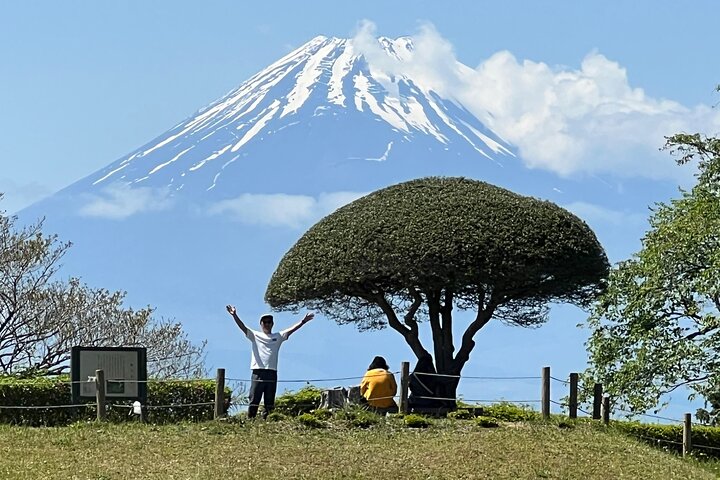
Many visitors assume Tanzawa-Oyama is just a day-hike overflow option for people who couldn’t get to Fuji; it isn’t. This quasi-national park sits in Kanagawa Prefecture, west of Yokohama, in the mountains behind Tokyo’s sprawl. Trails range from mellow ridge walks to knee-busting ascents, with dense forest, leeches in the wet season, monkeys if you’re lucky, and big Kanto views when the haze cooperates. Access is easy by train and bus, there’s no entrance fee, but weekend crowds around Oyama’s temples can feel like a pilgrimage conveyor belt. Camping and simple huts keep it backpacker-friendly, though regulations and limited sites mean you can’t just pitch anywhere. Compared with Fuji-Hakone-Izu, Tanzawa-Oyama is cheaper, rougher around the edges, and far less photogenic, but if you care more about steady elevation gain and quiet ridges than hot-spring resort scenery, it earns its keep.

Discover everything you want to know in the 📖 Japan Travel Guide.


Get your Japan guide
140 ranked highlights, routes & tips, works offline (482 pages)
Loading the map 🌍
CLICK TO FILTER
cities
towns
villages
landmarks
national parks
hikes
beaches
attractions
festivals
regions
SHOW COUNTRY’S BESTSHOW ALL

✨ Why go?
Ranked #25 national park in Japan
What makes it a must-see national park

Tanzawa-Oyama Quasi-National Park attracts backpackers for its independent exploration opportunities. With a network of trails ranging from easy walks to challenging hikes, it caters to various skill levels. Budget-conscious travelers appreciate the camping options and nearby hostels, making it easy to stretch your yen. The park’s layout encourages self-guided adventures, allowing you to set your own pace without the constraints of tours. This freedom enhances the experience, letting you soak in the natural beauty and local culture without breaking the bank. Just be prepared for sudden weather changes; they can sneak up on you.
Want to include Tanzawa-Oyama Quasi-National Park in your Japan route?
Create a personalized Japan itinerary that includes Tanzawa-Oyama Quasi-National Park and the places that fit your trip — based on your travel style, budget, and available time. Get your route in seconds.

Generate my trip

💡 HighlightsPlaces and moments you shouldn't skip

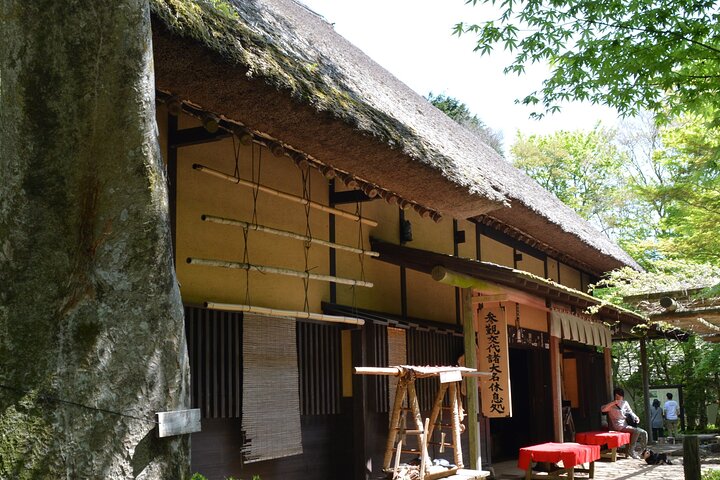
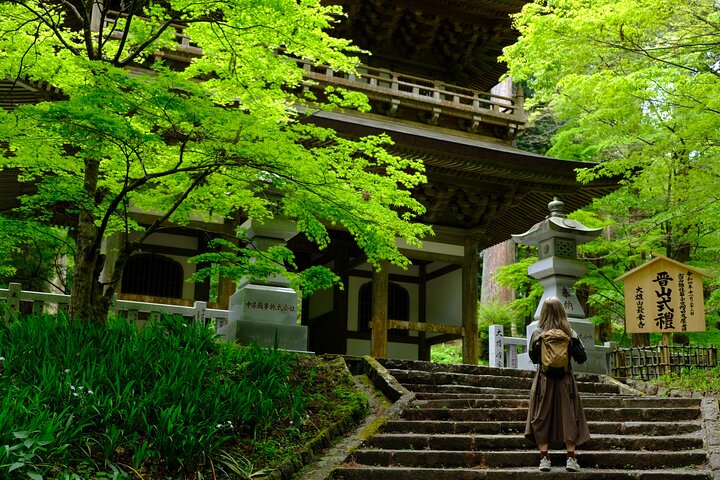
  • Mount Oyama & Oyama Afuri Shrine — A classic: a mountain-top Shinto shrine with old stone steps and a pilgrimage vibe. Great views over Sagami Bay on clear days, and the mixed forest around the shrine smells amazing after rain. (Personal favorite — the short-but-steep climb feels rewarding and the shrine is a nice cultural break mid-hike.)
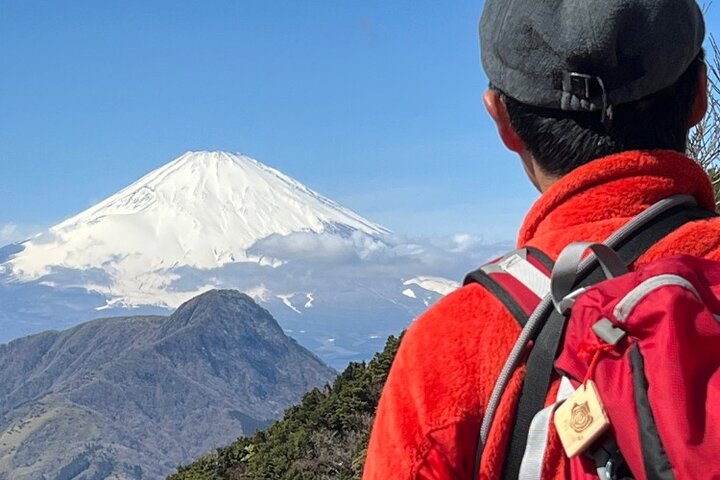
  • Tanzawa Ridge Hikes — The backbone of the park: long ridgelines that link several summits. Expect crunchy leaf litter, panoramic lookout points, and trails that can be steady fitness tests rather than gentle strolls. Perfect for multi-peak days and sunrise treks.
  • Yabitsu Pass — A famous pass/road that’s also a gateway to lots of trails. Cyclists love it, hikers use it as a trailhead, and the meadows around the pass are especially pretty in autumn. Handy
read more 👉
  • Mount Oyama & Oyama Afuri Shrine — A classic: a mountain-top Shinto shrine with old stone steps and a pilgrimage vibe. Great views over Sagami Bay on clear days, and the mixed forest around the shrine smells amazing after rain. (Personal favorite — the short-but-steep climb feels rewarding and the shrine is a nice cultural break mid-hike.)
  • Tanzawa Ridge Hikes — The backbone of the park: long ridgelines that link several summits. Expect crunchy leaf litter, panoramic lookout points, and trails that can be steady fitness tests rather than gentle strolls. Perfect for multi-peak days and sunrise treks.
  • Yabitsu Pass — A famous pass/road that’s also a gateway to lots of trails. Cyclists love it, hikers use it as a trailhead, and the meadows around the pass are especially pretty in autumn. Handy place to start or finish a day without having to backtrack.
  • Miyagase Lake & Dam — A scenic reservoir with sweeping water-and-hills views, picnic areas, and a dam you can walk up to. It brightens up the park with open-water scenery — nice contrast to the forested peaks.
  • Forested Valleys & Waterways — Narrow, green ravines with streams, mossy rocks, and little cascades. They’re the park’s cool, quiet spots on hot summer days and where you’ll notice more subtle flora and forest birds.
  • Seasonal Highlights (Wildflowers & Autumn Foliage) — Spring brings carpets of wildflowers and fresh green leaves; fall lights up the ridges with oranges and reds. If you time it right, the colors make otherwise-simple trails feel cinematic.
  • Mountain Huts, Campsites & Local Onsens — Several simple huts and nearby hot-spring towns mean you can stretch a day-hike into a proper overnight. Good for budget travelers who don’t want to carry a full camping rig but still want to stay in the hills.
Spotted a mistake or missing something? Contact us.
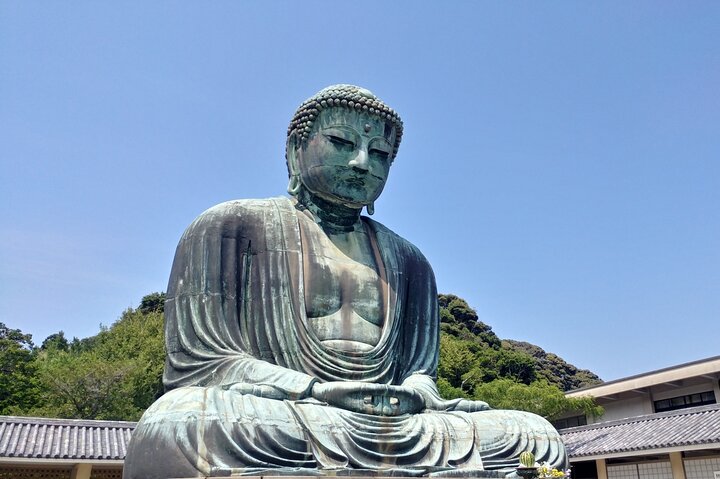
Things to do near Tanzawa-Oyama Quasi-National Park

Ratings based on Tripadvisor reviews. When you book through this link, you support our work at no extra cost to you.

🌤️ When to go?When to go for the best experience


  • Weather: Spring and autumn offer the most stable weather. Summers can be hot and humid, often exceeding 30°C (86°F), while winters drop below freezing, making trails icy and risky.

  • Temperature: April to June and September to November see mild temps between 10-20°C (50-68°F), ideal for hiking without overheating or freezing.

  • Daylight Hours: Longer days in late spring and early autumn provide 12-14 hours of light, giving you more time on the trail without rushing.

  • Crowds: Peak seasons in cherry blossom and autumn foliage attract weekend crowds. Weekdays in shoulder seasons are quieter and more peaceful.

  • Seasonal Activities: Autumn is prime for leaf-peeping; spring brings wildflowers. Winter offers snowshoeing but demands extra gear and caution.

  • Price Fluctuations: Accommodation
read more 👉

  • Weather: Spring and autumn offer the most stable weather. Summers can be hot and humid, often exceeding 30°C (86°F), while winters drop below freezing, making trails icy and risky.

  • Temperature: April to June and September to November see mild temps between 10-20°C (50-68°F), ideal for hiking without overheating or freezing.

  • Daylight Hours: Longer days in late spring and early autumn provide 12-14 hours of light, giving you more time on the trail without rushing.

  • Crowds: Peak seasons in cherry blossom and autumn foliage attract weekend crowds. Weekdays in shoulder seasons are quieter and more peaceful.

  • Seasonal Activities: Autumn is prime for leaf-peeping; spring brings wildflowers. Winter offers snowshoeing but demands extra gear and caution.

  • Price Fluctuations: Accommodation and transport costs spike during cherry blossom and autumn foliage peaks. Off-peak months offer better deals but less predictable weather.


Pro-tip: Aim for late April or mid-October weekdays to dodge crowds, enjoy crisp air, and keep your budget intact—perfect for savoring the park’s raw charm without the hassle.


source: climatestotravel.comJANJanuary: fair for travelingFEBFebruary: fair for travelingMARMarch: good for travelingAPRApril: excellent for travelingMAYMay: highly recommended for travelingJUNJune: highly recommended for travelingJULJuly: fair for travelingAUGAugust: fair for travelingSEPSeptember: highly recommended for travelingOCTOctober: excellent for travelingNOVNovember: highly recommended for travelingDECDecember: fair for traveling
when-to-go

✈️ The backpacker research shortcutJapan Travel Guide

An offline-friendly backpacking guide with optimized travel routes, ranked highlights, transport advice, and the best areas to stay.
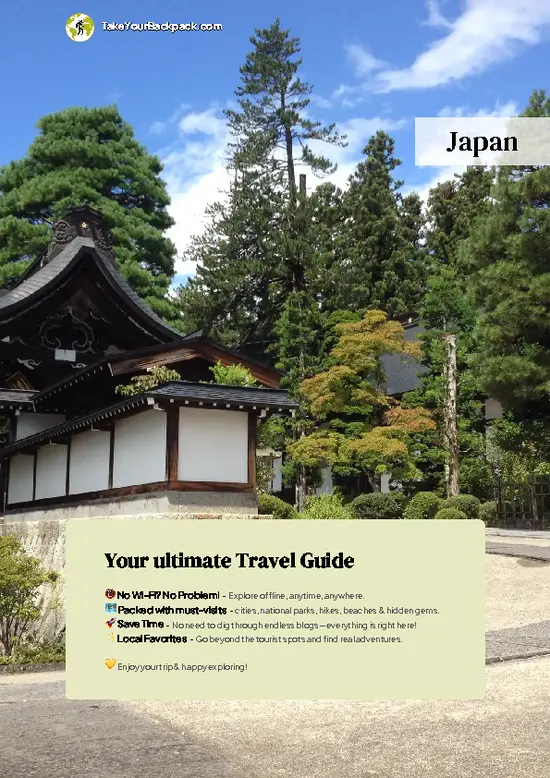
example page 0 from our offline Travel Guide for Japan
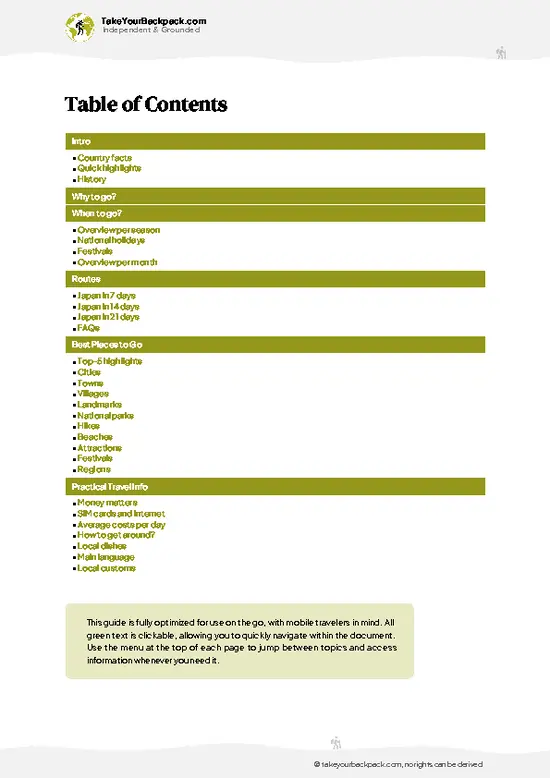
example page 1 from our offline Travel Guide for Japan
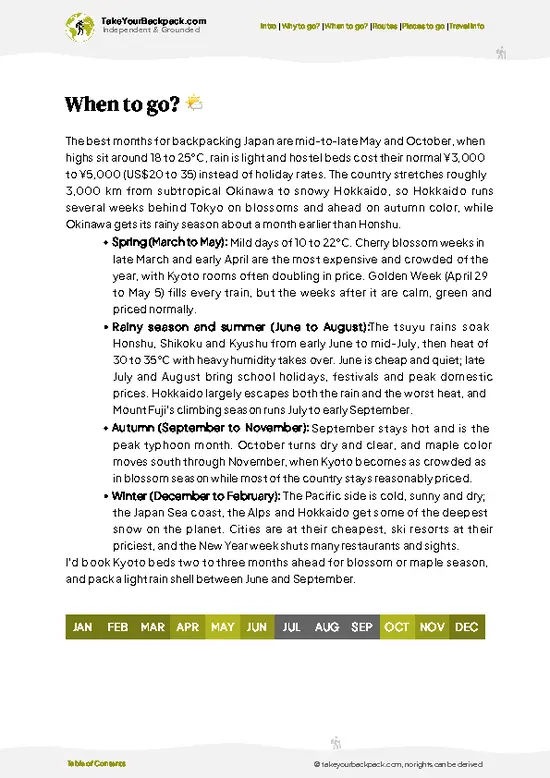
example page 2 from our offline Travel Guide for Japan
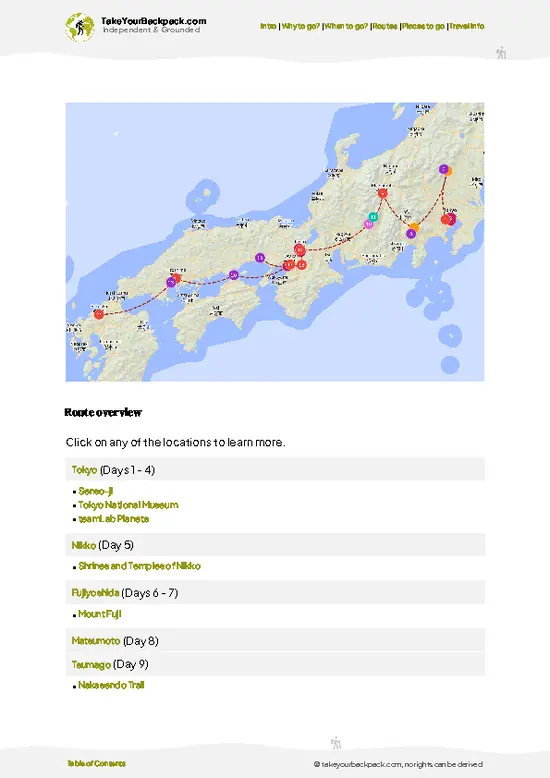
example page 3 from our offline Travel Guide for Japan
example page 4 from our offline Travel Guide for Japan
example page 5 from our offline Travel Guide for Japan
example page 6 from our offline Travel Guide for Japan
example page 7 from our offline Travel Guide for Japan
The digital guide (482 pages) contains:
140 highlights, ranked by travel appeal
Optimized 7, 14 & 21-day travel routes
Cities, national parks, landmarks, beaches
How to get around
Offline-friendly for travel without Wi-Fi
👉 Click to see all 30+ guide features

📅 Plan smarter in minutes, not weeks
Month by month travel advice
Festivals & national holidays
Budget expectations

🗺️ Go to the right places, skip the overrated ones
Honest pros & cons of destinations
Top hikes, parks & viewpoints
Lesser-known places most travelers miss
Clear “worth it vs skip it” guidance

🛏️ Travel smoothly without rookie mistakes
Best areas to stay
Transport systems explained simply
Common scams & safety advice
SIM cards, money & practical tips

🌍 Understand the country, not just visit it
Culture & traditions
52 Essential phrases & customs
Festivals worth planning around
Traveler-friendly historical context
Insights that make places more meaningful

📱 Built for real travel conditions
Fully downloadable PDF
Works completely offline
Optimized for phone use
Useful in remote areas & buses
Everything in one place
Save weeks of stressful planning
Get instant access to your full guide. 30‑day money-back guarantee.
+ Add another guide for just US$7.80

By proceeding you agree to our terms.
Sent to your inbox immediately after payment • 100% Secure Checkout
Best Backpacking Travel Advisor 2025 tourism awardBest Backpacking
Travel Advisor
2025
What others say about Take Your Backpack Guides:
⭐⭐⭐⭐⭐
Fantastic, amazing amount of information!
⭐⭐⭐⭐⭐
My goodness this is amazing, it's what I've been looking for hats off too you!
⭐⭐⭐⭐⭐
I think this is absolutely BRILLIANT
⭐⭐⭐⭐
Very complete and informative. It's still missing places, but I gotta to commend you
⭐⭐⭐⭐⭐
This is truly amazing, thank you, can't wait to explore it with my kids!
⭐⭐⭐⭐⭐
Awesome resource, thank you!
⭐⭐⭐⭐⭐
This is amazing! Can't wait to explore the ones I haven't seen
⭐⭐⭐⭐
I love this! Well done, great idea.
⭐⭐⭐⭐⭐
Thanks for taking the time to make this gem!
⭐⭐⭐⭐⭐
This might be the best website I've ever seen.
⭐⭐⭐⭐⭐
Congratulations, and thank you so much for your work; it's incredibly valuable.
⭐⭐⭐⭐
In all seriousness I think you did a great job pointing out the important spots
⭐⭐⭐⭐⭐
10/10 very good
⭐⭐⭐⭐⭐
As someone who's only just starting to visit regularly this is awesome, thank you.
⭐⭐⭐⭐
Thank you very much! I'm going to visit my dad, it's going to be very useful!
⭐⭐⭐⭐⭐
This is really cool! We'll be travelling for the first time and this definitely come in handy.
⭐⭐⭐⭐⭐
You are now our minister of culture, congratulations 👨‍💼
⭐⭐⭐⭐⭐
Just wanted to tell you that this is a pearl! Going to follow your recommendations.
⭐⭐⭐⭐⭐
This is so cool. I'll definitely be using the resource for my travels soon.
⭐⭐⭐⭐⭐
This is very impressive! Good work.
⭐⭐⭐⭐⭐
This is an amazing and informative site. Very well done!

🛏️ Where to stay?Choosing the right base

Tanzawa-Oyama Quasi-National Park offers limited accommodation within its boundaries. Most backpackers head to nearby towns like Hadano or Atsugi for budget-friendly options.

In Hadano, check out guesthouses or hostels that cater to hikers. They provide a cozy atmosphere and often share local tips. If you prefer a bit more comfort, look for ryokans in the area; they offer traditional Japanese experiences, though prices can vary.

Be mindful of transportation. Buses to trailheads can be infrequent, so plan your schedule carefully. Staying in town gives you flexibility and access to food and supplies, … read more 👉
Tanzawa-Oyama Quasi-National Park offers limited accommodation within its boundaries. Most backpackers head to nearby towns like Hadano or Atsugi for budget-friendly options.

In Hadano, check out guesthouses or hostels that cater to hikers. They provide a cozy atmosphere and often share local tips. If you prefer a bit more comfort, look for ryokans in the area; they offer traditional Japanese experiences, though prices can vary.

Be mindful of transportation. Buses to trailheads can be infrequent, so plan your schedule carefully. Staying in town gives you flexibility and access to food and supplies, ensuring you’re fueled for your adventures.

👛 Costs (as of 4 September 2026)Travel costs and budget guide for Tanzawa-Oyama Quasi-

Visiting Tanzawa-Oyama Quasi-National Park in Japan can be a rewarding experience, but it’s essential to be aware of the costs involved to avoid surprises.

Entry to the park is free, which is a great start. However, if you plan to use public transportation, budget around €10 to €20 (or $10 to $20) for a round trip from nearby train stations. The nearest major station is Odawara, and from there, you can catch a bus to the park entrance.

If you’re considering guided tours, expect to pay between €50 and €100 (or $50 to $100) depending on the length and inclusivity of the tour. Some tours may include meals or equipment rental, which can add to the cost.

Accommodation options vary widely. Camping is available for about €5 to €10 (or $5 to $10) per night, while nearby lodges or guesthouses can … read more 👉
Visiting Tanzawa-Oyama Quasi-National Park in Japan can be a rewarding experience, but it’s essential to be aware of the costs involved to avoid surprises.

Entry to the park is free, which is a great start. However, if you plan to use public transportation, budget around €10 to €20 (or $10 to $20) for a round trip from nearby train stations. The nearest major station is Odawara, and from there, you can catch a bus to the park entrance.

If you’re considering guided tours, expect to pay between €50 and €100 (or $50 to $100) depending on the length and inclusivity of the tour. Some tours may include meals or equipment rental, which can add to the cost.

Accommodation options vary widely. Camping is available for about €5 to €10 (or $5 to $10) per night, while nearby lodges or guesthouses can range from €50 to €150 (or $50 to $150) per night, depending on the season and amenities.

Food costs can also add up. If you’re dining at local restaurants, budget around €10 to €30 (or $10 to $30) per meal. Packing your own snacks and meals can help keep costs down.

Finally, if you plan to rent gear, like hiking poles or tents, expect to spend around €10 to €30 (or $10 to $30) per item per day.

Keep these costs in mind to ensure you have the energy and budget for the experiences that truly matter in this beautiful park.


source: pref.kanagawa.jp
⚠️ Prices can change and everyone travels differently, so take this as a rough guide. Hope it helps you plan your adventure!

🥾 TrailsHiking Tanzawa-Oyama Quasi- national park: highlights and difficulty

The hiking opportunities in Tanzawa-Oyama Quasi-National Park are pretty fantastic, especially if you’re into stunning views and a bit of a challenge. The park is a mix of rugged mountains and lush forests, with plenty of trails that cater to different skill levels. You’ll find everything from well-maintained paths to more rugged, steep climbs. Wildlife is abundant here, so keep your eyes peeled for monkeys, deer, and an array of bird species flitting about.

One of the standout trails is the Oyama Trail. Here are the details:
  • Length: 7.8 km
  • Estimated Duration: 3-5 hours
  • Difficulty Level: Moderate
read more 👉
The hiking opportunities in Tanzawa-Oyama Quasi-National Park are pretty fantastic, especially if you’re into stunning views and a bit of a challenge. The park is a mix of rugged mountains and lush forests, with plenty of trails that cater to different skill levels. You’ll find everything from well-maintained paths to more rugged, steep climbs. Wildlife is abundant here, so keep your eyes peeled for monkeys, deer, and an array of bird species flitting about.

One of the standout trails is the Oyama Trail. Here are the details:
  • Length: 7.8 km
  • Estimated Duration: 3-5 hours
  • Difficulty Level: Moderate to Challenging
  • Key Features: Panoramic views from the summit, sacred shrines, and beautiful seasonal flora
  • Terrain: A mix of rocky paths and forested areas, with some steep sections

Another great option is the Tanzawa Trail:
  • Length: 12 km
  • Estimated Duration: 5-7 hours
  • Difficulty Level: Moderate
  • Key Features: Scenic ridges, diverse plant life, and the chance to see Mount Fuji on clear days
  • Terrain: Varied, with both flat sections and steep ascents

Getting to the park is pretty straightforward. You can hop on a train from Tokyo to either Hadano or Oyama stations, and then catch a bus to the trailheads. It’s a popular spot, especially on weekends, so expect some company on the trails. As for entrance fees, there’s generally no charge to access the park, which is a nice bonus for budget travelers. Just pack your gear, lace up your boots, and enjoy the beauty of the outdoors!
⚠️ Hiking info can sometimes be outdated or inaccurate. Before you hit the trail, check the latest conditions with locals. If you do spot anything that's off, I'd love to hear from you, so I can update it for fellow travelers.

🛡️ SafetyStaying Safe: What Travelers Should Know

Tanzawa-Oyama Quasi-National Park is generally straightforward for hikers, but a few realities can catch you off guard. Weather can shift quickly, so pack layers and check forecasts. Trails vary; some sections are steep and rocky, requiring careful footing. Navigation is usually clear, but a map or GPS can save you from unnecessary detours. Wildlife encounters are rare, but keep a respectful distance from any animals you see. Prepare for river crossings during rainy seasons, and always prioritize timing your hikes to avoid late-day fatigue.

FAQFrequently asked questions about Tanzawa-Oyama Quasi-

2 to 3 days are sufficient to explore Tanzawa-Oyama Quasi-National Park, allowing time for hiking trails like the popular Mount Oyama route and enjoying natural sights such as waterfalls and panoramic views.
Yes, you can visit Tanzawa-Oyama Quasi-National Park without a car. Public transportation options include trains and buses from nearby cities like Tokyo, with bus services connecting to trailheads such as the Oyama Cable Car station.
No entrance fee or permit is required to enter Tanzawa-Oyama Quasi-National Park. However, some facilities like the Oyama Cable Car charge a fee, typically around 600 yen one way.
⚠️ Things can change over time, so always validate details locally before you go.

Other Japanese national parks near Tanzawa-Oyama Quasi-

Explore more nearby:


💡 Not sure where to go next?
Create a personalized itinerary for Japan including Tanzawa-Oyama Quasi- and the places that fit your trip.

Generate my itinerary

👉 Discover all national parks

Or checkout all Japan has to offer (think cities, towns, villages, national parks, hikes, beaches, festivals)
Country photo of Japan

We 💚 feedbackSumming up the experience

Tanzawa-Oyama Quasi-National Park offers stunning trails and a chance to escape the urban grind. But be ready for unpredictable weather; it can shift from sunny to stormy in a heartbeat. Pack layers and stay flexible, so you can enjoy the park’s beauty without stress.

✈️ When did I visit Japan?
As part of my 1.5 year travel around the world trip, I visited Japan in August 2015.

✍️ Help improve this page!
The information on this page is based on my own backpacking experience in Japan, supplemented with up-to-date research and feedback from other travelers. Travel details can change, so if you notice anything outdated or incomplete, feel free to let me know.


🙋‍♂️ Give feedback

👋 Meet the founderWho’s Behind Take Your Backpack?

Johan, backpacker and founder of TakeYourBackpackHi, I’m Johan (Netherlands 🇳🇱), the creator of TakeYourBackpack. Over the past decade, I’ve backpacked through 80+ countries across six continents, gaining extensive experience with independent travel, long-term trips, and overland routes.

This site is built on a combination of firsthand travel experience and carefully curated insights from other backpackers. Many guides are based on places I’ve personally visited, while others bring together tips, observations, and practical advice shared by trusted travelers I’ve met along the way.

The goal is to provide realistic, experience-driven guidance — not generic itineraries — so you can explore destinations with better context, clearer expectations, and more confidence.

Get full Japan guide •
Instant download • 140 highlights • Full Offline guide