
×

Japan🇯🇵 | festivalsAwa Odoristreet dancing, folk costumes, Tokushima city | things to do and best time to go

Explore TakamatsuExplore Fuji Rock

Backpacking in Awa Odori
🏆 Top pickfestival ranked #4
By Johan Kruseman 🇳🇱 | Updated September 4, 2026

Ten years ago, Awa Odori felt like a rowdy neighborhood party that accidentally spilled into the streets; now it’s a full-blown production with ticketed grandstands, corporate banners, and crowds that hit you like a human tidal wave. You’ll find it in Tokushima City on Shikoku Island, a bit off the classic Tokyo–Kyoto–Osaka loop, which is exactly why it still feels slightly earned. The festival runs several days around mid‑August, built on hypnotic shamisen, taiko, and flutes driving the same looping chant while dance teams stomp and sway down the streets. It pulls everyone: local families, office workers in yukata, hardcore photographers, and sweaty backpackers chasing something raw. The vibe is chaotic, loud, and physical; you walk, squeeze, and dance more than you watch. It’s worth it if you like immersion and don’t mind heat, crowds, and paying extra for decent viewing spots.

Discover everything you want to know in the 📖 Japan Travel Guide.


Get your Japan guide
140 ranked highlights, routes & tips, works offline (482 pages)
Loading the map 🌍
CLICK TO FILTER
cities
towns
villages
landmarks
national parks
hikes
beaches
attractions
festivals
regions
SHOW COUNTRY’S BESTSHOW ALL

✨ Why go?
Ranked #4 festival in Japan
What makes this festival worth celebrating

Backpackers flock to Awa Odori for a reason: it’s a whirlwind of social energy and temporary community. This festival, held in Tokushima, transforms the streets into a vibrant dance floor where locals and travelers unite. You’re not just a spectator; you’re part of something alive and pulsating.

The cultural immersion is unparalleled. You’ll witness traditional dances, hear infectious music, and taste local delicacies. It’s a chance to dive deep into Japanese culture without the touristy gloss. Plus, compared to similar events, Awa Odori is affordable. You can enjoy the festivities without breaking the bank, leaving you more funds for other adventures.

Planning your route around Awa Odori also makes sense for longer travel plans. It’s a perfect pit stop on your journey through Japan, allowing … read more 👉
Backpackers flock to Awa Odori for a reason: it’s a whirlwind of social energy and temporary community. This festival, held in Tokushima, transforms the streets into a vibrant dance floor where locals and travelers unite. You’re not just a spectator; you’re part of something alive and pulsating.

The cultural immersion is unparalleled. You’ll witness traditional dances, hear infectious music, and taste local delicacies. It’s a chance to dive deep into Japanese culture without the touristy gloss. Plus, compared to similar events, Awa Odori is affordable. You can enjoy the festivities without breaking the bank, leaving you more funds for other adventures.

Planning your route around Awa Odori also makes sense for longer travel plans. It’s a perfect pit stop on your journey through Japan, allowing you to connect with locals and fellow travelers alike. The festival’s energy fuels your spirit, making every step of your trip feel more meaningful. Embrace the chaos, and let the rhythm of Awa Odori guide your adventure!
Want to include Awa Odori in your Japan route?
Create a personalized Japan itinerary that includes Awa Odori and the places that fit your trip — based on your travel style, budget, and available time. Get your route in seconds.

Generate my trip

💡 HighlightsDon't-miss highlights and experiences

  1. Watching the ren (dance troupes) parade — Tight, choreographed groups of dancers and musicians moving down the street in long lines. Each ren has its own style and rhythm, and seeing dozens of them pass one after another is like watching living, walking theater; it’s the core of the festival’s energy and scale.
  2. The live hayashi music — The shamisen, taiko, shinobue (bamboo flute) and hand bell create a raw, driving sound that keeps the dancers moving. The call-and-response chants (“Yatto-sa!”) and syncopated beats are infectious — you feel them in your chest more than you hear them — and they’re played while the troupe is on the move, which is pretty special.
  3. Costumes and the amigasa straw hat look — From graceful women in woven amigasa and yukata to energetic men in happi coats and geta,
read more 👉
  1. Watching the ren (dance troupes) parade — Tight, choreographed groups of dancers and musicians moving down the street in long lines. Each ren has its own style and rhythm, and seeing dozens of them pass one after another is like watching living, walking theater; it’s the core of the festival’s energy and scale.
  2. The live hayashi music — The shamisen, taiko, shinobue (bamboo flute) and hand bell create a raw, driving sound that keeps the dancers moving. The call-and-response chants (“Yatto-sa!”) and syncopated beats are infectious — you feel them in your chest more than you hear them — and they’re played while the troupe is on the move, which is pretty special.
  3. Costumes and the amigasa straw hat look — From graceful women in woven amigasa and yukata to energetic men in happi coats and geta, the visual contrast is striking. The clothes aren’t just for show: they reflect local aesthetics, season, and the identity of each ren, so every group you watch looks like its own small world.
  4. The chance to join in (yes, really) — Many ren openly invite spectators to learn a few basic steps and dance with them for a short stretch. It’s informal, friendly, and a rare festival moment where audience and performers blur. Personal favorite: I always try to hop in for a few steps — it turns the whole thing from “spectacle” into something you actually feel part of.
  5. Nighttime streetscape and food stalls — Lantern-lit streets packed with people, sizzling yatai stalls, and the smell of grilled food make the surroundings as memorable as the dances. The atmosphere is equal parts joyous and chaotic; grab cheap festival food, find a curb-side spot, and let the lights and music do the rest.
Spotted a mistake or missing something? Contact us.

Things to do near Awa Odori

Ratings based on Tripadvisor reviews. When you book through this link, you support our work at no extra cost to you.

🌤️ When to go?When is the celebration of Awa Odori?


  • Topic: Weather and Temperature – Mid-August is peak Awa Odori time, and it’s hot. Expect highs around 30–33°C (86–91°F). Nights cool slightly but stay warm. Humidity can sap your energy fast, so pack light, breathable gear and hydrate like a pro.

  • Topic: Daylight Hours – Japan’s summer days stretch long, with sunset around 6:45–7:00 PM. The festival kicks off in the evening, so you’ll have daylight for exploring Tokushima city before the dance madness begins.

  • Topic: Crowds – This is no secret soirée. The festival draws massive crowds, especially on weekends. If you want to dodge the thickest throngs, aim for weekday evenings. But remember, the buzz is part of the experience—embrace it or plan accordingly.

  • Topic: Seasonal Activities – August is festival season in Japan, so you’ll find
read more 👉

  • Topic: Weather and Temperature – Mid-August is peak Awa Odori time, and it’s hot. Expect highs around 30–33°C (86–91°F). Nights cool slightly but stay warm. Humidity can sap your energy fast, so pack light, breathable gear and hydrate like a pro.

  • Topic: Daylight Hours – Japan’s summer days stretch long, with sunset around 6:45–7:00 PM. The festival kicks off in the evening, so you’ll have daylight for exploring Tokushima city before the dance madness begins.

  • Topic: Crowds – This is no secret soirée. The festival draws massive crowds, especially on weekends. If you want to dodge the thickest throngs, aim for weekday evenings. But remember, the buzz is part of the experience—embrace it or plan accordingly.

  • Topic: Seasonal Activities – August is festival season in Japan, so you’ll find other summer events nearby, from fireworks to local markets. This can enrich your trip but also push prices and crowds higher.

  • Topic: Price Fluctuations – Accommodation and transport costs spike during Awa Odori. Book early to lock in rates. Last-minute plans mean paying a premium or settling for less convenient options.


Pro-tip: Arrive a day early to acclimate, snag better lodging, and catch smaller pre-festival events—this strategy saves your energy and wallet for the main dance floor showdown.


source: climatestotravel.comJANJanuary: not recommended for travelingFEBFebruary: not recommended for travelingMARMarch: not recommended for travelingAPRApril: not recommended for travelingMAYMay: not recommended for travelingJUNJune: not recommended for travelingJULJuly: not recommended for travelingAUGAugust: excellent for travelingSEPSeptember: not recommended for travelingOCTOctober: not recommended for travelingNOVNovember: not recommended for travelingDECDecember: not recommended for traveling

✈️ The backpacker research shortcutJapan Travel Guide

An offline-friendly backpacking guide with optimized travel routes, ranked highlights, transport advice, and the best areas to stay.
example page 0 from our offline Travel Guide for Japan
example page 1 from our offline Travel Guide for Japan
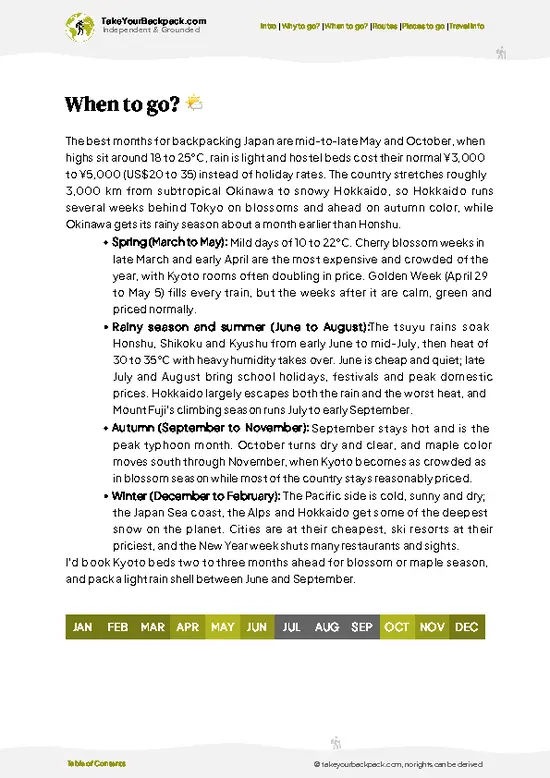
example page 2 from our offline Travel Guide for Japan
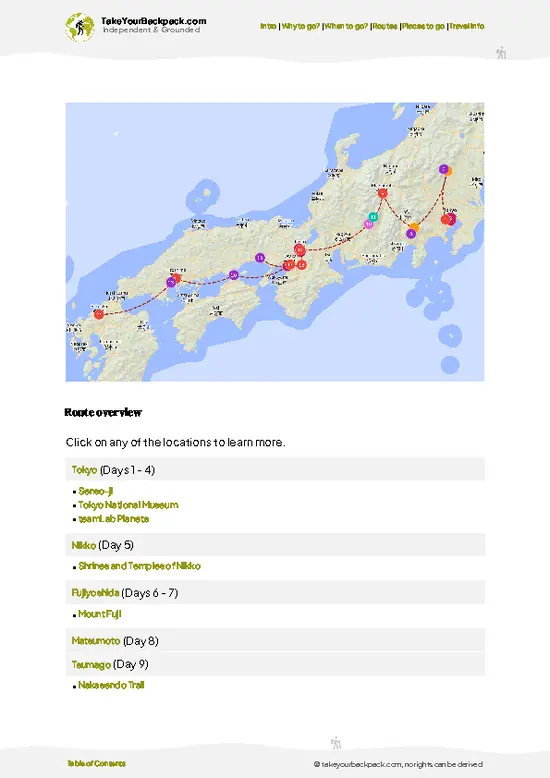
example page 3 from our offline Travel Guide for Japan
example page 4 from our offline Travel Guide for Japan
example page 5 from our offline Travel Guide for Japan
example page 6 from our offline Travel Guide for Japan
example page 7 from our offline Travel Guide for Japan
The digital guide (482 pages) contains:
140 highlights, ranked by travel appeal
Optimized 7, 14 & 21-day travel routes
Cities, national parks, landmarks, beaches
How to get around
Offline-friendly for travel without Wi-Fi
👉 Click to see all 30+ guide features

📅 Plan smarter in minutes, not weeks
Month by month travel advice
Festivals & national holidays
Budget expectations

🗺️ Go to the right places, skip the overrated ones
Honest pros & cons of destinations
Top hikes, parks & viewpoints
Lesser-known places most travelers miss
Clear “worth it vs skip it” guidance

🛏️ Travel smoothly without rookie mistakes
Best areas to stay
Transport systems explained simply
Common scams & safety advice
SIM cards, money & practical tips

🌍 Understand the country, not just visit it
Culture & traditions
52 Essential phrases & customs
Festivals worth planning around
Traveler-friendly historical context
Insights that make places more meaningful

📱 Built for real travel conditions
Fully downloadable PDF
Works completely offline
Optimized for phone use
Useful in remote areas & buses
Everything in one place
Save weeks of stressful planning
Get instant access to your full guide. 30‑day money-back guarantee.
+ Add another guide for just US$7.80

By proceeding you agree to our terms.
Sent to your inbox immediately after payment • 100% Secure Checkout
Best Backpacking Travel Advisor 2025 tourism awardBest Backpacking
Travel Advisor
2025
What others say about Take Your Backpack Guides:
⭐⭐⭐⭐⭐
Fantastic, amazing amount of information!
⭐⭐⭐⭐⭐
My goodness this is amazing, it's what I've been looking for hats off too you!
⭐⭐⭐⭐⭐
I think this is absolutely BRILLIANT
⭐⭐⭐⭐
Very complete and informative. It's still missing places, but I gotta to commend you
⭐⭐⭐⭐⭐
This is truly amazing, thank you, can't wait to explore it with my kids!
⭐⭐⭐⭐⭐
Awesome resource, thank you!
⭐⭐⭐⭐⭐
This is amazing! Can't wait to explore the ones I haven't seen
⭐⭐⭐⭐
I love this! Well done, great idea.
⭐⭐⭐⭐⭐
Thanks for taking the time to make this gem!
⭐⭐⭐⭐⭐
This might be the best website I've ever seen.
⭐⭐⭐⭐⭐
Congratulations, and thank you so much for your work; it's incredibly valuable.
⭐⭐⭐⭐
In all seriousness I think you did a great job pointing out the important spots
⭐⭐⭐⭐⭐
10/10 very good
⭐⭐⭐⭐⭐
As someone who's only just starting to visit regularly this is awesome, thank you.
⭐⭐⭐⭐
Thank you very much! I'm going to visit my dad, it's going to be very useful!
⭐⭐⭐⭐⭐
This is really cool! We'll be travelling for the first time and this definitely come in handy.
⭐⭐⭐⭐⭐
You are now our minister of culture, congratulations 👨‍💼
⭐⭐⭐⭐⭐
Just wanted to tell you that this is a pearl! Going to follow your recommendations.
⭐⭐⭐⭐⭐
This is so cool. I'll definitely be using the resource for my travels soon.
⭐⭐⭐⭐⭐
This is very impressive! Good work.
⭐⭐⭐⭐⭐
This is an amazing and informative site. Very well done!

🛏️ Where to stay?Where staying makes the most sense

Stay close to the heart of the ’Awa Odori’ festival in Tokushima, where the streets pulse with energy and tradition. The city’s downtown area is your best bet. It’s alive with dancers, music, and food stalls. You’ll find a mix of budget-friendly guesthouses and hostels that foster a social vibe. This is where you’ll meet fellow travelers, share stories, and maybe even join in the dance.

Head to the riverfront for a more laid-back atmosphere. Here, you can relax by the water after a day of festivities. The area is safe, and you’ll find cozy spots that cater to backpackers. Plus, it’s just a short … read more 👉
Stay close to the heart of the ’Awa Odori’ festival in Tokushima, where the streets pulse with energy and tradition. The city’s downtown area is your best bet. It’s alive with dancers, music, and food stalls. You’ll find a mix of budget-friendly guesthouses and hostels that foster a social vibe. This is where you’ll meet fellow travelers, share stories, and maybe even join in the dance.

Head to the riverfront for a more laid-back atmosphere. Here, you can relax by the water after a day of festivities. The area is safe, and you’ll find cozy spots that cater to backpackers. Plus, it’s just a short walk to the festival action.

Don’t overlook the outskirts of Tokushima. Some neighborhoods offer a quieter experience, with local charm and fewer tourists. You’ll save some yen while still being close enough to join the celebration.

Remember, the key is to stay flexible. Book early, as spots fill up fast during the festival. Prioritize places with communal spaces; they’re gold for connecting with others. Your adventure is about the journey, so soak in every moment!

👛 Costs (as of 4 September 2026)Money, prices, and spending tips

The Awa Odori festival in Japan is a vibrant celebration that draws crowds, but navigating the costs can be tricky. Here’s a breakdown to keep your budget in check while you soak in the rhythm of the dance.
  • Festival Tickets: Entry to the Awa Odori festivities is generally free, but some special seating areas may charge around €10-€20 ($10-$22). If you want to participate in the dances, look for workshops that can range from €30-€50 ($33-$55).
  • Accommodation: Expect to pay between €50-€150 ($55-$165) per night for a decent hotel or guesthouse. Prices can spike during the festival, so booking early is crucial. Consider hostels or capsule hotels for budget options, which can be as low as €20-€40 ($22-$44) per night.
  • Local Transport: Public transport is efficient. A one-way train ticket from Tokushima
read more 👉
The Awa Odori festival in Japan is a vibrant celebration that draws crowds, but navigating the costs can be tricky. Here’s a breakdown to keep your budget in check while you soak in the rhythm of the dance.
  • Festival Tickets: Entry to the Awa Odori festivities is generally free, but some special seating areas may charge around €10-€20 ($10-$22). If you want to participate in the dances, look for workshops that can range from €30-€50 ($33-$55).
  • Accommodation: Expect to pay between €50-€150 ($55-$165) per night for a decent hotel or guesthouse. Prices can spike during the festival, so booking early is crucial. Consider hostels or capsule hotels for budget options, which can be as low as €20-€40 ($22-$44) per night.
  • Local Transport: Public transport is efficient. A one-way train ticket from Tokushima city center to the festival area costs about €2-€4 ($2-$4). If you plan to explore nearby attractions, budget around €10-€20 ($11-$22) for a day pass.
  • Food & Drinks: Street food is a highlight. Expect to spend €5-€15 ($5-$16) per meal. Local specialties like Awa beef or cold noodles are worth trying. Budget around €20-€40 ($22-$44) per day if you plan to indulge.
  • Miscellaneous Expenses: Factor in around €10-€30 ($11-$33) for souvenirs, drinks, or unexpected costs. This could include festival merchandise or a spontaneous late-night snack.

Keep these figures in mind to avoid surprises. The goal is to enjoy the festival without draining your wallet, so plan wisely and savor every moment.


source: awanavi.jp
⚠️ Prices can change and everyone travels differently, so take this as a rough guide. Hope it helps you plan your adventure!

🍲 FoodWhat to Eat & Drink

At the Awa Odori festival, food and drink are as vibrant as the dance itself. You’ll find yaki soba sizzling on grills, the aroma pulling you in. Grab a plate of these stir-fried noodles topped with crispy cabbage and a drizzle of savory sauce. Don’t skip the kakigori, a fluffy mound of shaved ice drizzled with sweet syrup—perfect for cooling off as you sway to the rhythm.

For drinks, local sake is a must-try. Sip it warm or chilled, and feel the warmth spread as you mingle with fellow festival-goers. If you’re in the mood for something lighter, grab a can of local beer from one of the many stalls.

Etiquette is key here. Be ready to share bites with friends; it’s all about community. Lines can get long, so don’t hesitate—jump in when you see something tempting. Cash is king at most stalls, … read more 👉
At the Awa Odori festival, food and drink are as vibrant as the dance itself. You’ll find yaki soba sizzling on grills, the aroma pulling you in. Grab a plate of these stir-fried noodles topped with crispy cabbage and a drizzle of savory sauce. Don’t skip the kakigori, a fluffy mound of shaved ice drizzled with sweet syrup—perfect for cooling off as you sway to the rhythm.

For drinks, local sake is a must-try. Sip it warm or chilled, and feel the warmth spread as you mingle with fellow festival-goers. If you’re in the mood for something lighter, grab a can of local beer from one of the many stalls.

Etiquette is key here. Be ready to share bites with friends; it’s all about community. Lines can get long, so don’t hesitate—jump in when you see something tempting. Cash is king at most stalls, so keep yen handy. Serving sizes are often generous, so pace yourself; you want to leave room for that next delicious bite. Embrace the chaos, savor the flavors, and let the festival fuel your adventure!

FAQCommon questions from travelers

Awa Odori takes place annually from August 12 to August 15. It is a four-day festival held in Tokushima City on Shikoku Island. The main events occur in the evenings, drawing large crowds.
Attending Awa Odori is generally free in public areas where the dance troupes perform on the streets. However, reserved seating for special viewing areas can cost between 2,000 to 5,000 yen per day. Food, drinks, and souvenirs are additional expenses to consider.
No, you do not need tickets to watch the street performances of Awa Odori as they are open to the public. Tickets are only required if you want reserved seating in designated viewing areas or to attend special events associated with the festival.
⚠️ Things can change over time, so always validate details locally before you go.

Other Japanese festivals near Awa Odori

Explore more nearby:


💡 Not sure where to go next?
Create a personalized itinerary for Japan including Awa Odori and the places that fit your trip.

Generate my itinerary

👉 Discover all festivals

Or checkout all Japan has to offer (think cities, towns, villages, national parks, hikes, beaches, festivals)
Country photo of Japan

We 💚 feedbackKey takeaways before you go

Awa Odori is a whirlwind of rhythm and movement, where you can lose yourself in the infectious energy of traditional dance. It’s a chance to connect with locals and feel the pulse of Japan’s culture. But be ready for crowds; they can be overwhelming. Plan your escape routes and don’t let the throngs drain your spirit. Embrace the chaos, and you’ll find the magic in every step.

✈️ When did I visit Japan?
As part of my 1.5 year travel around the world trip, I visited Japan in August 2015.

✍️ Help improve this page!
The information on this page is based on my own backpacking experience in Japan, supplemented with up-to-date research and feedback from other travelers. Travel details can change, so if you notice anything outdated or incomplete, feel free to let me know.


🙋‍♂️ Give feedback

👋 Meet the founderWho’s Behind Take Your Backpack?

Johan, backpacker and founder of TakeYourBackpackHi, I’m Johan (Netherlands 🇳🇱), the creator of TakeYourBackpack. Over the past decade, I’ve backpacked through 80+ countries across six continents, gaining extensive experience with independent travel, long-term trips, and overland routes.

This site is built on a combination of firsthand travel experience and carefully curated insights from other backpackers. Many guides are based on places I’ve personally visited, while others bring together tips, observations, and practical advice shared by trusted travelers I’ve met along the way.

The goal is to provide realistic, experience-driven guidance — not generic itineraries — so you can explore destinations with better context, clearer expectations, and more confidence.

Get full Japan guide •
Instant download • 140 highlights • Full Offline guide