×

Japan🇯🇵 | citiesTakamatsuisland ferries, udon shops, Ritsurin garden | things to do and best time to go

Explore MiyazakiExplore Awa Odori

Backpacking in Takamatsu
👍 Recommendedcity ranked #24
By Johan Kruseman 🇳🇱 | Updated September 23, 2026

Most people skip Takamatsu as “just a ferry port,” but for backpackers it’s one of the cheapest, calmest launchpads into rural Japan you can actually base yourself in. Sitting on Shikoku’s north coast facing the Seto Inland Sea, it’s safer and more relaxed than Osaka, less intense than Hiroshima, and way cheaper than Kyoto. You get Ritsurin Garden, island-hopping to Naoshima and Shodoshima, decent nightlife around Kawaramachi, easy trams and trains, but fewer hostels and less instant traveler community—more slow-burn, local-bar conversations than hostel-pub-crawl chaos.

Discover everything you want to know in the 📖 Japan Travel Guide.


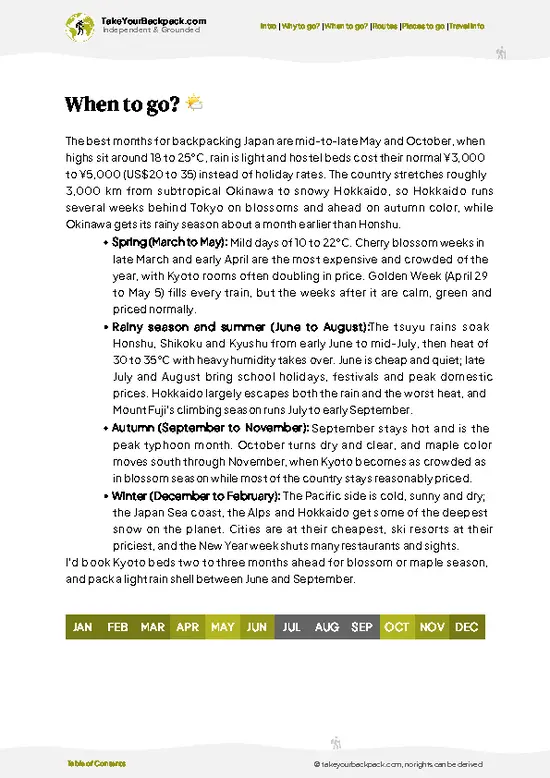
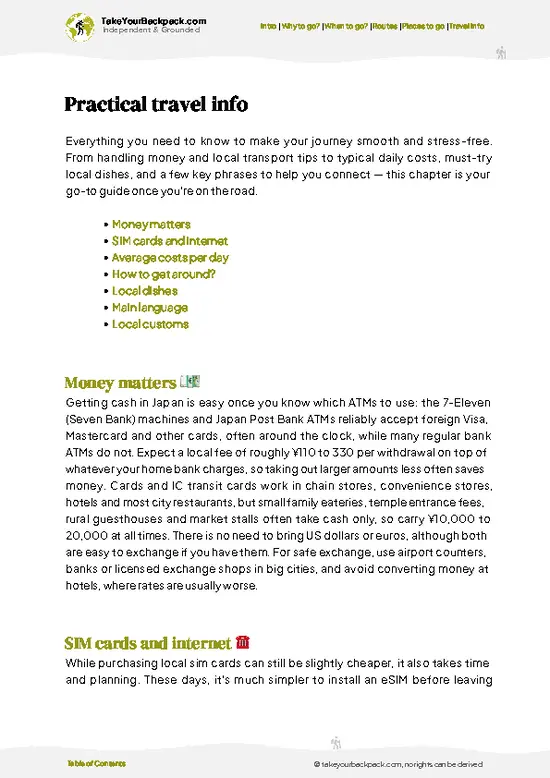
example page 0 from our offline Travel Guide for Japan
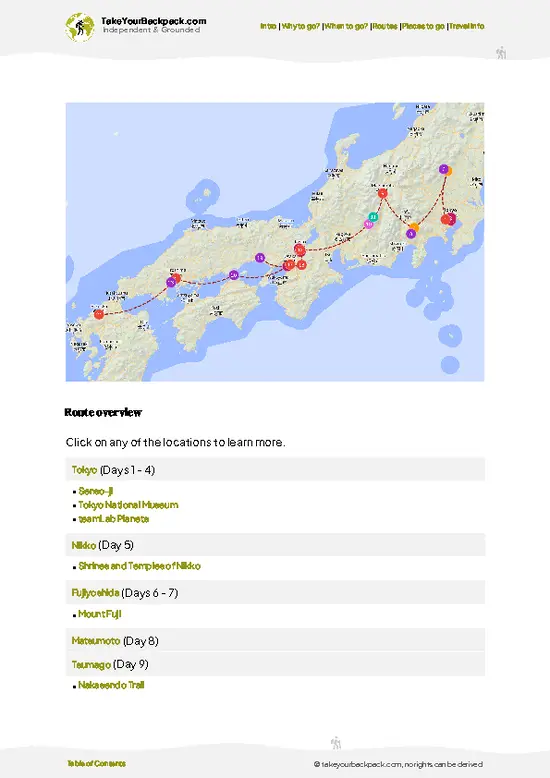
example page 1 from our offline Travel Guide for Japan
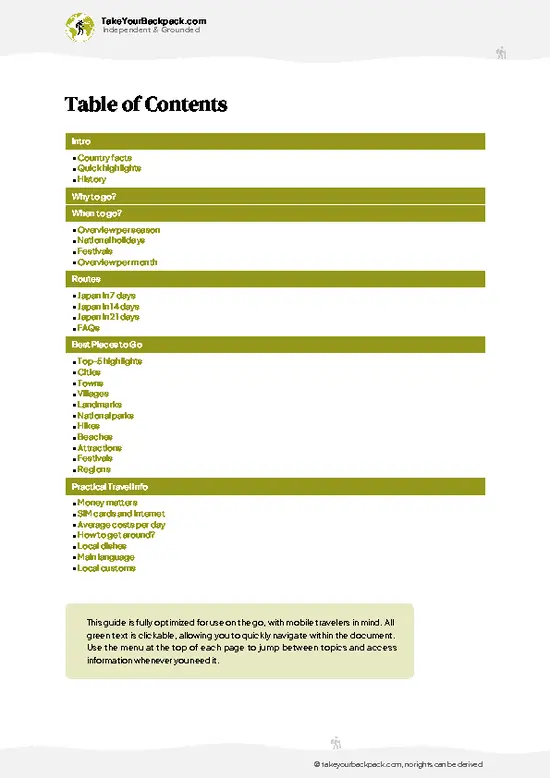
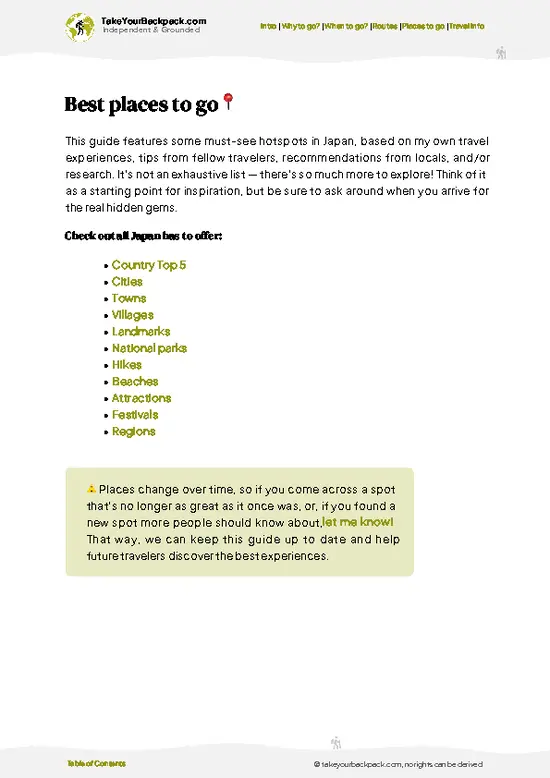
example page 2 from our offline Travel Guide for Japan
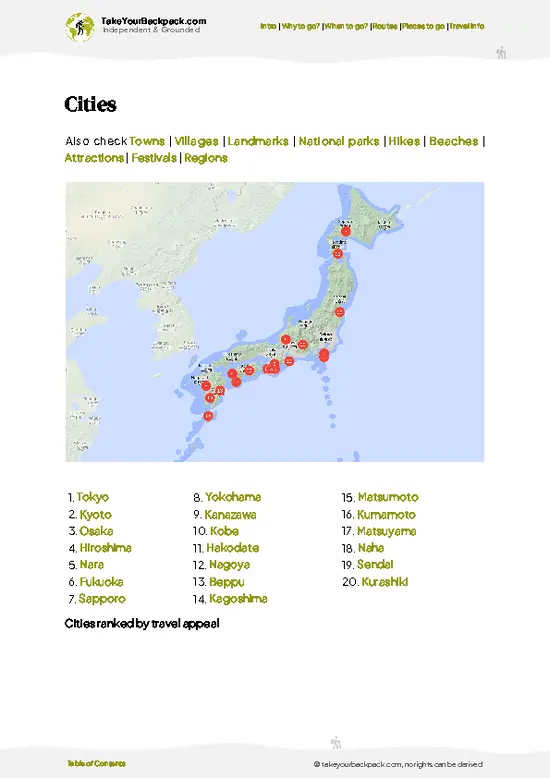
example page 3 from our offline Travel Guide for Japan
example page 4 from our offline Travel Guide for Japan
example page 5 from our offline Travel Guide for Japan
example page 6 from our offline Travel Guide for Japan
example page 7 from our offline Travel Guide for Japan
Loading the map 🌍
CLICK TO FILTER
cities
towns
villages
landmarks
national parks
hikes
beaches
attractions
festivals
regions
SHOW COUNTRY’S BESTSHOW ALL

✨ Why go?
Ranked #24 city in Japan
What makes it a must-see city

Takamatsu is a strategic basecamp for backpackers, balancing affordability and comfort. The city’s walkability makes it easy to explore local food stalls and vibrant nightlife without breaking the bank. Hostels here offer a cozy atmosphere, perfect for meeting fellow travelers. Plus, it’s a gateway for day trips to nearby islands and attractions, maximizing your experience without the hassle of constant packing. With easy onward travel options, you can seamlessly continue your journey. If you’re after a blend of culture and convenience, Takamatsu is worth more than just a quick stop.

💡 HighlightsThe experiences that define the visit

  • Ritsurin Garden (Ritsurin-kōen) — A masterpiece of feudal garden design: paths, ponds, teahouses and carefully clipped pines laid out around rolling hills. Walk it slowly at dawn or dusk and you’ll understand why it’s the city’s soul.
  • Takamatsu Castle / Tamamo Park — One of Japan’s few seaside castles, with black stone walls and a seawater moat. The surviving turret and ramparts are atmospheric; the park is perfect for a picnic and people-watching by the harbor.
  • Yashima Plateau and Yashima-ji — A short drive up gives sweeping Seto Inland Sea views, the Genpei War battlefield site, and Yashima-ji (an actual stop on the Shikoku pilgrimage). History, panoramas and easy hikes all in one spot.
  • Shikoku Mura (Open-air Folk Museum) — Traditional farmhouses, shops and workshops relocated here
… read more 👉
  • Ritsurin Garden (Ritsurin-kōen) — A masterpiece of feudal garden design: paths, ponds, teahouses and carefully clipped pines laid out around rolling hills. Walk it slowly at dawn or dusk and you’ll understand why it’s the city’s soul.
  • Takamatsu Castle / Tamamo Park — One of Japan’s few seaside castles, with black stone walls and a seawater moat. The surviving turret and ramparts are atmospheric; the park is perfect for a picnic and people-watching by the harbor.
  • Yashima Plateau and Yashima-ji — A short drive up gives sweeping Seto Inland Sea views, the Genpei War battlefield site, and Yashima-ji (an actual stop on the Shikoku pilgrimage). History, panoramas and easy hikes all in one spot.
  • Shikoku Mura (Open-air Folk Museum) — Traditional farmhouses, shops and workshops relocated here to preserve old Shikoku architecture and crafts. It’s hands-on and quiet compared with bigger museums—great for tactile learning about regional life.
  • Kagawa Museum — Clean, modern displays about Kagawa’s history, art and craft (including local ceramics and the udon culture). The exhibits give context to what you see around town.
  • Sunport Takamatsu & Takamatsu Symbol Tower — The waterfront hub: ferries, cafes, an observation floor with sunset views and a relaxed seaside vibe. It’s where travel logistics meet chill local life.
  • Kitahama Retro / Kitahama area — Old port warehouses converted into cafes, shops and galleries. Small-scale, photogenic, and the nicest place to sip coffee while watching fishermen and ferries.
  • Takamatsu City Museum of Art — A compact art museum that mixes local artists, ceramic shows and rotating contemporary exhibits—useful if you want a quieter cultural fix after the big sights.
  • Megijima (Onigashima) — A short ferry ride to an island known for its “oni” (demon) statues, short hikes, small beaches and village galleries. Feels like stepping into a storybook version of rural Setouchi.
  • Ogijima — Smaller and quieter than Megijima, Ogijima retains a slow-village feel with narrow lanes, a tiny lighthouse and occasional art installations. Bring shoes for the pebble beaches and a camera for the village scenes.
A few excellent day trips outside Takamatsu: Naoshima (contemporary art island), Shodoshima (Kankakei Gorge and olive farms) and Kotohira (Kompira-san shrine) — Naoshima is my personal favorite.
Spotted a mistake or missing something? Contact us.

Things to do in Takamatsu

Ratings based on Tripadvisor reviews. When you book through this link, you support our work at no extra cost to you.

🏘️ NeighborhoodsUnderstanding the local layout

Takamatsu offers a blend of urban charm and serene landscapes, making it a unique stop for backpackers. Here’s how the neighborhoods stack up:

Marugame-machi: This area buzzes with local eateries and shops. It’s budget-friendly and walkable, perfect for short stays. Enjoy a lively atmosphere with easy access to transport.

Ritsurin Park Area: Known for its stunning gardens, this neighborhood is quieter and ideal for longer stays. It’s a peaceful retreat with a few cozy cafes. Transport is accessible, but nightlife is limited.

Takamatsu Station Area: The transport hub of the city, it’s bustling and convenient. Great for those on the move, with a mix of budget and mid-range options. Nightlife is vibrant, making it suitable for both short and longer visits.

⌛️ 1 day1-day itinerary for Takamatsu

Takamatsu, Japan, is a delightful blend of history and modernity, known for its stunning Ritsurin Garden and the rich flavors of Sanuki udon. Start your morning at Ritsurin Garden, where you can stroll through meticulously designed landscapes, sip matcha at a teahouse, and soak in the tranquility. It’s a perfect way to ease into the day.

Afterward, head to the bustling Takamatsu City Center. Grab a bowl of Sanuki udon at a local shop—it’s a must. The chewy noodles and savory broth are a culinary highlight. Spend your afternoon exploring the nearby Kitahama Alley, where quirky cafes and artisan shops line the streets. Don’t miss the Takamatsu Art Museum, which often flies under the radar but showcases impressive contemporary works.

As evening approaches, wander to the waterfront and enjoy … read more 👉
Takamatsu, Japan, is a delightful blend of history and modernity, known for its stunning Ritsurin Garden and the rich flavors of Sanuki udon. Start your morning at Ritsurin Garden, where you can stroll through meticulously designed landscapes, sip matcha at a teahouse, and soak in the tranquility. It’s a perfect way to ease into the day.

Afterward, head to the bustling Takamatsu City Center. Grab a bowl of Sanuki udon at a local shop—it’s a must. The chewy noodles and savory broth are a culinary highlight. Spend your afternoon exploring the nearby Kitahama Alley, where quirky cafes and artisan shops line the streets. Don’t miss the Takamatsu Art Museum, which often flies under the radar but showcases impressive contemporary works.

As evening approaches, wander to the waterfront and enjoy the sunset over the Seto Inland Sea. For dinner, seek out a small izakaya in the Nakajin area, where locals gather. The atmosphere is lively, and the food is authentic. This day in Takamatsu balances comfort and adventure, making it a rewarding experience.

🌤️ When to go?Seasonal considerations and timing

  • Weather: Spring (March to May) and autumn (September to November) offer mild, dry conditions ideal for walking and exploring. Summers can be hot and humid, often above 30°C (86°F), while winters dip to around 5°C (41°F) with occasional rain.
  • Temperature: Spring averages 13-20°C (55-68°F), autumn 15-22°C (59-72°F), perfect for layering. Avoid the sticky summer heat and chilly winter cold if comfort is a priority.
  • Daylight Hours: Longer days in spring and autumn, roughly 11-13 hours, maximize sightseeing time without burning out in the heat or cold.
  • Crowds: Golden Week (late April to early May) and autumn festivals draw locals and tourists alike, hiking prices and crowd density. Early spring or late autumn offers quieter streets and better deals.
  • Seasonal Activities: Cherry blossoms bloom
… read more 👉
  • Weather: Spring (March to May) and autumn (September to November) offer mild, dry conditions ideal for walking and exploring. Summers can be hot and humid, often above 30°C (86°F), while winters dip to around 5°C (41°F) with occasional rain.
  • Temperature: Spring averages 13-20°C (55-68°F), autumn 15-22°C (59-72°F), perfect for layering. Avoid the sticky summer heat and chilly winter cold if comfort is a priority.
  • Daylight Hours: Longer days in spring and autumn, roughly 11-13 hours, maximize sightseeing time without burning out in the heat or cold.
  • Crowds: Golden Week (late April to early May) and autumn festivals draw locals and tourists alike, hiking prices and crowd density. Early spring or late autumn offers quieter streets and better deals.
  • Seasonal Activities: Cherry blossoms bloom in April, a bucket-list spectacle, while autumn’s maple leaves paint the city in fiery hues. Both seasons reward patience with unforgettable visuals.
  • Price Fluctuations: Accommodation and transport spike during peak cherry blossom and festival periods. Booking outside these windows saves money and stress.
Pro-tip: Aim for late March or mid-November to balance weather, crowds, and cost—your sweet spot for a high-value Takamatsu experience.


source: climatestotravel.comJANJanuary: fair for travelingFEBFebruary: fair for travelingMARMarch: highly recommended for travelingAPRApril: excellent for travelingMAYMay: good for travelingJUNJune: fair for travelingJULJuly: below average for travelingAUGAugust: below average for travelingSEPSeptember: highly recommended for travelingOCTOctober: excellent for travelingNOVNovember: highly recommended for travelingDECDecember: fair for traveling
when-to-go

✈️ The backpacker research shortcutJapan Travel Guide

An offline-friendly backpacking guide with optimized travel routes, ranked highlights, transport advice, and the best areas to stay.
example page 0 from our offline Travel Guide for Japan
example page 1 from our offline Travel Guide for Japan
example page 2 from our offline Travel Guide for Japan
example page 3 from our offline Travel Guide for Japan
example page 4 from our offline Travel Guide for Japan
example page 5 from our offline Travel Guide for Japan
example page 6 from our offline Travel Guide for Japan
example page 7 from our offline Travel Guide for Japan
The digital guide (475 pages) contains:
✅ 139 highlights, ranked by travel appeal
✅ Optimized 7, 14 & 21-day travel routes
✅ Cities, national parks, landmarks, beaches
✅ How to get around
✅ Offline-friendly for travel without Wi-Fi
👉 Click to see all 30+ guide features

📅 Plan smarter in minutes, not weeks
✅ Month by month travel advice
✅ Festivals & national holidays
✅ Budget expectations

🗺️ Go to the right places, skip the overrated ones
✅ Honest pros & cons of destinations
✅ Top hikes, parks & viewpoints
✅ Lesser-known places most travelers miss
✅ Clear “worth it vs skip it” guidance

🛏️ Travel smoothly without rookie mistakes
✅ Best areas to stay
✅ Transport systems explained simply
✅ Common scams & safety advice
✅ SIM cards, money & practical tips

🌍 Understand the country, not just visit it
✅ Culture & traditions
✅ 52 Essential phrases & customs
✅ Festivals worth planning around
✅ Traveler-friendly historical context
✅ Insights that make places more meaningful

📱 Built for real travel conditions
✅ Fully downloadable PDF
✅ Works completely offline
✅ Optimized for phone use
✅ Useful in remote areas & buses
✅ Everything in one place
Stop searching, start planning
Get instant access to your full guide. 30‑day money-back guarantee.
+ Add another guide for just

By proceeding you agree to our terms.
Sent to your inbox immediately after payment • 100% Secure Checkout
Best Backpacking Travel Advisor 2025 tourism awardBest Backpacking
Travel Advisor
2025
What others say about Take Your Backpack Guides:
⭐⭐⭐⭐⭐
Fantastic, amazing amount of information!
⭐⭐⭐⭐⭐
My goodness this is amazing, it's what I've been looking for hats off too you!
⭐⭐⭐⭐⭐
I think this is absolutely BRILLIANT
⭐⭐⭐⭐
Very complete and informative. It's still missing places, but I gotta to commend you
⭐⭐⭐⭐⭐
This is truly amazing, thank you, can't wait to explore it with my kids!
⭐⭐⭐⭐⭐
Awesome resource, thank you!
⭐⭐⭐⭐⭐
This is amazing! Can't wait to explore the ones I haven't seen
⭐⭐⭐⭐
I love this! Well done, great idea.
⭐⭐⭐⭐⭐
Thanks for taking the time to make this gem!
⭐⭐⭐⭐⭐
This might be the best website I've ever seen.
⭐⭐⭐⭐⭐
Congratulations, and thank you so much for your work; it's incredibly valuable.
⭐⭐⭐⭐
In all seriousness I think you did a great job pointing out the important spots
⭐⭐⭐⭐⭐
10/10 very good
⭐⭐⭐⭐⭐
As someone who's only just starting to visit regularly this is awesome, thank you.
⭐⭐⭐⭐
Thank you very much! I'm going to visit my dad, it's going to be very useful!
⭐⭐⭐⭐⭐
This is really cool! We'll be travelling for the first time and this definitely come in handy.
⭐⭐⭐⭐⭐
You are now our minister of culture, congratulations 👨‍💼
⭐⭐⭐⭐⭐
Just wanted to tell you that this is a pearl! Going to follow your recommendations.
⭐⭐⭐⭐⭐
This is so cool. I'll definitely be using the resource for my travels soon.
⭐⭐⭐⭐⭐
This is very impressive! Good work.
⭐⭐⭐⭐⭐
This is an amazing and informative site. Very well done!

🛏️ Where to stay?Best areas to stay in Japan

Takamatsu’s best backpacker zone is the area around the city center, especially near Takamatsu Station. It’s a smart base because it’s safe, easy to navigate, and packed with budget-friendly hostels that attract solo travelers and small groups alike. This neighborhood hums with a low-key energy—cafés, izakayas, and convenience stores create a social backdrop without overwhelming noise or crowds. Compared to quieter residential districts, here you get the perfect balance: enough comfort and amenities to recharge, but also plenty of chances to meet fellow adventurers. It’s a practical choice that … read more 👉
Takamatsu’s best backpacker zone is the area around the city center, especially near Takamatsu Station. It’s a smart base because it’s safe, easy to navigate, and packed with budget-friendly hostels that attract solo travelers and small groups alike. This neighborhood hums with a low-key energy—cafés, izakayas, and convenience stores create a social backdrop without overwhelming noise or crowds. Compared to quieter residential districts, here you get the perfect balance: enough comfort and amenities to recharge, but also plenty of chances to meet fellow adventurers. It’s a practical choice that saves time and money while keeping your options open for exploring the city’s cultural spots and ferry connections.

🚌 Getting aroundGetting around like a local

Takamatsu moves at its own pace—neither a frantic rush nor a lazy drift. It’s a city where the clock matters, but so does the rhythm of the sea breeze and the quiet hum of daily life. You won’t find the chaos of a megacity’s crush here, but don’t expect perfect punctuality either. Instead, the flow is a blend of reliable schedules and a relaxed sense of timing, where knowing the trade-offs between speed, cost, and comfort lets you navigate like a local mastermind.
  • Walking: The heart of Takamatsu is compact enough to explore on foot. Free, flexible, and immersive, walking lets you soak in the city’s subtle details, but it’s time-consuming if you’re covering long distances or carrying heavy gear.
  • Kotoden Tram: Runs from early morning (around 6:00 AM) to late evening (about 11:00 PM). Tickets
… read more 👉
Takamatsu moves at its own pace—neither a frantic rush nor a lazy drift. It’s a city where the clock matters, but so does the rhythm of the sea breeze and the quiet hum of daily life. You won’t find the chaos of a megacity’s crush here, but don’t expect perfect punctuality either. Instead, the flow is a blend of reliable schedules and a relaxed sense of timing, where knowing the trade-offs between speed, cost, and comfort lets you navigate like a local mastermind.
  • Walking: The heart of Takamatsu is compact enough to explore on foot. Free, flexible, and immersive, walking lets you soak in the city’s subtle details, but it’s time-consuming if you’re covering long distances or carrying heavy gear.
  • Kotoden Tram: Runs from early morning (around 6:00 AM) to late evening (about 11:00 PM). Tickets cost roughly 200-300 yen depending on distance. It’s slower than a bus but offers a scenic, comfortable ride through neighborhoods, perfect for budget travelers who want a steady pace without the hassle of traffic.
  • Local Bus: Frequent service with fares around 200-300 yen. Buses are faster than trams but less predictable due to traffic. Ideal if you’re balancing time and money, though comfort can vary—expect a mix of crowded and quiet rides.
  • Bicycle Rental: Around 500-800 yen per day. A sweet spot between walking and public transit, bikes give you speed and flexibility without the cost of taxis. Just watch for hills and traffic, which can sap energy and slow you down.
  • Taxi: Expensive relative to other options, starting at about 600 yen for the first kilometer. Best reserved for late nights or when time is tight. Comfort is high, but you pay a premium for the convenience and speed.

👛 Costs (as of 23 September 2026)What things cost and how to budget

Backpacking in Takamatsu, Japan, offers a clear trade-off map between time, money, and comfort, with costs that reflect its balance of urban convenience and regional charm.
  • Dorm Accommodation (High Season): Expect to pay around $25 to $35 per night. High season, typically spring and autumn, pushes prices up due to tourist demand, especially near popular spots like Ritsurin Garden.
  • Dorm Accommodation (Off-Season): Prices drop to about $15 to $25 per night. Winter and summer months see fewer visitors, so you can snag a bed for less if you’re flexible.
  • Meals: Budget about $10 to $20 daily. Convenience stores and local noodle shops offer filling meals for under $7, while a sit-down meal at a casual restaurant might run $10 to $15. Splurge meals, like fresh Sanuki udon, can push costs higher
… read more 👉
Backpacking in Takamatsu, Japan, offers a clear trade-off map between time, money, and comfort, with costs that reflect its balance of urban convenience and regional charm.
  • Dorm Accommodation (High Season): Expect to pay around $25 to $35 per night. High season, typically spring and autumn, pushes prices up due to tourist demand, especially near popular spots like Ritsurin Garden.
  • Dorm Accommodation (Off-Season): Prices drop to about $15 to $25 per night. Winter and summer months see fewer visitors, so you can snag a bed for less if you’re flexible.
  • Meals: Budget about $10 to $20 daily. Convenience stores and local noodle shops offer filling meals for under $7, while a sit-down meal at a casual restaurant might run $10 to $15. Splurge meals, like fresh Sanuki udon, can push costs higher but remain reasonable.
  • Local Transport: Single bus rides within Takamatsu cost roughly $1.50 to $2.50. Walking is often the best way to explore the compact city center, saving both time and money.
  • City Transport Pass: A one-day bus pass costs about $5, ideal if you plan multiple trips across town in a day, especially to attractions outside the center.
  • Basic Activities/Entry Fees: Entry to Ritsurin Garden is around $4 to $5. Other cultural sites and museums typically charge between $3 and $7. Many shrines and temples are free, balancing your activity budget.
  • Miscellaneous Expenses: Budget $5 to $10 for essentials like bottled water, snacks, or small souvenirs. Internet cafes or coin laundries add minor costs if needed.

All told, a realistic daily budget for backpacking in Takamatsu ranges from about $40 on a tight budget in off-season to $70 if you lean toward comfort and convenience during peak times. This range lets you decide what you’re trading off—more comfort or more cash saved—while still soaking in the city’s unique vibe.


source: my-kagawa.jp
⚠️ Prices can change and everyone travels differently, so take this as a rough guide. Hope it helps you plan your adventure!

🚌 Day tripsEasy escapes and nearby places

Takamatsu is a strategic launchpad for unforgettable day trips, blending culture, nature, and culinary delights.

Shodoshima Island
Just a short ferry ride away, Shodoshima is famous for its olive oil and soy sauce production. Spend the day exploring the Olive Park, where you can stroll through groves and sample local products. The ferry takes about 30 minutes, costing around ¥1,000 round trip. Spring is ideal for the olive blossoms, but fall offers a quieter experience. A common mistake? Skipping the local olive oil tasting—it’s a game changer.


Naoshima
This art island is a must-visit for contemporary art lovers. The ferry ride from Takamatsu takes about 50 minutes and costs around ¥2,000. Once there, you can explore the outdoor installations and museums, like the Chichu Art Museum, … read more 👉
Takamatsu is a strategic launchpad for unforgettable day trips, blending culture, nature, and culinary delights.

Shodoshima Island
Just a short ferry ride away, Shodoshima is famous for its olive oil and soy sauce production. Spend the day exploring the Olive Park, where you can stroll through groves and sample local products. The ferry takes about 30 minutes, costing around ¥1,000 round trip. Spring is ideal for the olive blossoms, but fall offers a quieter experience. A common mistake? Skipping the local olive oil tasting—it’s a game changer.


Naoshima
This art island is a must-visit for contemporary art lovers. The ferry ride from Takamatsu takes about 50 minutes and costs around ¥2,000. Once there, you can explore the outdoor installations and museums, like the Chichu Art Museum, which is worth the entrance fee. Aim for late spring or early fall for pleasant weather. Many first-timers underestimate the time needed to soak in the art—plan for a full day.
👉 Explore Naoshima

Ritsurin Garden
Just a 20-minute bus ride from Takamatsu, Ritsurin Garden is a stunning example of Japanese landscape design. Entry is about ¥410, and you can easily spend hours wandering through its meticulously curated paths and ponds. The best time to visit is during cherry blossom season or autumn foliage. A common pitfall is rushing through; take your time to enjoy the tranquility.

🍲 FoodWhat to Eat & Drink

In Takamatsu, udon is the star. This chewy noodle dish, served hot or cold, is a must-try. You’ll find it in bustling street stalls and casual eateries, where locals slurp with delight. Pair it with tempura for a satisfying crunch.

Don’t miss the shikoku sake; it’s smooth and often enjoyed in small, cozy bars. The drinking culture here is relaxed, with a focus on sharing and conversation.

When dining, remember to say “itadakimasu” before your meal and “gochisousama” afterward. It’s a nod to the food and those who prepared it. Embrace the local vibe, and you’ll savor every bite.

🛡️ SafetyStaying Safe: What Travelers Should Know

Takamatsu is generally safe, but awareness is key. Stick to well-lit areas at night, especially around the harbor and less populated streets. Solo travelers should trust their instincts; if something feels off, it probably is.

Scams are rare, but be cautious of overly friendly locals offering unsolicited help. They might expect something in return. Everyday annoyances include language barriers; a translation app can save you from confusion. Carry yourself confidently, and you’ll navigate the city like a pro.

FAQFrequently asked questions about Takamatsu

2 to 3 days are sufficient to explore Takamatsu, covering its main attractions like Ritsurin Garden and the nearby Shikoku Mura open-air museum. This allows time for local cuisine sampling and a day trip to Naoshima Island if desired.
Yes, Takamatsu is safe for solo backpackers. The city has low crime rates and a friendly atmosphere, with well-maintained public transport and clear signage making navigation straightforward.
Takamatsu is known for Ritsurin Garden, one of Japan's most famous historical gardens, and as a gateway to the art islands of the Seto Inland Sea, especially Naoshima. It is also recognized for its Sanuki udon noodles, a regional culinary specialty.
⚠️ Things can change over time, so always validate details locally before you go.

Other Japanese cities near Takamatsu

Explore more nearby:

  • Okayama—Korakuen garden, castle, cycling routes| 37 km away
  • Kurashiki—canal district, folk art, white-walled warehouses| 37 km away
  • Tokushima—Awa Odori dance, river whirlpools, indigo dyeing| 56 km away

💡 Not sure where to go next?
Create a personalized itinerary for Japan including Takamatsu and the places that fit your trip.

Generate my itinerary

👉 Discover all cities

Or checkout all Japan has to offer (think cities, towns, villages, national parks, hikes, beaches, festivals)
Country photo of Japan

We 💚 feedbackSumming up the experience

Takamatsu’s Ritsurin Garden is a masterpiece of tranquility, where every path invites reflection. But be ready for the slower pace; it’s not a bustling metropolis. If you’re after a deep dive into Japan’s serene side, it’s worth the trade-off.

✈️ When did I visit Japan?
As part of my 1.5 year travel around the world trip, I visited Japan in August 2015.

✍️ Help improve this page!
The information on this page is based on my own backpacking experience in Japan, supplemented with up-to-date research and feedback from other travelers. Travel details can change, so if you notice anything outdated or incomplete, feel free to let me know.


🙋‍♂️ Give feedback

👋 Meet the founderWho’s Behind Take Your Backpack?

Johan, backpacker and founder of TakeYourBackpackHi, I’m Johan (Netherlands 🇳🇱), the creator of TakeYourBackpack. Over the past 3 decades, I’ve backpacked through 90+ countries across six continents, gaining extensive experience with independent travel, long-term trips, and overland routes.

This site is built on a combination of firsthand travel experience and carefully curated insights from other backpackers. Many guides are based on places I’ve personally visited, while others bring together tips, observations, and practical advice shared by trusted travelers I’ve met along the way.

The goal is to provide realistic, experience-driven guidance — not generic itineraries — so you can explore destinations with better context, clearer expectations, and more confidence.