v2.webp)




The Senbon Torii (“Thousand Torii Gates”)
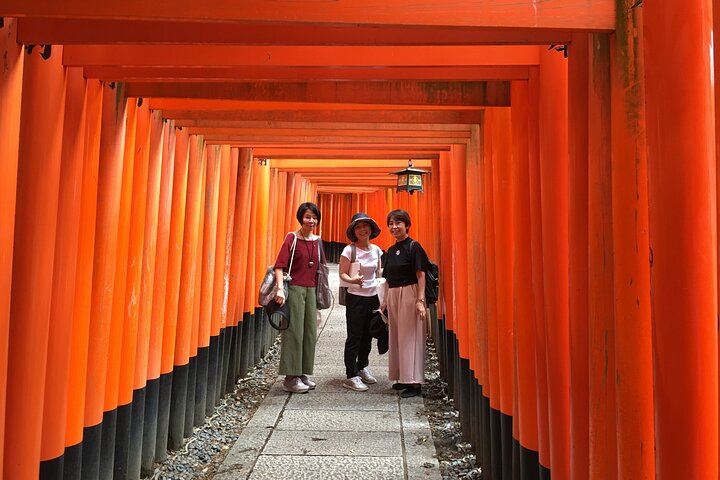
Let’s get real: this is the shot you’ve seen a thousand times, and yes, it’s crowded. But there’s a reason everyone wants that photo. The sensation of walking through endless vermillion gates—each one donated by a business or individual hoping for good fortune—feels like stepping into a living, breathing corridor of history and ambition. The lower gates are packed with selfie sticks and tour groups, but if you keep climbing, the crowds thin and the forest hushes. The repetition becomes hypnotic. It’s not just a photo op; it’s a pilgrimage of persistence and hope.
The Hike to the Summit of Mount Inari
Most visitors bail after the first kilometer. Push past the crowds and you’ll find the real Fushimi Inari: a winding, 4-kilometer trail that snakes up … read more 👉
Let’s get real: this is the shot you’ve seen a thousand times, and yes, it’s crowded. But there’s a reason everyone wants that photo. The sensation of walking through endless vermillion gates—each one donated by a business or individual hoping for good fortune—feels like stepping into a living, breathing corridor of history and ambition. The lower gates are packed with selfie sticks and tour groups, but if you keep climbing, the crowds thin and the forest hushes. The repetition becomes hypnotic. It’s not just a photo op; it’s a pilgrimage of persistence and hope.
The Hike to the Summit of Mount Inari
Most visitors bail after the first kilometer. Push past the crowds and you’ll find the real Fushimi Inari: a winding, 4-kilometer trail that snakes up … read more 👉
The Senbon Torii (“Thousand Torii Gates”)
Let’s get real: this is the shot you’ve seen a thousand times, and yes, it’s crowded. But there’s a reason everyone wants that photo. The sensation of walking through endless vermillion gates—each one donated by a business or individual hoping for good fortune—feels like stepping into a living, breathing corridor of history and ambition. The lower gates are packed with selfie sticks and tour groups, but if you keep climbing, the crowds thin and the forest hushes. The repetition becomes hypnotic. It’s not just a photo op; it’s a pilgrimage of persistence and hope.
The Hike to the Summit of Mount Inari
Most visitors bail after the first kilometer. Push past the crowds and you’ll find the real Fushimi Inari: a winding, 4-kilometer trail that snakes up the sacred mountain. The higher you climb, the quieter it gets. You’ll pass tiny shrines, mossy fox statues, and weathered prayer plaques. The summit itself isn’t a grand vista—it’s a humble clearing with a small shrine—but the journey is the reward. The air smells of cedar and earth, and the city noise fades to a whisper. This is where the magic happens, especially at dawn or dusk.
Fox Statues (Kitsune)
Forget the gates for a second. The real guardians of Fushimi Inari are the stone foxes scattered everywhere, often clutching keys or scrolls in their mouths. Inari’s foxes are messengers, and each one has a different expression—some sly, some serene, some downright mischievous. They’re not just decoration; they’re a reminder that this is a working shrine, alive with centuries of folklore and superstition.
Omokaru Stones
Tucked away near the Okusha Hohaisho (inner shrine), you’ll find two squat stone lanterns with “wish stones” on top. Here’s the deal: make a wish, lift the stone, and if it feels lighter than expected, your wish will come true. If it’s heavier, well, maybe try again next year. It’s a simple ritual, but watching locals and travelers alike test their luck is pure entertainment. This is my personal favorite—there’s something universally human about hoping for a little cosmic help.
Sub-Shrines and Side Trails
Most people never leave the main path, but the real explorers duck down side trails and stumble onto tiny, moss-covered shrines, forgotten foxes, and prayer plaques left by generations of believers. Some of these spots feel untouched by the tourist tide. If you want to feel like you’ve discovered your own secret Kyoto, this is where you do it.
Let’s get real: this is the shot you’ve seen a thousand times, and yes, it’s crowded. But there’s a reason everyone wants that photo. The sensation of walking through endless vermillion gates—each one donated by a business or individual hoping for good fortune—feels like stepping into a living, breathing corridor of history and ambition. The lower gates are packed with selfie sticks and tour groups, but if you keep climbing, the crowds thin and the forest hushes. The repetition becomes hypnotic. It’s not just a photo op; it’s a pilgrimage of persistence and hope.
The Hike to the Summit of Mount Inari
Most visitors bail after the first kilometer. Push past the crowds and you’ll find the real Fushimi Inari: a winding, 4-kilometer trail that snakes up the sacred mountain. The higher you climb, the quieter it gets. You’ll pass tiny shrines, mossy fox statues, and weathered prayer plaques. The summit itself isn’t a grand vista—it’s a humble clearing with a small shrine—but the journey is the reward. The air smells of cedar and earth, and the city noise fades to a whisper. This is where the magic happens, especially at dawn or dusk.
Fox Statues (Kitsune)
Forget the gates for a second. The real guardians of Fushimi Inari are the stone foxes scattered everywhere, often clutching keys or scrolls in their mouths. Inari’s foxes are messengers, and each one has a different expression—some sly, some serene, some downright mischievous. They’re not just decoration; they’re a reminder that this is a working shrine, alive with centuries of folklore and superstition.
Omokaru Stones
Tucked away near the Okusha Hohaisho (inner shrine), you’ll find two squat stone lanterns with “wish stones” on top. Here’s the deal: make a wish, lift the stone, and if it feels lighter than expected, your wish will come true. If it’s heavier, well, maybe try again next year. It’s a simple ritual, but watching locals and travelers alike test their luck is pure entertainment. This is my personal favorite—there’s something universally human about hoping for a little cosmic help.
Sub-Shrines and Side Trails
Most people never leave the main path, but the real explorers duck down side trails and stumble onto tiny, moss-covered shrines, forgotten foxes, and prayer plaques left by generations of believers. Some of these spots feel untouched by the tourist tide. If you want to feel like you’ve discovered your own secret Kyoto, this is where you do it.
Spotted a mistake or missing something? Contact us.

Kyoto Private Car Tour with Local Japanese Guide – Nara Option

Kyoto Private Photo Shoot & Tour by SnapKyoto

Kyoto: Fushimi Inari Hidden Hike (Private)

Kyoto UNESCO World Heritage Site Private Tour with a Premium Van

Private Kyoto Morning Tour: Fushimi Inari, Arashiyama & Monkey

Fushimi Inari - Arashiyama: Torii Gates, Bamboo, Monkeys & Secret

Kyoto Instagram-Worthy Photo Walk with Professional Photographer

Kyoto. Nijo Castle, Imperial Palace, Fushimi Inari. Private Tour.
Kyoto 6h Private Tour Fushimi Inari, Kiyomizu, Gion & Hidden Gems


 Best Backpacking
.jpg) Hi, I’m Johan (Netherlands 🇳🇱), the creator of TakeYourBackpack. Over the past 3 decades, I’ve backpacked through 90+ countries across six continents, gaining extensive experience with independent travel, long-term trips, and overland routes.
Hi, I’m Johan (Netherlands 🇳🇱), the creator of TakeYourBackpack. Over the past 3 decades, I’ve backpacked through 90+ countries across six continents, gaining extensive experience with independent travel, long-term trips, and overland routes.