

The Golden Pavilion’s Reflection
Let’s get real: you’re not going to have Kinkaku-ji to yourself unless you’re a Buddhist monk with a key to the gates. The crowds are relentless, and yes, everyone’s here for the same shot—the gold-leaf pavilion mirrored in the pond. But here’s the kicker: it’s actually worth it. The way the gold shimmers against the water isn’t just photogenic; it’s theatrical. On a clear morning, the reflection is so sharp it looks fake, like someone cranked up the saturation on reality. Even with a hundred phones in the air, that first glimpse is a gut punch. It’s not just a building; it’s a flex—Muromachi-era bling with spiritual swagger.
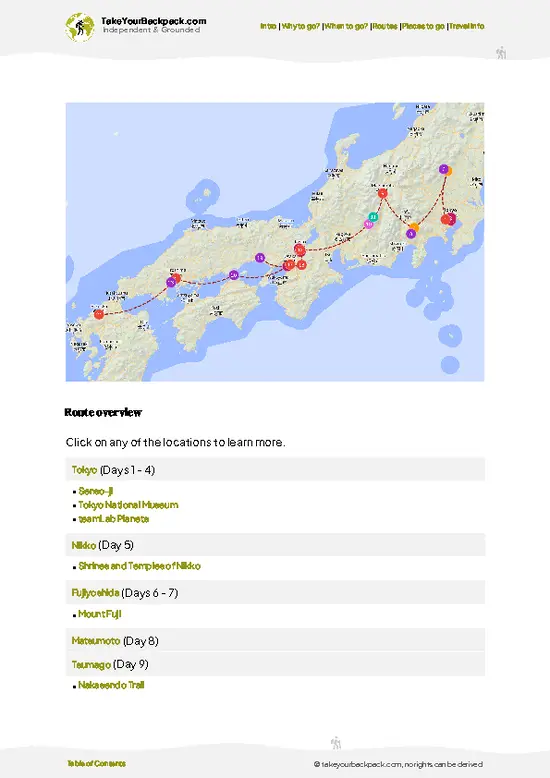
The Kyoko-chi Pond Circuit
Don’t just snap your photo and bail. The path around Kyoko-chi (Mirror Pond) is a slow-burn masterpiece. … read more 👉
The Golden Pavilion’s Reflection
Let’s get real: you’re not going to have Kinkaku-ji to yourself unless you’re a Buddhist monk with a key to the gates. The crowds are relentless, and yes, everyone’s here for the same shot—the gold-leaf pavilion mirrored in the pond. But here’s the kicker: it’s actually worth it. The way the gold shimmers against the water isn’t just photogenic; it’s theatrical. On a clear morning, the reflection is so sharp it looks fake, like someone cranked up the saturation on reality. Even with a hundred phones in the air, that first glimpse is a gut punch. It’s not just a building; it’s a flex—Muromachi-era bling with spiritual swagger.
The Kyoko-chi Pond Circuit
Don’t just snap your photo and bail. The path around Kyoko-chi (Mirror Pond) is a slow-burn masterpiece. Every few steps, the angle shifts, and suddenly the pavilion is framed by pines, or a stone lantern, or a perfectly placed island. The garden design is a lesson in controlled drama—every rock and ripple is intentional. If you want to see Japanese landscaping at its most calculated and cinematic, this is it.
The Anmintaku Pond and Its Turtle Island
Most people miss this: tucked behind the main spectacle, Anmintaku is a smaller pond with a stone “turtle” island. It’s quieter here, and the symbolism is pure old-school Kyoto—longevity, patience, and the slow game. The turtle is a nod to the idea that some things are meant to last, even if the original pavilion didn’t (spoiler: it’s been rebuilt more than once). This is where you catch your breath and remember you’re not just in a postcard factory.
The Sekka-tei Teahouse
If you’re hunting for the real “Zen” moment, this is it. The Sekka-tei teahouse is a humble, weathered structure tucked away from the gold and the crowds. It’s not open for tea ceremonies, but you can peek inside and imagine the shogun’s inner circle sipping matcha and plotting the next big move. The contrast between the teahouse’s rough simplicity and the pavilion’s gold-plated bravado is the real story here. This is my personal favorite—proof that subtlety can outshine spectacle.
The Moss Gardens
Look down. The moss at Kinkaku-ji is a soft, green universe of its own. It creeps over stones and tree roots, muffling footsteps and swallowing sound. It’s easy to overlook, but if you want to feel the ancient, slow heartbeat of Kyoto, this is where you find it. The moss is older than most of the tourists and will outlast them all. It’s the quiet counterpoint to all that gold—humble, persistent, and quietly defiant.
Spotted a mistake or missing something? Contact us.

Kyoto Private Car Tour with Local Japanese Guide – Nara Option

Kyoto UNESCO World Heritage Site Private Tour with a Premium Van

Early Half Day to Kyoto Highlights

Kyoto & Nara Customized Private Tour with English speaking Guide

Private Customized Walking Tour in Kyoto

Kyoto Tour: Private Full-Day Iconic Highlights English Guide Van

Private Kyoto Sightseeing Tour with Licensed Green-Plate Vehicle

Private Customized Kyoto Tour with Expert Guide For Family

Kyoto: Kinkakuji, Golden Pavilion Private Tour in 90 Minutes


 Best Backpacking

 Hi, I’m Johan (Netherlands 🇳🇱), the creator of TakeYourBackpack. Over the past 3 decades, I’ve backpacked through 90+ countries across six continents, gaining extensive experience with independent travel, long-term trips, and overland routes.