v2.webp)


- Fushimi Inari Taisha — The thousand-plus vermilion torii tunnels up Mount Inari are quintessential Kyoto: you can wander for hours, catch quiet stretches if you go early, and feel the shrine’s living connection to rice, commerce and local devotion.
- Kiyomizu-dera — A soaring wooden stage with sweeping views over eastern Kyoto, plus the Otowa waterfall and tucked-away alleys of Higashiyama that give a real sense of old-city texture when you walk down from the temple.
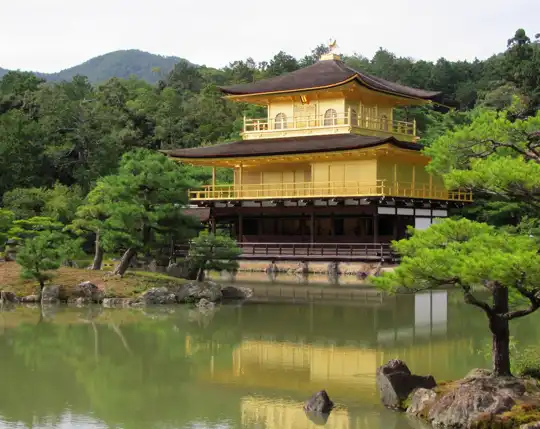
- Kinkaku-ji (Golden Pavilion) — A literal gold leaf reflection on a pond; it’s touristy for a reason—beautiful composition, seasonal contrast, and the kind of iconic photo that actually matches the real place.
- Ginkaku-ji (Silver Pavilion) — Quieter than Kinkaku, with a contemplative moss garden, raked sand “snail” hill and a
- Fushimi Inari Taisha — The thousand-plus vermilion torii tunnels up Mount Inari are quintessential Kyoto: you can wander for hours, catch quiet stretches if you go early, and feel the shrine’s living connection to rice, commerce and local devotion.
- Kiyomizu-dera — A soaring wooden stage with sweeping views over eastern Kyoto, plus the Otowa waterfall and tucked-away alleys of Higashiyama that give a real sense of old-city texture when you walk down from the temple.
- Kinkaku-ji (Golden Pavilion) — A literal gold leaf reflection on a pond; it’s touristy for a reason—beautiful composition, seasonal contrast, and the kind of iconic photo that actually matches the real place.
- Ginkaku-ji (Silver Pavilion) — Quieter than Kinkaku, with a contemplative moss garden, raked sand “snail” hill and a slice of classical Zen aesthetics that’s very Kyoto if you like subtlety over flash.
- Philosopher’s Path — A serene canal-side stroll lined with cherry trees, tiny shrines and cafés; great for slow wandering between temples and for feeling Kyoto’s quieter, reflective side (especially in spring and autumn).
- Arashiyama Bamboo Grove — The towering bamboo and the sound of wind through it are otherworldly; get there early, then explore nearby Tenryū-ji, the riverfront, and local noodle shops to make a proper half-day.
- Nijō Castle — A compact slice of Tokugawa power: ornate interiors, beautiful gardens and the famous “nightingale” floors that chirp when you walk—history you can hear under your feet.
- Nishiki Market — A lively, narrow stretch of food stalls and tiny shops where you can sample pickles, fresh seafood, sweets and Kyoto specialties; perfect for cheap bites and people-watching with local flavor.
- Otagi Nenbutsu-ji — Tucked into Arashiyama’s hills, this small temple is covered with hundreds of quirky, hand-carved rakan (stone disciples) — a delightfully odd, humane place that rewards the extra walk to get there.
- Kurama-dera (Kurama & Kibune hike) — A spiritual mountain trail north of the city with forest temples, mossy steps and a lively shrine at the top; pair it with a riverside meal in Kibune for a nearly rural Kyoto day inside city limits.
Spotted a mistake or missing something? Contact us.

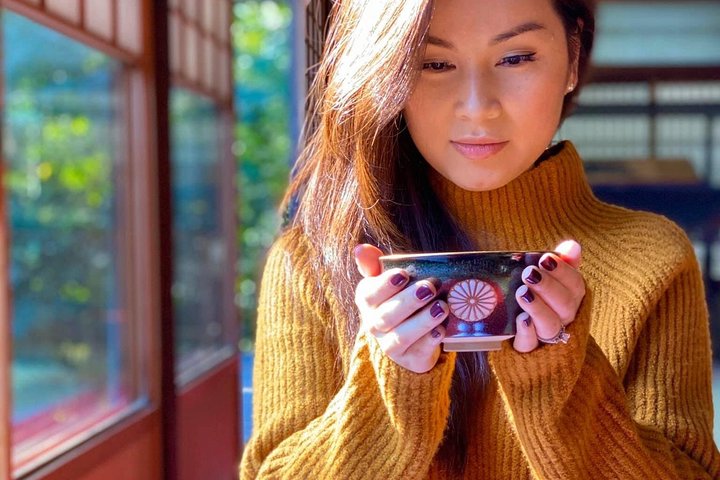
Private Tea Ceremony and Sake Tasting in Kyoto Samurai House
Private car tour in Kyoto (up to 4)

Become a Samurai Movie Star in Kyoto by Filming with a Real Actor
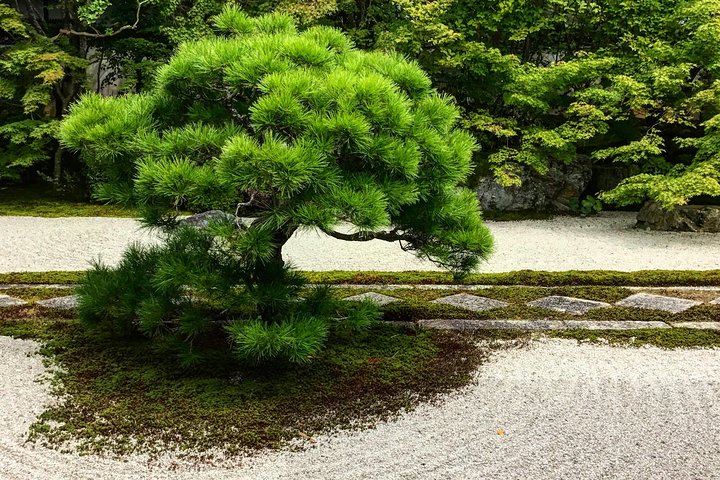
Kyoto: Zen Garden, Zen Mind (Private)

Kyoto: Zen Meditation at a Private Temple with a Monk

Near Fushimiinari: Kyoto Home Cooking Class & Supermarket tour

Kyoto: Meet the Geisha with Performance, Photos & Q&A

Shamisen Experience in Kyoto 【Private】

Kyoto; Traditional Japanese Washi Papermaking
 Best Backpacking
.jpg) Hi, I’m Johan (Netherlands 🇳🇱), the creator of TakeYourBackpack. Over the past 3 decades, I’ve backpacked through 90+ countries across six continents, gaining extensive experience with independent travel, long-term trips, and overland routes.
Hi, I’m Johan (Netherlands 🇳🇱), the creator of TakeYourBackpack. Over the past 3 decades, I’ve backpacked through 90+ countries across six continents, gaining extensive experience with independent travel, long-term trips, and overland routes.